Philippines BIR Steps Up Illicit Vape Enforcement Ahead of Christmas Shopping

Regulations
Sep.17
Philippines BIR Steps Up Illicit Vape Enforcement Ahead of Christmas Shopping
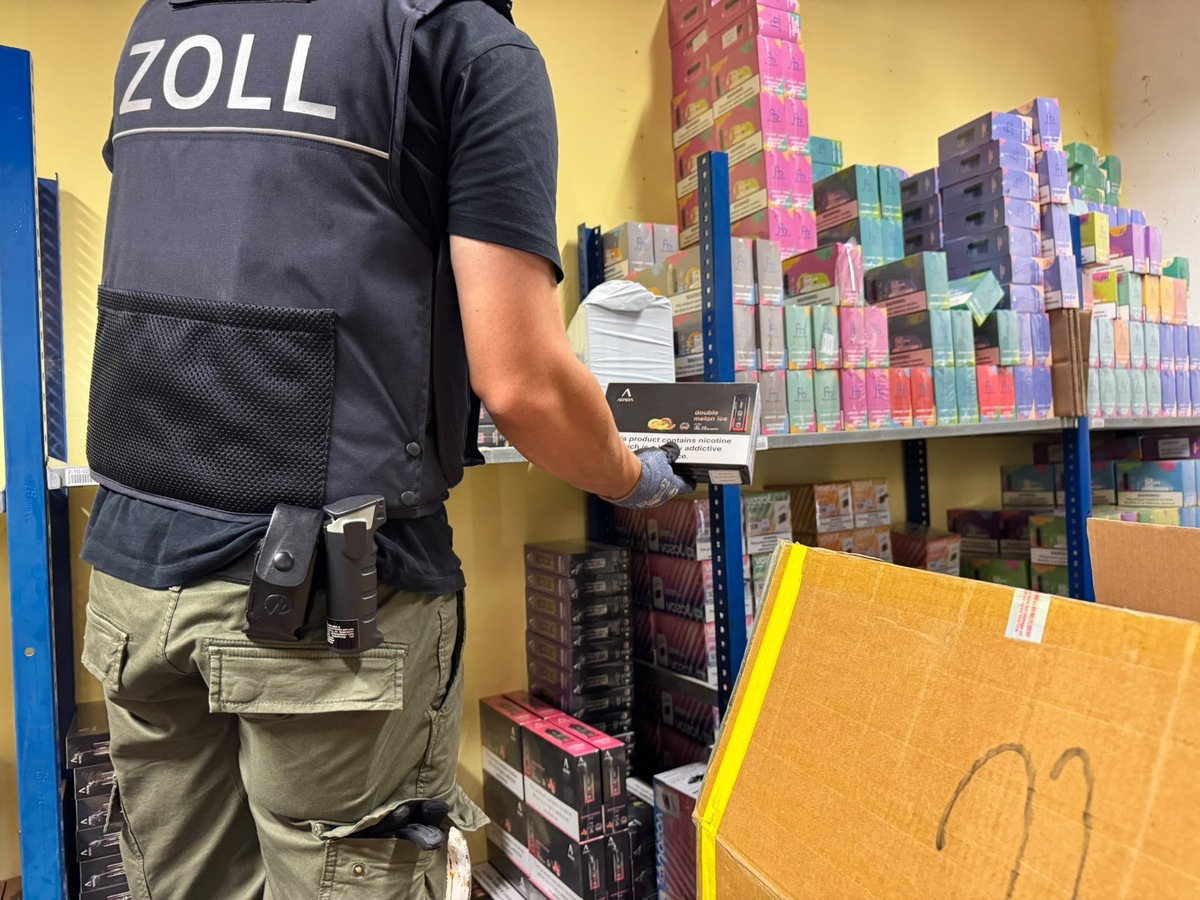
The Philippines’ Bureau of Internal Revenue is intensifying enforcement against illicit vape and tobacco products ahead of the Christmas shopping season, directing regional and enforcement offices to strengthen monitoring of production sites, warehouses, distribution channels and retail outlets. The BIR destroyed 240,550 illicit vape products in August with an estimated tax liability of about PHP1.53 billion. A nationwide tax-compliance operation in July also inspected 3,590 businesses involved in tobacco and vapor products.

Key Points

  •  The BIR said enforcement teams are on high alert as stronger holiday demand increases the risk of illicit vape and tobacco products entering the market.
  •  Regional and enforcement offices have been directed to intensify monitoring of suspected production sites, warehouses, distribution channels and retail outlets.
  •  The BIR destroyed 240,550 illicit vape products on August 24, with estimated tax liabilities of about PHP1.53 billion.
  •  A nationwide compliance drive in July inspected 3,590 establishments and seized 8,634 vape products and 22,251 packs of cigarettes.

2Firsts

September 17, 2026

According to the Philippine News Agency on September 16, 2026, the Philippines’ Bureau of Internal Revenue is stepping up enforcement against illicit vape and tobacco products ahead of the Christmas shopping season, directing regional and enforcement offices to strengthen monitoring across production, warehousing, distribution and retail channels.

BIR Commissioner Charlito Martin Mendoza said intelligence and market information indicated a higher risk of illicit vape and tobacco products entering the market as holiday demand increases. Enforcement teams are now on high alert, according to the agency.

The BIR has instructed its regional and enforcement offices to intensify monitoring of suspected production sites, warehouses, distribution channels and retail outlets, and to coordinate enforcement operations where necessary.

Enforcement Expands Across the Supply Chain

The latest directive extends monitoring beyond retail outlets to other parts of the supply chain.

The BIR also called on legitimate industry participants, retailers and the public to provide information on suspected illegal manufacturing, storage, distribution or sale of vape and tobacco products.

The agency has conducted several nationwide tax-compliance operations targeting tobacco and vapor products this year.

On July 20, BIR personnel across all 22 revenue regions inspected around 3,590 establishments involved in the sale and distribution of cigarettes, vapor products and heated tobacco products. The operation resulted in 1,793 apprehensions for various tax-compliance violations.

Authorities seized 8,634 vape products and 22,251 packs of cigarettes, with estimated tax liabilities of about PHP16.54 million. Violations included failure to register with the BIR, failure to issue invoices or maintain required books, and possession of excisable products without required tax stamps.

BIR Destroys More Than 240,000 Illicit Vape Products

On August 24, the BIR destroyed 240,550 previously seized illicit vape products at a waste-management facility in Porac, Pampanga. The agency estimated the associated tax liability at about PHP1.53 billion.

The BIR said the destruction was intended to permanently remove illicit products from the market while pursuing those involved in their illegal manufacture, importation, distribution and sale.

The BIR’s Manila revenue region has also expanded vape enforcement from individual retail outlets to warehouses. The agency described an operation involving Tap Fog Philippines as its largest single illicit-vape enforcement action to date, with some of the products from that operation later included in the August destruction.

In early September, the BIR again identified illicit vapes as one of the focus areas in its consolidated nationwide enforcement results and said follow-up inspections would continue.

The latest directive expands that enforcement focus across production, warehousing, distribution and retail as the Philippines enters its year-end shopping season.

Follow 2Firsts for timely updates on global tobacco and nicotine regulations, market developments and industry trends.

Cover Image: Bureau of Internal Revenue, Philippines

 

German Tobacco Tax Revenue Falls 10.8% Through August as Tax-Paid Cigarette Volume Drops 12.6%
Germany collected €9.789 billion in total tobacco tax revenue from January through August 2026, down 10.8% from a year earlier, according to the Federal Ministry of Finance. Germany's tobacco tax base covers not only cigarettes and fine-cut tobacco but also heated tobacco and vaping liquids taxed as tobacco substitutes. The German Association of the Tobacco Industry and Novel Products, or BVTE, citing federal statistical data, said tax-paid cigarette volume fell 12.6% to 40.6 billion sticks. BVTE is using the latest figures to argue against further tax increases planned from 2027 through 2030, while Germany's parliament is scheduled to hold a first reading of the bill on September 24.
Sep.23
Germany Probes 7.6 Million Illegal Vape Case With Estimated €33.3 Million Tax Loss; Four Chinese Manufacturer Employees Under Investigation, Some Packaging in Enforcement Images Resembles FUMOT Products
German prosecutors and customs authorities are conducting a criminal investigation into an alleged cross-border organised vape network. Authorities say that between January 2024 and March 2025, four employees of an unnamed Chinese e-cigarette manufacturer allegedly built a network of sales agents and wholesalers that brought more than 7.6 million nicotine disposable vapes into Germany, causing an estimated €33.3 million in excise-tax losses. The manufacturer has not been named. Some products visible in enforcement images have packaging resembling products from FUMOT’s portfolio. European regulatory records from 2024, FUMOT’s public overseas-sales materials and records involving German vape importer and distribution company Zamu-Pro GmbH also show FUMOT/RandM products and German distribution activity during the period covered by the investigation.
Sep.21
South Korea Fully Reviews Nicotine-Analog and Nicotine-Free Vape Liquid Imports, With Over 99% From China and Chinese Supply-Chain Documents Under Scrutiny
Korea Customs Service has tightened import controls on nicotine-analog and nicotine-free e-cigarette liquids, placing the products under 100% document review and subjecting all e-cigarette liquid import declarations to pre-clearance ingredient analysis. As of September 20, 2026, South Korea had imported about 15 metric tons of nicotine-analog liquids, 99.99% from China, and about 316 metric tons of nicotine-free liquids, including roughly 315 metric tons, or 99.7%, from China. The measures follow South Korea's April expansion of its tobacco definition to include synthetic nicotine products and include new checks on Chinese manufacturing, transaction and export documentation.
Sep.24
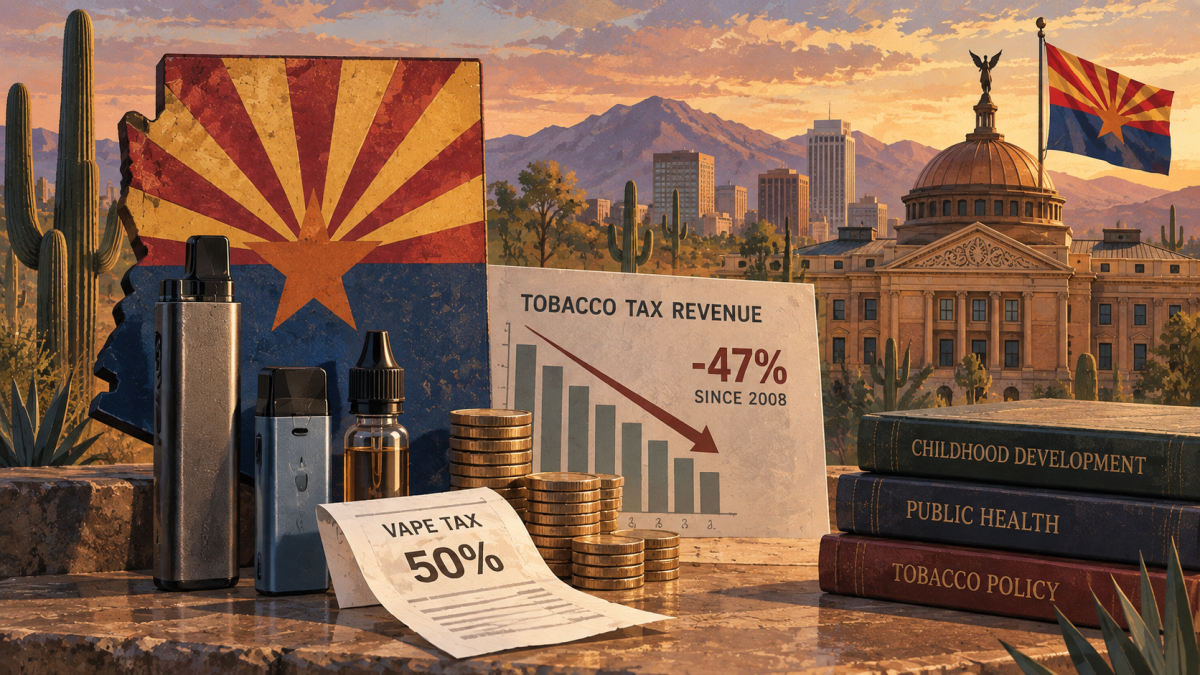
Arizona Turns to a 50% Retail Vape Tax as Tobacco Tax Revenue Falls 47% From 2008
Arizona's First Things First is pushing for an excise tax equal to 50% of the retail price of vaping products, estimating that the measure could generate about $100 million annually. The agency says its tobacco-tax revenue has fallen 47% from 2008 levels. Arizona has attempted to broaden its nicotine tax base in each of the past two years: a 2025 bill proposed a 50% wholesale-price tax, while a 2026 measure shifted to a 50% retail-price tax covering alternative nicotine products and vapor products. Separately, the state enacted HB 4001 this year to establish a new licensing and sales framework for alternative nicotine products.
Sep.21
Germany's Four-Year Tobacco Tax Plan Heads to Parliament as BAT, JTI and PMI Push for Changes
Germany's parliament is scheduled to hold a first reading of amendments to the Tobacco Tax Act on September 24. The government plans annual tax increases from 2027 through 2030 covering cigarettes, heated tobacco, vaping liquids and other categories. It expects the reform to generate €756 million in additional revenue in 2027, rising to €3.589 billion in additional annual revenue by 2030. Ahead of the parliamentary debate, the German Association of the Tobacco Industry and Novel Products, or BVTE, launched the "Tabaksteuer mit Augenmaß" campaign backed by BAT, JTI, Philip Morris, Reemtsma and wholesale and retail groups.
Sep.23
NAS 2026 | Cliff Douglas: Risk Continuum Should Play a Central Role in Tobacco Policy
Cliff Douglas, a veteran U.S. tobacco-control and public health policy figure, told NAS 2026 that the “continuum of risk” should play a central role in tobacco policy. He called for clearer market pathways, stronger risk communication, differentiated regulation and enforcement, and said possible FDA reforms to PMTA reviews could be a “welcome correction” if they create a more efficient, predictable route for scientifically substantiated lower-risk products. Read 2Firsts’ on-site coverage.
Sep.26