Russia proposes extending voluntary labeling pilot for reusable e-cigarettes to Aug. 31, 2026

Jan.22
Russia proposes extending voluntary labeling pilot for reusable e-cigarettes to Aug. 31, 2026
Russia’s Ministry of Industry and Trade has proposed extending a voluntary labeling pilot covering reusable e-cigarettes and similar personal electric vaporizing devices until August 31, 2026. A draft government decree has been published on the unified portal for posting drafts of normative legal acts.

Key Takeaways


• Russia’s Industry and Trade Ministry proposes extending the reusable e-cigarette labeling pilot to Aug. 31, 2026

• A draft government decree has been published on the unified draft-law portal

• The pilot is part of Phase IV of the radio-electronic product labeling experiment, launched on July 14, 2025

• Participation is voluntary for manufacturers, importers, retailers, and relevant data operators

• The original decree set the pilot end date as Feb. 28, 2026; the proposal shifts it to Aug. 31, 2026


2Firsts, January 2, 2026


According to BUH.1C, Russia’s Ministry of Industry and Trade has proposed extending the labeling pilot for reusable e-cigarettes and similar personal electric vaporizing devices until August 31, 2026. A draft government decree has been published on the unified portal for posting drafts of normative legal acts.


Since July 14, 2025, Russia has been running Phase IV of its radio-electronic product labeling experiment, under which voluntary labeling was introduced for reusable e-cigarettes and similar personal electric vaporizing devices. Manufacturers, importers and retailers, as well as electronic document management operators and fiscal data operators, participate in the pilot on a voluntary basis.


Under the original government decree dated July 5, 2025 (No. 1015), the pilot was set to run through February 28, 2026. The ministry now proposes shifting the end date to August 31, 2026.


The ministry said extending the pilot period would allow market participants to carry out additional work to configure technical solutions and business processes developed under the experiment, including applying identification means to packaging and interacting with the labeling information system.


Image source: Buh.ru


We welcome news tips, article submissions, interview requests, or comments on this piece.

Please contact us at info@2firsts.com, or reach out to Alan Zhao, CEO of 2Firsts, on LinkedIn


Notice

1.  This article is intended solely for professional research purposes related to industry, technology, and policy. Any references to brands or products are made purely for objective description and do not constitute any form of endorsement, recommendation, or promotion by 2Firsts.

2.  The use of nicotine-containing products — including, but not limited to, cigarettes, e-cigarettes, nicotine pouchand heated tobacco products — carries significant health risks. Users are responsible for complying with all applicable laws and regulations in their respective jurisdictions.

3.  This article is not intended to serve as the basis for any investment decisions or financial advice. 2Firsts assumes no direct or indirect liability for any inaccuracies or errors in the content.

4.  Access to this article is strictly prohibited for individuals below the legal age in their jurisdiction.


Copyright


This article is either an original work created by 2Firsts or a reproduction from third-party sources with proper attribution. All copyrights and usage rights belong to 2Firsts or the original content provider. Unauthorized reproduction, distribution, or any other form of unauthorized use by any individual or organization is strictly prohibited. Violators will be held legally accountable.

For copyright-related inquiries, please contact: info@2firsts.com


AI Assistance Disclaimer


This article may have been enhanced using AI tools to improve translation and editorial efficiency. However, due to technical limitations, inaccuracies may occur. Readers are encouraged to refer to the cited sources for the most accurate information.

We welcome any corrections or feedback. Please contact us at: info@2firsts.com

Product | SMOORE's VAPORESSO Introduces VAST Refillable Vape With Three Resistances in One Pod
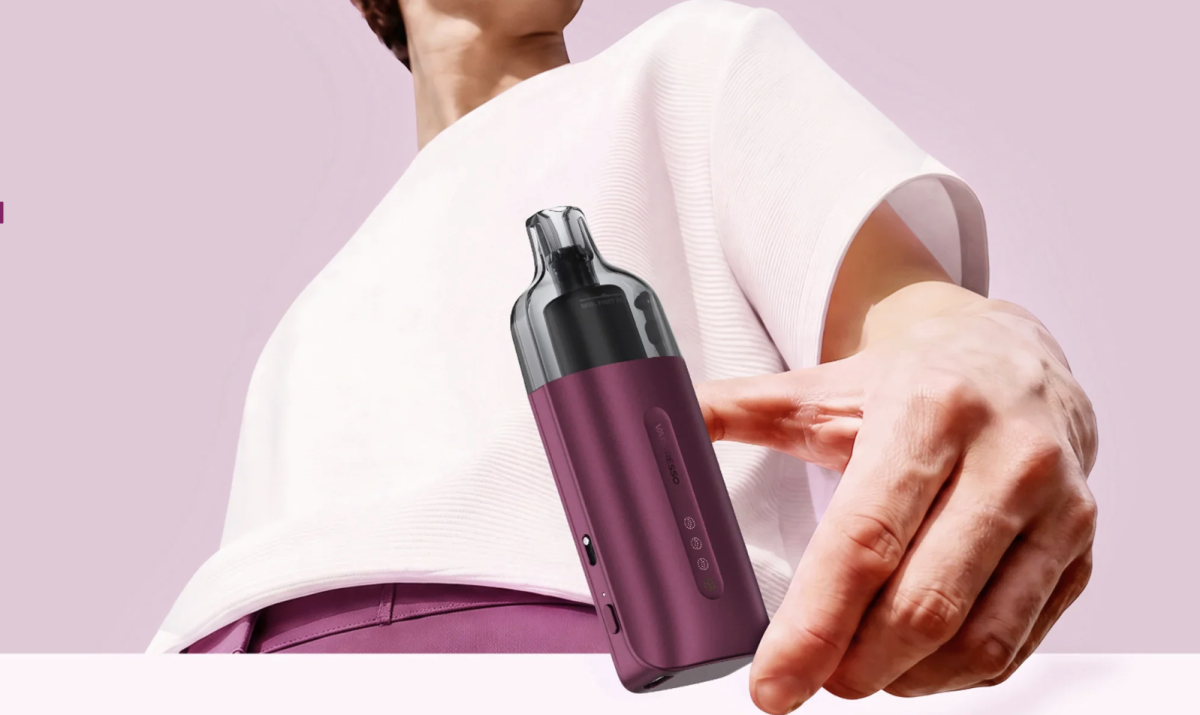
SMOORE-owned vaping brand VAPORESSO introduced the VAST refillable open-system vape in October 2026, featuring Tri-Core Mesh technology that integrates three resistance configurations—0.8Ω, 0.6Ω and 0.4Ω—within a single pod. The device supports different operating modes and e-liquid types. The standard version features a 10mL pod, while a TPD-labelled configuration combines a 2mL pod with an 8mL refill container. The device has a 1,600mAh battery and a maximum output of 30W. VAPORESSO claims up to six pod refills and a tested coil lifespan of up to 150,000 puffs. The UK's MHRA published a related device notification on October 12. The official MSRP is $25.90, compared with a $35.90 listing on VAPORESSO's direct store.
product
Oct.30
UK Vape Duty Starts in October as Hayati, DOJO and Others Launch Lower-Capacity Products With Lower Per-Unit Tax
The UK's Vaping Products Duty will take effect on October 1, 2026, at a flat rate of £2.20 per 10ml of vaping liquid. Ahead of implementation, DOJO, PIXL and Hayati have introduced or been reported to be adding lower-capacity tiers alongside larger products. DOJO has added a 6ml BLAST7K Fresh below its 10ml BLAST10K Fresh, PIXL offers both a 12ml 8000 and a 6ml 5K, while retailer Ninja Vapes says Hayati is preparing a 7ml 4K alongside its existing 12ml 6K. The pattern points to a growing lower-capacity tier in the UK market, although the brands have not all explicitly linked the changes to the new duty.
Sep.23
Pennsylvania Vape Directory Law Survives Court Challenge From Nova Distro and Others Amid Similar Rulings Across States
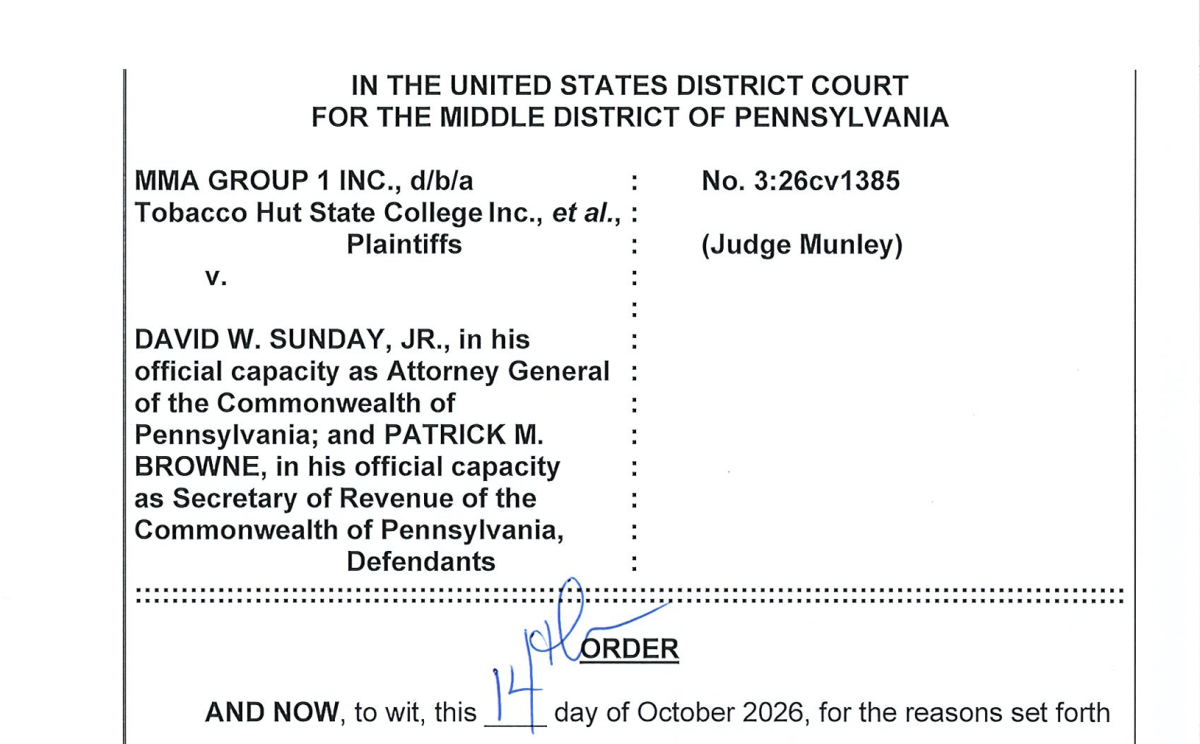
A U.S. federal court upheld Pennsylvania's vape directory law on October 14, rejecting a challenge brought by Nova Distro, 101 Distributors and companies operating Tobacco Hut retail stores. Court records show that vaping accounts for about 60% of Tobacco Hut's profits and that the chain held approximately $2 million in inventory potentially subject to seizure under the law as of June 2. Pennsylvania began enforcement on October 19. The ruling follows similar appellate decisions in other states, even as new research shows that unlisted vaping products continue to account for substantial sales in states with established directories.
Regulations
Oct.22
Canada Health Minister Says She Is Not Considering Looser Nicotine Pouch Retail Rules as PMI-Linked Group Pushes for Wider Access
Canadian Health Minister Marjorie Michel says she is not considering loosening retail restrictions on nicotine pouches. Canada regulates pouches containing 4 mg or less of nicotine per unit as non-prescription nicotine replacement therapy and requires newer NRT formats such as pouches to be sold from behind pharmacy counters. Meanwhile, Unsmoke Canada, linked to Philip Morris International's Canadian business, is pushing to allow pouches in convenience stores and other general retail outlets. Health Canada also acknowledges continued unauthorized sales, while recent research shows rising pouch use among Canadian youth aged 16 to 19.
Sep.24
Reynolds Puts Nearly 183,000 U.S. Contracted Outlets Under Age-Verification Rules, Covering 94% of Volume — Can It Shift an Unauthorized Vape Market?
Reynolds American says nearly 183,000 U.S. retail outlets are under contract, with its Retail Marketing Plan Contract covering about 94% of company volume and requiring point-of-sale age verification. The company combines those contracts with We Card, TruAge, NACS-linked infrastructure and POS integration, while enhanced Vuse Pro retail rules add ID scanning, purchase limits and stronger underage-sales accountability. The initial Vuse Pro rollout targets about 50,000 stores. The system is taking shape as unauthorized vapor products remain dominant in parts of the U.S. market: a 2026 study estimated they accounted for 69.4% of tracked brick-and-mortar e-cigarette dollar sales in December 2025.
Special Report
Oct.15
South Korea Fully Reviews Nicotine-Analog and Nicotine-Free Vape Liquid Imports, With Over 99% From China and Chinese Supply-Chain Documents Under Scrutiny
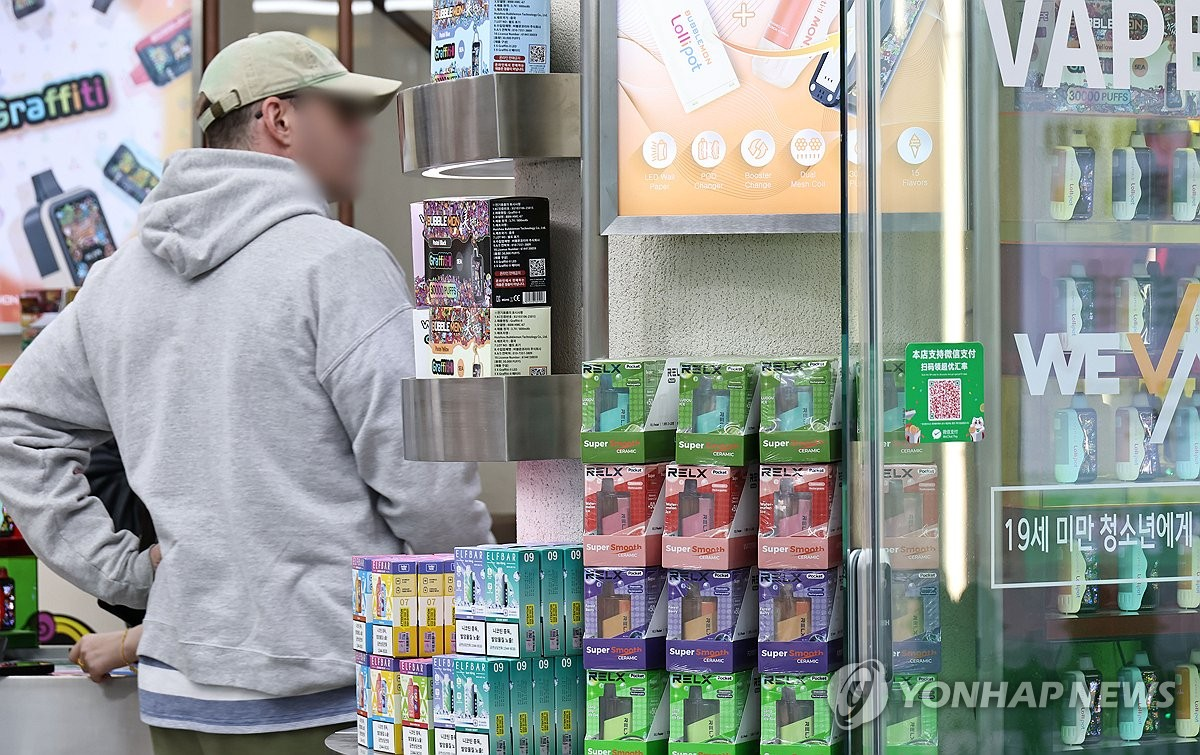
Korea Customs Service has tightened import controls on nicotine-analog and nicotine-free e-cigarette liquids, placing the products under 100% document review and subjecting all e-cigarette liquid import declarations to pre-clearance ingredient analysis. As of September 20, 2026, South Korea had imported about 15 metric tons of nicotine-analog liquids, 99.99% from China, and about 316 metric tons of nicotine-free liquids, including roughly 315 metric tons, or 99.7%, from China. The measures follow South Korea's April expansion of its tobacco definition to include synthetic nicotine products and include new checks on Chinese manufacturing, transaction and export documentation.
Sep.24