Key Takeaways
- Serbia’s parliament adopted a package of trade laws.
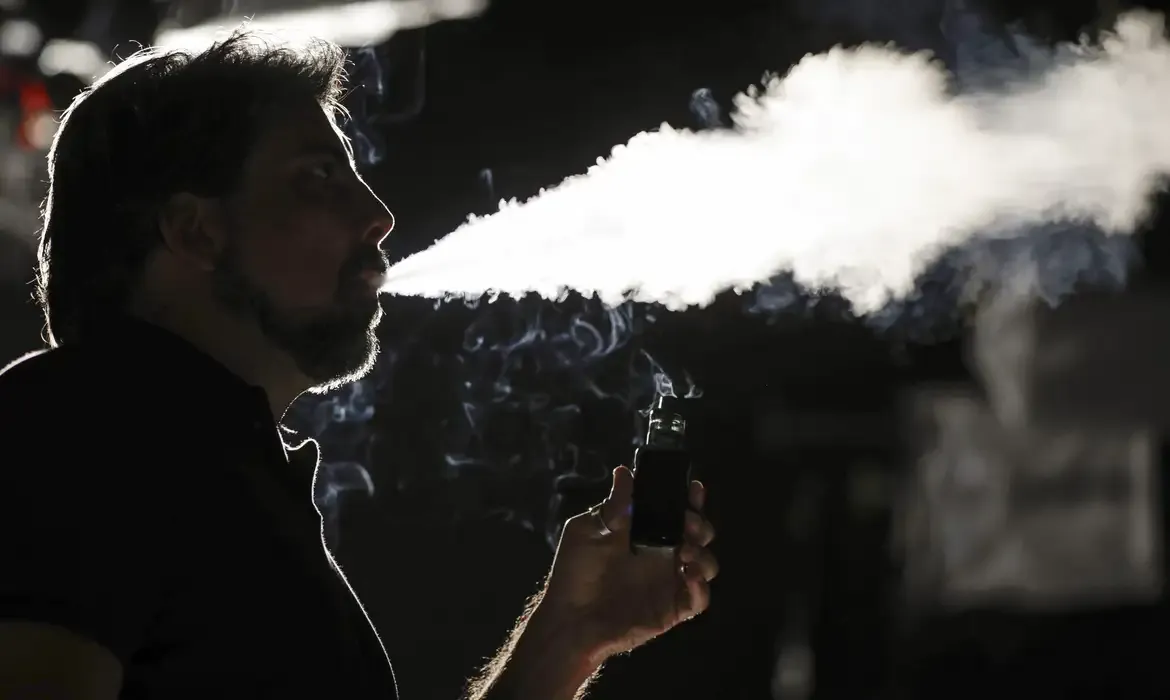
- The new rules ban the sale of e-cigarettes and other nicotine products to minors.
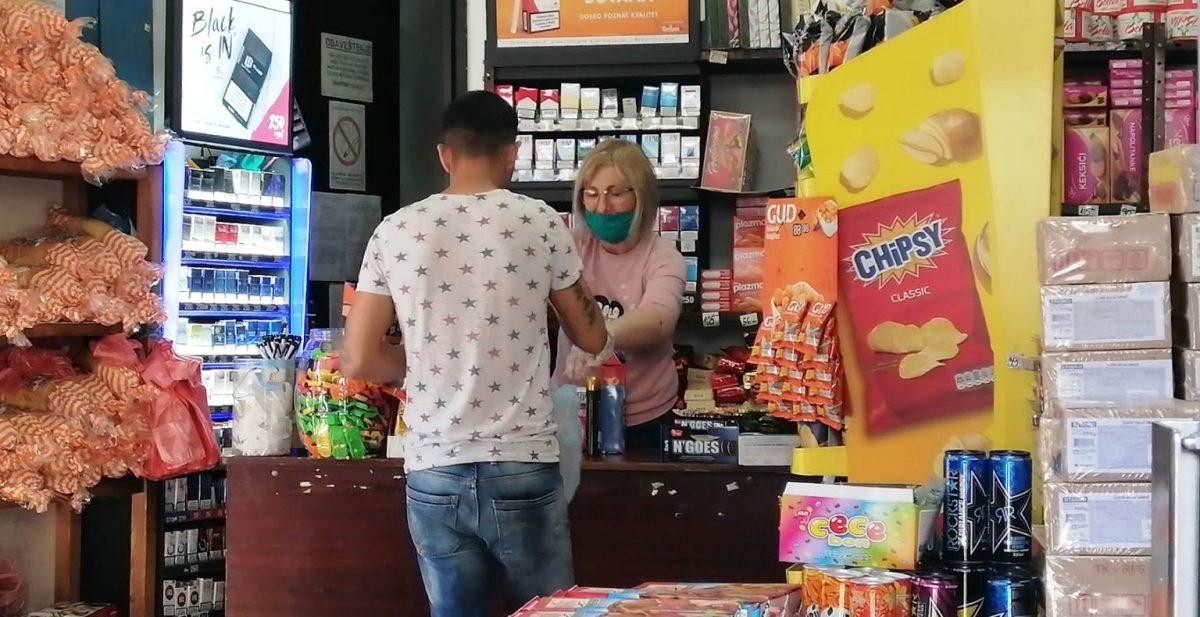
- Merchants will be required to update price lists in real time whenever prices change.
- Retail chains will have to publish daily price lists on their websites and on the National Open Data Portal.
- Online platform obligations will be aligned with those of traditional merchants to strengthen consumer protection.
2Firsts, April 24,2026
According to the report, Serbia’s parliament has adopted a package of trade laws aimed at improving consumer protection while also introducing a series of significant changes for merchants and online platforms.
E-cigarettes and nicotine products will be banned for sale to minors
One of the most important changes in the new legislation is a ban on the sale of e-cigarettes and other nicotine products to minors. The report said this further tightens rules designed to protect young people.
Price lists must be updated in real time after changes
The laws also introduce greater price transparency. Under the new rules, merchants will be required to update their price lists in real time whenever a price changes, so that consumers always have accurate information both in physical stores and in online sales.
Retail chains will have to publish daily price lists
According to the new rules, retail chains will also have to publish their price lists every day on their websites and on the National Open Data Portal, which is intended to allow better monitoring and comparison of prices.
Online platforms will face the same obligations as traditional merchants
Another major change concerns internet trade. The laws align the obligations of online platforms with those of traditional merchants, further protecting consumer rights in online shopping.
Trade Law amendments clarify several commercial rules
The adopted amendments and supplements to the Trade Law further specify the definition of a merchant, the rules for displaying discounted prices and “previous prices,” as well as provisions related to inspection supervision.
Parliament also adopted a law on trade practices for certain products
Parliament also adopted a Law on Trade Practices for Certain Types of Products. The scope of that law covers not only agricultural and food products, but also goods of particular importance to the market, such as household chemicals, personal hygiene products and cosmetics, as well as plant nutrition and protection products.
The goal is to improve market functioning and price transparency
According to the report, the aim of the new legal solutions is to improve the functioning of the market and ensure more stable and transparent price formation, along with better consumer protection.
Image source: resetka
We welcome news tips, article submissions, interview requests, or comments on this piece.
Please contact us at info@2firsts.com, or reach out to Alan Zhao, CEO of 2Firsts, on LinkedIn
Notice
1. This article is intended solely for professional research purposes related to industry, technology, and policy. Any references to brands or products are made purely for objective description and do not constitute any form of endorsement, recommendation, or promotion by 2Firsts.
2. The use of nicotine-containing products — including, but not limited to, cigarettes, e-cigarettes, nicotine pouchand heated tobacco products — carries significant health risks. Users are responsible for complying with all applicable laws and regulations in their respective jurisdictions.
3. This article is not intended to serve as the basis for any investment decisions or financial advice. 2Firsts assumes no direct or indirect liability for any inaccuracies or errors in the content.
4. Access to this article is strictly prohibited for individuals below the legal age in their jurisdiction.
Copyright
This article is either an original work created by 2Firsts or a reproduction from third-party sources with proper attribution. All copyrights and usage rights belong to 2Firsts or the original content provider. Unauthorized reproduction, distribution, or any other form of unauthorized use by any individual or organization is strictly prohibited. Violators will be held legally accountable.
For copyright-related inquiries, please contact: info@2firsts.com
AI Assistance Disclaimer
This article may have been enhanced using AI tools to improve translation and editorial efficiency. However, due to technical limitations, inaccuracies may occur. Readers are encouraged to refer to the cited sources for the most accurate information.
We welcome any corrections or feedback. Please contact us at: info@2firsts.com