South Korea’s Cigarette Smoking Rate Falls to 17.9%, E-Cigarette Use Continues to Rise

Jun.01
South Korea’s Cigarette Smoking Rate Falls to 17.9%, E-Cigarette Use Continues to Rise
Data released by the Korea Disease Control and Prevention Agency (KDCA) showed South Korea’s conventional cigarette smoking rate fell to 17.9% in 2025, while heated tobacco and liquid e-cigarette use continued to rise, particularly among young adults and women.

Key Points

  • Smoking rate falls to 17.9%;
  •  HTP use reaches 6.3%;
  •  E-cigarette use rises to 4.5%;
  •  One in five users consume multiple products.

2Firsts

June 1, 2026 — According to Korea JoongAng Daily, data released by the Korea Disease Control and Prevention Agency (KDCA) on World No Tobacco Day showed that while conventional cigarette smoking continues to decline in South Korea, the use of e-cigarettes and heated tobacco products is rising steadily.

The data showed that the adult smoking rate for conventional cigarettes fell to 17.9% in 2025, down one percentage point from 18.9% a year earlier. At the same time, the use rate of heated tobacco products (HTPs) increased to 6.3%, while liquid e-cigarette use rose to 4.5%.

KDCA noted that since e-cigarette statistics were first collected in 2019, HTP use has increased by 90.9%, while liquid e-cigarette use has grown by 73.1%. Overall tobacco product use reached 22.1% in 2025.

Among tobacco users, 21.3% reported using two or more tobacco products simultaneously. According to the agency, multi-product use is particularly common among younger consumers.

The findings are based on the 2025 Community Health Survey, a nationwide study covering approximately 230,000 adults aged 19 and older.

By age group, the sharpest increase in alternative tobacco product use was observed among people in their 20s and 30s. The rate of heated tobacco product use among people in their 20s more than doubled from 4.3% in 2019 to 8.8% in 2025. Liquid e-cigarette use also recorded significant growth within the same age group.

KDCA said the data confirmed a clear trend:

“The younger the age group, the greater the share of e-cigarette users.”

Growth was also notable among women. The use of heated tobacco products among women increased from 0.5% in 2019 to 1.4% in 2025, while liquid e-cigarette use rose from 0.5% to 1.2% during the same period.

Although overall tobacco product use remains lower among women than men, the rate of increase has been faster among women. KDCA highlighted that among women in their 20s, the gender gap in e-cigarette use is considerably narrower than the gap in conventional cigarette smoking.

The survey also revealed significant regional differences. Overall tobacco product use was highest in North Chungcheong Province, Gangwon Province, South Chungcheong Province and North Gyeongsang Province.

Conventional cigarette smoking rates were highest in South Chungcheong, North Chungcheong and Gangwon, while heated tobacco product use was highest in Gyeonggi Province, Sejong City, Daejeon and Ulsan. Liquid e-cigarette use was highest in Ulsan, followed by Seoul, South Chungcheong Province and Gyeonggi Province.

KDCA expressed concern that e-cigarettes are not simply replacing conventional cigarettes, but are increasingly being used alongside other tobacco products. The agency warned that simultaneous use of multiple tobacco products may increase nicotine dependence, reduce the likelihood of successful smoking cessation, and expose users to a broader range of harmful chemicals.

KDCA Commissioner Lim Seung-kwan said:

“E-cigarette use is growing among people in their 20s and 30s and among women, while one in five tobacco users is consuming multiple tobacco products simultaneously. South Korea needs a comprehensive tobacco cessation policy that covers not only conventional cigarettes but also e-cigarettes.”

The agency said the findings highlight the need for tobacco control strategies that address the growing diversity of nicotine and tobacco products in the Korean market.


(Cover Image source: Yonhap News / Korea JoongAng Daily)

 

BofA Upgrades Imperial Brands, Says Market Overreacted to Australia Slump
Bank of America upgraded Imperial Brands to “buy” from “neutral,” saying investors have overreacted to the tobacco group’s Australian business downturn and that the share-price pullback has created a more attractive entry point.
Jul.16
Tobacco Companies Are Redesigning Nicotine Products. BAT Wins Three Red Dot Awards
According to BAT and the Red Dot Design Award website, BAT’s glo Hilo Plus, Vuse Pro One Box and Vuse Ultra x McLaren F1 Team Limited Edition received Red Dot recognition in the Product Design 2026 competition.BAT said the awards reflect not only the design quality of the individual products but also the development of design as a core internal capability across industrial design, user experience and sustainability. Red Dot’s product pages describe glo Hilo Plus as a two-part tobacco heater with a pen and charging case, plus a touch-sensitive AMOLED display. Vuse Pro One Box is described as a rechargeable e-cigarette with replaceable pods, USB-C charging and a switchable VapourBoost mode. Vuse Ultra x McLaren F1 Team Limited Edition brings motorsport-inspired design elements into a compact e-cigarette device and includes exchangeable batteries.
Jul.17
China Tobacco International HK Warns First-Half Revenue May Fall 25%-30%, Tobacco Leaf and Duty-Free Exposure Highlight Reliance on Traditional Tobacco
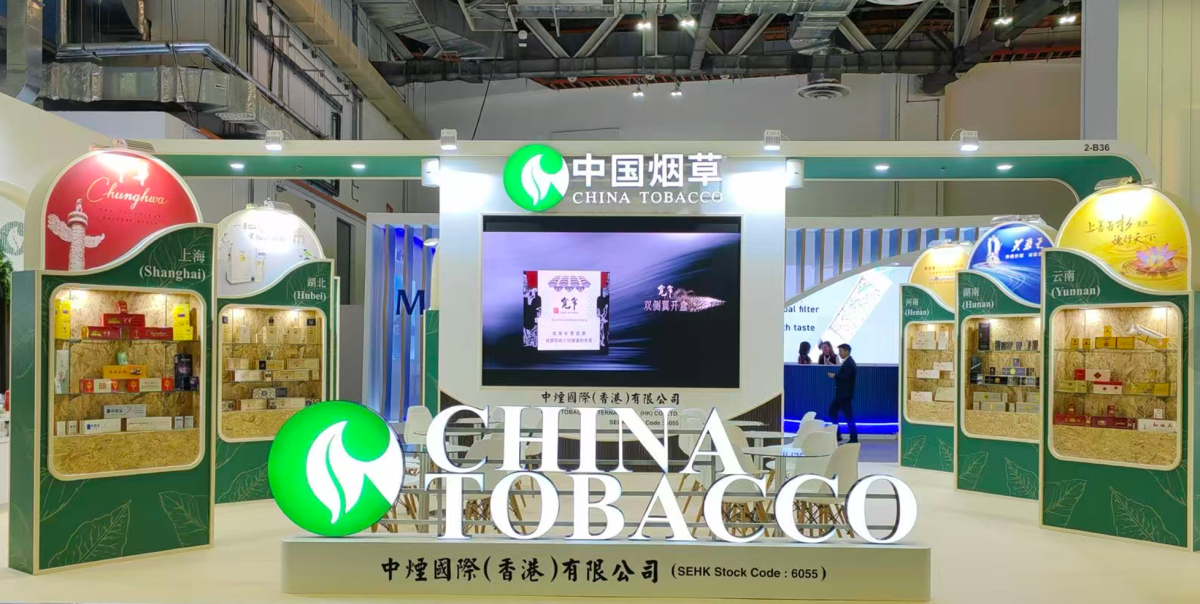
CTIHK expects first-half 2026 revenue to fall 25%-30%, mainly due to lower tobacco leaf imports and delayed cigarette shipments to China’s domestic duty-free market. Its 2025 revenue mix—nearly 90% from tobacco leaf-related businesses and less than 1% from new tobacco products—shows continued exposure to traditional supply chains and trade variables.
Jun.18
U.S. Convenience Stores Rebalance Backbar as Nicotine Pouches Outpace Cigarettes
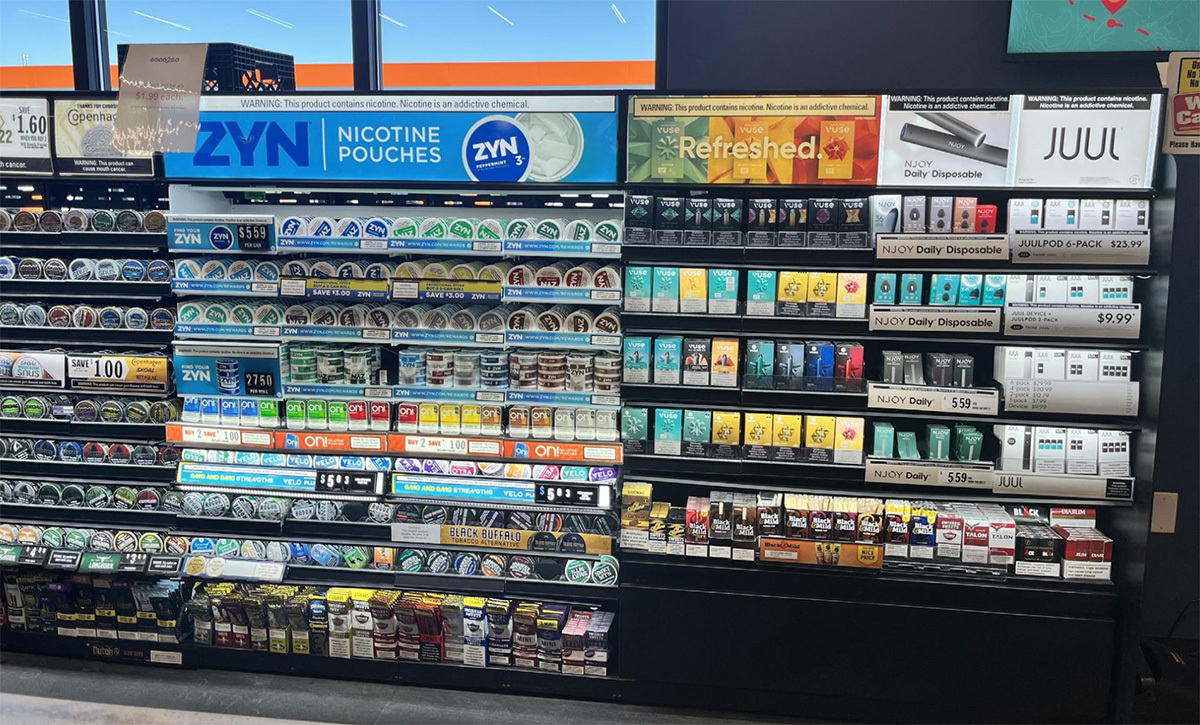
As cigarette volumes continue to decline, U.S. convenience-store operators are reconfiguring backbar space to accommodate modern oral nicotine products such as nicotine pouches. Industry data show nicotine pouches have become one of the fastest-growing nicotine categories while generating higher margins for retailers.
Jun.12
BAT Restructuring to Affect 9,000 Roles as Tobacco Group Pushes Cost Cuts and AI
British American Tobacco (BAT) plans to cut about 5,500 jobs globally and shift around 3,500 roles to strategic partners by the end of 2026, affecting about 9,000 roles in total, as the company seeks to simplify operations, strengthen technology capabilities and deliver £600 million in annual savings by 2028.
BAT
Jun.29
Product | JTI Expands Ploom Ecosystem as LYO Tobacco-Free Nicotine Sticks Roll Out Across Europe
Japan Tobacco International (JTI) is expanding its Ploom heated product ecosystem with LYO tobacco-free nicotine sticks. Designed specifically for Ploom devices, LYO contains nicotine but no tobacco. Public information shows that the product has gradually entered several European markets, including Spain, Portugal and Germany, and was officially introduced in Romania in July 2026. The launch highlights JTI’s efforts to explore broader nicotine consumable formats beyond traditional tobacco-based sticks.
JTI
Jul.21 by 2Firsts Perspectives