On January 22nd, Philip Morris International (PMI) announced on its official website that an independent investigation commissioned by the company and conducted by Povaddo in 10 countries across Africa, the Americas, Asia, and Europe, revealed in a white paper titled "Innovation Under Pressure: Harnessing Complexity to Drive Change" that the majority of people believe innovation has the potential to address key issues in the next 10 to 20 years.
The survey results indicate that innovation faces many challenges in driving social change, including misleading information, outdated biases, and policymakers struggling to keep pace with rapid technological advancements. About 80% of respondents believe that misleading information weakens the application of crucial innovations, while 90% of respondents agree that it is crucial for the government to ensure that the public has access to accurate innovation information and to establish clear and fair regulatory measures.
A survey showed that approximately three-quarters (71%) of respondents believe that disruptive innovation can promote the development and deployment of vaccines, while nearly two-thirds (62%) believe that innovation can ensure everyone has access to high-quality and affordable healthcare services. However, there is a significant divergence of opinion on whether innovation can reduce smoking rates (49%) and illegal drug use (43%), reflecting the complexity and stubbornness of these issues.
While the public is optimistic about the opportunities brought by technology and innovation in the coming years (76% agree), the majority of people (74%) also agree that discussions around new innovations have become polarized, leading to consumer confusion. Furthermore, in these 10 countries, eight in ten citizens believe that misleading information is hindering progress.
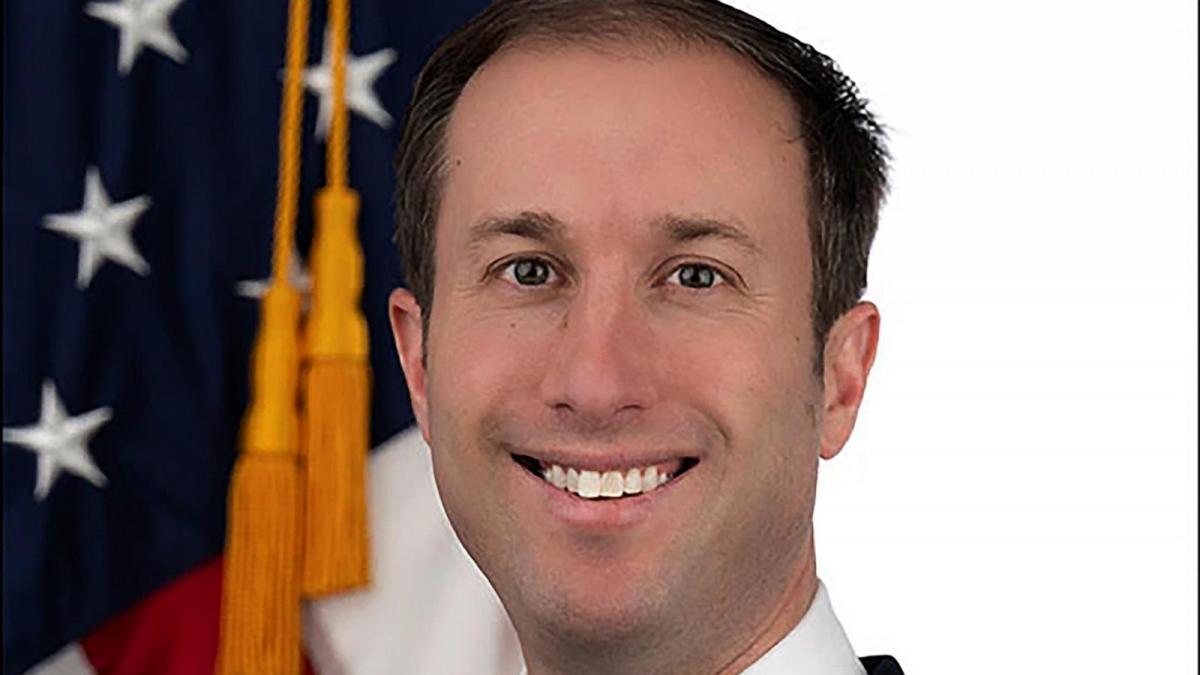
The CEO of PMI, Jacek Olczak, stated that the company is committed to creating healthier alternatives to cigarettes through scientific and technological innovation, with a focus on global public health. However, the progress of innovation is often hindered by misunderstandings. Olczak emphasized that before dismissing the possibility of innovation, especially policymakers, should take the time to review scientific and public health evidence and make decisions based on facts rather than outdated assumptions.
The evidence supporting smoke-free alternatives to cigarettes is increasing, as seen in countries like Sweden with the lowest smoking rates in Europe, or Japan where smoking rates have decreased by 45% since introducing heated tobacco products in 2014. In other industries, accepting such innovation and allowing it to replace more harmful products is considered common sense. A small minority of opponents should not hinder the progress of around 1 billion adult smokers worldwide and public health.
Roughly two-thirds of survey participants (64%) are concerned that the pace of technological change is too fast for society and the economy to adapt. Respondents also pointed out a lack of information about the pros and cons of these innovations, public skepticism and distrust (often driven by social media), and thorny ethical issues. The public is looking to the government to take action and accelerate the adoption of advancements that can have a positive impact. The vast majority (90%) of respondents believe that it is very important for the government to ensure that the public has access to accurate information and establish clear and fair regulations. In addition, 87% emphasized the government's responsibility to address the challenge of misleading information, 83% highlighted the importance of public-private sector collaboration, and 82% believed it is necessary to promote open and balanced public debate on emerging innovations.
PMI calls on governments, public health institutions, and civil society to embrace proactive change and engage in constructive dialogue based on science and evidence.
The methodology of this survey is based on an international survey conducted by Povaddo from December 13th to 27th, 2024. The survey included 10,250 ordinary citizens aged 21 and above in 10 countries: Argentina, Brazil, France, Italy, Mexico, South Africa, South Korea, Spain, the United Kingdom, and the United States. The overall margin of error for the survey results is ±1%.
We welcome news tips, article submissions, interview requests, or comments on this piece.
Please contact us at info@2firsts.com, or reach out to Alan Zhao, CEO of 2Firsts, on LinkedIn
Notice
1. This article is intended solely for professional research purposes related to industry, technology, and policy. Any references to brands or products are made purely for objective description and do not constitute any form of endorsement, recommendation, or promotion by 2Firsts.
2. The use of nicotine-containing products — including, but not limited to, cigarettes, e-cigarettes, nicotine pouchand heated tobacco products — carries significant health risks. Users are responsible for complying with all applicable laws and regulations in their respective jurisdictions.
3. This article is not intended to serve as the basis for any investment decisions or financial advice. 2Firsts assumes no direct or indirect liability for any inaccuracies or errors in the content.
4. Access to this article is strictly prohibited for individuals below the legal age in their jurisdiction.
Copyright
This article is either an original work created by 2Firsts or a reproduction from third-party sources with proper attribution. All copyrights and usage rights belong to 2Firsts or the original content provider. Unauthorized reproduction, distribution, or any other form of unauthorized use by any individual or organization is strictly prohibited. Violators will be held legally accountable.
For copyright-related inquiries, please contact: info@2firsts.com
AI Assistance Disclaimer
This article may have been enhanced using AI tools to improve translation and editorial efficiency. However, due to technical limitations, inaccuracies may occur. Readers are encouraged to refer to the cited sources for the most accurate information.
We welcome any corrections or feedback. Please contact us at: info@2firsts.com