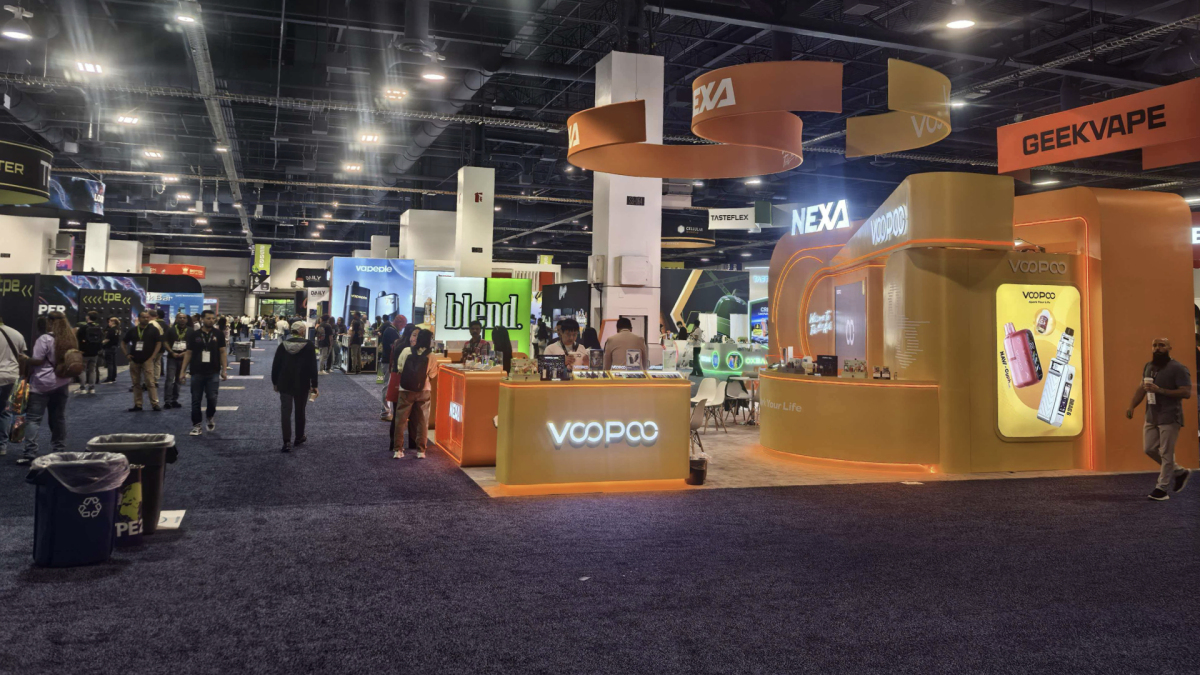
In recent years, the global electronic vaporizer market has experienced rapid development. Southeast Asia has become the "new favorite" of the electronic vaporizer industry due to its large population base and market development potential. According to Euromonitor data, it is estimated that by 2023, the total volume of the Southeast Asian electronic cigarette market will grow by 29%, reaching 766 million US dollars.
Indonesia, the second-largest tobacco market in Asia with a user base of 56.3 million, has a wide market development potential. Additionally, there is an increasing desire among locals to use electronic vapor products, which creates a vast potential customer base.
The market size has exceeded 200 million yuan and the "investment fever" is heating up.
In 2019, the total market value of electronic vaporizer products in six Southeast Asian markets, including Malaysia, Indonesia, Philippines, and Vietnam, amounted to $595 million. Indonesia, in particular, represented a mature market with a value of $227 million for electronic vaporizer products.
However, according to a report by 6Wresearch, the supply chain and production of electronic cigarettes in Indonesia were disrupted due to the impact of the COVID-19 pandemic, leading to a decline in the Indonesian electronic cigarette market in 2020. Nevertheless, the market has rebounded in 2021, with the Indonesian market reaching a value of $239 million, an 8% increase from 2020.
Indonesia is considered a mature market in Southeast Asia, but local policies are favorable for long-term development. According to 6Wresearch, the electronic cigarette market in Indonesia is expected to continue growing from 2022 to 2028.
According to data from the Southeast Asia Tobacco Control Alliance, by 2020, Indonesia's top five tobacco companies controlled nearly 90% of the cigarette market in the country. Sampoerna led the market with a 32.5% share, followed by Gudang Garam Group at 27.5%, Djarum at 18.7%, Bentoel at 8%, and Indonesia Tobacco Company with a 3% market share. The remaining 10.3% market share was shared by approximately 500 small and medium-sized tobacco producers.
Jinjia Group recently announced that its subsidiary Jiaju Electronics plans to invest 3 billion Indonesian rupiah (approximately RMB 13.5 million) in its overseas subsidiary, Indonesian Jinjia New Tobacco. According to informed sources, due to Indonesia's favorable policies and transportation advantages for electronic cigarettes, there is currently a surge of investment in Indonesian electronic cigarettes, and most domestic manufacturers are eager to develop the Southeast Asian market.
REGULATION NOT YET PERFECT, ENTERPRISE GROWTH POTENTIAL IS LARGE.
Due to the significant role of the tobacco industry in Indonesia's national economy, the country has always been cautious about tobacco control. Indonesia is also one of the few countries in the world that has not formally joined the World Health Organization's Framework Convention on Tobacco Control.
In terms of taxation, the Indonesian government has classified non-smoking tobacco products as other processed tobacco products. These include nasal snuff, chewing tobacco, electronic cigarettes, and heated tobacco. The tax rate for all other processed tobacco products is 57%.
Apart from regulations on import and consumption taxes, Indonesia has not yet introduced specific and comprehensive regulations on new tobacco products. Different regulatory agencies also have varying attitudes towards these products, and related policies have not been fully coordinated.
Retail sales through multiple channels, including online, are expected to continue to grow over the next six years.
Indonesia is the second-largest tobacco market in Asia, with a population of over 255 million. Around two-thirds of Indonesian men consume tobacco-related products, indicating a sizable market. According to tobacco statistics, Indonesia has 53.7 million adult smokers and 2.6 million teenage smokers, totaling 56.3 million people. It is estimated that Indonesian smokers spend around 5%-7% of their monthly income on purchasing cigarettes or other tobacco products. 6Wresearch predicts that the electronic cigarette market in Indonesia is expected to grow substantially between 2022 and 2028.
In Indonesia, electronic cigarette products are primarily sold through online platforms (35.3%) and retail stores (64.7%). With a large population of youths, Instagram (INS) is a popular social media platform in the country, and Indonesia ranks second in terms of the number of posts related to e-cigarettes and similar products shared on the platform. Throughout the forecast period from 2020 to 2026, Indonesia is expected to drive growth in the e-cigarette market by increasing distribution channels through large retail stores and implementing active promotional campaigns.
In addition, Harris Siajian from the Indonesia Development Foundation believes that electronic cigarettes will be successful in the Indonesian market. This is due to Indonesia having a population of over 200 million, with approximately 52 million belonging to the educated middle class. Suitable brand ambassadors, convenient products, and affordability play a very important role in the success of electronic cigarette sales.
Indonesia is one of the countries leading the global trend in electronic cigarettes. The e-cigarette market has become one of the most important markets in the country and it is showing promising growth, despite being in its early stages and having few manufacturers and distributors. This indicates that the future of the e-cigarette market is very promising.
References: 1. Indonesia E-Cigarette Market (2022-2028) 2. Status and Development of Indonesia's Tobacco Consumption Market.
Article by Zhu Lihong
This document has been generated through artificial intelligence translation and is provided solely for the purposes of industry discourse and learning. Please note that the intellectual property rights of the content belong to the original media source or author. Owing to certain limitations in the translation process, there may be discrepancies between the translated text and the original content. We recommend referring to the original source for complete accuracy. In case of any inaccuracies, we invite you to reach out to us with corrections. If you believe any content has infringed upon your rights, please contact us immediately for its removal.