Key Points
- A U.S. appeals court ruled that BAT must face a class action lawsuit over cigarette labels.
- The ruling allows the case to proceed and does not establish liability.
- The lawsuit involves consumer claims related to cigarette labeling and disclosures.
- Tobacco companies continue to face product liability and consumer litigation risks.
- Legal proceedings remain a key compliance challenge for the tobacco industry.
2Firsts
July 31, 2026
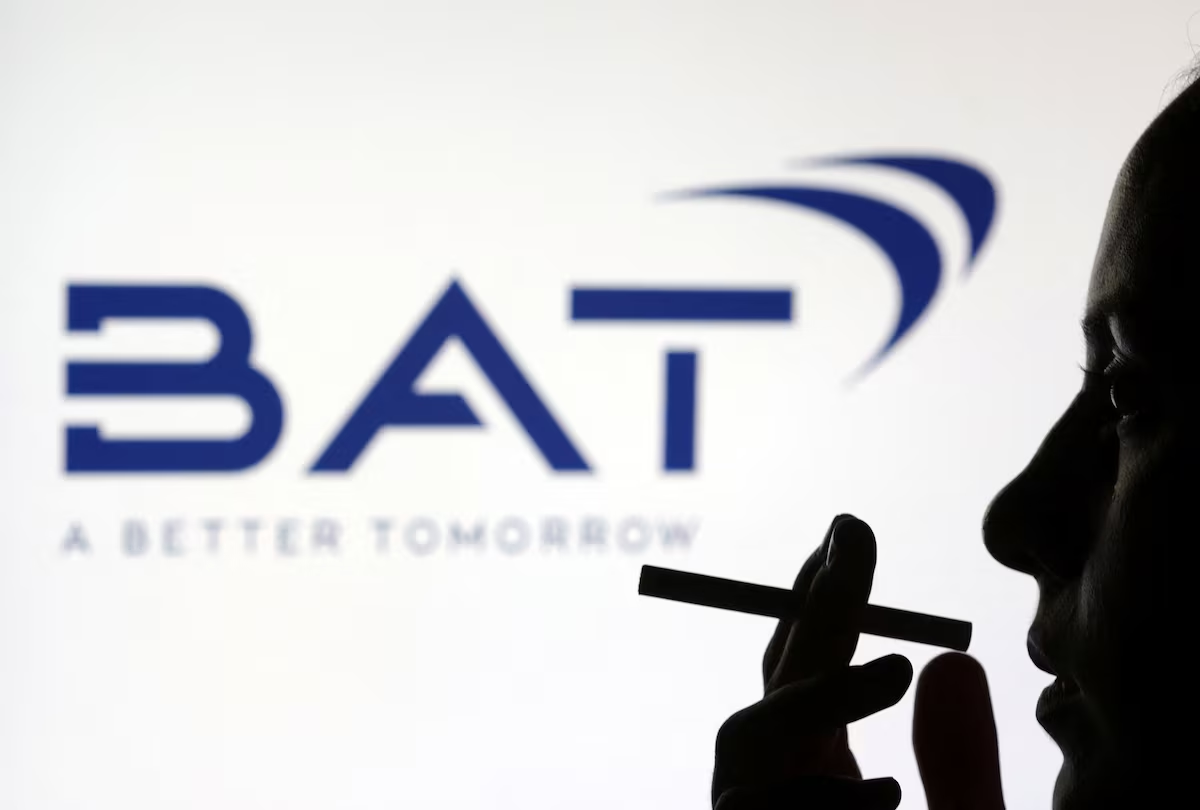
According to Reuters on July 29, 2026, a U.S. federal appeals court ruled that British American Tobacco (BAT) entities must continue facing a consumer class action lawsuit related to cigarette labels.
The decision allows the case to move forward but does not mean the court has determined that BAT violated the law or that the company is liable for damages.
The case highlights continued legal risks facing tobacco companies in areas including product labeling, consumer disclosures and corporate responsibility.
U.S. Court Allows BAT Cigarette Label Lawsuit to Continue
According to Reuters, the case centers on claims related to cigarette labels used by BAT-related entities.
The plaintiffs filed a class action lawsuit challenging aspects of the companies’ labeling and disclosure practices.
The appeals court ruled that the case could proceed, reversing or modifying an earlier procedural decision that had prevented further litigation.
The court has not yet ruled on whether the allegations are valid or whether BAT should face liability.
Class Action Proceeding Does Not Establish Liability
In the U.S. legal system, allowing a class action lawsuit to proceed generally means that the claims have met procedural requirements for further review.
The decision does not mean:
- the defendant has been found liable;
- the plaintiffs’ claims have been proven;
- damages must be paid.
For BAT, the next stages of litigation will focus on the allegations, evidence and legal arguments presented by both sides.
Tobacco Companies Continue to Face Product Liability Risks
Cigarette labeling, health disclosures and consumer communications have long been major legal risk areas for tobacco companies.
Large tobacco companies have faced:
- product liability lawsuits;
- consumer class actions;
- disputes over labeling and marketing compliance.
As regulators and consumer groups continue examining tobacco product information, companies face increasing expectations around transparency and legal compliance.
BAT Continues Business Transformation Amid Regulatory Pressure
BAT has continued shifting its portfolio from traditional tobacco toward newer nicotine products.
The company’s portfolio includes:
- heated tobacco products;
- vaping products;
- nicotine pouches and other nicotine alternatives.
However, combustible tobacco remains an important part of BAT’s global business, meaning the company continues to face legal and regulatory risks associated with traditional cigarette products.
The outcome of the lawsuit will be watched by the tobacco industry as companies continue managing legal exposure and consumer communication strategies in the U.S. market.
Follow 2Firsts for the latest updates on global tobacco and nicotine regulation, industry developments and market trends.
Cover Image source: Reuters
Disclaimer
This article is provided solely for professional research, industry discussion, and informational purposes. Any references to brands, companies, products, technologies, or policies are made for factual reporting and analytical purposes only, and do not constitute endorsement, recommendation, promotion, or advertising by 2Firsts.
Nicotine-containing products, including but not limited to cigarettes, e-cigarettes, heated tobacco products, and nicotine pouches, carry significant health risks. Readers are responsible for complying with all applicable laws and regulations in their respective jurisdictions, including age restrictions and access limitations.
The information contained in this article should not be regarded as investment, legal, medical, regulatory, or commercial advice. While 2Firsts strives to ensure the accuracy and reliability of its content, it does not assume liability for any direct or indirect loss arising from errors, omissions, inaccuracies, or reliance on the information contained herein.
This article is not intended for individuals below the legal age for accessing tobacco or nicotine-related information in their jurisdiction.
Copyright Notice
This article is either original content produced by 2Firsts or content reproduced, translated, summarized, or adapted from third-party sources with attribution where applicable. The intellectual property rights of the original content remain with 2Firsts or the respective original rights holders.
No individual or organization may copy, reproduce, distribute, republish, modify, translate, or otherwise use this content without prior authorization. Any unauthorized use may result in legal action.
For copyright-related inquiries, corrections, or removal requests, please contact: info@2firsts.com.
AI-Assisted Translation and Editing Notice
Portions of this article may have been translated, edited, or reviewed with the assistance of artificial intelligence tools to improve efficiency and readability. Due to the limitations of AI-assisted translation and editing, discrepancies, omissions, or inaccuracies may exist when compared with the original source.
Where applicable, readers are advised to refer to the original source for the most complete and accurate information. If you identify any errors or believe that any content infringes upon your rights, please contact us at info@2firsts.com, and we will review and address the matter promptly.