Key Points
- The campaign prevented about 444,000 youth initiations.
- FDA estimated over $42 million in illegal sales were blocked.
- The AJPM special issue includes 12 peer-reviewed papers.
- FDA plans to expand adult harm-reduction communication.
2Firsts
June 25, 2026
According to the U.S. Food and Drug Administration (FDA), the American Journal of Preventive Medicine (AJPM) has published a special issue on FDA’s “The Real Cost” youth tobacco prevention campaigns. FDA said the studies show measurable impact in preventing youth from starting e-cigarette use and reducing illegal e-cigarette sales.
Measurable Campaign Impact
FDA said the AJPM special issue, titled “A Decade of Innovations and Insights from FDA’s ‘The Real Cost’ Campaigns and Youth Prevention Efforts,” includes 12 peer-reviewed papers by FDA scientists and external researchers, as well as a commentary by Bret Koplow, acting director of FDA’s Center for Tobacco Products (CTP).
One peer-reviewed study in the issue found that “The Real Cost” youth e-cigarette prevention campaign prevented an estimated 444,252 U.S. youth from starting e-cigarette use between 2023 and 2024. FDA said that, based on this finding, the campaign also blocked more than $42 million in unauthorized e-cigarette sales that would have been used by youth.
The study was previously published in AJPM. Its results showed that higher youth exposure to “The Real Cost” e-cigarette prevention ads was associated with lower likelihood of later e-cigarette initiation. For every unit increase in the exposure index, the probability of initiation fell by 6%. The estimate had a confidence interval of 73,639 to 814,866 youth.
FDA quoted acting CTP Director Bret Koplow as saying the creativity and scientific rigor of the campaign showed that evidence-based public education “can fundamentally change how people think about tobacco products.”
“The Real Cost” launched in 2014 to prevent youth cigarette use and expanded in 2018 to address rising youth e-cigarette use. FDA said the campaign has evolved alongside changes in teen tobacco-use patterns and media consumption, shifting from broadcast television to digital platforms, social media and streaming channels.
Youth Reach and Cessation Referrals
An audience segmentation analysis in the AJPM special issue found that 75% of surveyed youth reported seeing at least one e-cigarette prevention ad during the study period. FDA said awareness was high among youth at elevated risk of tobacco use, indicating that the media strategy reached teens most in need of avoiding tobacco use and nicotine addiction.
Another paper examined how “The Real Cost” connects teens already affected by nicotine addiction to cessation help. FDA said campaign links drove more than 253,000 visits to the National Cancer Institute’s SmokefreeTeen cessation website from 2021 to 2022.
FDA also said visitors arriving at SmokefreeTeen through “The Real Cost” were more likely than other visitors to complete a Vaping Reality Check quiz and build personalized e-cigarette quit plans. More than 11,000 quit plan completions were driven by “The Real Cost” alone.
A meta-analysis of a decade of ad testing in the special issue also found that FDA tobacco prevention ads consistently and significantly shifted youth attitudes and beliefs about tobacco use. E-cigarette ads showed the largest effects on youth belief shifts. Researchers concluded this likely occurred because, when the campaign launched, many teens were not yet aware of the harms of e-cigarette use.
Prevention, Enforcement and Harm-Reduction Communication
FDA presented youth prevention education alongside illegal e-cigarette sales enforcement in the announcement. FDA said “The Real Cost” not only prevented some youth from starting e-cigarette use, but also reduced unauthorized e-cigarette sales that would have been used by youth.
The framing links public education outcomes with illegal-product market control. For the industry, youth-use prevalence, ad reach, brand exposure and illegal-product sales estimates may together shape FDA’s policy assessment and enforcement narrative.
In recent years, FDA has taken multiple enforcement actions against unauthorized e-cigarette products, including warning letters, civil money penalties, import alerts, customs seizures and joint actions with federal and state partners. The campaign’s “blocked sales” estimate may further support FDA’s linkage of youth prevention with unauthorized-product enforcement.
FDA also said that while preventing youth tobacco use remains a priority for the public education program, opportunities exist to improve the health of adults who smoke. FDA said CTP is exploring expanding educational efforts to people who can influence adults who smoke, including by encouraging cessation or raising awareness of ways to reduce harms from tobacco use.
FDA said CTP is committed to accurate, responsible tobacco harm-reduction communication that improves the health of adults who smoke without compromising youth prevention gains. For the nicotine industry, this language is notable: in the same announcement, FDA emphasized youth prevention, illegal e-cigarette sales control and adult harm-reduction communication, suggesting that its public education policy may evolve from youth prevention alone toward a broader risk-communication framework.
Key issues to watch include whether FDA releases more specific education campaigns, ad materials or policy guidance related to harm-reduction communication for adults who smoke, and whether such communication further differentiates between lawfully authorized products, unauthorized products, e-cigarettes, nicotine pouches and other novel nicotine products.
Follow 2Firsts for the latest updates on global tobacco harm reduction, nicotine products and regulatory developments.
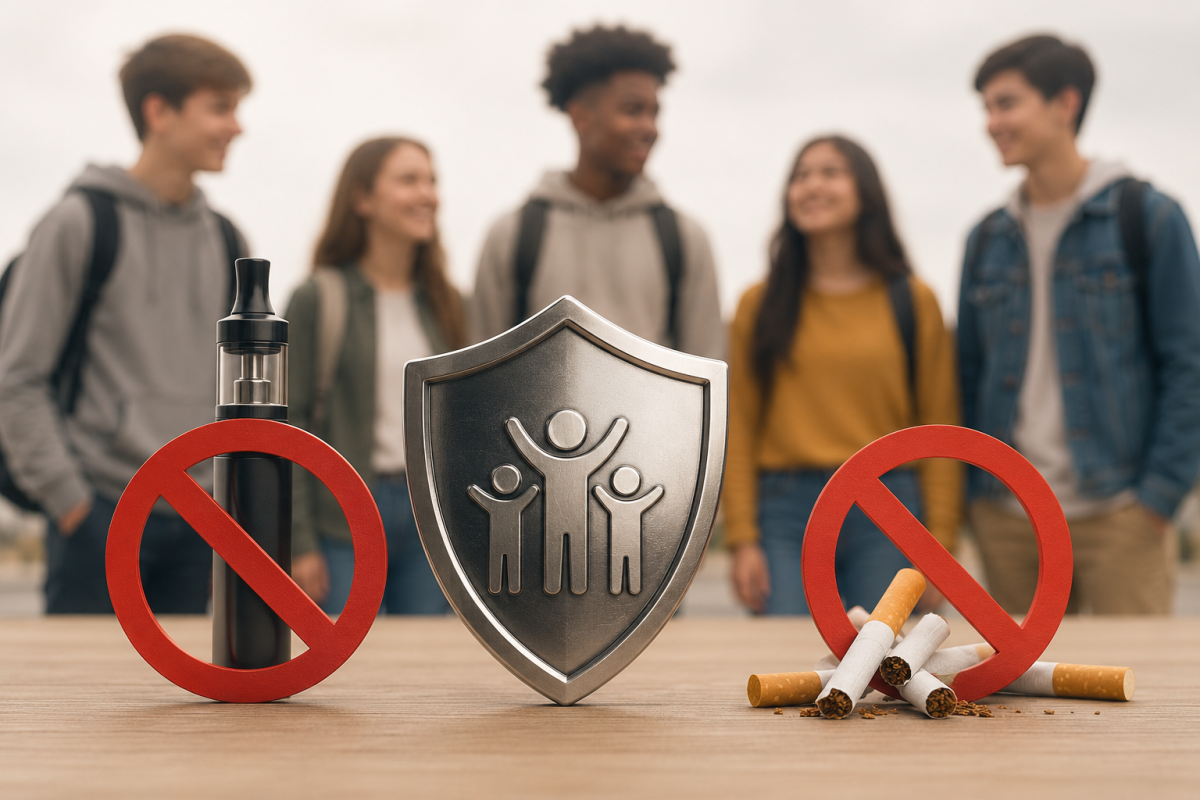
封面图源:generated by AI
Cover image:generated by AI