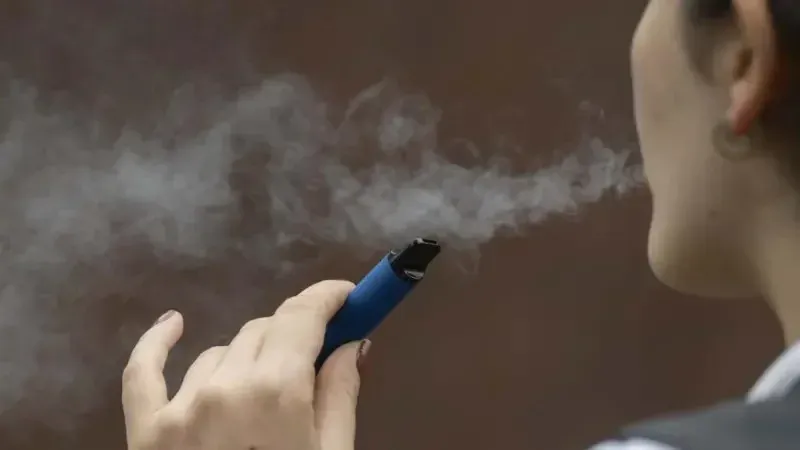
According to VAPING360, the US Supreme Court has overturned a decades-old precedent that nearly gave federal agencies an insurmountable advantage in defending their regulations against legal challenges. The court's decision in Loper Bright Enterprises v. Raimondo (and a related case, Relentless v. Department of Commerce) could impact pending challenges in the e-cigarette industry against FDA regulations, potentially leading to changes in how the FDA regulates e-cigarette products.
The Supreme Court's decision overturned the Chevron doctrine based on the 1984 case of Chevron v. Natural Resources Defense Council. The Chevron doctrine held that as long as an agency's interpretation is reasonable, the court should defer to the "expertise" of federal agencies in interpreting ambiguous laws that the agency needs to implement.
This decision could potentially impact legal challenges to the FDA's interpretation of the 2009 Family Smoking Prevention and Tobacco Control Act (TCA), which grants the agency broad authority to regulate nicotine and tobacco products. The TCA does not specifically mention e-cigarette products, which were not on the market in the United States when the law was passed.
However, the FDA used a provision in the Tobacco Control Act to issue the 2016 "Deeming Rule," granting the agency regulatory authority over e-cigarettes, nicotine pouches, and other products not described in the 2009 legislation. The "Deeming Rule" establishes a system for manufacturers to submit market applications for e-cigarettes and other nicotine products.
When the FDA received a large number of pre-market tobacco applications (PMTAs) from small e-cigarette manufacturers and realized it was unable to individually consider them as required by the Tobacco Control Act (TCA), the agency created the so-called "deadly defects" system, allowing it to issue millions of marketing denial orders (MDOs) for flavored e-cigarette products without conducting actual scientific review.
In a friend-of-the-court brief submitted to the Supreme Court last year by a group of e-cigarette companies and trade organizations, industry lawyers explained how the FDA has used Chevron deference to create a maze of an elusive (essentially undefined) standard.
They wrote that the FDA "has taken a one-size-fits-all approach, which has dramatically tipped the scales in one direction, effectively banning all non-tobacco flavors (such as mint and fruit) of ENDS products, and in the process, focusing primarily on underage use, at the expense of adult smokers. The FDA implemented this de facto ban not by requiring Congress to amend the TCA or by establishing tobacco product standards through public notice and comment rulemaking procedures as required by the APA, but by issuing a regulation that is not based on the text, structure, and context of the TCA.
Due to the courts' tendency to view most challenges to federal agency power through the lens of Chevron deference, federal district and appellate courts have granted the FDA broad latitude to effectively ban all flavors of e-cigarettes, even when applications have been submitted, by improvising standards.
The decision of the Supreme Court in "Loper Bright" will impact how Congress writes laws, how federal agencies enforce laws, and how courts interpret laws. It could result in future court decisions partially limiting the FDA's Tobacco Products Center, forcing tobacco regulatory agencies to carefully consider the interests of adult consumers when reviewing market applications.
We welcome news tips, article submissions, interview requests, or comments on this piece.
Please contact us at info@2firsts.com, or reach out to Alan Zhao, CEO of 2Firsts, on LinkedIn
Notice
1. This article is intended solely for professional research purposes related to industry, technology, and policy. Any references to brands or products are made purely for objective description and do not constitute any form of endorsement, recommendation, or promotion by 2Firsts.
2. The use of nicotine-containing products — including, but not limited to, cigarettes, e-cigarettes, nicotine pouchand heated tobacco products — carries significant health risks. Users are responsible for complying with all applicable laws and regulations in their respective jurisdictions.
3. This article is not intended to serve as the basis for any investment decisions or financial advice. 2Firsts assumes no direct or indirect liability for any inaccuracies or errors in the content.
4. Access to this article is strictly prohibited for individuals below the legal age in their jurisdiction.
Copyright
This article is either an original work created by 2Firsts or a reproduction from third-party sources with proper attribution. All copyrights and usage rights belong to 2Firsts or the original content provider. Unauthorized reproduction, distribution, or any other form of unauthorized use by any individual or organization is strictly prohibited. Violators will be held legally accountable.
For copyright-related inquiries, please contact: info@2firsts.com
AI Assistance Disclaimer
This article may have been enhanced using AI tools to improve translation and editorial efficiency. However, due to technical limitations, inaccuracies may occur. Readers are encouraged to refer to the cited sources for the most accurate information.
We welcome any corrections or feedback. Please contact us at: info@2firsts.com