Key Points
- Wisconsin has prohibited the sale of required vaping products not listed on its state directory since Sept. 1, 2025.
- Johnny Vapes owner Ben Hall said he has closed four of seven stores and reduced staffing by about 70%; the figures are company-reported and are not statewide data.
- Retailers and manufacturers that sell unlisted devices may face a $1,000-per-day forfeiture for each device, while products may also be seized and destroyed.
- The Seventh Circuit ruled in April 2026 that federal tobacco law does not preempt Wisconsin from imposing additional restrictions on tobacco-product sales.
2Firsts
October 10, 2026
According to an Oct. 6 report by The Badger Herald, vape retailers in Wisconsin say sales have fallen and some stores have closed or cut staff more than a year after the state's electronic vaping device directory became fully enforceable.
Under Wisconsin Department of Revenue rules, since Sept. 1, 2025, electronic vaping devices required to appear on the state's Electronic Vaping Device Directory cannot be sold or offered for sale unless they are listed. Retailers and manufacturers that sell unlisted products can face forfeitures of $1,000 per day for each device, while noncompliant products may also be seized and destroyed.
Retailer Reports Four Store Closures and 70% Staff Reduction
Ben Hall, owner of Johnny Vapes and treasurer of the industry group Wisconsinites for Alternatives to Smoking and Tobacco, or WiscoFAST, told The Badger Herald that he has closed four of his seven locations in northeastern Wisconsin and cut about 70% of his staff since the restrictions took effect.
Hall said some customers have shifted purchases to neighboring Illinois and Michigan or to online sellers. He said he plans to open a location in Michigan, following customers who have begun crossing state lines for products.
The store-closure, employment and customer-migration figures are based on Hall's account. Wisconsin has not published statewide statistics showing the number of vape shops or jobs lost specifically because of the directory.
Seth Blackstone, general manager of Puffin Pass on State Street in Madison, also told the newspaper that the law blocked roughly 10 to 15 devices previously carried by the store and had reduced product choice.
Only Listed Devices May Be Sold in Wisconsin
Wisconsin's Department of Revenue maintains the state's Electronic Vaping Device Directory.
The state's definition of an electronic vaping device covers not only e-cigarette hardware but also components, parts, accessories, liquids and other substances that may be aerosolized or vaporized for inhalation. Certain separately sold batteries and chargers are excluded.
Manufacturers must certify products annually with the Department of Revenue and pay a $500 application fee for each device. Different flavors and concentrations generally require separate certifications and separate fees.
Only devices appearing on the directory may be sold or offered for sale in Wisconsin.
For nicotine products, eligibility generally includes products with FDA marketing authorization and certain preexisting products that meet statutory PMTA-related requirements.
Shortly before enforcement began, the Department of Revenue said on Aug. 28, 2025, that 216 vaping products were listed on the directory.
$1,000-Per-Day Penalty Applies Per Device
Wisconsin's Department of Revenue says that beginning Sept. 1, 2025, a retailer or manufacturer selling or offering for sale a device that must be listed but is not on the directory may be assessed a forfeiture of $1,000 per day for each device.
Products sold, offered for sale or possessed for sale in violation of the law can also be deemed contraband, seized and destroyed.
When a previously listed device is removed from the directory, retailers, distributors and wholesalers generally have 21 days to sell through, return or otherwise remove the affected inventory.
The Badger Herald quoted Hall as saying he had heard of penalties ranging from $3 million to $91 million involving small businesses in northeastern Wisconsin. The article did not cite Department of Revenue enforcement orders or other official records confirming those figures.
Hemp Devices Added to State Directory System
Wisconsin amended the directory law in 2025 to establish a separate certification pathway for electronic vaping devices that contain hemp but no nicotine.
Beginning in July 2026, those products also became subject to directory requirements. Manufacturers must submit a certificate of analysis from an independent laboratory demonstrating that the device contains hemp as defined by Wisconsin law and does not contain nicotine.
Beginning Sept. 1, 2026, manufacturers and retailers selling unlisted hemp devices may also face the $1,000-per-day, per-device forfeiture.
The Badger Herald reported that Johnny Vapes and Puffin Pass have seen growing use of products containing hemp-derived substances or other nicotine alternatives.
Hemp content alone does not make a product automatically eligible for sale; qualifying devices must still satisfy the state's directory requirements.
Seventh Circuit Allowed Enforcement to Continue
Before the directory restrictions took full effect, WiscoFAST and a group of manufacturers, distributors, retailers and consumers filed a federal lawsuit seeking to block enforcement.
The plaintiffs argued that federal law governing FDA premarket review preempted the Wisconsin restrictions and also raised an Equal Protection Clause challenge.
The U.S. District Court for the Western District of Wisconsin denied their request for a preliminary injunction.
On April 21, 2026, the U.S. Court of Appeals for the Seventh Circuit affirmed that decision.
The appeals court held that the federal Tobacco Control Act preserves states' authority to impose additional or more stringent requirements on tobacco-product sales and therefore does not preempt Wisconsin's sales restrictions.
The court noted that the plaintiffs had shown they could suffer irreparable business harm, but concluded that they had not demonstrated a sufficient likelihood of prevailing on their federal preemption claim to justify blocking enforcement.
Directory Restricts Access to Many Flavored Products
The Badger Herald reported that Wisconsin's legal vape market is now concentrated around products with FDA marketing authorization or products that satisfy specific PMTA-related eligibility requirements.
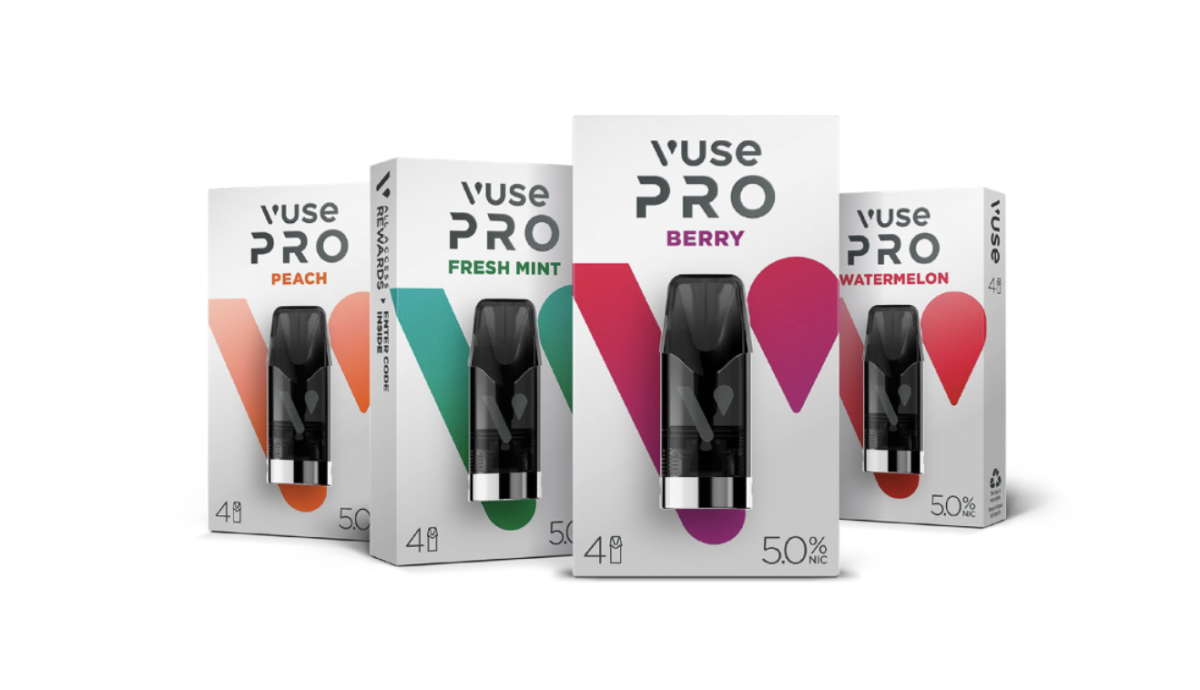
FDA marketing authorizations currently cover specific products from brands including JUUL, Vuse, NJOY and Logic.
Those orders apply only to specifically identified products. They do not mean that every product sold under those brands is authorized, and FDA marketing authorization should not be described as FDA “approval.”
Many disposable and flavored e-cigarettes sold in the broader U.S. market do not have FDA marketing authorization. Because Wisconsin ties state retail eligibility closely to federal regulatory status, many products previously carried by independent vape retailers cannot be sold through legal retail channels in the state.
Retailers interviewed by The Badger Herald attributed reduced product choice, declining sales and increased cross-border purchases to the directory. Wisconsin has not published a statewide assessment quantifying the law's effect on vape-industry sales, store counts or employment.
Wisconsin's experience shows how state product directories are becoming an additional market-access layer on top of the federal PMTA system, determining which vaping products can reach retail shelves within individual states.
Follow 2Firsts for timely updates on global tobacco and nicotine regulations, market developments and industry trends.
Cover Image: The Badger Herald