Valencia Community Extends Smoking Ban on Terraces in Spain

Regulations by 2FIRSTS.ai
Jan.25.2024
Valencia Community Extends Smoking Ban on Terraces in Spain
Valencia community extends ban on smoking on terraces, in line with Spain's plan to expand smoke-free areas.

According to Spanish media outlet Levante on January 24, the Valencian community has decided to extend the ban on smoking on terraces. This decision aligns with the plan announced by the Spanish Ministry of Health in December last year, which aims to expand smoke-free areas. The regulation has received support from the Valencian Technical Committee of the Spanish Cancer Association and the Valencian Family and Community Medicine Society (SoVaMFic).


These two organizations argue that smoking bans have already been widely accepted and normalized in the general public, especially over the past three years. They have actively raised awareness about the dangers of smoking and the impact of smoking on both smokers and non-smokers in shared spaces. They are calling for the reinstatement of this ban before the new national regulations are implemented, stating in a declaration, "We need to distance ourselves from the harmful smoke of tobacco and e-cigarettes before the new law is approved. We hope the government can support the fight against this major risk factor for cancer.


Their appeal is not only to expand smoke-free areas to protect non-smokers but also to "de-normalize" smoking behavior to prevent teenagers from imitating. This is one of the series of measures aimed at preventing teenagers from initiating smoking.


These two organizations emphasize that smoking remains Spain's largest public health issue, causing over 50,000 deaths annually and serving as a leading preventable risk factor for cancer, accounting for one-third of cases.


According to reports, despite the implementation of various government regulations aimed at controlling tobacco consumption, sales, and advertising, smoking rates in Spain remain high. The population continues to be heavily exposed to tobacco and e-cigarettes, especially in entertainment venues, leading to a continuous rise in smoking statistics in the country.


According to the 2022 "Alcohol and Other Drugs Survey" (Edades) in Spain, 33.1% of the population aged 15-64 smoke cigarettes daily, while 12.1% have tried e-cigarettes. In the region of Valencia, this percentage surpasses the national average, with approximately 42.3% of the residents being regular smokers.


A study conducted by the Spanish Association for Cancer Research reveals that 90% of smokers admit to smoking in outdoor public spaces, thus exposing their children to harmful gases and particulate matter. This behavior has a negative impact on teenagers, with those who were exposed to secondhand smoke during childhood being twice as likely to develop lung cancer in adulthood compared to others. Lung cancer remains the leading cause of mortality in the Valencia community.


These two organizations concluded after the conference, "The scientific evidence is clear: we need to eliminate smoking in order to create a smoke-free generation and reduce the risk of cancer. We hope that the Valencia community can become a pioneer in implementing this measure nationwide.


We welcome news tips, article submissions, interview requests, or comments on this piece.

Please contact us at info@2firsts.com, or reach out to Alan Zhao, CEO of 2Firsts, on LinkedIn


Notice

1.  This article is intended solely for professional research purposes related to industry, technology, and policy. Any references to brands or products are made purely for objective description and do not constitute any form of endorsement, recommendation, or promotion by 2Firsts.

2.  The use of nicotine-containing products — including, but not limited to, cigarettes, e-cigarettes, nicotine pouchand heated tobacco products — carries significant health risks. Users are responsible for complying with all applicable laws and regulations in their respective jurisdictions.

3.  This article is not intended to serve as the basis for any investment decisions or financial advice. 2Firsts assumes no direct or indirect liability for any inaccuracies or errors in the content.

4.  Access to this article is strictly prohibited for individuals below the legal age in their jurisdiction.


Copyright


This article is either an original work created by 2Firsts or a reproduction from third-party sources with proper attribution. All copyrights and usage rights belong to 2Firsts or the original content provider. Unauthorized reproduction, distribution, or any other form of unauthorized use by any individual or organization is strictly prohibited. Violators will be held legally accountable.

For copyright-related inquiries, please contact: info@2firsts.com


AI Assistance Disclaimer


This article may have been enhanced using AI tools to improve translation and editorial efficiency. However, due to technical limitations, inaccuracies may occur. Readers are encouraged to refer to the cited sources for the most accurate information.

We welcome any corrections or feedback. Please contact us at: info@2firsts.com

South Korea's Tobacco Plan Excludes 6-Methyl Nicotine as Customs Tightens Import Controls and Analog Liquid Imports Fall 83%
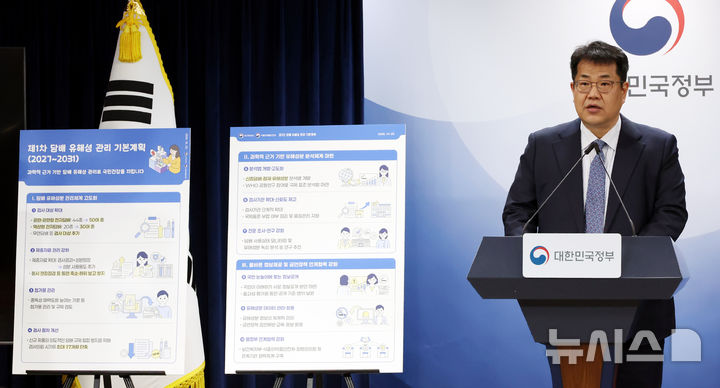
South Korea's government unveiled its first Tobacco Harm Management Basic Plan for 2027–2031 on October 29, 2026, proposing broader testing of vaping and heated tobacco products while excluding nicotine analogs such as 6-methyl nicotine. Synthetic nicotine came under tobacco regulation on April 24, and a June investigation found 6-methyl nicotine in 12 liquid inhalation products marketed as nicotine-free. Customs data released in September showed that imports of nicotine analog solutions fell 83.3%, from 12 metric tons in January–April to 2 metric tons in May–August. By September 20, imports had reached approximately 15 metric tons for the year, with 99.99% originating from China. Customs authorities have tightened pre-clearance testing and supply-chain documentation requirements, while the MFDS expects to complete its assessment of nicotine analog hazards by the end of 2026.
Regulations
Nov.04
Germany Probes 7.6 Million Illegal Vape Case With Estimated €33.3 Million Tax Loss; Four Chinese Manufacturer Employees Under Investigation, Some Packaging in Enforcement Images Resembles FUMOT Products
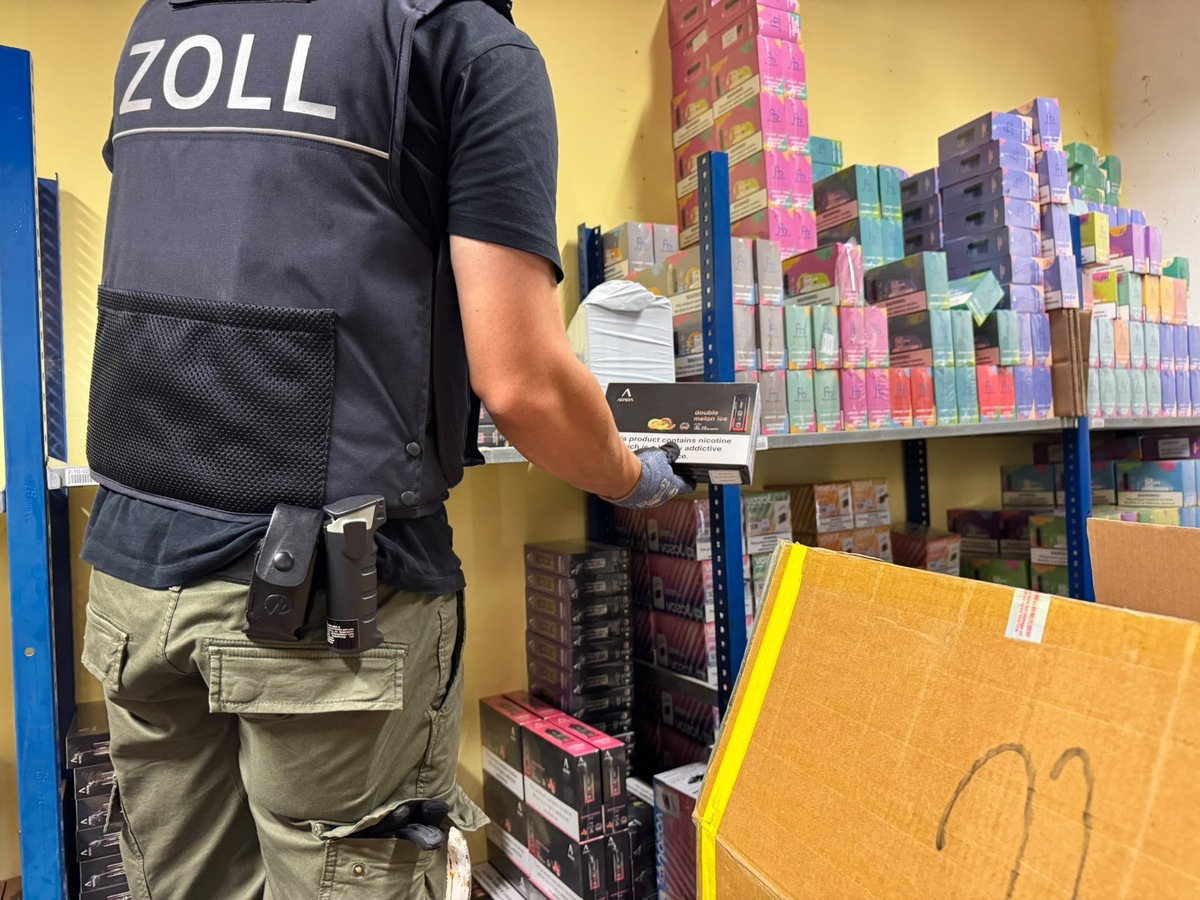
German prosecutors and customs authorities are conducting a criminal investigation into an alleged cross-border organised vape network. Authorities say that between January 2024 and March 2025, four employees of an unnamed Chinese e-cigarette manufacturer allegedly built a network of sales agents and wholesalers that brought more than 7.6 million nicotine disposable vapes into Germany, causing an estimated €33.3 million in excise-tax losses. The manufacturer has not been named. Some products visible in enforcement images have packaging resembling products from FUMOT’s portfolio. European regulatory records from 2024, FUMOT’s public overseas-sales materials and records involving German vape importer and distribution company Zamu-Pro GmbH also show FUMOT/RandM products and German distribution activity during the period covered by the investigation.
Sep.21
Philippines BIR Steps Up Illicit Vape Enforcement Ahead of Christmas Shopping
The Philippines’ Bureau of Internal Revenue is intensifying enforcement against illicit vape and tobacco products ahead of the Christmas shopping season, directing regional and enforcement offices to strengthen monitoring of production sites, warehouses, distribution channels and retail outlets. The BIR destroyed 240,550 illicit vape products in August with an estimated tax liability of about PHP1.53 billion. A nationwide tax-compliance operation in July also inspected 3,590 businesses involved in tobacco and vapor products.
Regulations
Sep.17 by 2Firsts Perspectives
Snowplus Enters Japan’s FamilyMart Network With Zero-Nicotine NEO Line and Kishidan Campaign
Snowplus distributor H&S said the zero-nicotine, zero-tar NEO vaping line will begin rolling out across FamilyMart stores in Japan from September 14, 2026, excluding some locations. The DASH line will also be sold at selected FamilyMart stores in southern Kyushu and Okinawa. Snowplus simultaneously named Japanese rock band Kishidan as a brand ambassador, combining convenience-store distribution with a broader consumer marketing push in Japan.
Sep.15
Ukraine Raises Excise Stamp Fees for Tobacco, Heated Tobacco and Vape Liquids by 30.5% as Parliament Backs E-Excise Delay to 2027
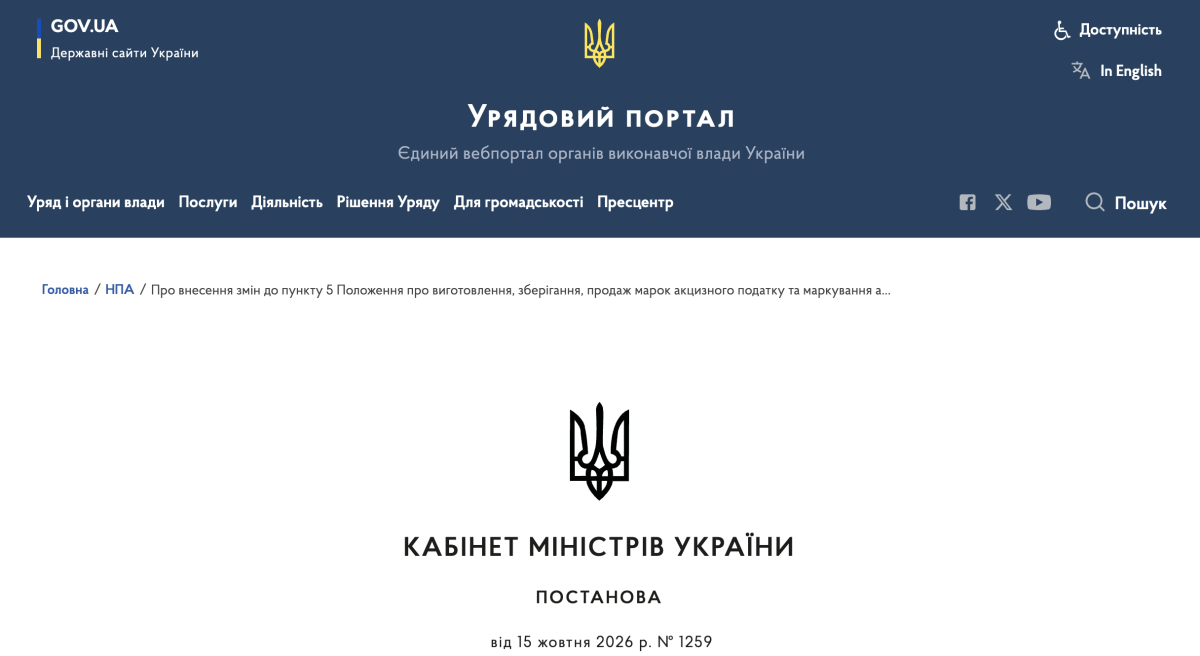
Ukraine's Cabinet of Ministers adopted Resolution No. 1259 on October 15, 2026, increasing excise stamp production fees for tobacco products and e-cigarette liquids by approximately 30.5%, from UAH 0.1643 to UAH 0.2144 per stamp. Fees for alcoholic beverages rose by about 30.2%. Separately, Ukraine's parliament passed Bill No. 15532 on October 13, proposing to postpone the full implementation of electronic excise stamps and traceability for alcohol, tobacco and e-cigarette liquids from November 1, 2026, to July 1, 2027. Parliament cited additional testing, configuration and integration requirements. The bill was sent to the president for signature on October 19.
Regulations
Oct.21
Special Report | Can Nicotine Be Replaced? 6-MN Is Already on the Market While Key Human Evidence Is Still Missing
Nicotine analogues such as 6-methylnicotine are already appearing in e-cigarettes and oral pouches, even as key human evidence remains limited. A new Nixodine-S study adds nonclinical data showing differences from nicotine in cytotoxicity and receptor activity, while independent studies point to a more complex toxicological picture. With supply-chain activity growing and FDA seeking clearer authority over nicotine analogues, the industry now faces a larger question: what evidence is needed before these substances can credibly replace nicotine?
SCIENCE
Sep.23