Key Points
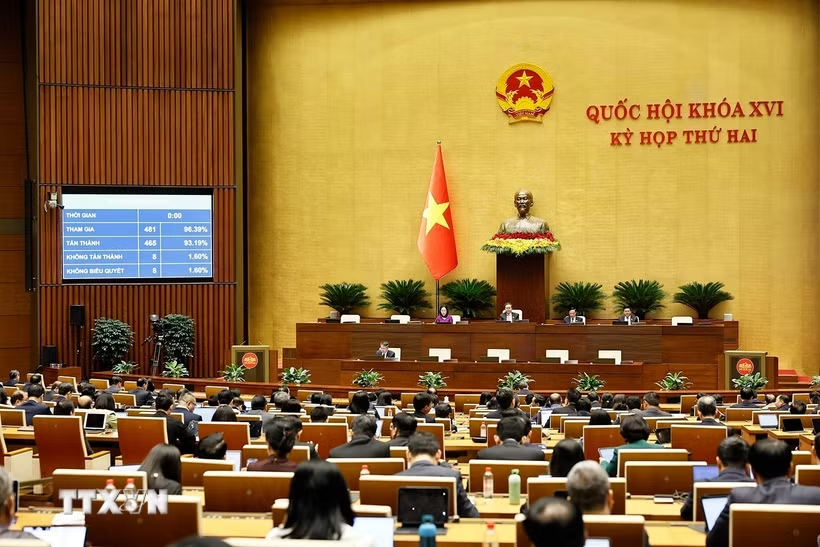
- 465 votes in favour: Vietnam's National Assembly adopted amendments to its tobacco control law on November 21, with 465 of 481 participating lawmakers voting in support.
- Expanded product coverage: The legislation explicitly prohibits specified activities involving e-cigarettes, heated tobacco products, nicotine pouches, shisha and similar products.
- Existing restrictions codified: Vietnam introduced nationwide bans on e-cigarettes and heated tobacco products in 2025 and formally added them to prohibited import and export lists in July 2026.
- Stricter conventional tobacco controls: The amendments restrict consumer-facing online sales and retail displays while introducing tighter domestic production and import-volume management.
2Firsts
November 23, 2026
Vietnam's National Assembly approved amendments to the country's Law on Prevention and Control of Tobacco Harm on November 21, incorporating existing bans on electronic cigarettes and heated tobacco products into the law while explicitly extending restrictions to nicotine pouches, shisha and related products, according to the government information portal and the Vietnam News Agency.
The legislation received 465 votes in favour among 481 participating lawmakers, with eight voting against and eight not casting votes. Most provisions will take effect on July 1, 2027, although certain measures have separate implementation dates.
Vietnam has prohibited e-cigarettes and heated tobacco products since 2025 and formally added the two categories to its prohibited import and export lists in July 2026.
The latest amendments further define prohibited products and activities while tightening rules governing conventional tobacco sales, retail displays and supply.
Prohibitions Extended to Nicotine Pouches, Shisha and Similar Products
The legislation substantially revises Article 9 of the existing tobacco control law, which specifies prohibited activities.
The updated provisions prohibit manufacturing, trading, purchasing, selling, storage, transportation, export, import, transit, temporary import for re-export, entrepot trade and harbouring of covered products.
The categories include e-cigarettes, heated tobacco products, nicotine pouches, shisha, counterfeit tobacco products and products designed to imitate cigarettes or cigarette packaging.
Products with structures, functions and methods of use similar to e-cigarettes or heated tobacco products are also covered.
The restrictions extend to associated electronic equipment, material-containing components and dedicated materials used for the covered products, subject to exceptions permitted by law.
The amendments broaden legal definitions of tobacco and related materials to include nicotine-containing substances and substitutes used in tobacco products, while providing more specific definitions of e-cigarettes and heated tobacco products.
Nicotine pouches are explicitly included among the regulated categories. Their inclusion under tobacco control legislation does not mean that all nicotine pouches contain tobacco leaf.
Use of e-cigarettes, heated tobacco products, nicotine pouches, shisha and other covered products is also prohibited.
The law retains restrictions on tobacco advertising, promotions and direct-to-consumer marketing.
From the 2025 Ban to the 2026 Legislative Amendments
Vietnam's restrictions on e-cigarettes and heated tobacco products predate the latest legislation.
On November 30, 2024, the 15th National Assembly adopted Resolution No. 173/2024/QH15, establishing a prohibition from 2025 on the manufacture, trading, importation, storage, transportation and use of e-cigarettes and heated tobacco products.
The restrictions took effect on January 1, 2025. The government subsequently introduced administrative measures and issued Decision No. 1665/QĐ-TTg on August 5, 2025, setting out an implementation plan for the parliamentary resolution.
On July 22, 2026, Vietnam issued Decree No. 292/2026/NĐ-CP, detailing provisions of the Law on Foreign Trade Management.
Annex I of the decree explicitly included e-cigarettes and heated tobacco products among goods prohibited from export and import.
The amendments adopted on November 21, 2026, incorporate the existing restrictions into the tobacco control law while explicitly extending coverage to nicotine pouches, shisha, similar products and associated equipment and materials.
The revised legislation provides more detailed legal provisions for identifying and regulating different product categories and related commercial activities.
Online Sales and Retail Displays Restricted as Supply Controls Tighten
The amendments also change rules governing conventional tobacco sales and distribution.
According to information published by an agency under Vietnam's Ministry of Industry and Trade on November 22, the legislation prohibits consumer-facing tobacco sales through e-commerce platforms and other electronic transaction channels.
Specified transactions between legally authorised tobacco businesses remain exempt.
The law also generally prohibits the display of tobacco products, packaging, images and branding at physical points of sale and in electronic environments, except where permitted by the government.
Previously, retailers were allowed to display one pack, carton or box of each tobacco brand.
Under the revised rules, retailers will have a six-month transition period beginning when the law takes effect to adjust their displays.
The law continues to prohibit tobacco sales to people under 18 and requires retailers to refuse transactions when customers cannot demonstrate that they meet the legal minimum age.
Conventional tobacco wholesale and retail operations, tobacco materials and specialised machinery remain subject to business licensing requirements.
On the supply side, the government will regulate domestic tobacco production and import volumes under a planned reduction schedule for domestic consumption.
The Minister of Industry and Trade will publicly announce permitted production and import volumes for individual businesses.
The measures also cover tobacco tax stamps, barcodes, product traceability and distribution controls.
Transitional provisions allow certain materials transferred to businesses before the law takes effect to remain in use until December 31, 2027.
These provisions concern specified existing tobacco business arrangements and do not constitute a general exemption for e-cigarettes, heated tobacco products or nicotine pouches.
Larger Health Warnings Planned; Generational Tobacco Ban Excluded
The amendments also address health warnings on conventional tobacco packaging.
According to Vietnam's Nhan Dan newspaper on November 21, the government plans to increase the area occupied by health warnings on principal tobacco packaging surfaces beyond the current 50% requirement.
Specific warning sizes, implementation requirements and timing will be established through subsequent regulations.
During the legislative process, lawmakers considered a proposed generational tobacco ban that would permanently prohibit tobacco purchases by people born on or after January 1, 2010.
Health Minister Dao Hong Lan said the government had decided not to include the proposal, citing insufficient practical evidence and implementation challenges involving age verification, retail oversight and enforcement capacity.
Most of the amended law will take effect on July 1, 2027.
Certain provisions governing approval authority for industrial property licensing agreements in the tobacco industry will take effect earlier, on March 1, 2027.
New standards covering certain conventional tobacco products, including cigars and loose tobacco, will take effect on January 1, 2028. Relevant industrial property agreements signed before the changes may remain valid until their contractual expiry dates.
Follow 2Firsts for timely updates on global tobacco and nicotine regulations, market developments and industry trends.
Cover Image: Vietnam News Agency (VNA)