Key Points
- Vietnam’s Ministry of Health is revising tobacco-control legislation.
- The draft would prohibit e-cigarettes and other new tobacco products.
- Restrictions would cover production, trade, transport and use.
- Hanoi has launched a public reporting campaign against illegal vape activities.
- Vietnam’s regulatory approach is expanding from legislation to enforcement.
2Firsts
July 8, 2026
Vietnam is moving to further tighten regulation of e-cigarettes and new tobacco products. The Ministry of Health is advancing amendments to tobacco-control legislation, while Hanoi has strengthened local enforcement against illegal e-cigarette activities.
Vietnam Proposes Ban on E-Cigarettes and New Tobacco Products
According to Vietnamese government information, the Ministry of Health has proposed two major policy directions in the draft amendments.
The first policy focuses on new tobacco products and would prohibit the production, trading, storage, transportation, advertising, promotion, sponsorship and use of e-cigarettes, heated tobacco products and other new tobacco products.
The ministry said the proposal aims to establish a stronger legal framework to address the growth of new tobacco products and increasingly sophisticated marketing approaches.
Vietnam has increased attention on e-cigarettes and emerging nicotine products, with health authorities citing concerns over youth exposure.
Traditional Tobacco Controls Would Also Be Expanded
The proposed amendments would also strengthen regulations on conventional tobacco products.
Measures include:
● banning tobacco product displays at retail outlets;
● expanding smoke-free areas;
● increasing health warning areas on tobacco packaging;
● strengthening responsibilities of relevant agencies.
The Ministry of Health said the revision aims to improve legal consistency and strengthen implementation of tobacco-control policies.
Youth Protection Remains a Key Focus
Vietnamese health authorities said protecting young people is a major objective of the proposed changes.
The ministry said traditional tobacco-control frameworks need to expand to cover new product categories and changing sales and marketing methods.
Supporters of the proposal argue that restricting supply, promotion and use could reduce young people’s exposure to nicotine products.
Hanoi Expands Local Enforcement Through Public Reporting Campaign
Meanwhile, Vietnamese local authorities are strengthening enforcement against illegal e-cigarette activities.
According to local media reports, Hanoi has launched a public campaign encouraging residents to report illegal trading, transportation, production, storage and use of e-cigarettes and heated tobacco products.
The city said combating illegal tobacco, e-cigarette and heated tobacco activities requires participation from government agencies, businesses and residents.
The campaign shows that Vietnam’s approach is expanding beyond legal restrictions toward broader enforcement mechanisms. Alongside legislative changes, local authorities are increasing efforts to monitor illegal distribution channels and market activities.
Industry Impact and Outlook
If approved, the amendments would significantly reshape Vietnam’s e-cigarette and new nicotine product market.
Unlike some markets that regulate products through authorization systems or category-based frameworks, Vietnam’s proposal follows a more restrictive approach by targeting production, sales and use.
For international nicotine companies, the policy shift could affect Southeast Asian expansion strategies. Vietnam has been viewed as a potential emerging market, and a broad ban would require companies to reassess supply chains, distribution strategies and market plans.
Hanoi’s enforcement campaign also shows that Vietnam’s regulatory focus is not limited to legal restrictions, but increasingly includes supply chains, retail channels and market enforcement.
Regionally, Vietnam’s approach highlights diverging regulatory paths across Southeast Asia. While some markets are building authorization-based systems, others are moving toward stronger restrictions focused on youth protection.
The final legislative process and wording of the amended law will be closely watched as an indicator of Vietnam’s future tobacco-control direction.
Follow 2Firsts for the latest updates on global tobacco harm reduction, nicotine products and regulatory developments.
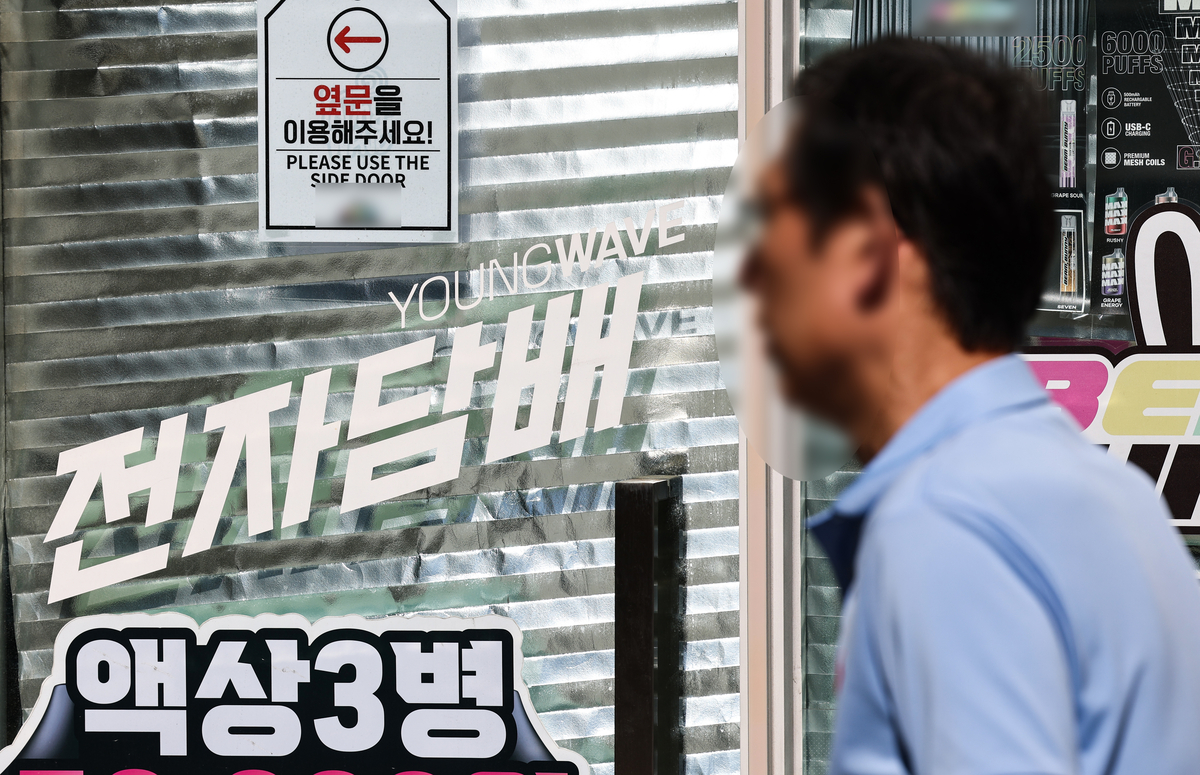
Cover Image Vietnam is tightening e-cigarette regulation as the Ministry of Health advances tobacco-law amendments and Hanoi expands enforcement against illegal vape activities. | Source: Vietnam.vn
Disclaimer
This article is provided solely for professional research, industry discussion, and informational purposes. Any references to brands, companies, products, technologies, or policies are made for factual reporting and analytical purposes only, and do not constitute endorsement, recommendation, promotion, or advertising by 2Firsts.
Nicotine-containing products, including but not limited to cigarettes, e-cigarettes, heated tobacco products, and nicotine pouches, carry significant health risks. Readers are responsible for complying with all applicable laws and regulations in their respective jurisdictions, including age restrictions and access limitations.
The information contained in this article should not be regarded as investment, legal, medical, regulatory, or commercial advice. While 2Firsts strives to ensure the accuracy and reliability of its content, it does not assume liability for any direct or indirect loss arising from errors, omissions, inaccuracies, or reliance on the information contained herein.
This article is not intended for individuals below the legal age for accessing tobacco or nicotine-related information in their jurisdiction.
Copyright Notice
This article is either original content produced by 2Firsts or content reproduced, translated, summarized, or adapted from third-party sources with attribution where applicable. The intellectual property rights of the original content remain with 2Firsts or the respective original rights holders.
No individual or organization may copy, reproduce, distribute, republish, modify, translate, or otherwise use this content without prior authorization. Any unauthorized use may result in legal action.
For copyright-related inquiries, corrections, or removal requests, please contact: info@2firsts.com.
AI-Assisted Translation and Editing Notice
Portions of this article may have been translated, edited, or reviewed with the assistance of artificial intelligence tools to improve efficiency and readability. Due to the limitations of AI-assisted translation and editing, discrepancies, omissions, or inaccuracies may exist when compared with the original source.
Where applicable, readers are advised to refer to the original source for the most complete and accurate information. If you identify any errors or believe that any content infringes upon your rights, please contact us at info@2firsts.com, and we will review and address the matter promptly.