Visual Statements: Combating Tobacco Advertising and Protecting Public Health

Aug.25.2023
U.S. tobacco companies ordered to display visual signs at retail stores nationwide to combat targeted marketing in marginalized communities.

New York - In a major win for public health, the major U.S. tobacco companies have been ordered to display visual signs at around 220,000 retail stores nationwide that sell cigarettes. The signs, known as corrective statements, must be installed near cigarette displays in these stores between July 1 and Sept. 30 and must continue to be displayed until June 30, 2025. This action aims to benefit communities of color that have been disproportionately targeted with colorful tobacco advertisements and flavored tobacco products, which attract new teen smokers and make quitting smoking more difficult.


The display of corrective statements was first ordered in 2006 as part of a landmark judgment in the case of United States v. Philip Morris, et al. The tobacco companies were held liable for violating civil racketeering laws and lying to the public for decades about the health risks and addictiveness of smoking. The posting of corrective statements was delayed for 16 years as the tobacco companies fought against posting them in stores.


In Black and brown communities, there are up to 10 times more tobacco retail stores, leading to increased exposure to tobacco advertisements and products. These retailers are often located near schools, community centers, and health facilities, making it harder for individuals in these communities to avoid tobacco products.


Menthol marketing strategies have targeted Black Americans, making smoking easier to start and harder to quit. Efforts have been made in New York to remove menthol from retail stores, and the majority of New Yorkers support this action.


The signs will vividly depict the dangers of smoking and secondhand smoke, as well as the addictiveness of smoking. The goal is to increase education and awareness among tobacco product users and highlight the prioritization of profit over people's health by tobacco companies.


Compliance with the mandated law will be enforced by external agencies, and a tip line will be established for reporting stores that do not adhere to the display requirements.


This initiative is part of a larger effort by various organizations to improve health care and social services for marginalized communities. Multiple projects aim to reduce adult tobacco use and prevent youth from starting smoking through education and community mobilization.

This document has been generated through artificial intelligence translation and is provided solely for the purposes of industry discourse and learning. Please note that the intellectual property rights of the content belong to the original media source or author. Owing to certain limitations in the translation process, there may be discrepancies between the translated text and the original content. We recommend referring to the original source for complete accuracy. In case of any inaccuracies, we invite you to reach out to us with corrections. If you believe any content has infringed upon your rights, please contact us immediately for its removal.


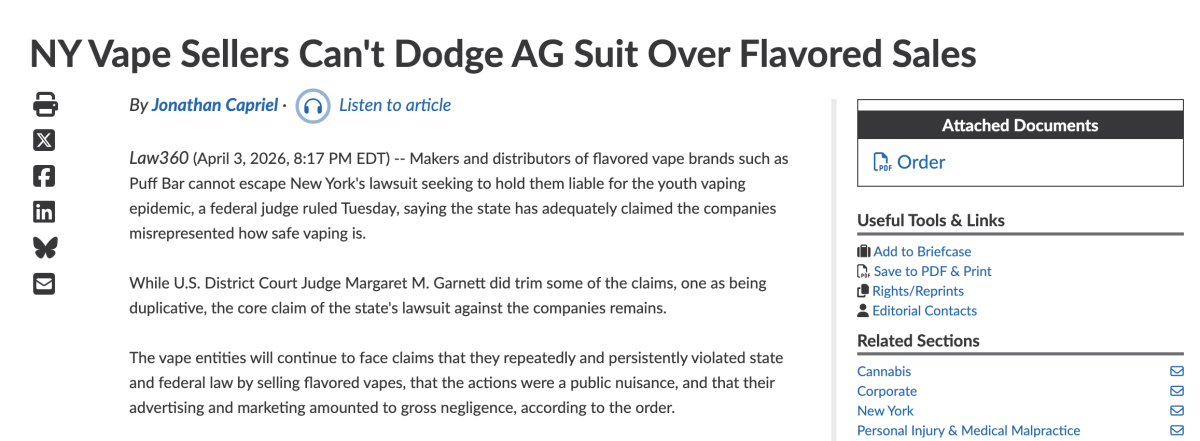
New York’s Lawsuit Against Puff Bar and Other Flavored Vape Companies Survives Key Court Challenge
According to Law360, a federal judge ruled that makers and distributors of flavored vape brands such as Puff Bar cannot escape New York’s lawsuit seeking to hold them responsible for the youth vaping epidemic. The court found that the state had adequately alleged the companies misrepresented how safe vaping is.
Apr.07 by 2FIRSTS.ai
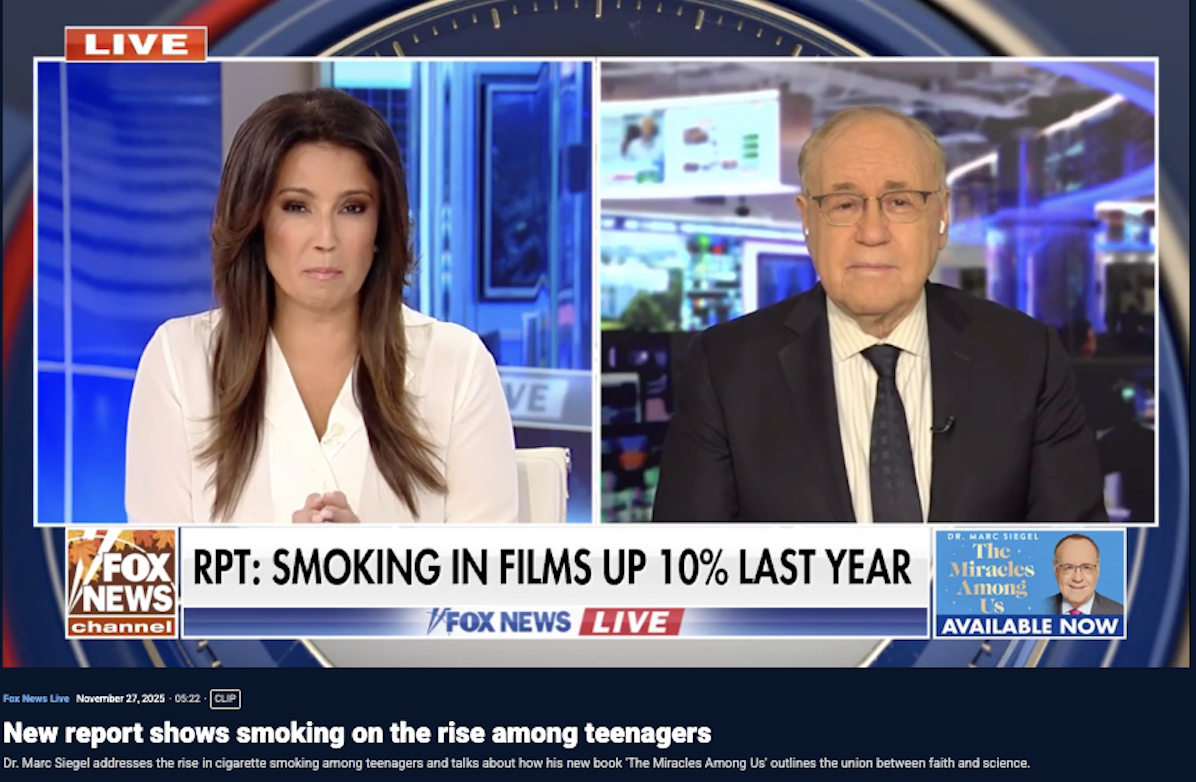
U.S. Adult Smoking Rate Falls to Historic Single-Digit Low of 9.9%, Study Shows Shift in Nicotine Use Patterns
A new study analyzing National Health Interview Survey data found that adult cigarette smoking in the United States declined to 9.9% in 2024, down from 10.8% in 2023. The findings, published in NEJM Evidence, represent a historic milestone in U.S. tobacco control efforts. Researchers noted that while cigarette smoking is decreasing, the prevalence of e-cigarette and cigar use remained largely unchanged, suggesting a shift in nicotine consumption rather than the elimination of tobacco use.
Market
Mar.20
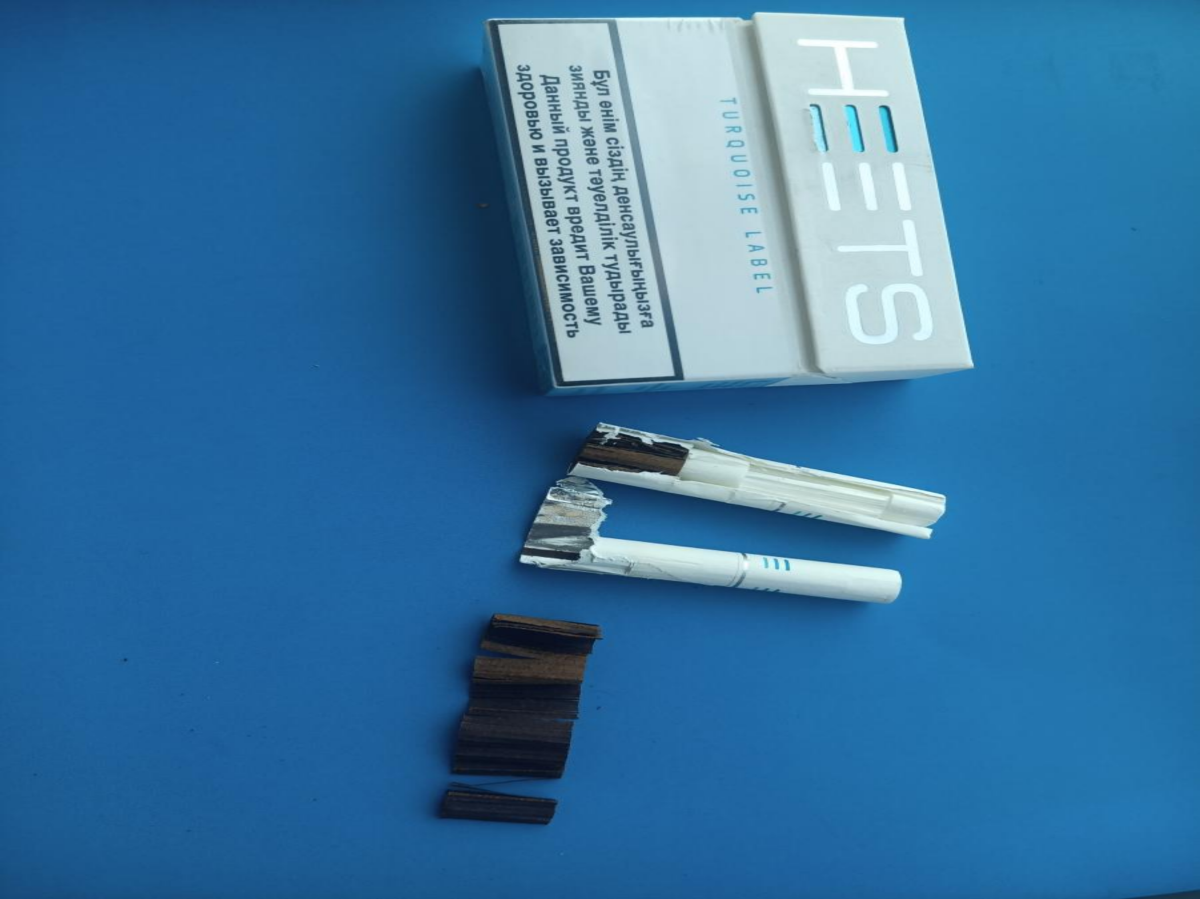
Exclusive | China Starts Mandatory National Standards Process for Heated Cigarettes and Nicotine Pouches
China has launched mandatory national standards work for heated cigarettes and nicotine pouches, further formalizing regulation of both categories. The move may help lay groundwork for future market entry, but does not signal imminent domestic commercialization.
Apr.15
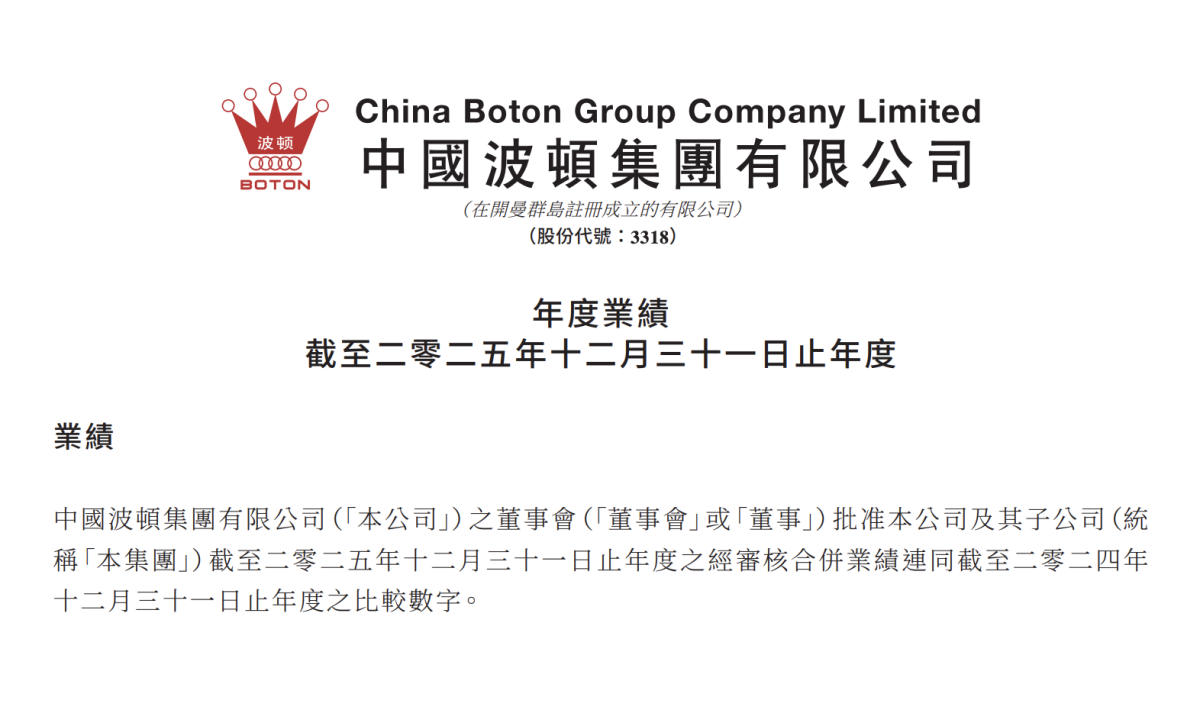
China Boton Group Posts 2025 Revenue of RMB 1.496 Billion, With E-Cigarette Product Revenue Up 4.6%
China Boton Group reported its results for the year ended December 31, 2025. Revenue was RMB 1.496 billion, down about 9.5% from RMB 1.653 billion in 2024. Gross profit was RMB 377.1 million, with a gross margin of 25.2%, and the group recorded a net loss of RMB 1.000 billion for the year.
Mar.24 by 2FIRSTS.ai
Philip Morris Says Its Smoke-Free Transition in Spain Now Has Economic Impact Above EUR 3.3 Billion
Philip Morris said it is accelerating its transition toward smoke-free products in Spain and claimed that the related economic impact now exceeds EUR 3.3 billion. Philip Morris also said that more than 90% of nicotine consumption in Spain still comes from conventional cigarettes, leaving room for growth in smoke-free categories, while regulation and taxation remain major obstacles in its view.
Apr.21 by 2FIRSTS.ai
FDA Expands ENDS Market Access With First Authorization of Non-Tobacco and Non-Menthol Products
The U.S. Food and Drug Administration (FDA) announced on May 5, 2026 that it authorized the marketing of four Glas electronic nicotine delivery system (ENDS) products through the premarket tobacco product application (PMTA) pathway. The authorized products are Classic Menthol, Fresh Menthol, Gold and Sapphire pods, each containing 50mg/ml, or 5%, tobacco-derived nicotine.
May.06 by 2FIRSTS.ai