Washington Schools Installing E-Cigarette Alarms to Deter Student Usage

Regulations by 2FIRSTS.ai
Jan.31.2024
Washington Schools Installing E-Cigarette Alarms to Deter Student Usage
Several schools in Washington state have installed e-cigarette alarms in restrooms to discourage students from using them during school hours.

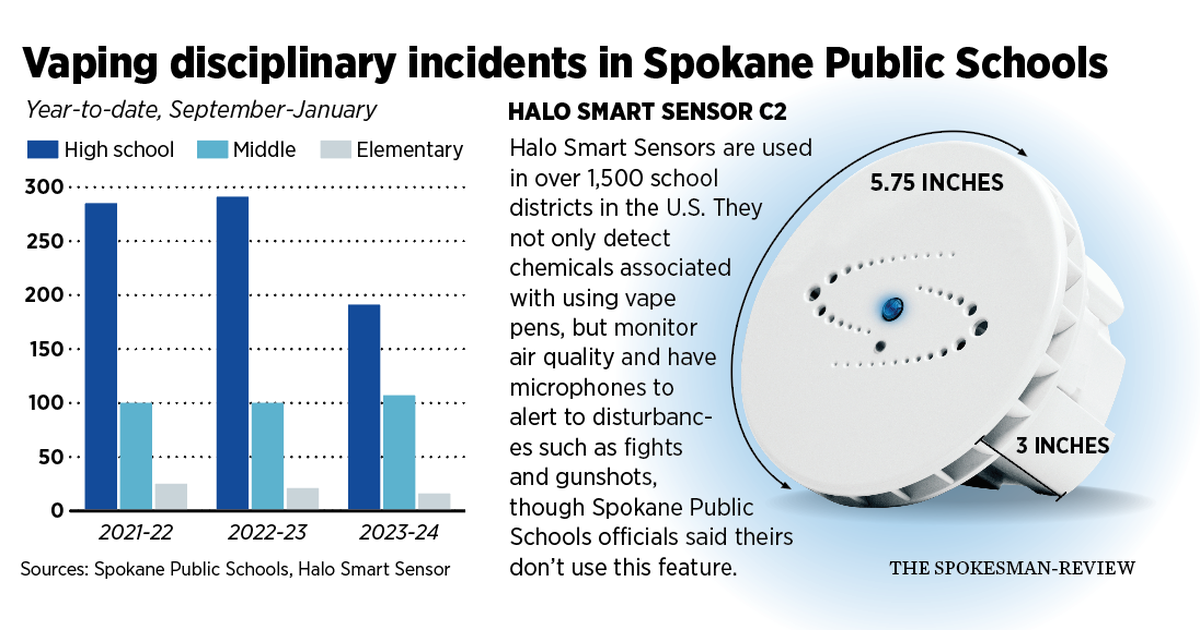
According to a report by spokesman from the United States media on January 30th, several schools in Washington state have begun installing e-cigarette detectors in restrooms to curb students' usage of e-cigarettes during school hours.


Although this approximately $100,000 initiative has received support from e-cigarette manufacturer Juul in recent compensation payments, certain indicators suggest that it may have played a role in curbing student e-cigarette use on school campuses. According to school officials, the number of smoke alarm incidents at high schools decreased in the first half of this year, while incidents at middle schools increased.


According to reports, other schools in Washington state may soon install these types of alarms in restrooms, with the cost being covered by a dedicated grant program established by the state. Additionally, there have been reports that the use of e-cigarettes is not limited to restrooms, as some students have been found using them in classrooms or even during mock exams. In Idaho, similar measures have been taken by schools, such as closing off a restroom and installing e-cigarette alarms in other facilities to monitor smoke.


Although e-cigarette alarms may not fully deter students from smoking on school grounds, student Olive Pete states that the use of e-cigarettes is not limited to the restroom, with some even stealthily using them in the classroom. She points out that increasingly younger students are becoming exposed to e-cigarettes, with some as young as fifth graders. However, there appears to be a decrease in parental complaints within the school, indicating that e-cigarette alarms may be effective in curbing student usage of e-cigarettes.


Despite the fact that e-cigarette alarms cannot fundamentally solve the problem, Aly Caywood believes that preventing the use of e-cigarettes in school environments can at least prevent students from influencing each other or considering it normal. However, schools still need to establish trust and communication with students, clearly define the school's expectations, and make resources available to help students resist the temptation to smoke.


In Spokane Public Schools, if a student is found vaping e-cigarettes on campus, they will be referred to campus intervention personnel and required to participate in an online course about addiction, which includes information about the dangers of e-cigarettes. Additionally, students may also receive guidance from an in-house substance abuse counselor.


Despite widespread misconceptions among students that e-cigarettes are healthier than traditional tobacco, expert Scott Kerwien points out that due to the high nicotine content and convenience of use in e-cigarette products, their level of harm is no different from tobacco and may even be more dangerous.


This initiative has received comprehensive support in Washington state, including from Republican state legislators Leonard Christian and Suzanne Schmidt, as well as Democratic state legislator Marcus Riccelli.


We welcome news tips, article submissions, interview requests, or comments on this piece.

Please contact us at info@2firsts.com, or reach out to Alan Zhao, CEO of 2Firsts, on LinkedIn


Notice

1.  This article is intended solely for professional research purposes related to industry, technology, and policy. Any references to brands or products are made purely for objective description and do not constitute any form of endorsement, recommendation, or promotion by 2Firsts.

2.  The use of nicotine-containing products — including, but not limited to, cigarettes, e-cigarettes, nicotine pouchand heated tobacco products — carries significant health risks. Users are responsible for complying with all applicable laws and regulations in their respective jurisdictions.

3.  This article is not intended to serve as the basis for any investment decisions or financial advice. 2Firsts assumes no direct or indirect liability for any inaccuracies or errors in the content.

4.  Access to this article is strictly prohibited for individuals below the legal age in their jurisdiction.


Copyright


This article is either an original work created by 2Firsts or a reproduction from third-party sources with proper attribution. All copyrights and usage rights belong to 2Firsts or the original content provider. Unauthorized reproduction, distribution, or any other form of unauthorized use by any individual or organization is strictly prohibited. Violators will be held legally accountable.

For copyright-related inquiries, please contact: info@2firsts.com


AI Assistance Disclaimer


This article may have been enhanced using AI tools to improve translation and editorial efficiency. However, due to technical limitations, inaccuracies may occur. Readers are encouraged to refer to the cited sources for the most accurate information.

We welcome any corrections or feedback. Please contact us at: info@2firsts.com

On-Site Report | After FDA Announces Review of PMTA Framework, CTP Director Details Reform Priorities
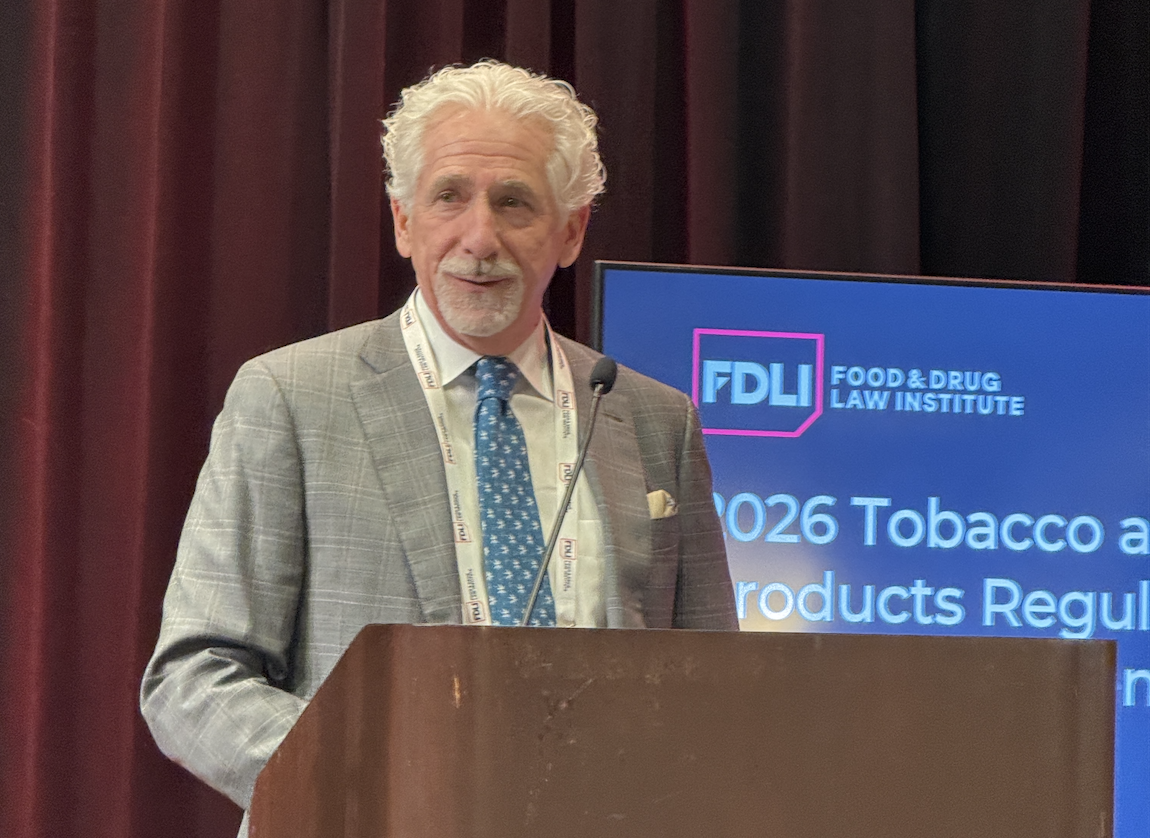
FDA CTP Director Bret Koplow used his FDLI keynote in Washington to outline how the agency is rethinking the PMTA framework. He discussed category-specific review, nicotine pouch and sPMTA pilots, AI-assisted review, a 70% reduction in pending applications, and a major staffing constraint: CTP currently has only nine scientific review teams. He also reaffirmed tobacco harm reduction while stressing youth protection, flavored products, risk communication, and the challenge of unauthorized e-cigarettes.
Regulations
Oct.06
Indonesia's Influential Islamic Body MUI Urges Vape Permit Freeze, Raising Uncertainty for 200 Manufacturers
Indonesia's Ulema Council (MUI) published Fatwa No. 131/2026 on November 9, declaring electronic cigarette use, production and trade haram under Islamic religious rules. The council urged the Industry Ministry to prohibit the issuance of vape industry permits and review licensing policies, while calling on the president and parliament to enact a comprehensive ban. On November 10, the Constitutional Court heard a challenge to provisions of the 2023 Health Law seeking a prohibition on vape production, importation, distribution and use. The Health Ministry said on November 11 it was studying stronger restrictions, including a possible ban on circulation, while industry association APVI called for tighter oversight rather than a total ban. Indonesia's Industry Ministry previously estimated the sector comprises about 200 companies, Rp31 trillion ($1.7 billion) in cumulative investment and approximately 100,000 supply-chain jobs. No nationwide statutory ban has been enacted.
Regulations
Nov.12
Russia's Vape Ban Decisions Reach 17 Regions With 39 More Considering Laws, Putting Over 3,000 St. Petersburg Retail Outlets in Focus
Russia's regional vape retail restrictions are expanding. State Duma Speaker Vyacheslav Volodin said on November 7 that 17 regions had adopted decisions to ban vape sales, while another 39 were preparing or considering similar legislation. On November 12, lawmakers in Leningrad Oblast and the Republic of Karelia adopted bans scheduled to begin on March 1, 2027. A day earlier, St. Petersburg unanimously approved a five-year ban proposal in its first reading. The city has 615 specialist vape shops and more than 2,400 other retail outlets selling vaping products alongside other goods. Under Federal Law No. 186-FZ, enacted in June 2026, Russian regions may prohibit retail sales of electronic nicotine delivery systems and related liquids between March 2027 and March 2032. The legislation also restricts licensed suppliers from delivering covered products to retail premises in regions where bans apply.
Regulations
Nov.13
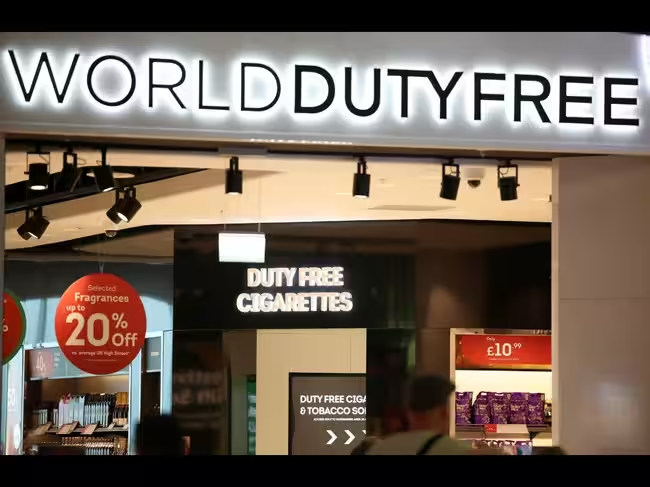
India Duty-Free Nicotine Pouch Sales Face Regulatory Test as ZYN, FOX Classification Remains Open
The Bombay High Court has ruled that airport duty-free shops are not exempt from India's domestic regulatory laws merely because they operate beyond the customs barrier, leaving in place a sales halt covering ZYN and FOX nicotine pouches at Mumbai's international airport. The court, however, did not determine that the products necessarily qualify as "drugs" under India's Drugs and Cosmetics Act. The retailers have four weeks to submit product information to the appropriate authorities, including CDSCO, which must complete its review within 30 days of receiving the submissions.
Sep.24
Germany Probes 7.6 Million Illegal Vape Case With Estimated €33.3 Million Tax Loss; Four Chinese Manufacturer Employees Under Investigation, Some Packaging in Enforcement Images Resembles FUMOT Products
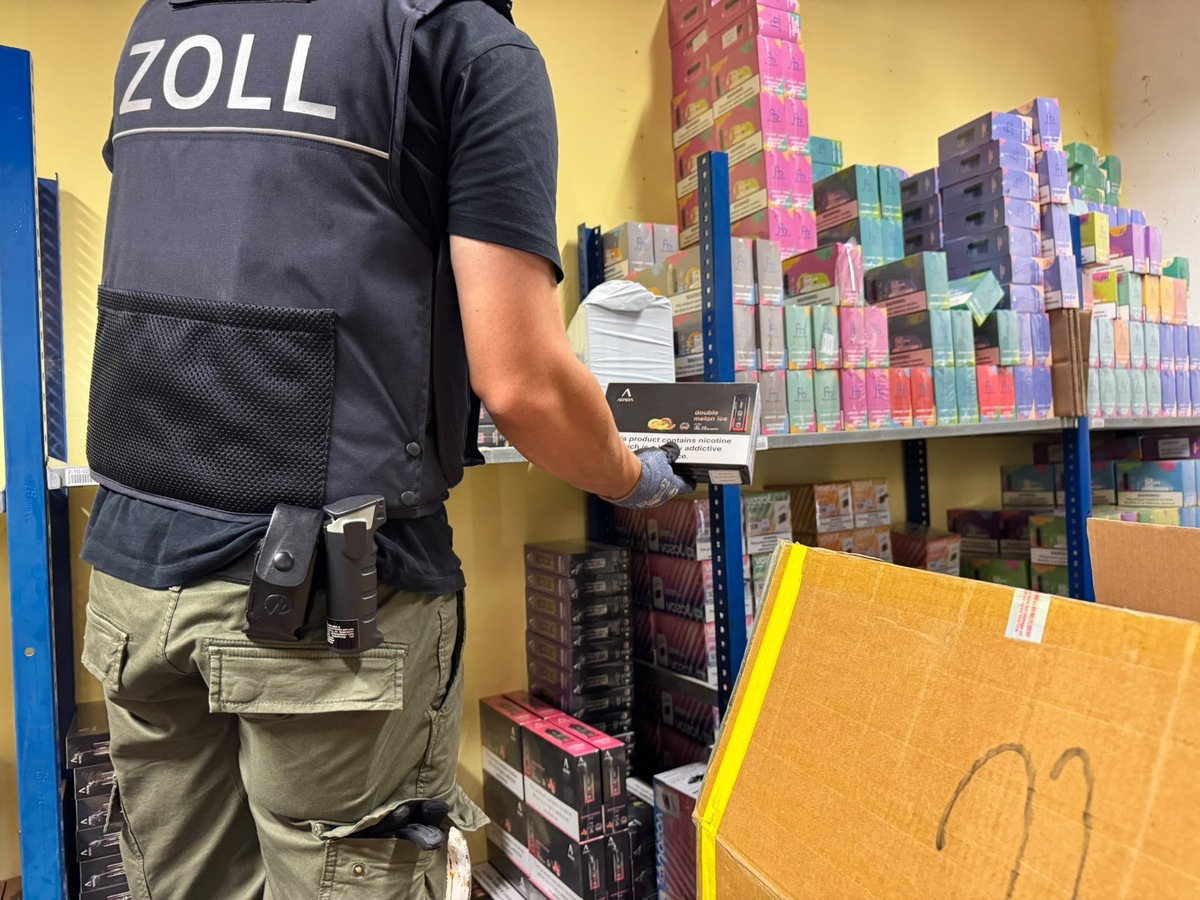
German prosecutors and customs authorities are conducting a criminal investigation into an alleged cross-border organised vape network. Authorities say that between January 2024 and March 2025, four employees of an unnamed Chinese e-cigarette manufacturer allegedly built a network of sales agents and wholesalers that brought more than 7.6 million nicotine disposable vapes into Germany, causing an estimated €33.3 million in excise-tax losses. The manufacturer has not been named. Some products visible in enforcement images have packaging resembling products from FUMOT’s portfolio. European regulatory records from 2024, FUMOT’s public overseas-sales materials and records involving German vape importer and distribution company Zamu-Pro GmbH also show FUMOT/RandM products and German distribution activity during the period covered by the investigation.
Sep.21
Product | SMOORE's VAPORESSO Introduces VAST Refillable Vape With Three Resistances in One Pod
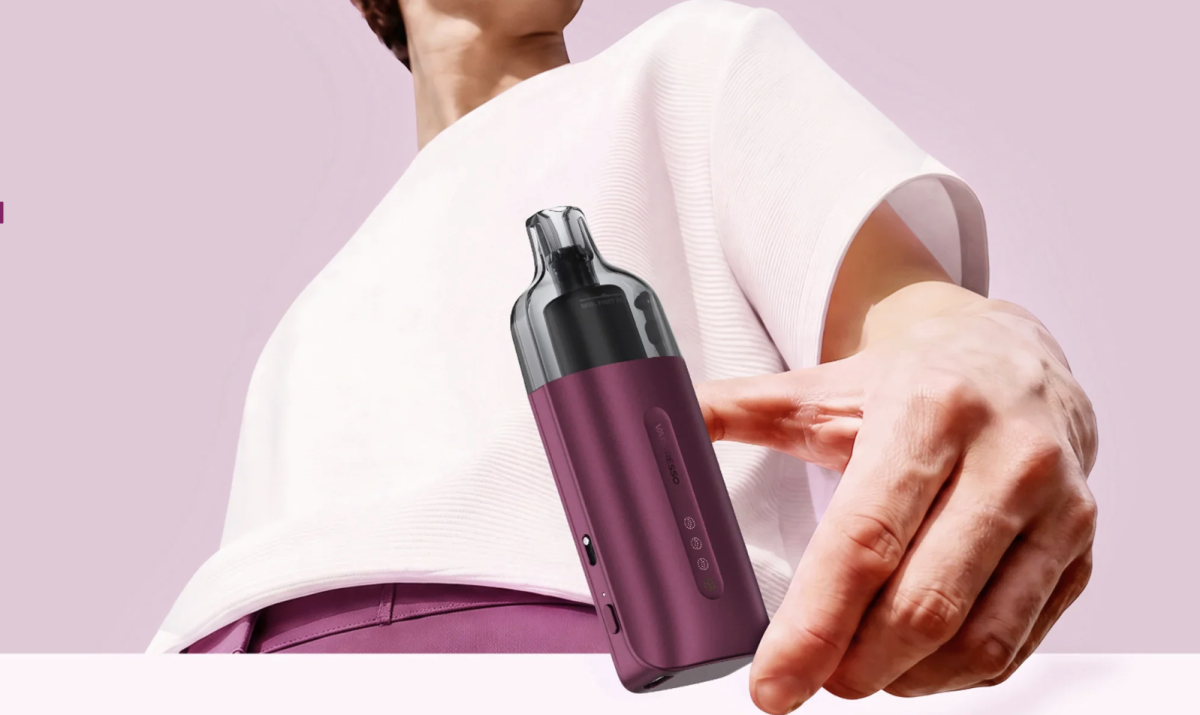
SMOORE-owned vaping brand VAPORESSO introduced the VAST refillable open-system vape in October 2026, featuring Tri-Core Mesh technology that integrates three resistance configurations—0.8Ω, 0.6Ω and 0.4Ω—within a single pod. The device supports different operating modes and e-liquid types. The standard version features a 10mL pod, while a TPD-labelled configuration combines a 2mL pod with an 8mL refill container. The device has a 1,600mAh battery and a maximum output of 30W. VAPORESSO claims up to six pod refills and a tested coil lifespan of up to 150,000 puffs. The UK's MHRA published a related device notification on October 12. The official MSRP is $25.90, compared with a $35.90 listing on VAPORESSO's direct store.
product
Oct.30