Australia's E-Cigarette Rules Fizzle with Only 3,500 Prescriptions in First Month

Nov.11.2024
Australia's E-Cigarette Rules Fizzle with Only 3,500 Prescriptions in First Month
Australia’s new plan to include e-cigarettes in pharmacies saw slow sales in its first month, with only 3,500 units sold. Many pharmacists are reluctant to sell e-cigarettes due to ethical concerns or complicated procedures, leading to a surge in black market e-cigarette prices to 40-60 AUD.

According to a report from Watoday on November 9, despite an estimated one million Australians using e-cigarettes, in a plan implemented by the federal government to include e-cigarettes as pharmacy products to combat the black market, only 3,500 sales were made in the first month.


Australia has approximately 5800 pharmacies nationwide, but data shows that thousands of them do not dispense any e-cigarette products on prescription. The federal government's initial policy analysis assumed that once illegal products are harder to obtain, about 450,000 people will seek medical e-cigarette products.


However, many pharmacists have stated that they are unwilling to sell e-cigarettes due to moral reasons or because the process is too cumbersome. Illegal e-cigarettes are still widely available, but prices have soared to 40 to 60 Australian dollars per device as retailers increase prices to compensate for higher penalties.


Last week, officials at a Senate estimates hearing stated that they currently do not track how many pharmacies are selling e-cigarettes. Chief Medical Officer Tony Lawler said that obtaining a definitive answer is actually quite difficult.


Health Department official Chris Bedford provided data on the sale of e-cigarette products by pharmacies following patient consultations. He stated that the total number of these sales across Australia reached 3,500, and pharmacists are able to dispense multiple e-cigarette products based on notification, leading to patients coming in and engaging in conversations.


Anne Ruston, the Health spokesperson for the opposition party, stated that the number of e-cigarettes sold by pharmacies last month only accounted for a small fraction of estimated e-cigarette users in Australia.


"We know that most pharmacists do not want to become tobacco merchants, as clearly reflected in the department's statistics."


Due to e-cigarette products not being included in Australia's registered therapeutic goods list, pharmacists must prescribe and sell unapproved products. This has made pharmacists cautious about supplying e-cigarettes. Data from the pharmacy industry shows that the majority of people are not willing to stock e-cigarettes, with a survey finding that 86% of pharmacies do not stock them.


Richard Lee, CEO of pharmaceutical company Liber Pharmaceuticals, stated that despite a slow start, the pharmacy's e-cigarette program is progressing within a reasonable range. The slow progress is partially due to the timing of the introduction of new regulations and the implementation phase. Lee expects pharmacies to gradually adapt to the new regulations and achieve significant growth within the next three to six months.


We welcome news tips, article submissions, interview requests, or comments on this piece.

Please contact us at info@2firsts.com, or reach out to Alan Zhao, CEO of 2Firsts, on LinkedIn


Notice

1.  This article is intended solely for professional research purposes related to industry, technology, and policy. Any references to brands or products are made purely for objective description and do not constitute any form of endorsement, recommendation, or promotion by 2Firsts.

2.  The use of nicotine-containing products — including, but not limited to, cigarettes, e-cigarettes, nicotine pouchand heated tobacco products — carries significant health risks. Users are responsible for complying with all applicable laws and regulations in their respective jurisdictions.

3.  This article is not intended to serve as the basis for any investment decisions or financial advice. 2Firsts assumes no direct or indirect liability for any inaccuracies or errors in the content.

4.  Access to this article is strictly prohibited for individuals below the legal age in their jurisdiction.


Copyright


This article is either an original work created by 2Firsts or a reproduction from third-party sources with proper attribution. All copyrights and usage rights belong to 2Firsts or the original content provider. Unauthorized reproduction, distribution, or any other form of unauthorized use by any individual or organization is strictly prohibited. Violators will be held legally accountable.

For copyright-related inquiries, please contact: info@2firsts.com


AI Assistance Disclaimer


This article may have been enhanced using AI tools to improve translation and editorial efficiency. However, due to technical limitations, inaccuracies may occur. Readers are encouraged to refer to the cited sources for the most accurate information.

We welcome any corrections or feedback. Please contact us at: info@2firsts.com

FDA Revises Import Alert 98-07 Rules, Bringing May Enforcement Priorities Into Unauthorized ENDS Detentions
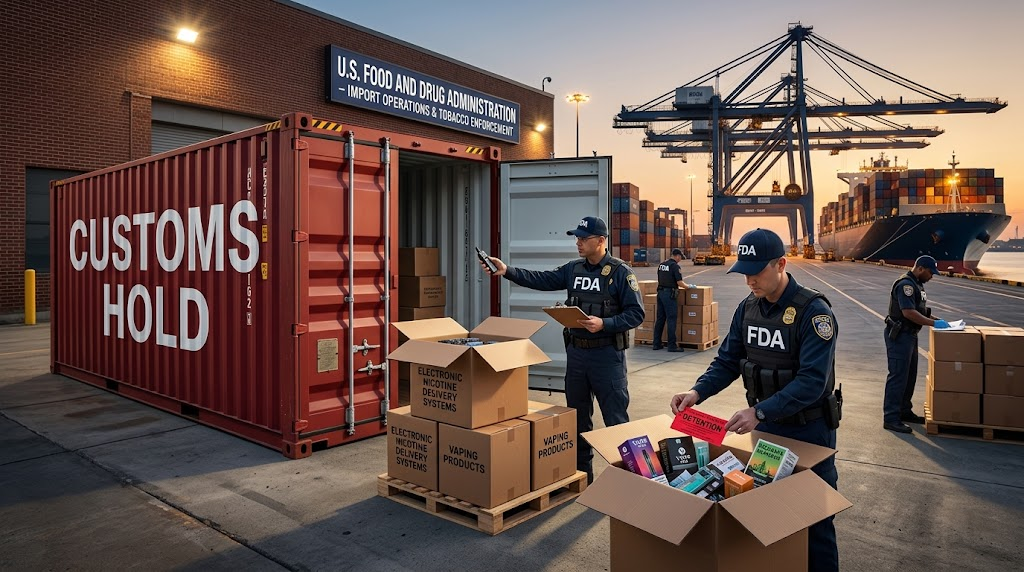
The U.S. Food and Drug Administration has revised the rules under Import Alert 98-07 to incorporate its May 2026 enforcement-priority policy for certain electronic nicotine delivery systems marketed without premarket authorization. The alert continues to allow detention without physical examination, or DWPE, for ENDS lacking required marketing authorization, while directing field divisions to apply the May risk-based framework. When necessary, detention or refusal decisions must also undergo review by the FDA's Center for Tobacco Products. Products including PACHA and Vuse Pro have already emerged as industry examples of the May policy, although enforcement discretion does not constitute FDA marketing authorization.
News
Sep.28 by 2Firsts Perspectives
U.S. Expands Illicit Vape Enforcement as ATF Brings PACT Act Powers Into Trade Fraud Task Force
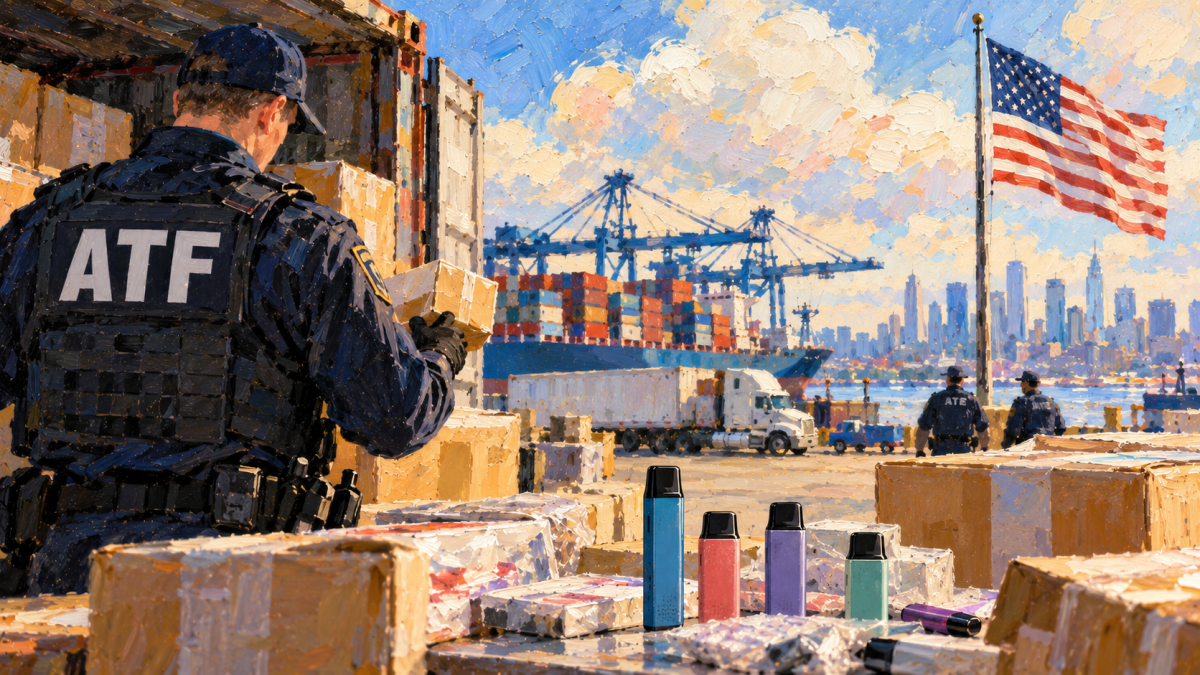
The U.S. Bureau of Alcohol, Tobacco, Firearms and Explosives said on September 23 that it has joined the interagency Trade Fraud Task Force to strengthen enforcement against illegal, misdeclared and smuggled vape and tobacco products. ATF will bring its authority under the Prevent All Cigarette Trafficking Act into the task force, including registration, reporting, shipping and record-inspection requirements covering interstate sales of electronic nicotine delivery systems. ATF said the move will strengthen its ability to trace illicit products from U.S. points of entry through domestic trafficking and distribution networks.
News
Sep.28 by 2Firsts Perspectives
2Firsts Data|China’s Vape-Related Exports Rose 3.3% in August 2026 as UK Shipments Jumped 51.4% and U.S. Exports Fell 12.4%
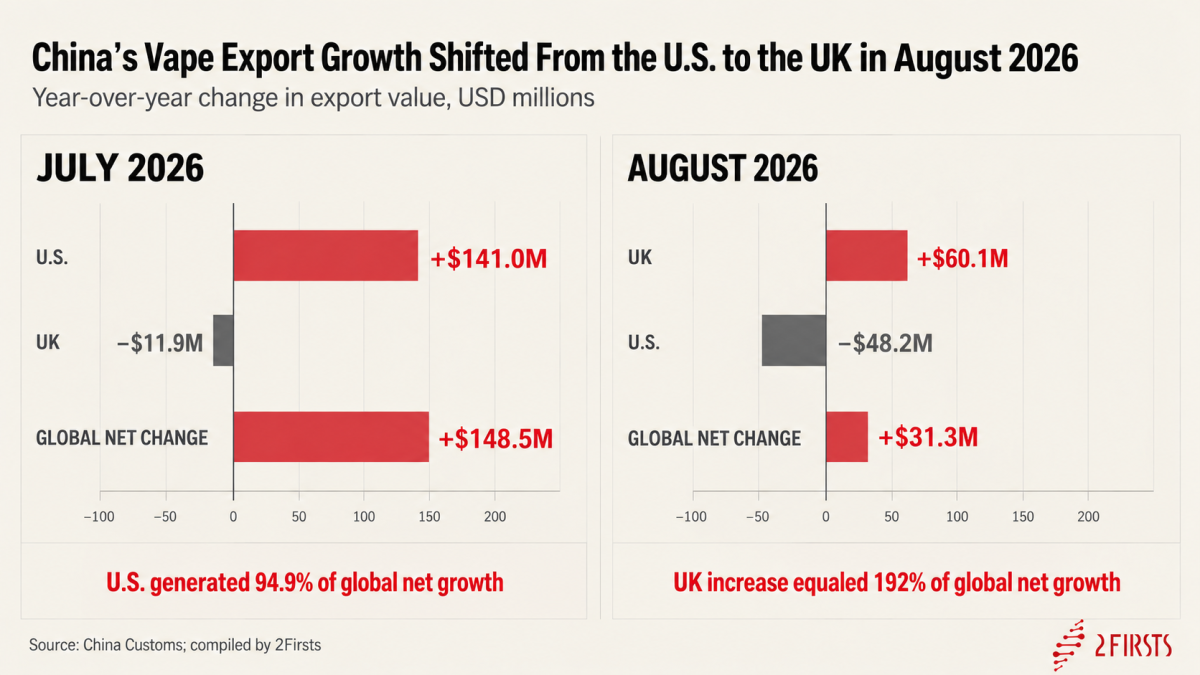
China exported $979 million of vape-related products in August 2026, up 3.3% from a year earlier but down 6.4% from July. The UK replaced the U.S. as the main source of growth: UK-bound shipments jumped 51.4% to a 2026 high of $177 million, while exports to the U.S. fell 12.4% to $339 million. Shipments to markets outside the U.S. increased 14.2%, broadening growth beyond the market that had driven July’s rebound.
News
Sep.23 by 2Firsts Perspectives
India Steps Up Nicotine Pouch Enforcement as ZYN, White Fox Circulate and Drug Panel Urges Halt to New Nicotine Formulations
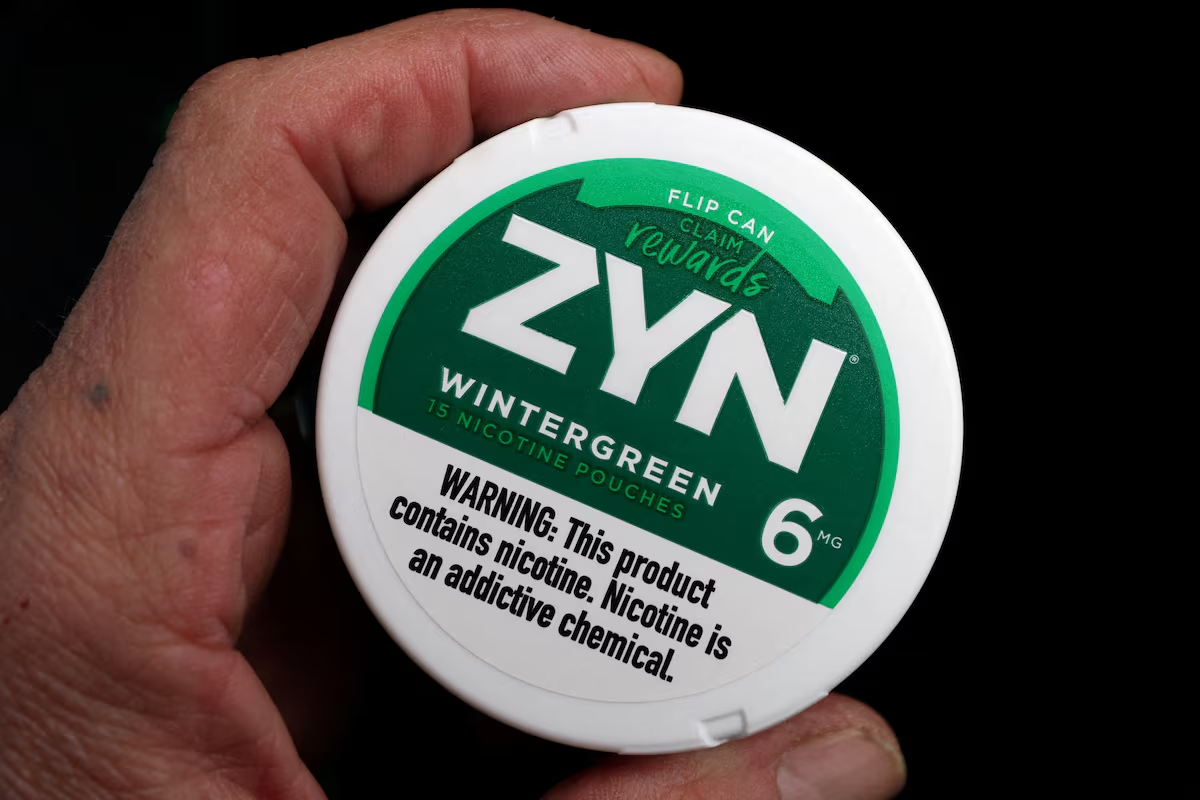
India's Ministry of Health and Family Welfare has directed states to step up enforcement against nicotine pouch sales, citing increased availability through online and offline channels and concern about nicotine exposure among children. Reuters reported that international brands including ZYN and White Fox are being sold in India. A study led by ICMR-NICPR found pouches in seven of 10 surveyed locations and identified 68 brands and 445 flavors online. Separately, India's Drugs Technical Advisory Board recommended in August that no new nicotine formulation be approved.
Regulations
Sep.28 by 2Firsts Perspectives
NATO Executive Director David Spross Sees U.S. Vape Regulation Improving, Calls for More PMTA Authorizations and Warns of 2027 State Tax Pressure
The National Association of Tobacco Outlets is calling for more FDA marketing authorizations, greater transparency in the PMTA process and continued enforcement against unauthorized e-cigarettes, even as its executive director, David Spross, points to recent regulatory developments as signs of progress. At the state level, excise taxes, flavor restrictions and vapor product directories remain major issues for tobacco retailers. By August 2026, 17 states had enacted laws establishing state-managed e-cigarette directories or similar systems.
Innovation
Sep.29 by 2Firsts Perspectives
Australia Extends Illicit Tobacco Crackdown From Tougher Penalties to Customs and Logistics Supply Chains
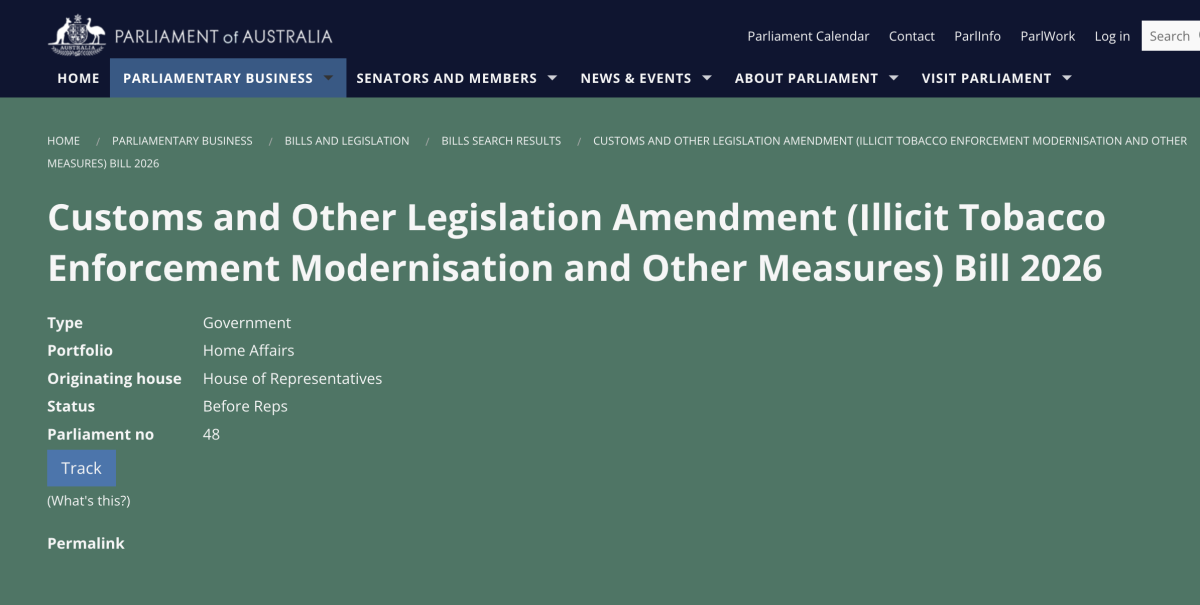
Australia's federal government introduced a new illicit tobacco enforcement bill on September 10 that would strengthen evidentiary presumptions, representative sampling, seizure and forfeiture procedures, proceeds-of-crime powers and obligations for customs and logistics operators. The proposal follows the Combatting Illicit Tobacco Act 2026, which took effect in August and increased penalties while expanding investigative and asset-recovery tools. Together, the reforms extend Australia's crackdown from tougher criminal sanctions into import, logistics and evidentiary enforcement.
Sep.14