Biyao City Takes Action to Destroy Illegal Tobacco Products

Aug.09.2024
Biyao City Takes Action to Destroy Illegal Tobacco Products
Baguio City's anti-smoking task force publicly destroyed over two million pesos worth of illegal tobacco products, including e-cigarettes and cigarettes.

According to a report by MB on August 8th, the Smoke-free Task Force in Baguio City, Philippines publicly destroyed illegal tobacco products worth over two million pesos (approximately $35,000), which included e-cigarettes and traditional cigarettes.


According to Dr. Celia Flor Brillantes, the head of the Health Services Office and Smoke-free City in Biaoyao City,


We have been working hard to eliminate smoking behavior in order to protect local residents from respiratory diseases.


Betty Lourdes Tabanda, Chair of the Municipal Council Health and Sanitation Committee, is calling on citizens to work together to make Baguio a truly smoke-free city.


The Taliban stated:


Let us take a deep breath once again in the city of Biyao, and stop smoking, stop using e-cigarettes.


The tobacco products that were destroyed were seized from schools and illegal vendors, and were disposed of according to the guidelines of the Department of Environment and Natural Resources (DENR). City officials stated that the purpose of this destruction activity was to demonstrate to the public, especially young people, the city government's commitment to protecting lives and preventing the harmful effects of tobacco products in order to achieve the goal of making the city of Biyao smoke-free.


We welcome news tips, article submissions, interview requests, or comments on this piece.

Please contact us at info@2firsts.com, or reach out to Alan Zhao, CEO of 2Firsts, on LinkedIn


Notice

1.  This article is intended solely for professional research purposes related to industry, technology, and policy. Any references to brands or products are made purely for objective description and do not constitute any form of endorsement, recommendation, or promotion by 2Firsts.

2.  The use of nicotine-containing products — including, but not limited to, cigarettes, e-cigarettes, nicotine pouchand heated tobacco products — carries significant health risks. Users are responsible for complying with all applicable laws and regulations in their respective jurisdictions.

3.  This article is not intended to serve as the basis for any investment decisions or financial advice. 2Firsts assumes no direct or indirect liability for any inaccuracies or errors in the content.

4.  Access to this article is strictly prohibited for individuals below the legal age in their jurisdiction.


Copyright


This article is either an original work created by 2Firsts or a reproduction from third-party sources with proper attribution. All copyrights and usage rights belong to 2Firsts or the original content provider. Unauthorized reproduction, distribution, or any other form of unauthorized use by any individual or organization is strictly prohibited. Violators will be held legally accountable.

For copyright-related inquiries, please contact: info@2firsts.com


AI Assistance Disclaimer


This article may have been enhanced using AI tools to improve translation and editorial efficiency. However, due to technical limitations, inaccuracies may occur. Readers are encouraged to refer to the cited sources for the most accurate information.

We welcome any corrections or feedback. Please contact us at: info@2firsts.com

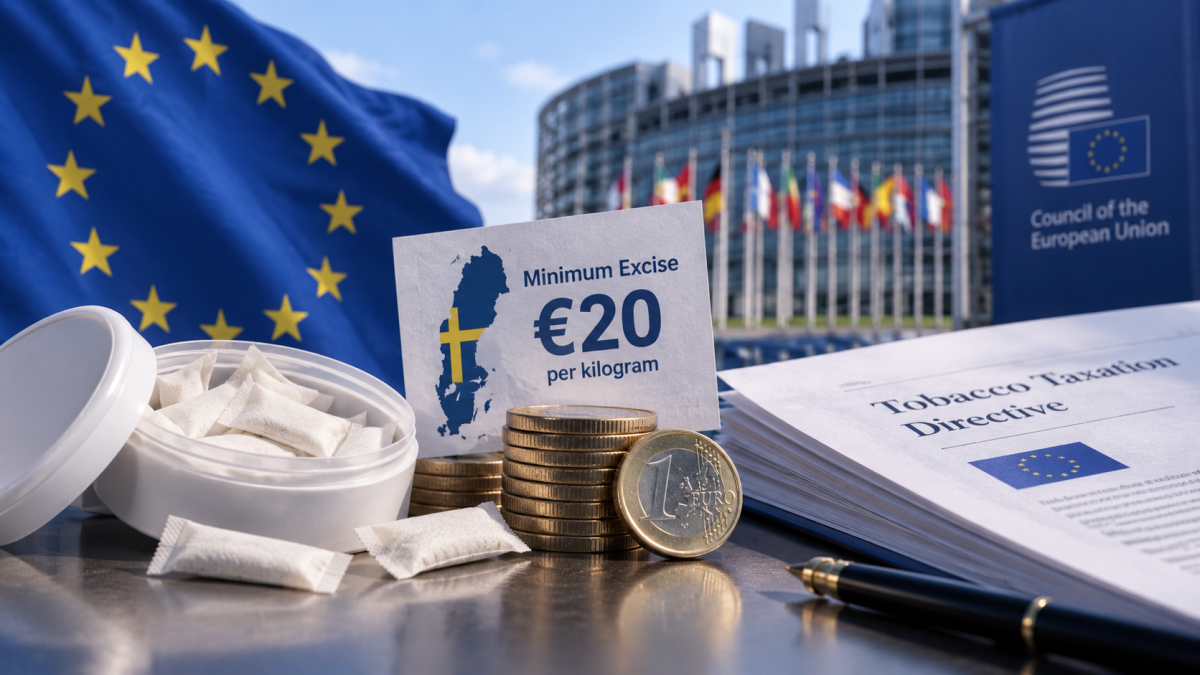
EU Tobacco Tax Reform Targets November Push as Sweden Holds Nicotine-Pouch Minimum at €20 per Kilogram
The Irish presidency of the Council of the European Union is using bilateral talks to push the bloc’s Tobacco Taxation Directive toward a political agreement in November. According to Law360, citing an EU official, Sweden is unwilling to accept a minimum excise threshold above €20 per kilogram for nicotine pouches. Council negotiations have already lowered the European Commission’s original proposal, but a May 2026 presidency compromise still set the minimum at 10% of the tax-inclusive retail price or €30 per kilogram in 2028-29, with higher levels later.
Market
Sep.17 by 2Firsts Perspectives
FDA Appoints Former Tobacco Enforcement Deputy Jessica Zeller as Director as Agency Weighs PMTA Framework Changes
The U.S. Food and Drug Administration (FDA) has named Jessica Zeller director of the Center for Tobacco Products' (CTP) Office of Compliance and Enforcement (OCE), effective November 1, 2026. Zeller, the office's inaugural deputy director, returns from medical device manufacturer Edwards Lifesciences with more than 20 years of regulatory and legal experience. The appointment follows CTP leadership changes and adjustments to tobacco regulation. Bret Koplow became permanent CTP director in September; the FDA revised enforcement priorities for unauthorized e-cigarettes and nicotine pouches in May and announced faster PMTA review procedures. On September 28, the agency said it would evaluate changes to the existing PMTA regulatory framework, including potential rulemaking to replace it.
FDA
Oct.20 by 2Firsts Perspectives
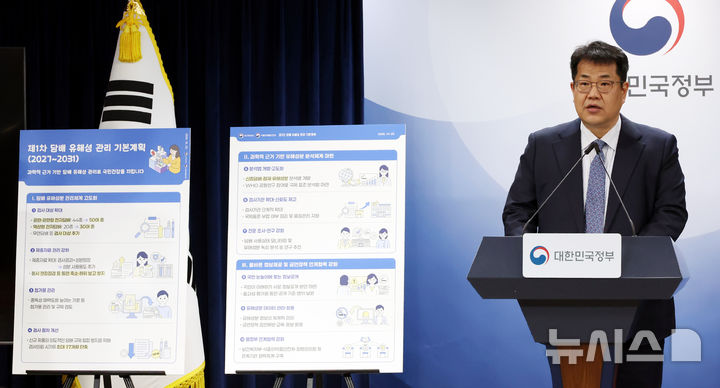
South Korea's Tobacco Plan Excludes 6-Methyl Nicotine as Customs Tightens Import Controls and Analog Liquid Imports Fall 83%
South Korea's government unveiled its first Tobacco Harm Management Basic Plan for 2027–2031 on October 29, 2026, proposing broader testing of vaping and heated tobacco products while excluding nicotine analogs such as 6-methyl nicotine. Synthetic nicotine came under tobacco regulation on April 24, and a June investigation found 6-methyl nicotine in 12 liquid inhalation products marketed as nicotine-free. Customs data released in September showed that imports of nicotine analog solutions fell 83.3%, from 12 metric tons in January–April to 2 metric tons in May–August. By September 20, imports had reached approximately 15 metric tons for the year, with 99.99% originating from China. Customs authorities have tightened pre-clearance testing and supply-chain documentation requirements, while the MFDS expects to complete its assessment of nicotine analog hazards by the end of 2026.
Regulations
Nov.04
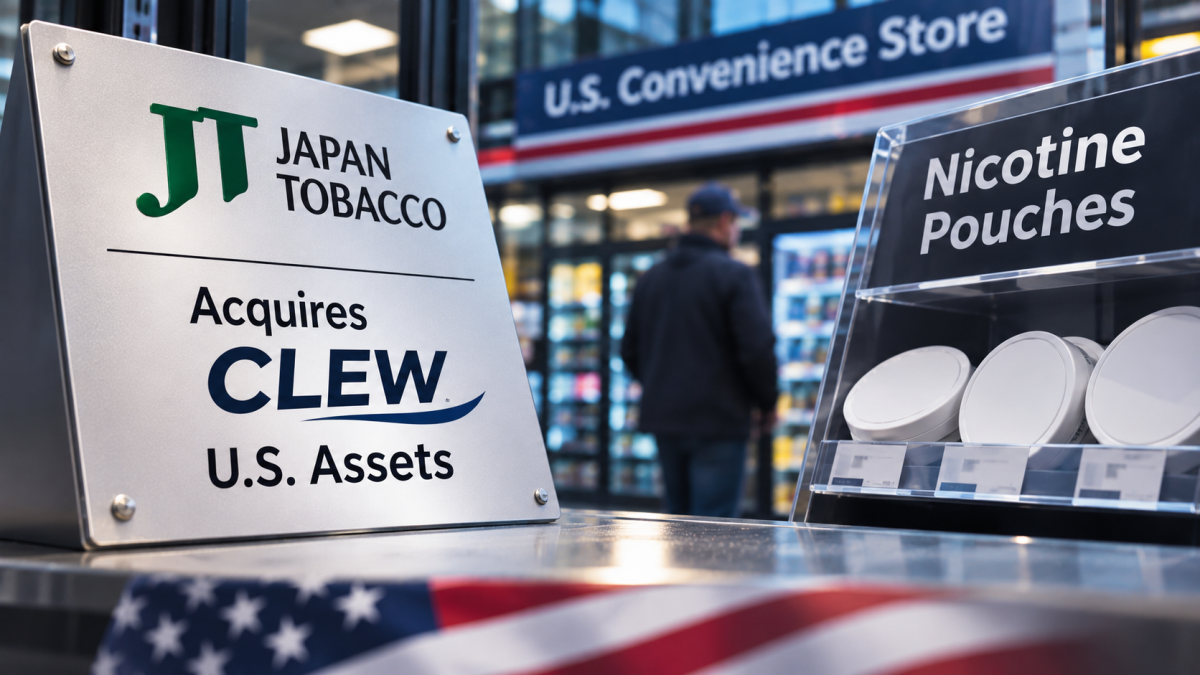
Special Report|Japan Tobacco Buys CLEW: Can Its 160,000-Store Cigarette Network Help It Vie for U.S. Nicotine Pouch Share Against PMI and BAT?
Japan Tobacco Inc. (JT) announced on November 12, 2026, that it had acquired the U.S. assets of nicotine pouch brand CLEW from Nevcore Innovations Inc., including trademarks, intellectual property, product formulations and a Premarket Tobacco Product Application (PMTA). CLEW, currently distributed through selected outlets in 13 U.S. states, will immediately join the JTI LIGGETT portfolio. The transaction follows JT's approximately $2.4 billion acquisition of U.S. cigarette maker Vector Group in 2024. JTI LIGGETT says its existing cigarette brands reach more than 160,000 U.S. retail stores. During the 2026 NACS Show in October, JTI LIGGETT booth staff told 2Firsts that the company had not yet launched nicotine pouches in the United States. Although Nevcore previously announced FDA acceptance of CLEW's PMTA, the brand is absent from the agency's current list of authorized nicotine pouch products. JT has not disclosed a retail expansion plan for CLEW.
Business
Nov.12
Special Report | From Oversupply to Supply Gaps: Global Tobacco Leaf Markets Diverge Ahead of 2027
Global tobacco leaf markets diverged sharply in 2026, with India cutting authorised FCV production amid oversupply while Malawi faced a supply shortfall. U.S. demand improved in some leaf categories, but growers in Brazil, Colombia, Tanzania and Zimbabwe faced pressure from prices, buyer access, costs and weather. With nicotine consumption patterns also shifting, 2027 will test whether supply, demand and grower profitability can move back toward balance.
Oct.26
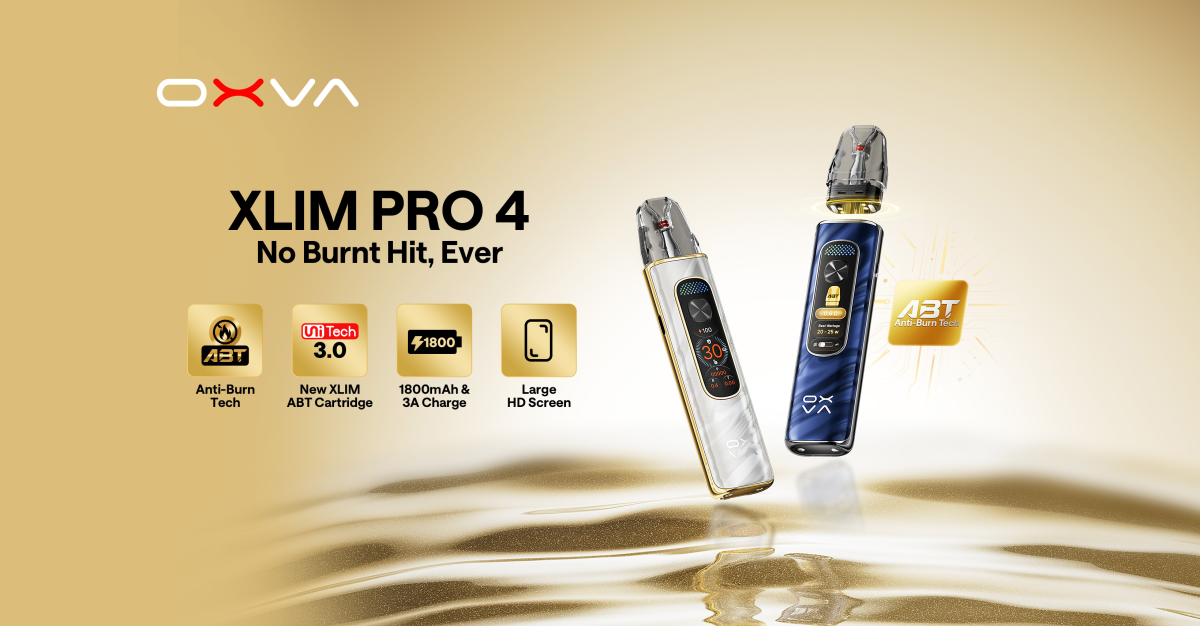
Product | OXVA Introduces XLIM PRO 4 With Liquid-Level Anti-Burn Technology and Dedicated Pods
Vaping brand OXVA introduced the XLIM PRO 4 refillable pod system in October 2026, featuring Anti-Burn Tech (ABT) based on smart e-liquid-level detection. The system can issue refill alerts and stop power output when e-liquid levels become too low. ABT requires the XLIM PRO 4 device and a dedicated XLIM ABT cartridge. Standard XLIM pods remain compatible but do not support ABT protection. OXVA previously introduced temperature-based anti-burn technology in the XLIM Pro 2 DNA, developed with Evolv. The new device features a 1,800mAh battery, 5–30W output and a 0.98-inch HD color screen. OXVA's official store lists the device at $37.90 and dedicated ABT replacement cartridges at $12.99. Independent testing confirmed the low-liquid protection response but recorded varying cartridge lifespans.
product
Oct.30