Brazil's E-cigarette Regulation Project Excluded from CAE Meeting Agenda

Sep.04.2024
Brazil's E-cigarette Regulation Project Excluded from CAE Meeting Agenda
Brazil's e-cigarette regulation project delayed in Senate committee, potentially generating $4 billion in tax revenue.

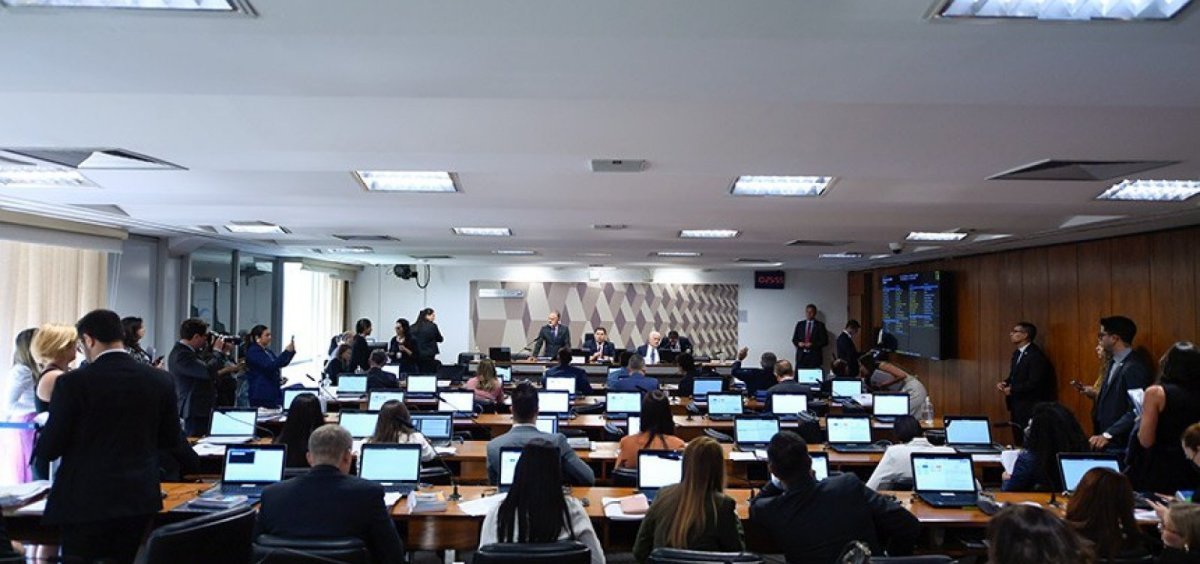
According to a report from Metro on September 4th, the discussion of the regulation of e-cigarette production and sales in Brazil, which was scheduled to take place on Tuesday (the 3rd), was not included in the agenda of the Economic Affairs Committee (CAE) meeting. The project was also not mentioned during the deliberations on the agenda for the coming days.


The vote on the matter was originally scheduled for August 20, but was removed from the agenda at the request of the reporter, Senator Eduardo Gomes (PL-TO). This senator has expressed support for the proposer, Soraya Thronicke.


Since 2009, e-cigarettes have been banned in Brazil by the National Health Surveillance Agency (Anvisa). Solonick's proposal aims to regulate the production, sale, export, import, and consumption of e-cigarettes. One of the reasons for approving the proposal is that it could bring in 22 billion reais (approximately 4 billion U.S. dollars) in tax revenue for the country.


We welcome news tips, article submissions, interview requests, or comments on this piece.

Please contact us at info@2firsts.com, or reach out to Alan Zhao, CEO of 2Firsts, on LinkedIn


Notice

1.  This article is intended solely for professional research purposes related to industry, technology, and policy. Any references to brands or products are made purely for objective description and do not constitute any form of endorsement, recommendation, or promotion by 2Firsts.

2.  The use of nicotine-containing products — including, but not limited to, cigarettes, e-cigarettes, nicotine pouchand heated tobacco products — carries significant health risks. Users are responsible for complying with all applicable laws and regulations in their respective jurisdictions.

3.  This article is not intended to serve as the basis for any investment decisions or financial advice. 2Firsts assumes no direct or indirect liability for any inaccuracies or errors in the content.

4.  Access to this article is strictly prohibited for individuals below the legal age in their jurisdiction.


Copyright


This article is either an original work created by 2Firsts or a reproduction from third-party sources with proper attribution. All copyrights and usage rights belong to 2Firsts or the original content provider. Unauthorized reproduction, distribution, or any other form of unauthorized use by any individual or organization is strictly prohibited. Violators will be held legally accountable.

For copyright-related inquiries, please contact: info@2firsts.com


AI Assistance Disclaimer


This article may have been enhanced using AI tools to improve translation and editorial efficiency. However, due to technical limitations, inaccuracies may occur. Readers are encouraged to refer to the cited sources for the most accurate information.

We welcome any corrections or feedback. Please contact us at: info@2firsts.com

From myblu to Zone: Imperial Brands Refocuses NGP Strategy in HY26
mperial Brands’ HY26 results point to a more selective NGP transition. The company is using cash flow from traditional tobacco to fund targeted investments in modern oral nicotine, heated tobacco and reusable vaping systems. Its decision to exit the legacy myblu vaping business in the U.S., while expanding Zone nicotine pouches. In Europe, Imperial’s NGP growth is being driven by a multi-category portfolio including blu, Pulze and Zone/Skruf.
Special Report
May.12
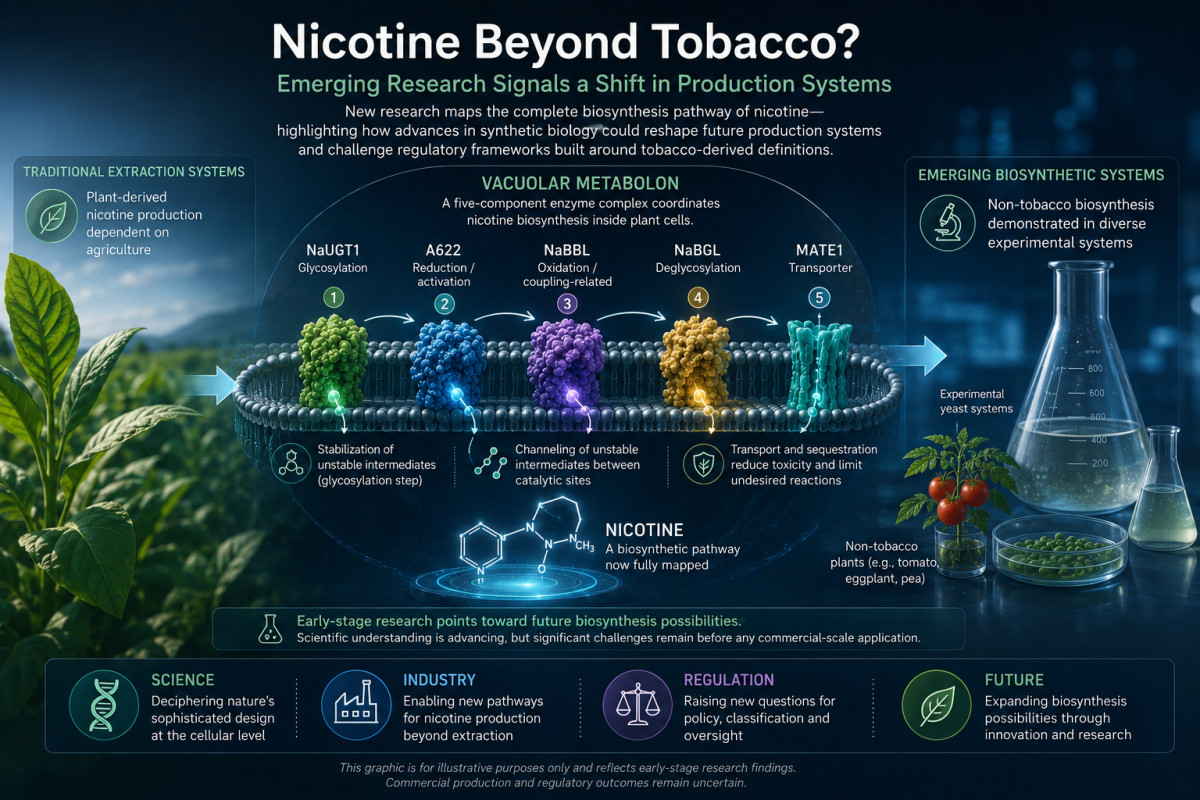
Nicotine Beyond Tobacco? Cell Study Signals Emerging Shift in Production Systems
Researchers at the Chinese Academy of Sciences reconstructed nicotine biosynthesis in non-tobacco plants and yeast systems, highlighting how advances in synthetic biology could gradually reshape future nicotine production technologies and challenge regulatory frameworks built around tobacco-derived definitions.
Special Report
May.07
Canada Studies UK-Style “Smoke-Free Generation” Tobacco Ban
Canada’s federal health minister, Majorie Michel, said she is looking into legislation that would permanently ban the sale of tobacco products to anyone born after 2008. She said Canada has seen the approach recently proposed in the United Kingdom and is reviewing it with partners. Health Canada previously said the Government of Canada has invested C$66 million annually since 2018 to help Canadians quit smoking and reduce the harms of nicotine addiction.
Apr.29 by 2FIRSTS.ai
Argentina’s New Nicotine Rules Draw Cautious Optimism and Market Concerns, Local Tobacco Harm Reduction Advocate Says
Argentina’s new tobacco and nicotine framework marks a shift from prohibition toward registration, traceability and health surveillance. Argentine THR advocate Juan Facundo Teme told 2Firsts that adult consumers and parts of the local commercial sector are cautiously optimistic, but concerns remain over flavor limits, registration costs and market access. The policy’s implementation may determine whether Argentina can move informal sales into regulated channels.
May.11
Austria to Tighten Sales Rules for Nicotine Pouches and E-Liquids From April 1
Austria will introduce new sales rules for nicotine products from April 1, 2026. Under a reform of the tobacco law passed in December 2025, nicotine pouches will in future be sold only through tobacco shops, while e-liquids will be sold only through tobacco shops and licensed specialist stores. Other points of sale will no longer be permitted to sell these products.
Mar.30 by 2FIRSTS.ai
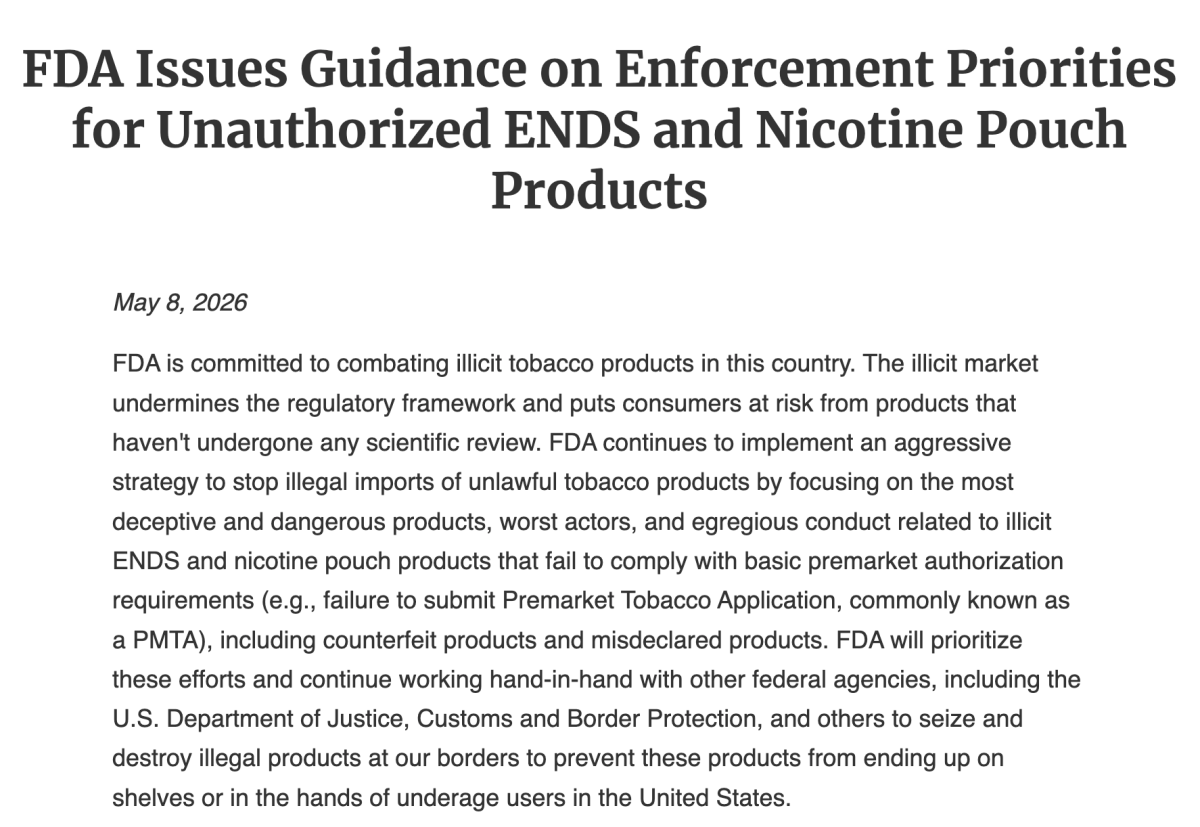
FDA Defines Enforcement Focus for Unauthorized E-Cigarettes and Nicotine Pouches
The U.S. Food and Drug Administration issued guidance on May 8, 2026, titled “Enforcement Priorities for Certain New Tobacco Products Marketed Without Premarket Authorization.” The document describes FDA enforcement policies for certain electronic nicotine delivery system products and nicotine pouch products marketed without premarket authorization.
May.09 by 2FIRSTS.ai