Concerns rise as youth e-cigarette use returns after COVID-19.

Aug.08.2022
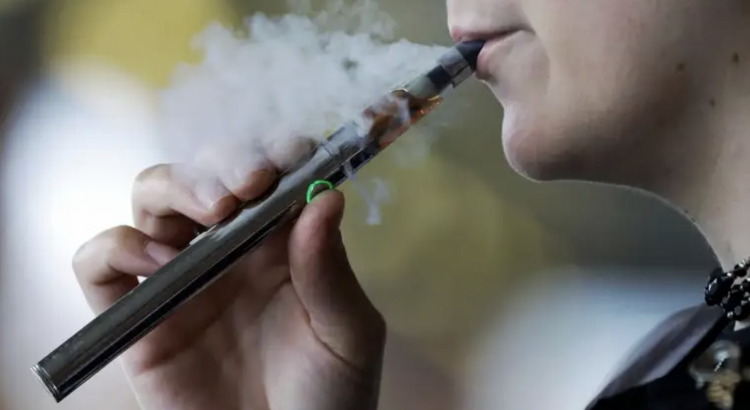
Concerns rise as youth e-cigarette use returns after COVID-19.
New Zealand government worker expresses concern as youth e-cigarette use returns during pandemic.

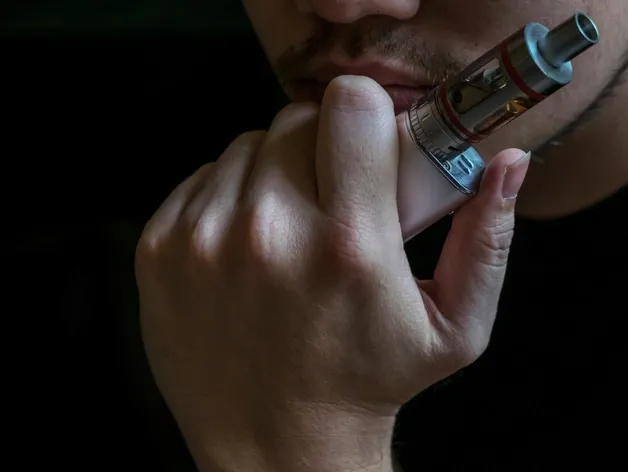
Derek Peterson, a government official from New Zealand, expressed great interest and concern over reading "The Decline of Teen E-cigarette Products Since 2019". As the CEO of Soter Technologies since 2017, he has been at the forefront of the e-cigarette epidemic and has worked with schools and advocates dedicated to protecting young people from the harmful health risks associated with e-cigarettes.


According to reports, the decline in youth e-cigarette use may be attributed to the government's response to the COVID-19 pandemic. The closure of schools, lockdowns, and mandatory remote learning resulting from the pandemic has forced students to learn from home, causing many to experience high levels of stress due to isolation.


According to parents, school officials, and supervisors with whom I work, it is evident that youth e-cigarette usage has resurfaced in the spring term of 2022 and may be worse than it was in 2019. School administrators are urgently seeking ways to prevent young people from smoking e-cigarettes and becoming addicted to nicotine.


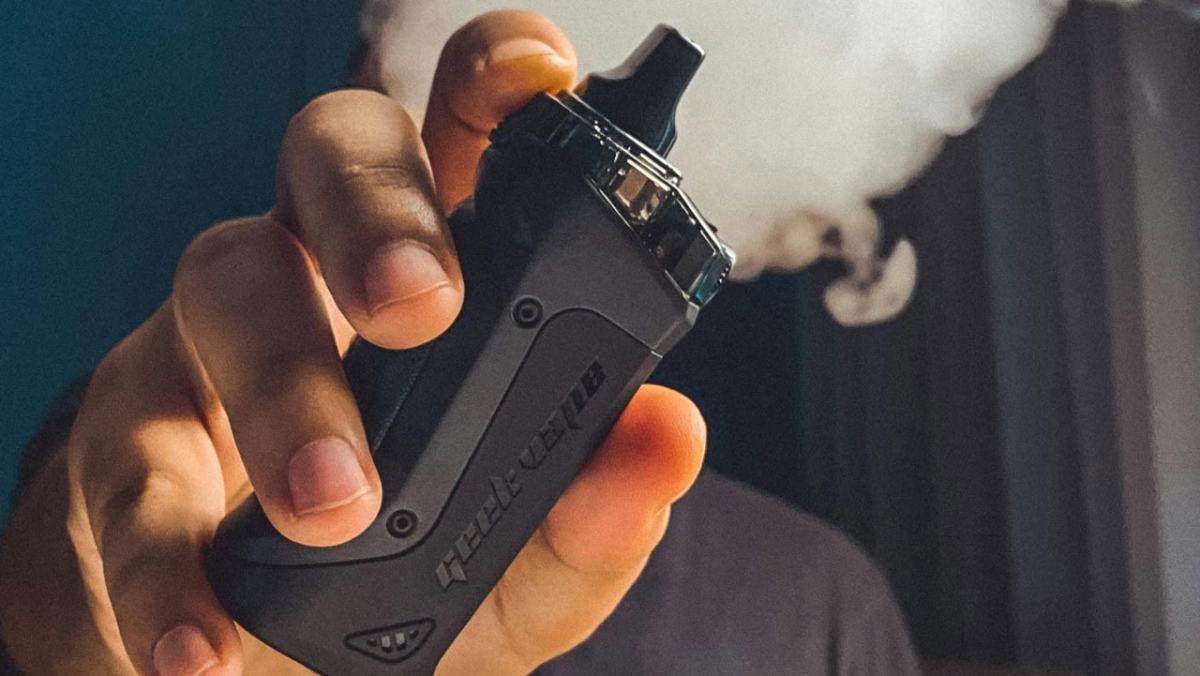
According to industry media in the electronic cigarette sector, the market is worth around $6.1 billion and is expected to grow by 27% by 2028. Many major tobacco companies have ownership stakes or investments in e-cigarette devices and liquid/juice manufacturers. These companies are aware that their nicotine products can be very addictive and are targeting young people.


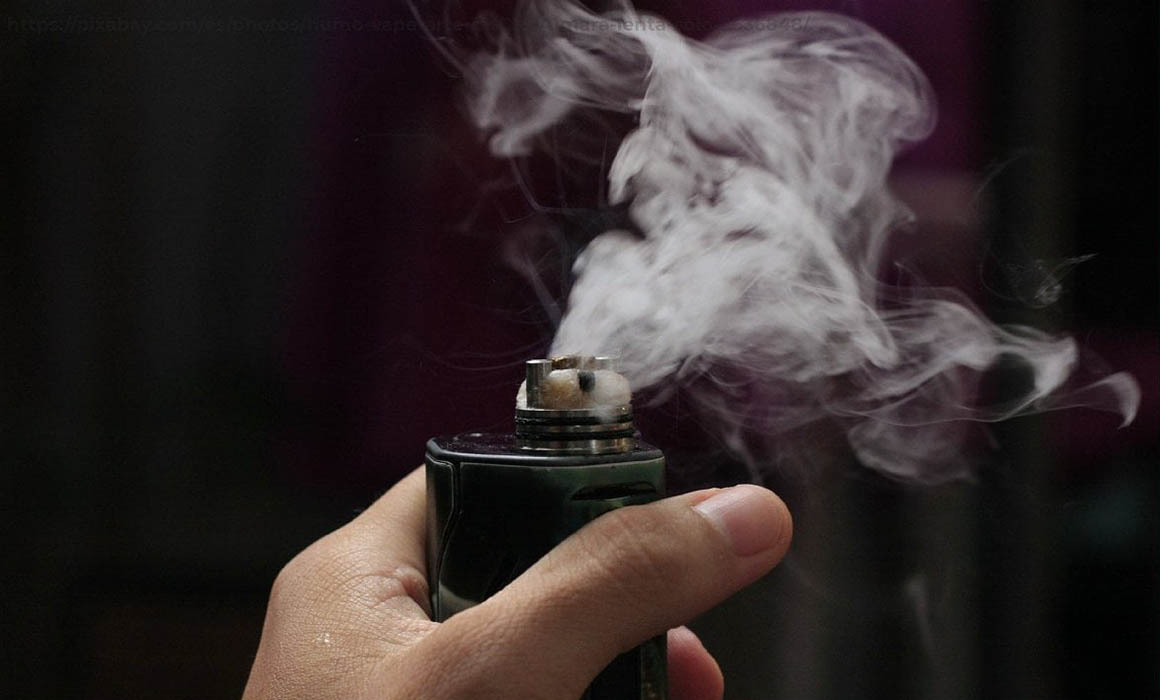
The New Zealand government has issued a statement expressing appreciation for the potential decrease in the use of electronic cigarettes among young people. However, officials emphasize the continued need to educate both young people and parents about the harmful effects e-cigarettes can have on developing bodies. Despite some positive trends, millions of young people continue to use e-cigarettes and harm themselves as a result. Tragically, some young people have already lost their lives to this habit, and more are likely to follow.


Statement


This article is compiled from third-party information and is intended for industry professionals for discussion and learning purposes.


This article does not represent the views of 2FIRSTS and 2FIRSTS cannot confirm the authenticity or accuracy of the content. The translation of this article is intended solely for industry exchange and research purposes.


Due to limitations in our ability to translate, the translation in this article may not accurately reflect the original text. Please refer to the original text for accuracy.


In regards to any domestic issues, as well as situations involving Hong Kong, Macau, and Taiwan, as well as foreign relations, 2FIRSTS maintains complete alignment with the Chinese government.


The copyrights of the compiled information belong to the original media and authors. If there is any infringement, please contact us for deletion.


This document has been generated through artificial intelligence translation and is provided solely for the purposes of industry discourse and learning. Please note that the intellectual property rights of the content belong to the original media source or author. Owing to certain limitations in the translation process, there may be discrepancies between the translated text and the original content. We recommend referring to the original source for complete accuracy. In case of any inaccuracies, we invite you to reach out to us with corrections. If you believe any content has infringed upon your rights, please contact us immediately for its removal.


More Than 500 Stores in Russia’s Nizhny Novgorod Region Voluntarily Stop Selling Vapes
According to the Nizhny Novgorod regional government, 550 stores in the region have voluntarily removed vapes and e-liquids from their product assortments. Regional officials said a public offer encouraging businesses to self-restrict vape sales has been in place since September 2025, and that a large retail chain with more than 40 outlets in Nizhny Novgorod joined the initiative. The regional government also said a federal ban on vape sales is expected in the near future.
Apr.15 by 2FIRSTS.ai
Jeju Health Center to Apply Conventional Tobacco Rules to Liquid E-Cigarettes From April 24
Jeju Health Center said it will apply the same regulations used for conventional tobacco products to all tobacco products, including liquid e-cigarettes, from April 24, while also strengthening public guidance and smoke-free zone management.
Apr.21 by 2FIRSTS.ai
Can hookah go institutional? A hookah company seeking to go public makes its case with capital, technology and regulation
2Firsts explored whether hookah can evolve into a more mature and governable category by interviewing Dubai-based hookah company AIR. AIR argues that strong margins, OOKA’s closed-system model and the prospect of differentiated regulation could support that shift. The larger question is whether this is simply AIR’s capital-markets narrative, or an early sign that competition, regulation and category boundaries in hookah are beginning to change.
Apr.02
FDA Renews Exposure Modification Authorization for IQOS Devices and Three HeatSticks Products
U.S. Food and Drug Administration renewed modified risk granted orders for five IQOS products from Philip Morris Products S.A., including two IQOS system holders and chargers and three HeatSticks products. Under the renewed orders, the products may continue to be marketed with an exposure modification claim.
Apr.20 by 2FIRSTS.ai
BAT Rothmans Upgrades neo™ Boost for glo™ HYPER Series
BAT Rothmans said on April 13 that its heated tobacco brand glo™ will launch an upgraded version of neo™ Boost, the dedicated stick for the HYPER series. The company said the refresh focuses on strengthening freshness and cooling sensations to improve the overall user experience.
Apr.14 by 2FIRSTS.ai
South Korea Expands Tobacco Harmful Components Testing System to Cover Synthetic Nicotine Liquid Vapes
South Korea’s Ministry of Food and Drug Safety said on April 17 that it has additionally designated the International Characterization Research Institute as a tobacco harmful components testing body under the Act on the Management of Tobacco Harmfulness. The institute has research experience in analyzing harmful components in liquid e-cigarettes and has obtained recognition for tobacco-sector ISO 17025 requirements.
Apr.17 by 2FIRSTS.ai