Decline in Tobacco and Alcohol Taxes in UK

Market by 2FIRSTS.ai
Jan.18.2024
Decline in Tobacco and Alcohol Taxes in UK
According to a recent analysis by financial experts RIFT, tobacco and alcohol tax in the UK has dropped at the fastest annual rate in two decades.

According to a January 17th report by British media outlet EINPresswire, the latest analysis from financial experts at RIFT suggests that the total amount of tobacco and alcohol tax received by the HM Revenue and Customs (HMRC) in the UK last year declined at the fastest annual rate in twenty years. Despite a continuous upward trend in tobacco and alcohol revenue during the same period, the data suggests that we may be seeing a trend of decreasing alcohol consumption and smoking habits.


RIFT has analyzed the latest data on tobacco and alcohol tax revenues from HMRC (up to December 2023), illustrating the changes in these tax revenues over the past 20 years and comparing them to NHS healthcare expenditures caused by smoking and alcohol consumption.


Analysis shows that the UK customs collected over £10 billion in tobacco taxes in the 2022/23 fiscal year. Although this is the second-highest total in the past twenty years, it signifies a 2.7% annual decrease, marking the third significant annual decline in two decades. Meanwhile, alcohol taxes paid in the 2022/23 fiscal year amounted to £12.4 billion, the highest total in the past 20 years. However, this represents a 5.1% annual decrease, the most severe single-year decline in two decades. Consequently, the total amount of taxes paid on tobacco and alcohol products last year reached £22.4 billion, despite the substantial sum, it indicates a 4% annual decrease, representing the largest annual reduction in the past 20 years.


This also marks the fourth consecutive year of decline in overall tobacco and alcohol tax revenues over the past two decades. Interestingly, in 2003/04, tobacco taxes accounted for 52% of HMRC's total income, but this proportion has now shifted, with alcohol taxes making up 55%. While smoking and drinking are detrimental to health, additional research by RIFT reveals that smoking-related medical expenses cost the NHS approximately £3.4 billion annually, whereas alcohol-related healthcare issues amount to £4.1 billion each year. Together, these expenses result in an expenditure of nearly £7.5 billion per year due to smoking and alcohol-related problems.


Although the figure itself is substantial, it only represents one-third of HMRC's total revenue from tobacco and alcohol taxes for the 2022/23 fiscal year.


RIFT General Manager Bradley Post commented, "Smoking and drinking are primary vices that many of us hope to quit, and we expect to begin the new year with a positive attitude. Currently, tobacco and alcohol tax revenues remain at their second-highest level in the past twenty years, generating approximately three times the estimated cost of medical services. However, both sources of tax revenue have seen the fastest decline in the past two decades.


One important issue to consider is the rise of e-cigarettes. Currently, e-cigarettes are not subject to the same taxation as tobacco products, although this situation may soon change. As a relatively new phenomenon, we do not yet know how many people choose to use e-cigarettes or what impact this will have on the NHS in the coming years.


We welcome news tips, article submissions, interview requests, or comments on this piece.

Please contact us at info@2firsts.com, or reach out to Alan Zhao, CEO of 2Firsts, on LinkedIn


Notice

1.  This article is intended solely for professional research purposes related to industry, technology, and policy. Any references to brands or products are made purely for objective description and do not constitute any form of endorsement, recommendation, or promotion by 2Firsts.

2.  The use of nicotine-containing products — including, but not limited to, cigarettes, e-cigarettes, nicotine pouchand heated tobacco products — carries significant health risks. Users are responsible for complying with all applicable laws and regulations in their respective jurisdictions.

3.  This article is not intended to serve as the basis for any investment decisions or financial advice. 2Firsts assumes no direct or indirect liability for any inaccuracies or errors in the content.

4.  Access to this article is strictly prohibited for individuals below the legal age in their jurisdiction.


Copyright


This article is either an original work created by 2Firsts or a reproduction from third-party sources with proper attribution. All copyrights and usage rights belong to 2Firsts or the original content provider. Unauthorized reproduction, distribution, or any other form of unauthorized use by any individual or organization is strictly prohibited. Violators will be held legally accountable.

For copyright-related inquiries, please contact: info@2firsts.com


AI Assistance Disclaimer


This article may have been enhanced using AI tools to improve translation and editorial efficiency. However, due to technical limitations, inaccuracies may occur. Readers are encouraged to refer to the cited sources for the most accurate information.

We welcome any corrections or feedback. Please contact us at: info@2firsts.com

How Many Nicotine Pouch Factories Does Europe Need? 2Firsts Interviews AIRSCREAM on the OEM Market
At InterTabac 2026, nicotine pouch growth was visible not only in brands but across equipment, raw materials and OEM manufacturing. 2Firsts interviewed AIRSCREAM commercial head Steve Moore on how many pouch factories Europe may ultimately need and where manufacturers can differentiate, from formulation and flavour to pouch materials, production consistency and customer service. The category continues to expand, but questions remain over future capacity, consolidation and the long-term structure of the supply chain.
Sep.18
U.S. Expands Illicit Vape Enforcement as ATF Brings PACT Act Powers Into Trade Fraud Task Force
The U.S. Bureau of Alcohol, Tobacco, Firearms and Explosives said on September 23 that it has joined the interagency Trade Fraud Task Force to strengthen enforcement against illegal, misdeclared and smuggled vape and tobacco products. ATF will bring its authority under the Prevent All Cigarette Trafficking Act into the task force, including registration, reporting, shipping and record-inspection requirements covering interstate sales of electronic nicotine delivery systems. ATF said the move will strengthen its ability to trace illicit products from U.S. points of entry through domestic trafficking and distribution networks.
News
Sep.28 by 2Firsts Perspectives
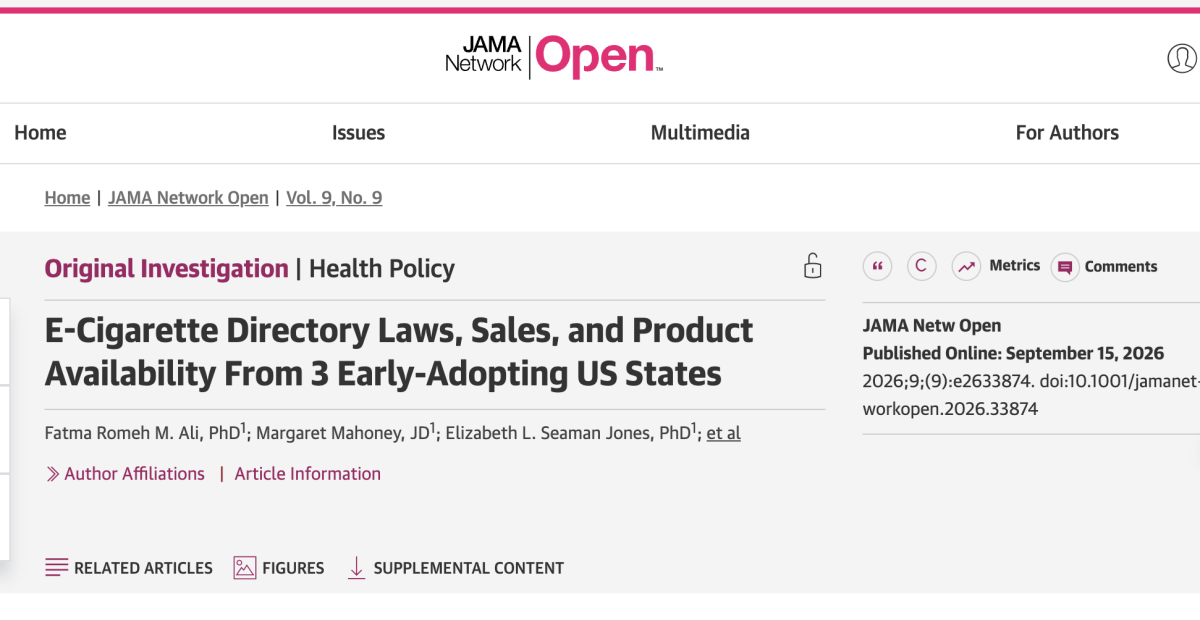
JAMA Study: U.S. Vape Directories Fail to Sustainably Curb Unlisted Sales as Product Shifts May Redistribute Brand Share 2Firsts Recommended
A study by CDC Foundation researchers found no sustained decline in e-cigarette sales across Alabama, Oklahoma and Louisiana, the first three U.S. states to implement e-cigarette directory laws. Louisiana initially saw a significant sales decline, followed by a rebound and a persistent reduction in product availability. Sales also shifted from nontobacco-flavored disposables toward prefilled cartridges, with Vuse Alto driving much of the increase in menthol cartridges. By April 2025, unlisted products still accounted for more than half of e-cigarette nicotine sales in all three states.
Sep.18
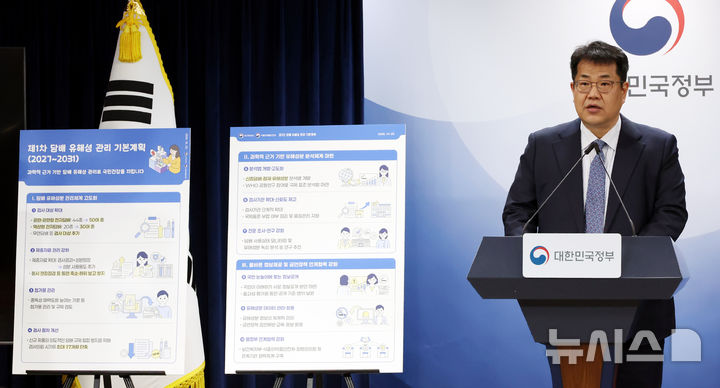
South Korea's Tobacco Plan Excludes 6-Methyl Nicotine as Customs Tightens Import Controls and Analog Liquid Imports Fall 83%
South Korea's government unveiled its first Tobacco Harm Management Basic Plan for 2027–2031 on October 29, 2026, proposing broader testing of vaping and heated tobacco products while excluding nicotine analogs such as 6-methyl nicotine. Synthetic nicotine came under tobacco regulation on April 24, and a June investigation found 6-methyl nicotine in 12 liquid inhalation products marketed as nicotine-free. Customs data released in September showed that imports of nicotine analog solutions fell 83.3%, from 12 metric tons in January–April to 2 metric tons in May–August. By September 20, imports had reached approximately 15 metric tons for the year, with 99.99% originating from China. Customs authorities have tightened pre-clearance testing and supply-chain documentation requirements, while the MFDS expects to complete its assessment of nicotine analog hazards by the end of 2026.
Regulations
Nov.04
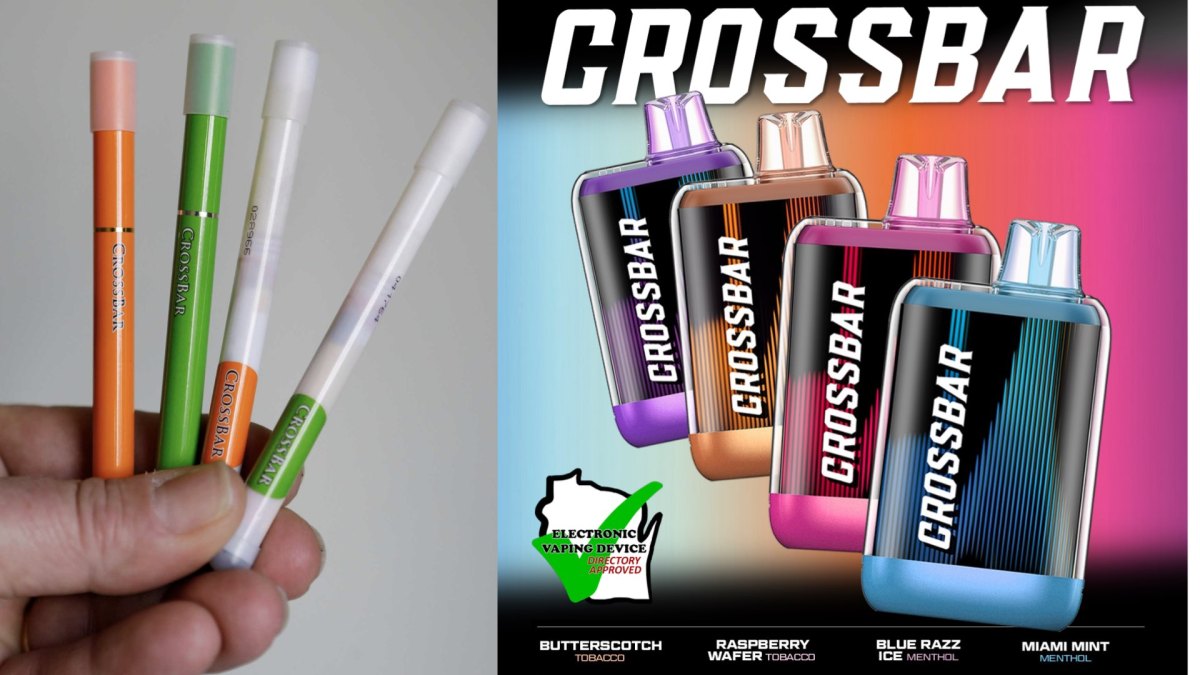
Special Report|CrossBar's High-Puff Vapes Draw Attention on Pennsylvania's 163-Product Directory as Link Between Earlier 1.3mL PMTA Filings and New 13mL Products Remains Unclear
Pennsylvania began enforcing its electronic nicotine delivery system directory restrictions on October 19, 2026. Among 163 product listings recorded before enforcement, four CrossBar 20K disposables stood out with 13mL capacity, advertised puff counts of up to 20,000 and a flattened design distinct from conventional pod systems and compact disposables. Historical records identify earlier 1.3mL CrossBar products associated with Romo LLC, while newer 13mL products appeared in several state directories beginning in 2025 under entities including Blue Nine LLC. PMTA compliance expert Mr. K identified amendments and application ownership transfers as possible regulatory mechanisms, although neither has been confirmed in this case. Separately, Reynolds' $7.5 million acquisition of 16 PACHA products and related assets illustrates the commercial value of products linked to historic PMTA submissions.
Special Report
Oct.22
FDA Appoints Former Tobacco Enforcement Deputy Jessica Zeller as Director as Agency Weighs PMTA Framework Changes
The U.S. Food and Drug Administration (FDA) has named Jessica Zeller director of the Center for Tobacco Products' (CTP) Office of Compliance and Enforcement (OCE), effective November 1, 2026. Zeller, the office's inaugural deputy director, returns from medical device manufacturer Edwards Lifesciences with more than 20 years of regulatory and legal experience. The appointment follows CTP leadership changes and adjustments to tobacco regulation. Bret Koplow became permanent CTP director in September; the FDA revised enforcement priorities for unauthorized e-cigarettes and nicotine pouches in May and announced faster PMTA review procedures. On September 28, the agency said it would evaluate changes to the existing PMTA regulatory framework, including potential rulemaking to replace it.
FDA
Oct.20 by 2Firsts Perspectives