Indonesian Small Businesses Concerned About New Health Regulation

Regulations by 2FIRSTS.ai
May.23.2024
Indonesian Small Businesses Concerned About New Health Regulation
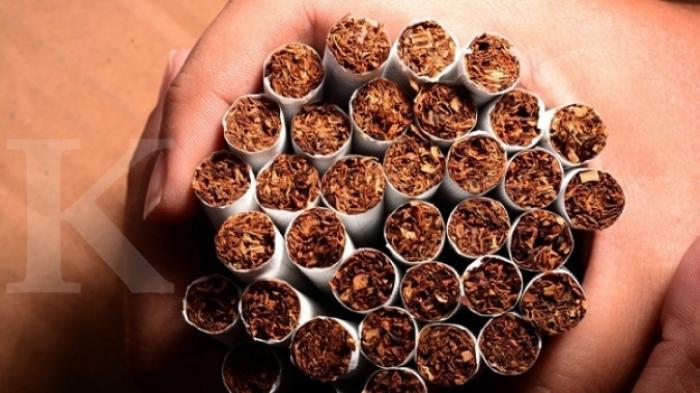
New Indonesian health regulation banning tobacco sales within 200 meters of educational facilities sparks concern among small businesses.

According to a report by Tribunnews on May 22, the new health regulation proposed by the Indonesian government, known as the Government Health Regulations draft (RPP), has garnered attention from micro, small, and medium enterprises (UMKM).


Specific provisions of this new regulation include a ban on the sale of tobacco products within 200 meters of educational institutions.


The chairman of the Indonesian People's Economic Committee (Komite Ekonomi Rakyat Indonesia, KERIS) and the chairman of the Street Vendor Association (Asosiasi Pedagang Kaki Lima Perjuangan, APKLI Perjuangan), Ali Mahsun Atmo, stated that the Indonesian government needs to reach a consensus with stakeholders on the tobacco regulations in the RPP when formulating these regulations.


Merchants in the area are no longer allowed to sell tobacco, even though tobacco is a legal product with a minimum purchasing age restriction. This will have a significant impact on the business operations of the affected small shop owners.


A vendor who runs a small shop in the southern part of Jakarta expressed concern that the regulation banning the sale of tobacco products within 200 meters of educational institutions is discriminatory and will greatly impact their business. Furthermore, the vendors are unfamiliar with this new regulation, which could potentially lead to miscommunication with officials responsible for enforcing it.


We welcome news tips, article submissions, interview requests, or comments on this piece.

Please contact us at info@2firsts.com, or reach out to Alan Zhao, CEO of 2Firsts, on LinkedIn


Notice

1.  This article is intended solely for professional research purposes related to industry, technology, and policy. Any references to brands or products are made purely for objective description and do not constitute any form of endorsement, recommendation, or promotion by 2Firsts.

2.  The use of nicotine-containing products — including, but not limited to, cigarettes, e-cigarettes, nicotine pouchand heated tobacco products — carries significant health risks. Users are responsible for complying with all applicable laws and regulations in their respective jurisdictions.

3.  This article is not intended to serve as the basis for any investment decisions or financial advice. 2Firsts assumes no direct or indirect liability for any inaccuracies or errors in the content.

4.  Access to this article is strictly prohibited for individuals below the legal age in their jurisdiction.


Copyright


This article is either an original work created by 2Firsts or a reproduction from third-party sources with proper attribution. All copyrights and usage rights belong to 2Firsts or the original content provider. Unauthorized reproduction, distribution, or any other form of unauthorized use by any individual or organization is strictly prohibited. Violators will be held legally accountable.

For copyright-related inquiries, please contact: info@2firsts.com


AI Assistance Disclaimer


This article may have been enhanced using AI tools to improve translation and editorial efficiency. However, due to technical limitations, inaccuracies may occur. Readers are encouraged to refer to the cited sources for the most accurate information.

We welcome any corrections or feedback. Please contact us at: info@2firsts.com

NAS 2026 | Cliff Douglas: Risk Continuum Should Play a Central Role in Tobacco Policy
Cliff Douglas, a veteran U.S. tobacco-control and public health policy figure, told NAS 2026 that the “continuum of risk” should play a central role in tobacco policy. He called for clearer market pathways, stronger risk communication, differentiated regulation and enforcement, and said possible FDA reforms to PMTA reviews could be a “welcome correction” if they create a more efficient, predictable route for scientifically substantiated lower-risk products. Read 2Firsts’ on-site coverage.
Sep.26
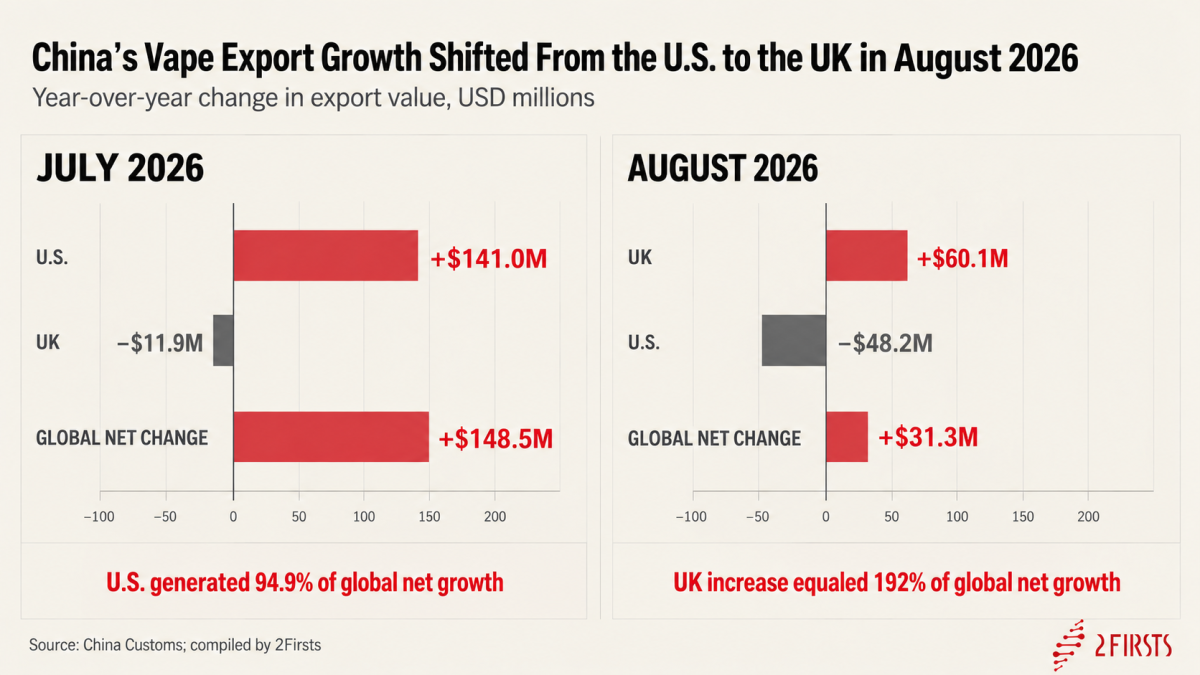
2Firsts Data|China’s Vape-Related Exports Rose 3.3% in August 2026 as UK Shipments Jumped 51.4% and U.S. Exports Fell 12.4%
China exported $979 million of vape-related products in August 2026, up 3.3% from a year earlier but down 6.4% from July. The UK replaced the U.S. as the main source of growth: UK-bound shipments jumped 51.4% to a 2026 high of $177 million, while exports to the U.S. fell 12.4% to $339 million. Shipments to markets outside the U.S. increased 14.2%, broadening growth beyond the market that had driven July’s rebound.
News
Sep.23 by 2Firsts Perspectives
Russia Expands Temporary Administration of JTI Assets in Second Round: From Four to All Seven Russian Entities, With Approximately $9.5 Billion in Related Assets
Japan Tobacco Inc. (JT) confirmed on November 9, 2026, that all seven of its Russian entities had been placed under temporary administration after a second presidential decree added three companies to the four designated a day earlier. The additional entities are associated with importing, management, holdings and the former supply of Ploom heated-tobacco devices. JT disclosed approximately ¥1.5 trillion in Russian business-related assets as of September 30, including ¥360 billion in cash and deposits, and approximately ¥200 billion in liabilities. Under its revised FY2026 forecast, Russia accounts for about 25% of adjusted operating profit. JT said operations in Russia were continuing, while the financial impact remained under assessment.
company
Nov.09
How Many Nicotine Pouch Factories Does Europe Need? 2Firsts Interviews AIRSCREAM on the OEM Market
At InterTabac 2026, nicotine pouch growth was visible not only in brands but across equipment, raw materials and OEM manufacturing. 2Firsts interviewed AIRSCREAM commercial head Steve Moore on how many pouch factories Europe may ultimately need and where manufacturers can differentiate, from formulation and flavour to pouch materials, production consistency and customer service. The category continues to expand, but questions remain over future capacity, consolidation and the long-term structure of the supply chain.
Sep.18
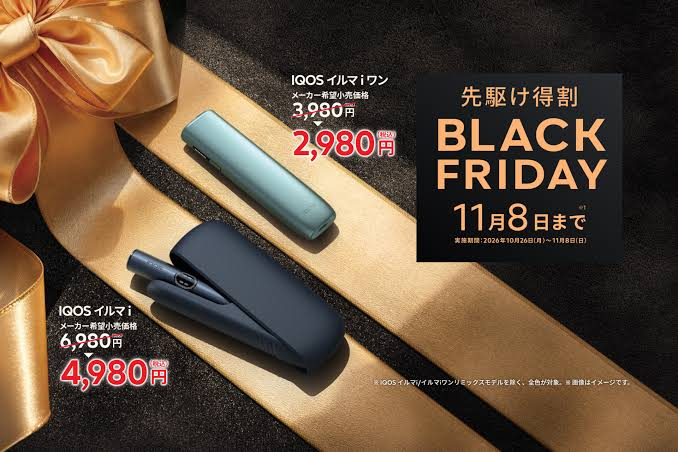
PMI Launches Fourth IQOS Convenience-Store Discount of 2026 for Black Friday in Japan, Cutting ILUMA i ONE to About $19 After Ploom AURA Fell to About $9
Philip Morris Japan launched its fourth confirmed nationwide convenience-store discount campaign for IQOS ILUMA i devices in 2026 on October 26, cutting three models by as much as ¥2,000, or about $12.70. The campaign began one day after JT ended a promotion that reduced Ploom AURA to ¥1,480, or about $9.40. JT says Ploom's share of Japan's heated-products category rose from 10.9% in January 2024 to 18.3% in June 2026, a gain of 7.4 percentage points, while PMI says IQOS still held about 68% category share in the third quarter. At the same time, Japan's two-stage heated-tobacco tax adjustment has pushed stick prices higher, leaving device discounts as an increasingly important tool for lowering the upfront cost of customer acquisition.
Market
Oct.28
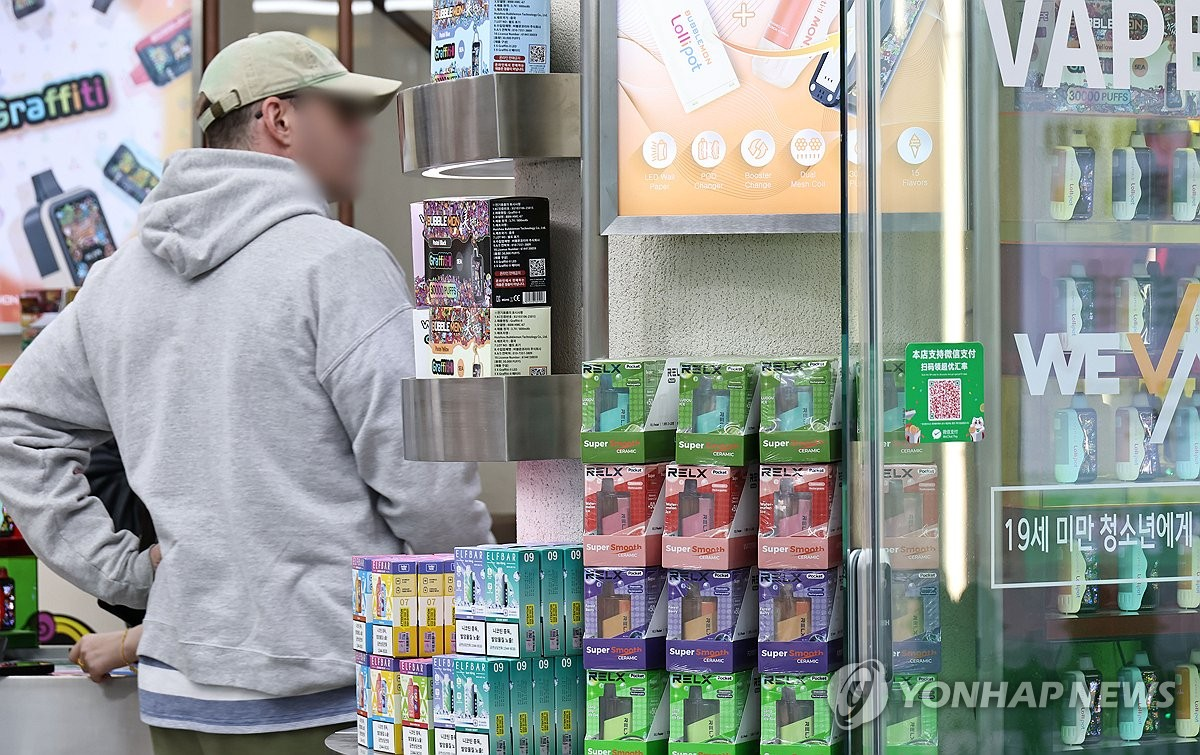
South Korea Fully Reviews Nicotine-Analog and Nicotine-Free Vape Liquid Imports, With Over 99% From China and Chinese Supply-Chain Documents Under Scrutiny
Korea Customs Service has tightened import controls on nicotine-analog and nicotine-free e-cigarette liquids, placing the products under 100% document review and subjecting all e-cigarette liquid import declarations to pre-clearance ingredient analysis. As of September 20, 2026, South Korea had imported about 15 metric tons of nicotine-analog liquids, 99.99% from China, and about 316 metric tons of nicotine-free liquids, including roughly 315 metric tons, or 99.7%, from China. The measures follow South Korea's April expansion of its tobacco definition to include synthetic nicotine products and include new checks on Chinese manufacturing, transaction and export documentation.
Sep.24