Key Points
- Iowa published its first directory containing 361 vapor product entries on November 16. Unlisted products cannot be sold or offered for sale; directory-related penalty enforcement begins December 17.
- Route 69 Vapor said more than 98% of its inventory was unlisted, while Central Iowa Vapors reported that approximately 91% of its existing product assortment was excluded.
- Central Iowa Vapors disclosed earlier store closures and staffing reductions and plans another closure in December. Puff N’ Pour reported nearly $15,000 in unreturnable vape inventory.
- Lobbying records show that Casey’s, Maverik and Altria supported House File 2677 during the 2024 legislative process. Convenience retail association FUELIowa also backed implementation.
- The directory contains products from Vuse, JUUL and NJOY alongside certain independent vaping brands. Inclusion does not constitute FDA marketing authorization.
2Firsts
November 19, 2026
Independent vape retailers in Iowa are reporting extensive product restrictions, stranded inventory and plans to adjust store operations after the state's first vapor products directory took effect on November 16. Legislative records, meanwhile, show that major convenience store and fuel retail chains Casey’s and Maverik, along with Altria, previously supported the law establishing the directory.
According to interviews published on November 18 by the Des Moines Register and Iowa Public Radio, specialty vape retailer Route 69 Vapor said more than 98% of its inventory was excluded from the initial directory. Central Iowa Vapors said approximately 91% of its previous product assortment was unlisted and disclosed plans to close another store.
The Iowa Department of Revenue's first directory contains 361 product entries. Products not included in the directory cannot be sold or offered for sale in the state as of November 16.
The responses from independent specialty stores contrast with earlier legislative support from major convenience retailers and tobacco companies, reflecting differing commercial interests across brands, distribution networks and retail formats.
Specialty Vape Retailers Report Extensive Product Restrictions and Store Cuts
Heather Glenn, who operates three Route 69 Vapor stores in the Des Moines area, told the Des Moines Register that more than 98% of her inventory was excluded from Iowa's initial directory.
Glenn said her stores had differentiated themselves from conventional convenience retailers through product selection, flavors and nicotine strengths, and had not carried certain vaping brands associated with large tobacco companies.
Central Iowa Vapors, another specialty vaping chain, reported a similarly large impact.
According to the Des Moines Register, CEO Monica Reynolds said approximately 9% of the company's previous product assortment appeared on the directory.
In a separate interview with Iowa Public Radio, Reynolds said the directory excluded about 90% of the company's bottled e-liquid selection and all the disposable vapes it had previously stocked.
She said the business had stopped reordering some merchandise and used discounts to reduce inventory before the directory was published.
Reynolds currently operates or has ownership interests in an 11-store Central Iowa Vapors retail network, which plans to close its Ankeny location on December 9.
She said the business closed stores in Cedar Falls and Iowa City in 2025, followed by Adel and Waterloo earlier in 2026. She attributed the decisions to preparations for the directory requirements.
Staffing declined from 78 employees a year earlier to 44, according to Reynolds, who estimated the financial impact could exceed $300,000.
Several of the closures preceded the directory's formal publication, and the financial impact figure is the operator's estimate rather than independently verified losses.
Mixed Tobacco Retailer Reports $15,000 in Inventory Exposure
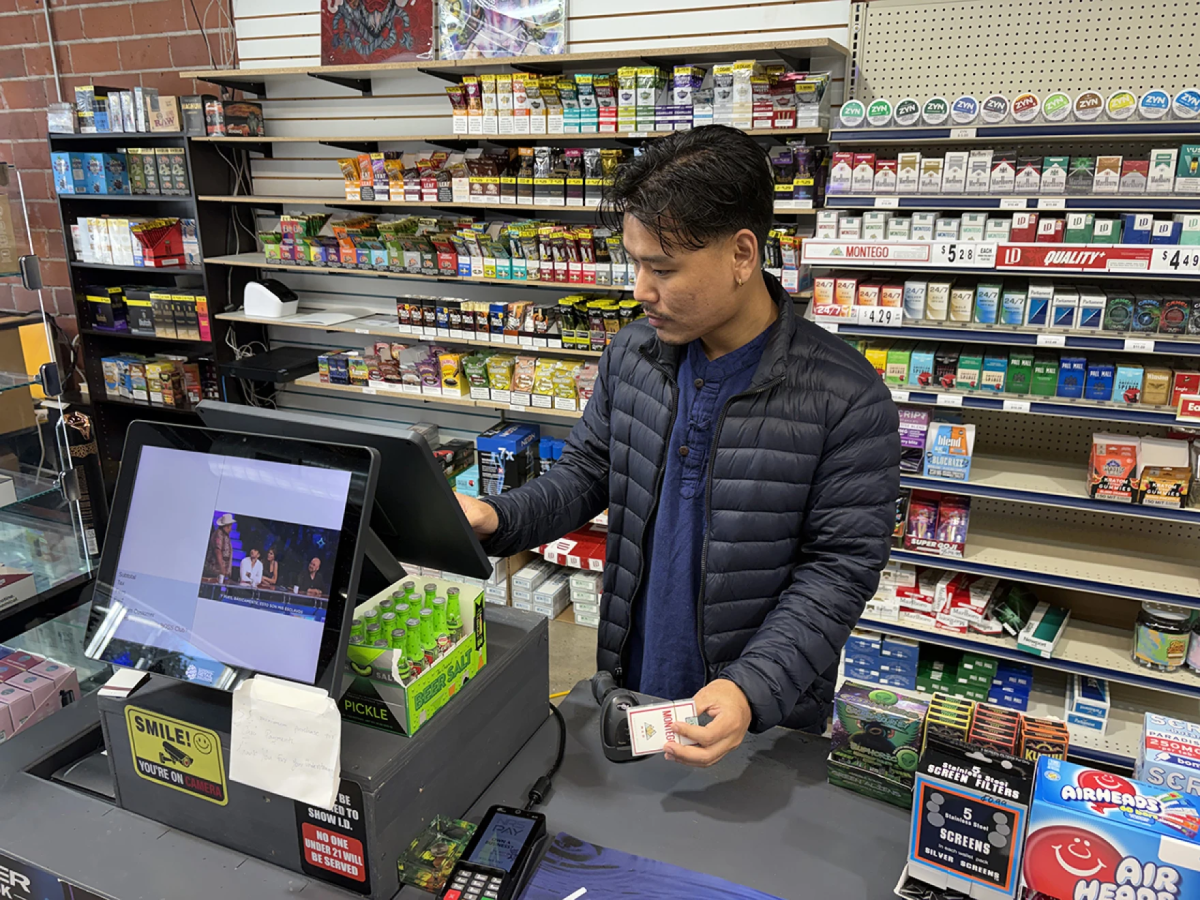
Puff N’ Pour, a Des Moines retailer selling cigarettes and other products alongside vapes, has reported a different type of commercial exposure.
Owner Manoj Rai told Iowa Public Radio that vaping products account for approximately 30% to 40% of the store's revenue.
Following the directory's publication, Rai said the store had nearly $15,000 in unlisted vape inventory that suppliers were unwilling to accept for return.
He said some listed alternatives were more expensive, offered fewer advertised puffs or lacked flavors regularly purchased by his customers.
Rai intends to adjust the store's assortment but is uncertain whether other products can replace potentially lost vape sales.
Specialty vape shops face restrictions affecting major portions of their core product assortments. Retailers carrying cigarettes and other merchandise face additional questions about the value of unsold inventory and vaping's contribution to total revenue.
Separately, Kaleeb Wilson, a manager involved with Up in Smoke and other tobacco and vaping stores, previously told local media that repeated regulatory and legal changes had complicated inventory planning. He favored stronger age-verification technology and retail enforcement.
Casey’s, Maverik and Altria Backed the Law as Convenience Retailers Emphasized Fair Competition
Some major convenience store chains and tobacco companies adopted a different position during the legislative process.
Iowa Legislature lobbying records show that Casey’s General Stores, a U.S. convenience store and fuel retail chain, registered support for House File 2677 on April 10, 2024.
Maverik, another convenience and fuel retailer, initially registered as undecided on March 29 before changing its position to support on April 17.
Altria Client Services and its affiliates registered support for the legislation on March 29, 2024.
FUELIowa, an association representing fuel marketers, convenience retailers and related businesses, published an August 2026 update supporting the directory's implementation and linking the rules to reducing unlawful vaping product distribution and improving competitive conditions among retailers.
The association said some convenience store members had sought information about the implementation timetable and procedures, and that it was communicating with state revenue authorities.
Some specialty vape retailers, including Central Iowa Vapors, had previously participated in litigation challenging the directory.
A federal district court initially blocked implementation in May 2025. The U.S. Court of Appeals for the Eighth Circuit reversed the relevant ruling on July 30, 2026, and the district court dissolved the injunction on September 3.
The product composition of the directory provides further commercial context.
In an analysis published on November 17, 2Firsts found that among 175 non-bottled vaping product entries, British American Tobacco's Vuse accounted for 48, JUUL for 45 and Altria-owned NJOY for 13. Together, the three brands represented 106 entries, or 60.6% of that category.
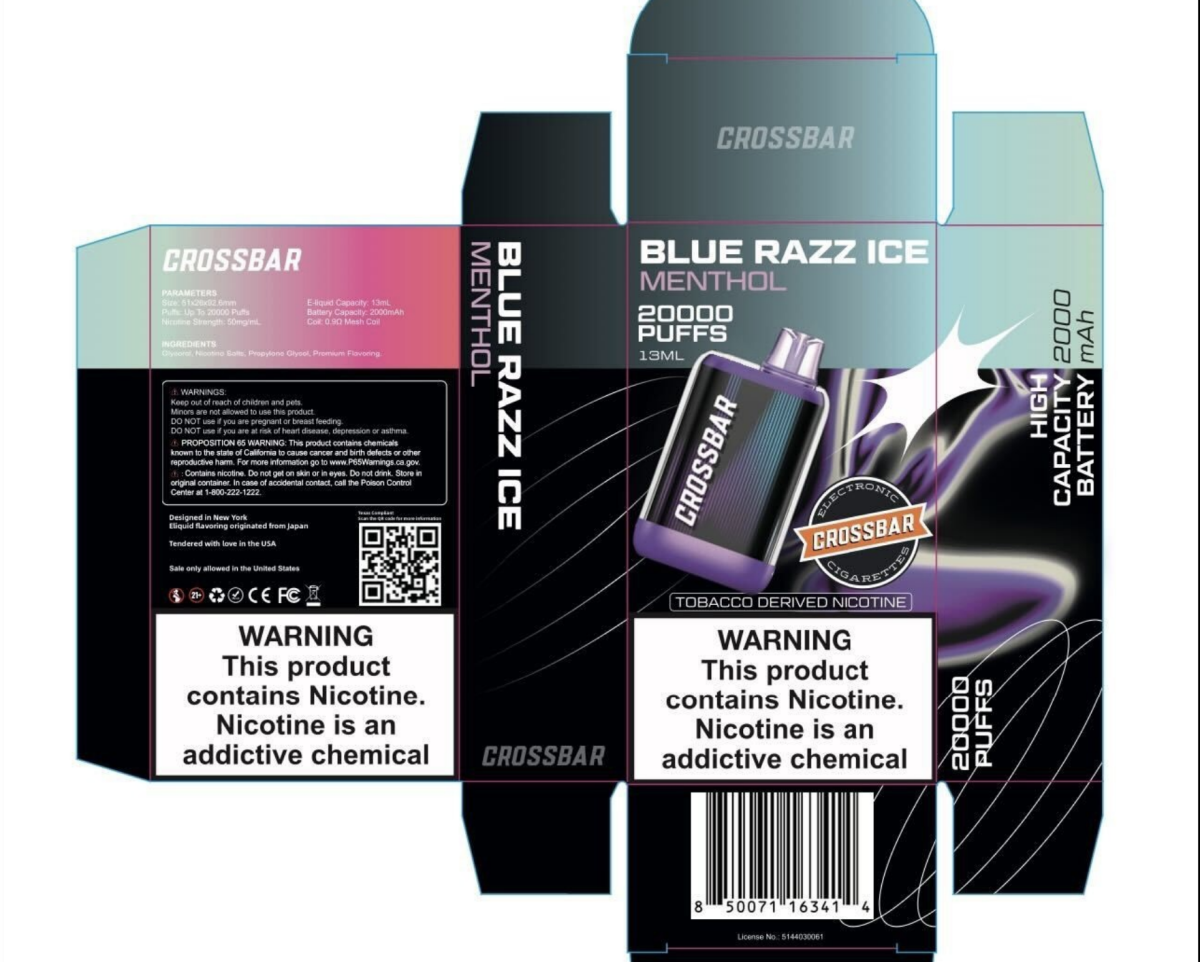
The directory also includes disposable vaping products from independent brands such as Loon and Crossbar, as well as bottled e-liquids.
The listed assortment differs substantially from those previously carried by some specialty vape retailers.
Major tobacco companies and brands such as JUUL have long distributed vaping products through traditional retail channels, including convenience stores. Independent vaping brands also operate through specialized distributors, vape shops and other tobacco retail outlets.
Casey’s and Maverik's documented support dates to the 2024 legislative process. As of November 19, neither chain had publicly disclosed the directory's impact on its vape inventory, sales or market share.
Rules Extend to Distributors and Wholesalers; Penalty Enforcement Begins December 17
Under the Iowa Department of Revenue's November 16 announcement, products absent from the state's initial directory cannot be sold or offered for sale.
The department's compliance notice also instructs retailers to check products on shelves and in storage, immediately remove unlisted items, and purchase vaping products only from distributors or subjobbers holding valid Iowa licenses.
The restrictions apply to distributors, wholesalers and manufacturers as well. A pending application with the U.S. Food and Drug Administration does not permit sales of a product that is absent from Iowa's directory.
The state requires manufacturers to certify that listed products meet prescribed conditions, including either obtaining FDA marketing authorization or satisfying specified historical marketing and premarket tobacco product application requirements.
Of the initial 361 entries, 73 are marked FDA Authorized and 288 are marked Pending, according to 2Firsts' earlier analysis.
Pending is a classification used in Iowa's directory. The Department of Revenue states that inclusion does not establish that a product satisfies all other applicable federal or state legal requirements.
The department said it would focus on compliance education during the first 21 business days after publication and begin enforcing directory-related penalties on December 17. Other applicable enforcement powers remain available during this period.
The directory will be updated at least monthly. Retailers and distributors must remove any subsequently delisted products and return them to the manufacturer within the applicable 21-business-day period.
The framework affects the selection available to specialty vape shops and the conditions under which manufacturers, wholesalers and distributors can supply Iowa's retail market.
The business reactions disclosed so far have come mainly from specialty vape stores and some mixed tobacco retailers. Changes in sales, orders and inventories at major convenience chains and upstream suppliers have yet to be established.
Follow 2Firsts for reporting on global tobacco and nicotine regulation, retail distribution and industry competition.
Cover Image:Iowa Public Radio