Malaysian Police Seize 900 Vape Products Suspected of Smuggling from Thailand

Nov.25.2024
Malaysian Police Seize 900 Vape Products Suspected of Smuggling from Thailand
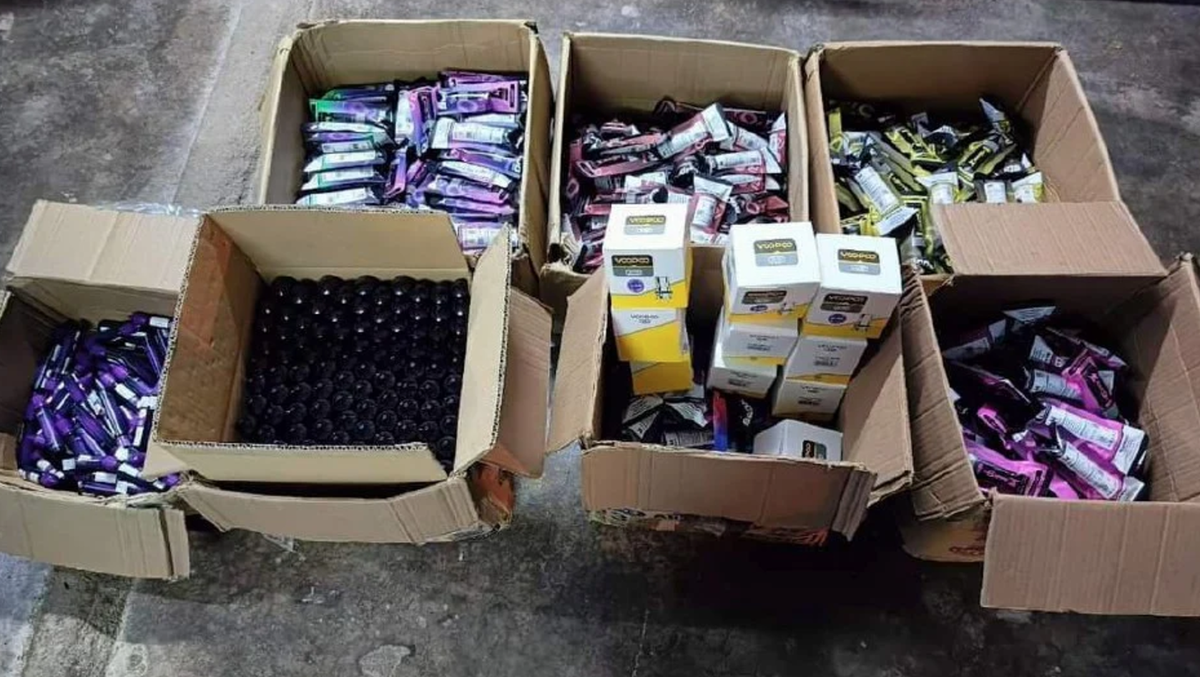
Malaysian police have seized over 900 vape products and 390 bottles of vape e-liquid, suspected to have been smuggled in from Thailand. The case is currently under investigation.

According to a report by Berita Harian on November 24, the Malaysian Special Action Force (PGA) seized over 900 e-cigarette products and 390 bottles of e-cigarette liquid in the Rantau Panjang area, with a total value of RM 221,500 (approximately $230).


The department commander, Datuk Nik Ros Azhan Nik Abd Hamid, revealed that a task force discovered a suspicious vehicle at the illegal jetty, and upon inspection, found that this batch of e-cigarette devices and e-liquid are suspected to have been smuggled from Thailand.


This case is currently being investigated in accordance with Section 135(1)(d) of the Customs Act of 1967. The items that have been seized so far have been sent to the Langdao Police Station for further processing.


We welcome news tips, article submissions, interview requests, or comments on this piece.

Please contact us at info@2firsts.com, or reach out to Alan Zhao, CEO of 2Firsts, on LinkedIn


Notice

1.  This article is intended solely for professional research purposes related to industry, technology, and policy. Any references to brands or products are made purely for objective description and do not constitute any form of endorsement, recommendation, or promotion by 2Firsts.

2.  The use of nicotine-containing products — including, but not limited to, cigarettes, e-cigarettes, nicotine pouchand heated tobacco products — carries significant health risks. Users are responsible for complying with all applicable laws and regulations in their respective jurisdictions.

3.  This article is not intended to serve as the basis for any investment decisions or financial advice. 2Firsts assumes no direct or indirect liability for any inaccuracies or errors in the content.

4.  Access to this article is strictly prohibited for individuals below the legal age in their jurisdiction.


Copyright


This article is either an original work created by 2Firsts or a reproduction from third-party sources with proper attribution. All copyrights and usage rights belong to 2Firsts or the original content provider. Unauthorized reproduction, distribution, or any other form of unauthorized use by any individual or organization is strictly prohibited. Violators will be held legally accountable.

For copyright-related inquiries, please contact: info@2firsts.com


AI Assistance Disclaimer


This article may have been enhanced using AI tools to improve translation and editorial efficiency. However, due to technical limitations, inaccuracies may occur. Readers are encouraged to refer to the cited sources for the most accurate information.

We welcome any corrections or feedback. Please contact us at: info@2firsts.com

FDA Appoints Former Tobacco Enforcement Deputy Jessica Zeller as Director as Agency Weighs PMTA Framework Changes
The U.S. Food and Drug Administration (FDA) has named Jessica Zeller director of the Center for Tobacco Products' (CTP) Office of Compliance and Enforcement (OCE), effective November 1, 2026. Zeller, the office's inaugural deputy director, returns from medical device manufacturer Edwards Lifesciences with more than 20 years of regulatory and legal experience. The appointment follows CTP leadership changes and adjustments to tobacco regulation. Bret Koplow became permanent CTP director in September; the FDA revised enforcement priorities for unauthorized e-cigarettes and nicotine pouches in May and announced faster PMTA review procedures. On September 28, the agency said it would evaluate changes to the existing PMTA regulatory framework, including potential rulemaking to replace it.
FDA
Oct.20 by 2Firsts Perspectives
Los Angeles Cracks Down on Illicit Flavored Vapes and Counterfeit Goods: 12 Businesses Searched, 24 Arrested, Eight Truckloads Seized
Los Angeles authorities searched 12 businesses and arrested 24 people during a multi-agency operation targeting illicit flavored vaping products, flavored cigarettes and counterfeit merchandise on October 22, 2026. The Los Angeles County Sheriff's Department said approximately eight tractor-trailer loads of merchandise were seized. Alleged violations involved flavored tobacco sales restrictions, tobacco licensing requirements and counterfeit trademark laws. Local, state and federal agencies participated. Authorities have not disclosed the number, brands or value of vaping products seized. Investigations remain ongoing.
Enforcement
Oct.28
Philippines BIR Steps Up Illicit Vape Enforcement Ahead of Christmas Shopping
The Philippines’ Bureau of Internal Revenue is intensifying enforcement against illicit vape and tobacco products ahead of the Christmas shopping season, directing regional and enforcement offices to strengthen monitoring of production sites, warehouses, distribution channels and retail outlets. The BIR destroyed 240,550 illicit vape products in August with an estimated tax liability of about PHP1.53 billion. A nationwide tax-compliance operation in July also inspected 3,590 businesses involved in tobacco and vapor products.
Regulations
Sep.17 by 2Firsts Perspectives
2Firsts First Look|China to End VAT Export Rebates on Vape Devices and Nicotine in April 2027, Following Earlier Removal for HTP Devices and Nicotine Vapes
China's Ministry of Finance and State Taxation Administration announced on October 12, 2026, that value-added tax (VAT) export rebates for vape devices, nicotine and its salts, and certain non-combustible inhalation products will be eliminated from April 1, 2027. The measure adds four tobacco- and nicotine-related customs codes, including 8543400010, which covers vape devices and qualifying empty pods. China previously eliminated rebates for nicotine-containing vaping products and devices under code 8543400090 in April 2026. According to industry classification information held by 2Firsts, the latter currently corresponds to heated tobacco devices. Export excise tax refund and exemption arrangements will remain unchanged.
Special Report
Oct.12
EU Tobacco Tax Reform Stalls as Malta Withholds Support Despite Backing From 26 States
EU finance ministers failed to reach agreement on tobacco excise reform at the November 9, 2026 Economic and Financial Affairs Council (ECOFIN) meeting in Brussels. The Irish Council presidency's compromise secured support from 26 of the EU's 27 member states, but Malta withheld consent, preventing the Council from reaching a general approach requiring unanimity. The reform would raise minimum taxes on conventional tobacco and bring e-cigarette liquids, heated tobacco and nicotine pouches into a common EU minimum excise framework. Finland and Estonia accepted further concessions during the meeting, while the presidency proposed separating the inclusion of nicotine pouches in the framework from setting their precise minimum tax rates. Another compromise would allow ten qualifying member states until 2036 to meet certain tobacco excise requirements. Ireland intends to continue negotiations in December.
Regulations
Nov.11
As Regulators Focus on Nicotine Pouch Child Safety, Safeguard Pursues an External Packaging Route
As regulators pay closer attention to child safety in nicotine pouches, manufacturers face a practical challenge: how to strengthen child-resistant packaging without unnecessarily reworking products, production lines and regulatory submissions already in place. In a written interview with 2Firsts, Chemular detailed Safeguard’s external packaging approach, its customer-specific testing requirements and possible PMTA pathways. The model remains early-stage, but it offers a new way to think about an increasingly important regulatory and manufacturing issue.
Industry Insight
Sep.19