Sarawak Cabinet Approves Gradual Ban on Vape Products to Curb Rising Youth Use

Nov.17.2025
Sarawak Cabinet Approves Gradual Ban on Vape Products to Curb Rising Youth Use
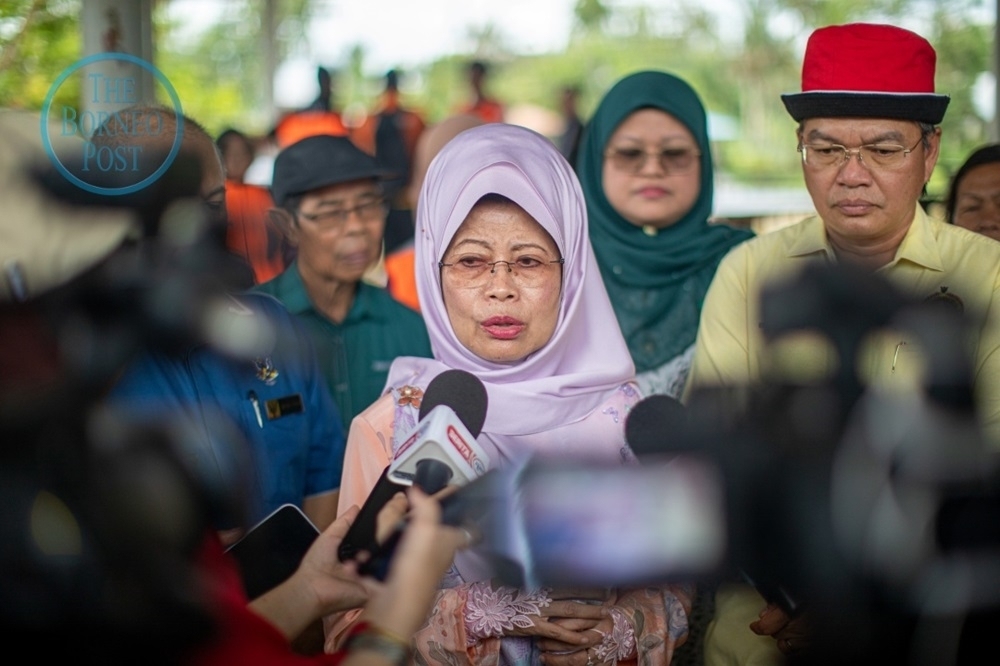
The Sarawak Cabinet has agreed to implement a phased ban on vape products amid growing concern over rising use among youths. Welfare, Community Wellbeing, Women, Family and Childhood Development Minister Datuk Seri Fatimah Abdullah said the move demonstrates the state’s firm commitment to safeguarding young people’s health and future.

Key Points


  • Sarawak Cabinet approves a phased ban on vape products to address increasing youth use.
  • Police records show nine cases and 15 arrests since 2023, with 209.55ml of prohibited vape liquids seized.
  • State Education Department reported 1,075 students involved in vaping.
  • Sarawak recorded the highest adolescent vape rate in Malaysia in 2022, with an estimated 39,608 users aged 13–17.
  • The state’s One Stop Committee on Drugs and Substance Abuse (OSC) will lead prevention, treatment, and community reintegration initiatives.


2Firsts, November 17, 2025 — According to The Star,the Sarawak Cabinet has agreed to implement a gradual ban on vape products in an effort to tackle rising usage among young people and the wider community.


Minister of Welfare, Community Wellbeing, Women, Family and Childhood Development Datuk Seri Fatimah Abdullah said on Saturday that the decision followed alarming state statistics showing a steep rise in vaping, particularly among adolescents.


“In Sarawak, we cannot ignore the escalating trend of vape use, especially among adolescents,” she said, adding that the phased ban “reflects a firm commitment to protecting the health and future of young people.”


Fatimah revealed that police records since 2023 show nine cases and 15 arrests involving vape liquids containing prohibited substances, with 209.55ml of liquid seized. The Sarawak State Education Department reported 1,075 students involved in vaping, highlighting growing concerns in schools.


According to the National Health and Morbidity Survey, Sarawak recorded the highest adolescent vape rate in Malaysia in 2022, with an estimated 39,608 users aged 13 to 17, up from 23,733 in 2017.


Fatimah noted that Sarawak remains committed to combating drug and substance abuse through the One Stop Committee on Drugs and Substance Abuse (OSC), established in 2018 to coordinate interventions across state, district, and community levels.


She said Sarawak’s approach is grounded in the belief that recovery is a continuous process, with treatment and rehabilitation initiatives forming a continuum of care — from prevention to reintegration.


The minister added that ongoing efforts include Mapping Recovery Communities to manage recovery resources online, and the expansion of One Stop Centres for Addiction Services in 25 clinics led by the Sarawak State Health Department.


Capacity building and certification programs are also being developed to train recovery coaches and strengthen NGO and OSC members’ intervention skills. Preventive family programs include the launch of the Sarawak Family United initiative.


“These initiatives reflect a long-term commitment to building resilient, drug-free communities across Sarawak,” Fatimah said.


Image source: The Star


We welcome news tips, article submissions, interview requests, or comments on this piece.

Please contact us at info@2firsts.com, or reach out to Alan Zhao, CEO of 2Firsts, on LinkedIn


Notice

1.  This article is intended solely for professional research purposes related to industry, technology, and policy. Any references to brands or products are made purely for objective description and do not constitute any form of endorsement, recommendation, or promotion by 2Firsts.

2.  The use of nicotine-containing products — including, but not limited to, cigarettes, e-cigarettes, nicotine pouchand heated tobacco products — carries significant health risks. Users are responsible for complying with all applicable laws and regulations in their respective jurisdictions.

3.  This article is not intended to serve as the basis for any investment decisions or financial advice. 2Firsts assumes no direct or indirect liability for any inaccuracies or errors in the content.

4.  Access to this article is strictly prohibited for individuals below the legal age in their jurisdiction.


Copyright


This article is either an original work created by 2Firsts or a reproduction from third-party sources with proper attribution. All copyrights and usage rights belong to 2Firsts or the original content provider. Unauthorized reproduction, distribution, or any other form of unauthorized use by any individual or organization is strictly prohibited. Violators will be held legally accountable.

For copyright-related inquiries, please contact: info@2firsts.com


AI Assistance Disclaimer


This article may have been enhanced using AI tools to improve translation and editorial efficiency. However, due to technical limitations, inaccuracies may occur. Readers are encouraged to refer to the cited sources for the most accurate information.

We welcome any corrections or feedback. Please contact us at: info@2firsts.com

Product | DOJO Launches 0+6ml BLAST7K Fresh in UK in September, Retaining 2+8ml Pod Compatibility Ahead of October Per-Milliliter Vaping Duty
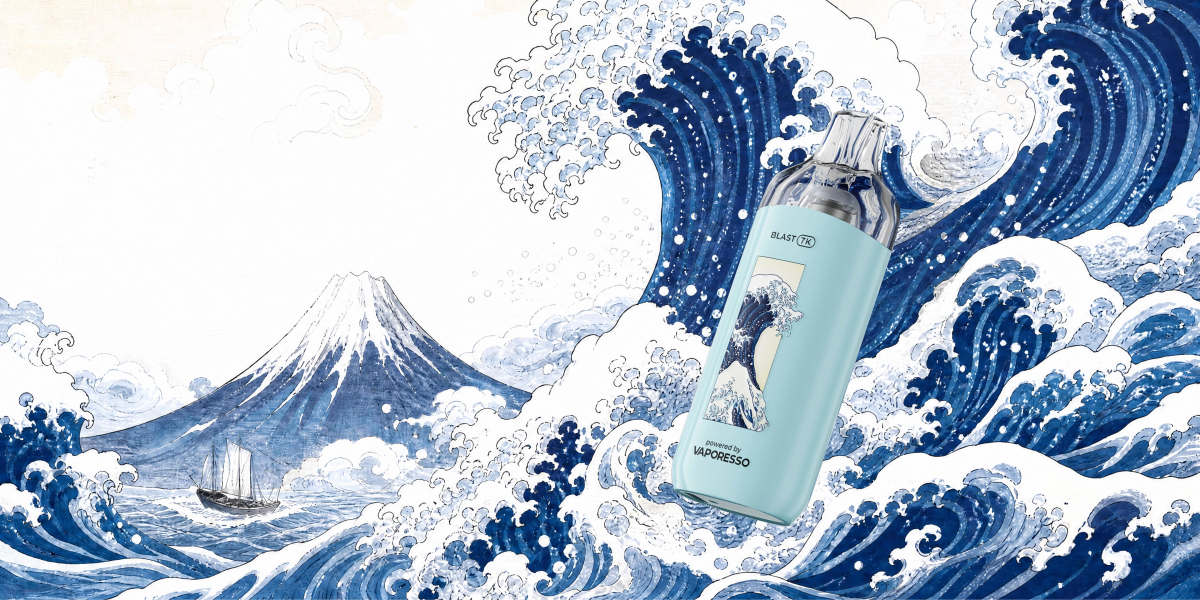
DOJO officially launched the BLAST7K Fresh on September 17, 2026, introducing a UK-market prefilled pod product with 6ml of e-liquid and a manufacturer-rated capacity of up to 7,000 puffs. The device features a 1000mAh rechargeable battery, the INSTA-JUICED structure and COREX BLAST dual-mesh technology, while retaining compatibility with existing BLAST pods. The launch comes less than two weeks before the UK's Vaping Products Duty takes effect on October 1. At the new duty rate, 6ml of vaping liquid would correspond to £1.32 in VPD. DOJO has not stated that the product's 6ml format was designed in response to the new duty.
Sep.20
Product | SMOORE's VAPORESSO Introduces VAST Refillable Vape With Three Resistances in One Pod
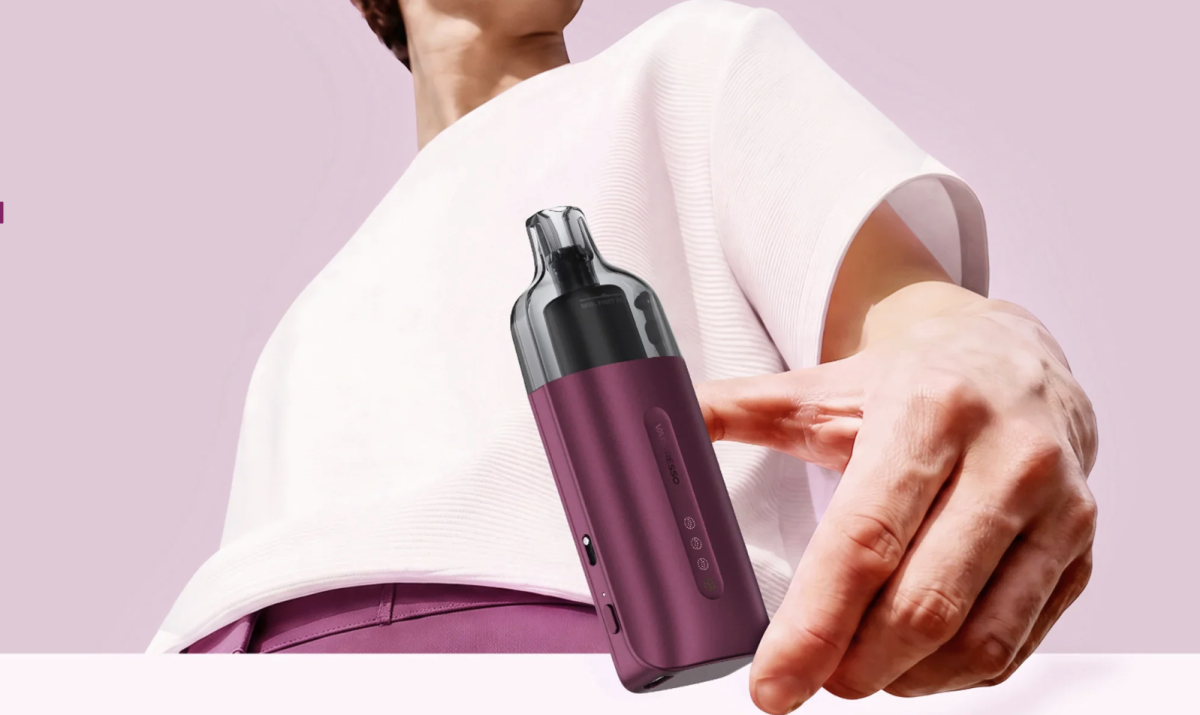
SMOORE-owned vaping brand VAPORESSO introduced the VAST refillable open-system vape in October 2026, featuring Tri-Core Mesh technology that integrates three resistance configurations—0.8Ω, 0.6Ω and 0.4Ω—within a single pod. The device supports different operating modes and e-liquid types. The standard version features a 10mL pod, while a TPD-labelled configuration combines a 2mL pod with an 8mL refill container. The device has a 1,600mAh battery and a maximum output of 30W. VAPORESSO claims up to six pod refills and a tested coil lifespan of up to 150,000 puffs. The UK's MHRA published a related device notification on October 12. The official MSRP is $25.90, compared with a $35.90 listing on VAPORESSO's direct store.
product
Oct.30
UK Vape Duty Starts in October as Hayati, DOJO and Others Launch Lower-Capacity Products With Lower Per-Unit Tax
The UK's Vaping Products Duty will take effect on October 1, 2026, at a flat rate of £2.20 per 10ml of vaping liquid. Ahead of implementation, DOJO, PIXL and Hayati have introduced or been reported to be adding lower-capacity tiers alongside larger products. DOJO has added a 6ml BLAST7K Fresh below its 10ml BLAST10K Fresh, PIXL offers both a 12ml 8000 and a 6ml 5K, while retailer Ninja Vapes says Hayati is preparing a 7ml 4K alongside its existing 12ml 6K. The pattern points to a growing lower-capacity tier in the UK market, although the brands have not all explicitly linked the changes to the new duty.
Sep.23
NAS 2026 | Former FDA Tobacco Chief Mitch Zeller Calls for Shift From “End Game” to “End State”
At the 2026 New Approaches Summit in New York, former FDA Center for Tobacco Products Director Mitch Zeller called for the tobacco harm reduction debate to shift from the traditional “end game” toward defining a desired “end state.” He also highlighted unresolved concerns around dual use, argued that biomarkers of exposure may be more meaningful than cigarettes-per-day in assessing risk reduction, and said nicotine misperceptions remain a major barrier to public health progress.
Sep.25
Russia's State Duma Passes Tobacco and Nicotine Ingredient Disclosure Bill, Targeting 2027 End to Trade-Secret Protection for Certain Harmful Ingredient Data
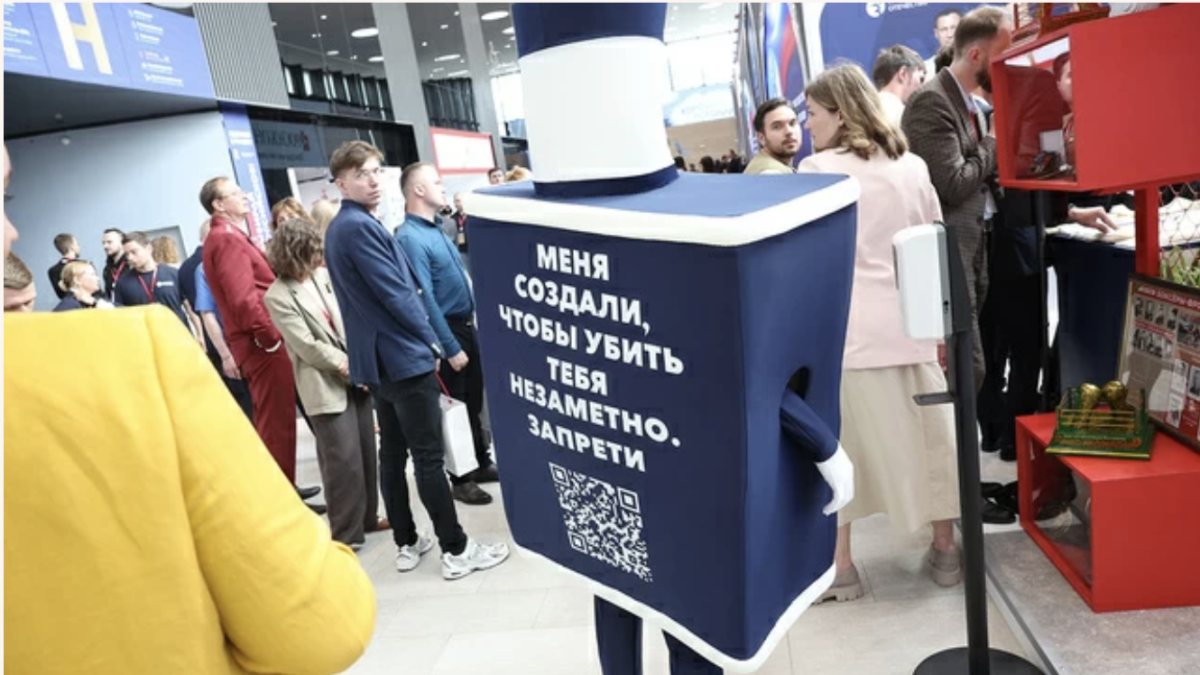
Russia's State Duma passed a government-sponsored amendment on November 11, 2026, by 414 votes to none, seeking to prevent businesses from classifying information on the presence and number of types of certain harmful ingredients in tobacco and nicotine-containing products as trade secrets. The measure covers ingredients capable of increasing nicotine dependence or exhibiting toxic, carcinogenic, mutagenic or reproductive toxicity, including substances that acquire such properties during heating or smoldering. Bill No. 1286415-8 would amend Article 5 of Federal Law No. 98-FZ on Commercial Secrets and is scheduled to take effect on January 1, 2027. The bill has cleared all three readings in the State Duma but has not completed the remaining legislative procedures.
Regulations
Nov.12 by 2Firsts Perspectives
Australia Adds 6-Methylnicotine to Schedule 9 Prohibited Substances, Effective October 1
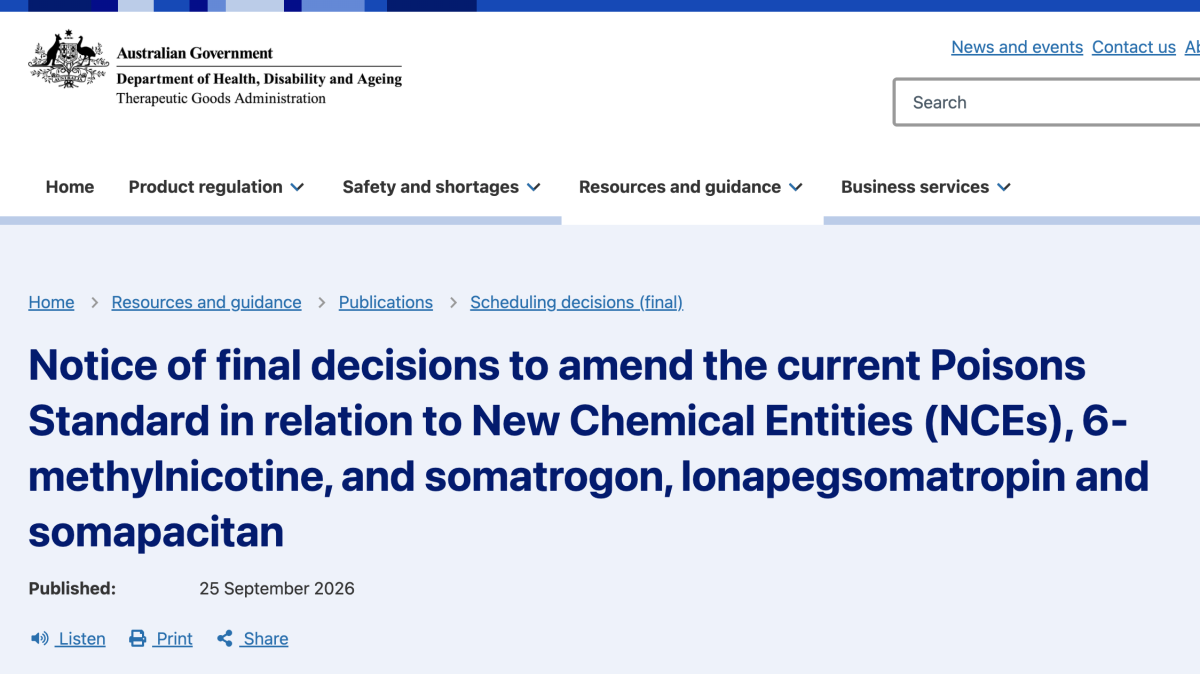
Australia's Therapeutic Goods Administration published a final decision on September 25 to classify 6-methylnicotine as a Schedule 9 prohibited substance under the Poisons Standard, effective October 1, 2026. TGA said the chemical has been reported in e-cigarette liquids sold in Australia and marketed as nicotine-free or nicotine alternatives, while evidence also indicates its use in preparations such as oral pouches. The government originally proposed a Schedule 7 classification but ultimately adopted the stricter Schedule 9 designation, citing acute toxicity, dependence risk, use in unapproved consumer products and misleading marketing.
News
Sep.29 by 2Firsts Perspectives