Key Takeaways
• Seoul High Court (Civil Division 6-1) upheld the first-instance decision; NHIS lost on appeal
• Defendants: KT&G, Philip Morris Korea, and BAT Korea
• Claim amount: ₩53.3 billion (about $36.244 million)
• Basis: treatment costs NHIS paid for 3,465 patients meeting long-term smoking criteria and diagnosed with lung or laryngeal cancer
• Court view: NHIS direct damages claim not recognized; individual causation difficult to establish even if epidemiological links exist
• NHIS indicated it will seek Supreme Court review
2Firsts, January 15, 2026 – According to Chosun Ilbo, South Korea’s National Health Insurance Service (NHIS) again lost on appeal in its damages lawsuit against KT&G, Philip Morris Korea and BAT Korea, seeking ₩53.3 billion (about $36.244 million).
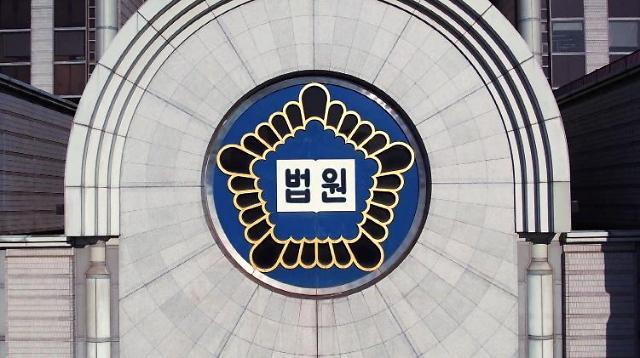
The report says the Seoul High Court’s Civil Division 6-1 (presiding judges Park Haebin, Kwon Soon-min and Lee Kyung-hoon) found it difficult to conclude that the first-instance ruling — which rejected NHIS’s claims — was unlawful.
NHIS filed the suit in April 2014, stating it would pursue social responsibility for harms associated with the manufacture, import and sale of cigarettes and aiming to curb health insurance leakage and promote public health. The report describes it as the first lawsuit brought by a South Korean public institution against tobacco companies.
NHIS sought ₩53.3 billion in damages based on one year of health insurance treatment costs paid between 2003 and 2012 for 3,465 patients diagnosed with lung cancer or laryngeal cancer who met specified long-term smoking criteria.
The first-instance judgment, issued in November 2020, dismissed NHIS’s claim. The report says the first court held NHIS could not claim damages as a “victim” and could only exercise reimbursement rights for insurance benefits paid. It also did not recognize causation between smoking and cancer onset or find design/labeling defects, and did not accept claims that tobacco companies minimized or concealed addiction-related information.
NHIS appealed and submitted evidence including recent studies, expert opinions and victim statements, the report says. The appellate court held that even if an epidemiological causal relationship between smoking and lung cancer is recognized, it is difficult to establish individual causation without considering factors such as pre-smoking health status, disease status and family history. The appeal court likewise did not find a design defect in the cigarettes at issue.
The report adds NHIS said it would seek Supreme Court review, and NHIS head Jung Ki-seok said after the appellate ruling that he would prepare various strategies for the final appeal.
Photo credit: Chosun Ilbo
We welcome news tips, article submissions, interview requests, or comments on this piece.
Please contact us at info@2firsts.com, or reach out to Alan Zhao, CEO of 2Firsts, on LinkedIn
Notice
1. This article is intended solely for professional research purposes related to industry, technology, and policy. Any references to brands or products are made purely for objective description and do not constitute any form of endorsement, recommendation, or promotion by 2Firsts.
2. The use of nicotine-containing products — including, but not limited to, cigarettes, e-cigarettes, nicotine pouchand heated tobacco products — carries significant health risks. Users are responsible for complying with all applicable laws and regulations in their respective jurisdictions.
3. This article is not intended to serve as the basis for any investment decisions or financial advice. 2Firsts assumes no direct or indirect liability for any inaccuracies or errors in the content.
4. Access to this article is strictly prohibited for individuals below the legal age in their jurisdiction.
Copyright
This article is either an original work created by 2Firsts or a reproduction from third-party sources with proper attribution. All copyrights and usage rights belong to 2Firsts or the original content provider. Unauthorized reproduction, distribution, or any other form of unauthorized use by any individual or organization is strictly prohibited. Violators will be held legally accountable.
For copyright-related inquiries, please contact: info@2firsts.com
AI Assistance Disclaimer
This article may have been enhanced using AI tools to improve translation and editorial efficiency. However, due to technical limitations, inaccuracies may occur. Readers are encouraged to refer to the cited sources for the most accurate information.
We welcome any corrections or feedback. Please contact us at: info@2firsts.com