
Key Points
- Cabinet approval: Spain approved amendments to Royal Decree 579/2017 on November 24, updating regulatory requirements for e-cigarettes and other tobacco-related products, with only tobacco flavors permitted in e-cigarettes.
- Nicotine pouch requirements: The nicotine content limit has reportedly been revised to 4mg per pouch from the originally proposed 0.99mg. Final requirements and implementation deadlines remain pending confirmation.
- EU regulatory scrutiny: Romania, Hungary, Czechia, Greece, Italy and Sweden previously submitted detailed opinions. Romania argued that the proposed 0.99mg limit could amount to an effective ban on nicotine pouches.
- Market and business implications: Afi estimates that Spain's e-cigarette and nicotine pouch sectors contributed €162 million in tax revenue in 2025. Philip Morris International previously put plans to introduce ZYN in Spain on hold amid regulatory uncertainty.
2Firsts
November 25, 2026
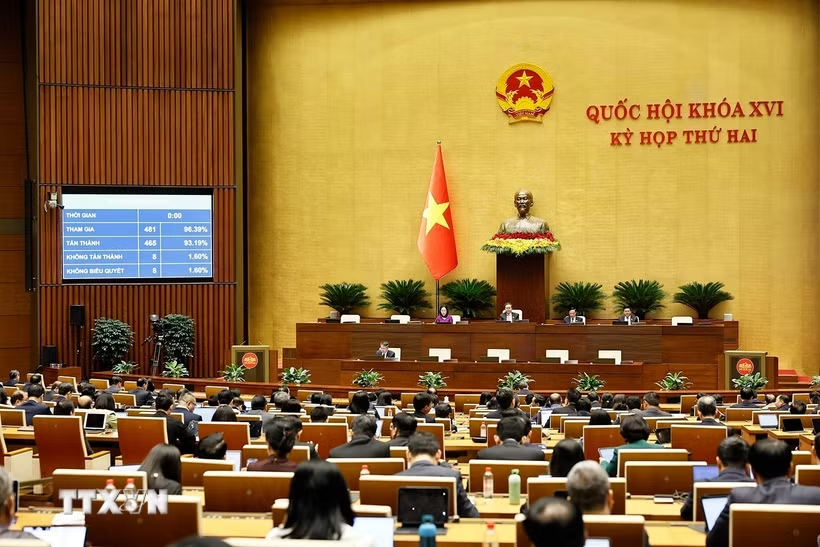
Spain's Cabinet approved a royal decree on November 24 amending Royal Decree 579/2017, which governs the manufacture, presentation and marketing of tobacco and related products, according to the official record of the Cabinet meeting.
Spanish news agency EFE reported that the decree bans e-cigarette flavors other than tobacco and introduces technical requirements for nicotine pouches and heated herbal products.
Spanish newspaper La Razón reported on November 25 that the latest known version of the decree sets a nicotine content limit of 4mg per pouch, up from the 0.99mg originally proposed by the Ministry of Health.
As of November 25, the final text in Spain's Official State Gazette (BOE) remained pending confirmation.
Tobacco-Only Flavor Requirement Retained, Nicotine Pouch Cap Reportedly Set at 4mg
The amendments form part of Spain's Comprehensive Tobacco Prevention and Control Plan 2024–2027, which seeks to expand the scope of existing regulations and strengthen measures intended to prevent minors from accessing related products.
The Ministry of Health's original draft extended regulation to nicotine-free e-cigarettes and proposed requirements covering ingredients, product safety, packaging and labeling. According to La Razón, the flavor restrictions also cover menthol.
The decree extends technical regulation to nicotine pouches and heated herbal products. The nicotine content limit for pouches has reportedly changed since the original draft was published in 2024.
Comparison of Key Regulatory Provisions
| Regulatory Area | Original Ministry of Health Draft | Reported Provisions of the Approved Decree |
|---|---|---|
| E-cigarette flavors | Tobacco flavors only | Reportedly retained |
| Nicotine-free e-cigarettes | Subject to technical regulation | Reportedly retained |
| Nicotine pouch limit | 0.99mg per pouch | Reportedly revised to 4mg per pouch |
| Heated herbal products | New regulated category | Reportedly retained |
| Manufacturer transition period | 10 months | Pending confirmation |
| Retail sell-through period | 12 months | Pending confirmation |
Sources: Spain's Ministry of Health, EFE and La Razón. As of November 25, 2026.
If confirmed in the final decree, the 4mg cap would allow certain lower-strength products exceeding the originally proposed threshold to meet the nicotine content requirement. Products containing more than 4mg per pouch would remain subject to restrictions.
Six EU Member States Submitted Detailed Opinions, With Romania Challenging the 0.99mg Cap
Spain notified its draft decree through the EU Technical Regulation Information System (TRIS) on January 24, 2025, under notification number 2025/0044/ES.
European Commission records show that Romania, Hungary, Czechia, Greece, Italy and Sweden submitted detailed opinions. The European Commission and Croatia also submitted comments. The standstill period was extended from April 28 to July 28, 2025.
Romania argued that Spain's proposed limit of 0.99mg per pouch was substantially below Romania's existing 20mg threshold and could amount to an effective ban on nicotine pouches. It also questioned the measure's compatibility with EU rules on the free movement of goods.
Spain's National Commission on Markets and Competition (CNMC) published an assessment in April 2025, recommending stronger empirical evidence for certain proposed measures and emphasizing that restrictions on business activities should comply with good regulatory principles.
Tobacco Europe, an industry association, also submitted concerns through TRIS regarding the potential impact on European manufacturers, importers and distributors of e-cigarettes, nicotine pouches and heated herbal products.
Sectors Generate €382 Million in Value Added; PMI Previously Put ZYN Launch Plans on Hold
Spanish economic consultancy Afi published a study on November 12 estimating that the country's e-cigarette and nicotine pouch sectors generated €382 million in value added, supported more than 5,400 jobs and contributed €162 million in tax revenue in 2025.
Regulatory uncertainty had already affected some companies' plans for the Spanish market. In 2025, Marco Hannappel, Philip Morris International's (PMI) vice president for Southwest Europe, said the company had put plans to introduce its ZYN nicotine pouches in Spain on hold pending greater regulatory clarity.
In December 2025, the Spanish Nicotine Pouches Association (ABN), comprising more than 40 companies, was established and called for a proportionate, evidence-based regulatory framework.
Spain introduced excise duties on e-cigarette liquids, nicotine pouches and other nicotine products not classified as medicines in 2025. Under the country's existing tax legislation, nicotine-free liquids and liquids containing up to 15mg/ml of nicotine are taxed at €0.15/ml, while liquids containing more than 15mg/ml are taxed at €0.20/ml. Nicotine pouches and other covered nicotine products are taxed at €0.10/g.
Disposable Vape Ban Falls Under a Separate Legislative Process
Spain had also been pursuing amendments to its 2005 tobacco control law, including a proposed ban on the sale and supply of disposable e-cigarettes, an expansion of smoke-free areas and tighter restrictions on the sale, consumption and advertising of related products.
The Cabinet approved the bill for submission to parliament in July 2026. According to EFE, parliamentary consideration was subsequently interrupted following the calling of an early general election.
Follow 2Firsts for timely updates on global tobacco and nicotine regulations, market developments and industry trends.
Cover Image generated by AI