Surging Popularity and Concerns of E-Cigarettes in Brazil

Market by 2FIRSTS.ai
Jan.30.2024
Surging Popularity and Concerns of E-Cigarettes in Brazil
Despite a ban imposed by Brazil's health authority, Anvisa, e-cigarette searches on the internet have surged by 1550% in 2023, according to Google Trends data.

According to a report from Brazil's O Globo newspaper on January 29, despite the ban imposed by the National Health Monitoring Agency (Anvisa) on e-cigarettes, interest in this product remains high on the internet. Google Trends data reveals a staggering 1550% surge in e-cigarette-related searches in 2023. Nationwide, the search volume for e-cigarettes reached a record high in Brazil that year, with searches for "pod" and "e-cigarette" increasing by 4650% and over 350%, respectively.


According to a survey released by the Brazilian Ipec Institute, the state of Parana in Brazil has become one of the highest consumers of e-cigarettes. In the past six years, the number of e-cigarette users in the region has skyrocketed from 0.9% of the adult population to 4.5%. The survey also revealed that in just six to ten months of 2023, nearly 3 million adults had used e-cigarettes, with over 6.3 million individuals over the age of 18 having used such devices within the year.


Despite the growing demand in the e-cigarette market in Brazil, consumers know very little about the origin of the products. In Brazil, 100% of the e-cigarette products available on the market are smuggled, making them illegal and leaving consumers unaware of their source and composition. The sales and production of these products lack proper regulation, posing a risk of exposing consumers to unsafe environments.


Over 80 countries and regions worldwide have implemented regulatory measures for e-cigarettes. In 2022, a large-scale scientific review conducted by King's College London revealed that the harm caused by e-cigarettes is only a fraction compared to traditional tobacco. In 2023, the European Parliament also endorsed a report suggesting that e-cigarettes can serve as a viable substitute for traditional tobacco products.


In regards to the rationale behind the ban on e-cigarettes in Brazil, health expert Dr. Alessandra Bastos suggests that initially, the ban was based on a lack of research on e-cigarettes. However, numerous scientific studies conducted internationally have since shown that the risks associated with e-cigarettes are relatively small. Consequently, this ban may now impede adult smokers from seeking alternative ways to reduce health risks, while also potentially exposing consumers to greater risks when obtaining unregulated products.


We welcome news tips, article submissions, interview requests, or comments on this piece.

Please contact us at info@2firsts.com, or reach out to Alan Zhao, CEO of 2Firsts, on LinkedIn


Notice

1.  This article is intended solely for professional research purposes related to industry, technology, and policy. Any references to brands or products are made purely for objective description and do not constitute any form of endorsement, recommendation, or promotion by 2Firsts.

2.  The use of nicotine-containing products — including, but not limited to, cigarettes, e-cigarettes, nicotine pouchand heated tobacco products — carries significant health risks. Users are responsible for complying with all applicable laws and regulations in their respective jurisdictions.

3.  This article is not intended to serve as the basis for any investment decisions or financial advice. 2Firsts assumes no direct or indirect liability for any inaccuracies or errors in the content.

4.  Access to this article is strictly prohibited for individuals below the legal age in their jurisdiction.


Copyright


This article is either an original work created by 2Firsts or a reproduction from third-party sources with proper attribution. All copyrights and usage rights belong to 2Firsts or the original content provider. Unauthorized reproduction, distribution, or any other form of unauthorized use by any individual or organization is strictly prohibited. Violators will be held legally accountable.

For copyright-related inquiries, please contact: info@2firsts.com


AI Assistance Disclaimer


This article may have been enhanced using AI tools to improve translation and editorial efficiency. However, due to technical limitations, inaccuracies may occur. Readers are encouraged to refer to the cited sources for the most accurate information.

We welcome any corrections or feedback. Please contact us at: info@2firsts.com

Snowplus Enters Japan’s FamilyMart Network With Zero-Nicotine NEO Line and Kishidan Campaign
Snowplus distributor H&S said the zero-nicotine, zero-tar NEO vaping line will begin rolling out across FamilyMart stores in Japan from September 14, 2026, excluding some locations. The DASH line will also be sold at selected FamilyMart stores in southern Kyushu and Okinawa. Snowplus simultaneously named Japanese rock band Kishidan as a brand ambassador, combining convenience-store distribution with a broader consumer marketing push in Japan.
Sep.15
Latest UK ONS Data: Vaping Rate Edges Down to 9.9% in 2025, a Year After Overtaking Cigarette Smoking
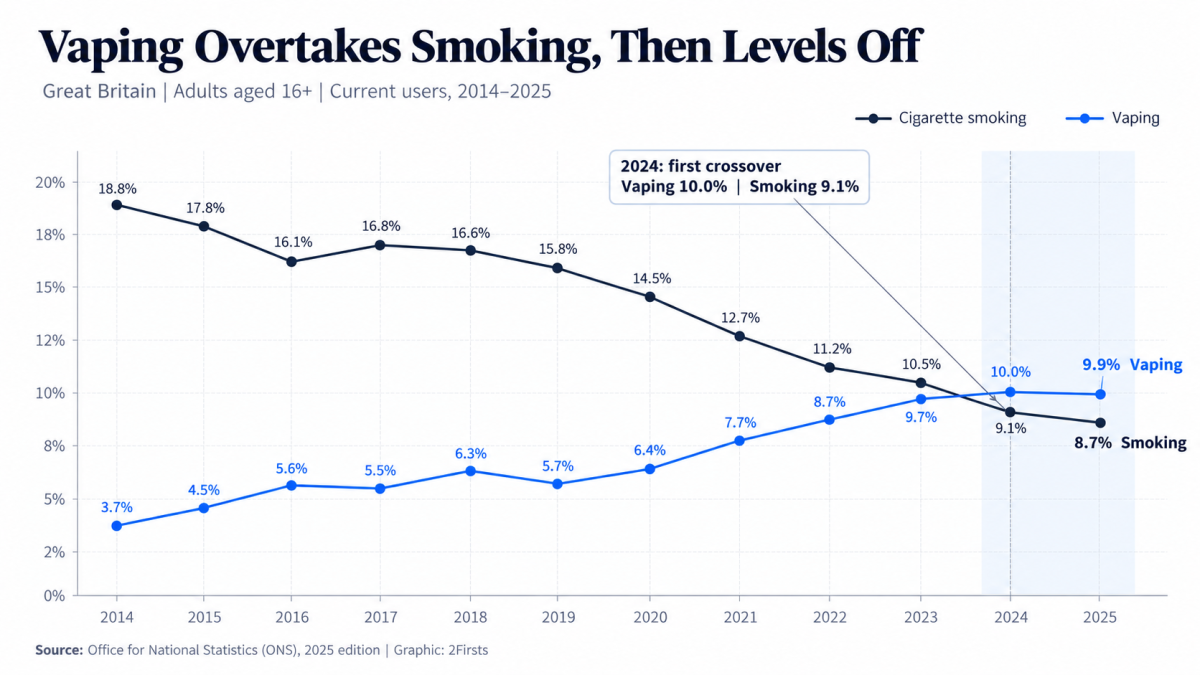
Vaping prevalence in Great Britain edged down to 9.9% in 2025 from 10.0% in 2024, with the number of adult users holding at approximately 5.4 million for a second consecutive year, according to the Office for National Statistics (ONS). E-cigarette use had risen from 6.4% in 2020 to 10.0% in 2024, when it exceeded cigarette smoking prevalence for the first time. Cigarette smoking continued to decline to 8.7% in 2025, widening the gap to 1.2 percentage points. Daily vaping declined slightly, while usage among adults aged 25–34 increased despite falling rates in other age groups.
DATA
Oct.14
Virginia Tobacco Retail Permit Takes Effect October 1, Covering Vapes as More Than 3,000 Businesses Apply in September
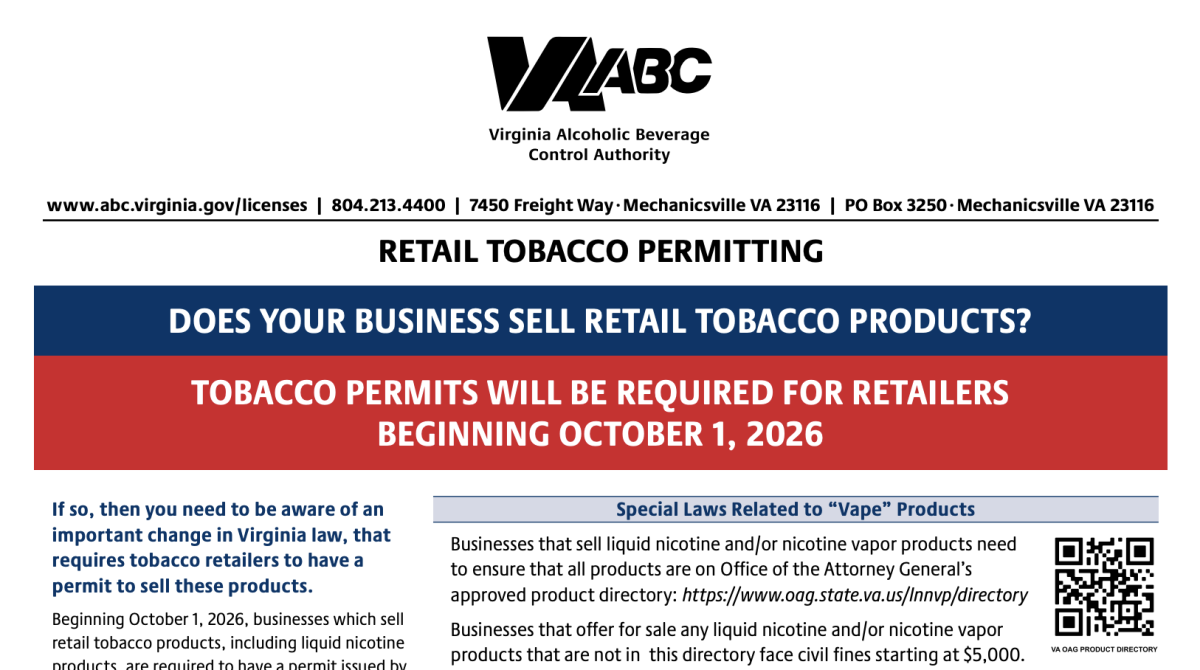
Virginia's new retail tobacco permit system took effect October 1, requiring sellers of vapes, nicotine products and related devices and accessories to obtain a Retail Tobacco Permit for each business location. Virginia ABC said more than 3,000 businesses applied in September alone, creating a processing backlog. Qualifying applicants that filed before October 1 may temporarily operate under a Letter of Authorization. The new store-level permit also sits alongside Virginia's existing vape product directory, where sales of unlisted liquid nicotine or nicotine vapor products can trigger civil penalties starting at $5,000.
Regulations
Oct.03
Kumulus Vape2026 H1 Revenue Falls 8.3% but Profit Rises 24% as B2B Weakens and Consumer Channels Grow
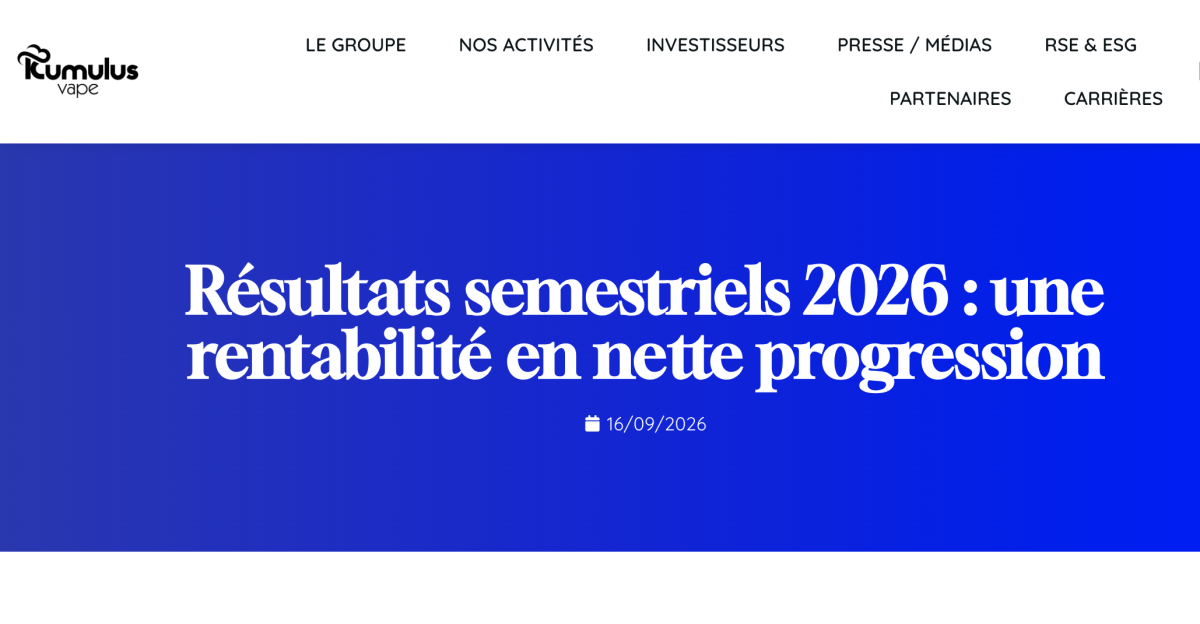
French vaping company Kumulus Vape reported first-half 2026 revenue of €25.5 million, down 8.3% year over year, as its core B2B distribution business fell 11% to €21.6 million. B2C and store-network revenue rose 5.6% and 17.8%, respectively. Commercial margin increased to 26.3% from 21.7%, while net profit rose 24.1% to €0.8 million. The company attributed the profitability improvement to catalog optimization, logistics restructuring and the ramp-up of Labster, its in-house production unit for proprietary brands.
Market
Sep.17 by 2Firsts Perspectives
EU Tobacco Tax Reform Targets November Push as Sweden Holds Nicotine-Pouch Minimum at €20 per Kilogram
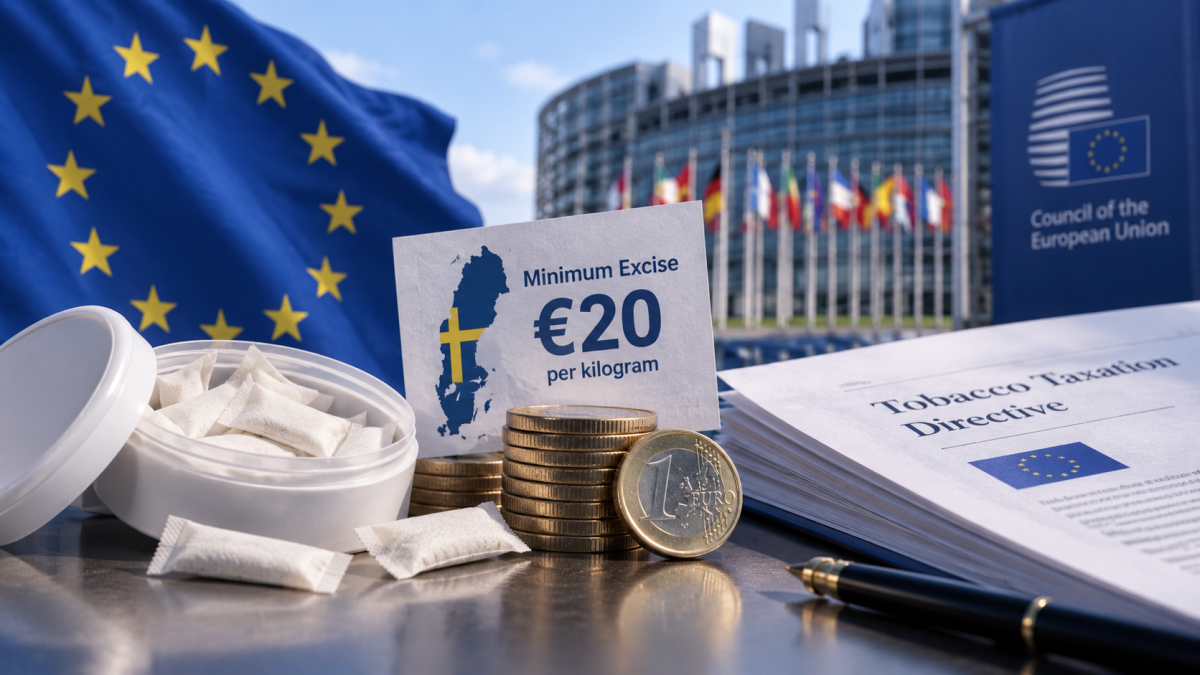
The Irish presidency of the Council of the European Union is using bilateral talks to push the bloc’s Tobacco Taxation Directive toward a political agreement in November. According to Law360, citing an EU official, Sweden is unwilling to accept a minimum excise threshold above €20 per kilogram for nicotine pouches. Council negotiations have already lowered the European Commission’s original proposal, but a May 2026 presidency compromise still set the minimum at 10% of the tax-inclusive retail price or €30 per kilogram in 2028-29, with higher levels later.
Market
Sep.17 by 2Firsts Perspectives
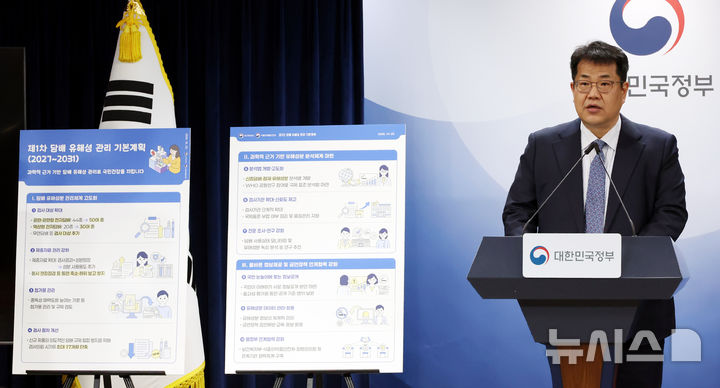
South Korea's Tobacco Plan Excludes 6-Methyl Nicotine as Customs Tightens Import Controls and Analog Liquid Imports Fall 83%
South Korea's government unveiled its first Tobacco Harm Management Basic Plan for 2027–2031 on October 29, 2026, proposing broader testing of vaping and heated tobacco products while excluding nicotine analogs such as 6-methyl nicotine. Synthetic nicotine came under tobacco regulation on April 24, and a June investigation found 6-methyl nicotine in 12 liquid inhalation products marketed as nicotine-free. Customs data released in September showed that imports of nicotine analog solutions fell 83.3%, from 12 metric tons in January–April to 2 metric tons in May–August. By September 20, imports had reached approximately 15 metric tons for the year, with 99.99% originating from China. Customs authorities have tightened pre-clearance testing and supply-chain documentation requirements, while the MFDS expects to complete its assessment of nicotine analog hazards by the end of 2026.
Regulations
Nov.04