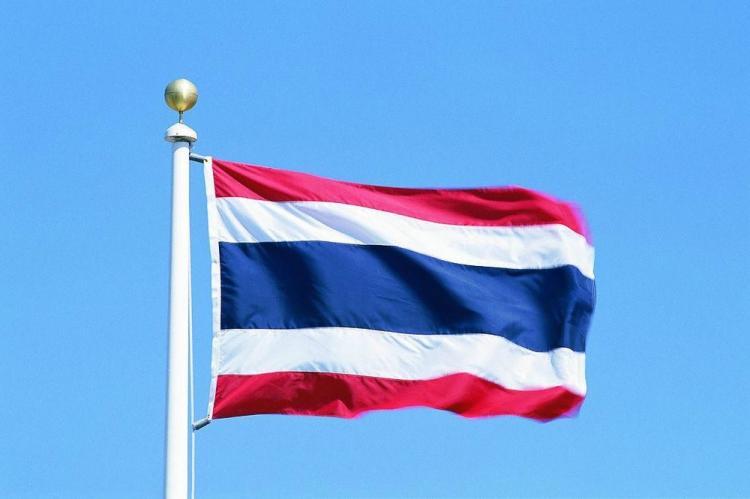
Since November 2014, Thailand has prohibited the import, export, sale, and possession of electronic cigarettes (including electronic hookahs) nationwide. However, the stance of this Southeast Asian country towards e-cigarettes may change. According to the Thailand Tobacco Control Research and Knowledge Management Center (TRC), while e-cigarettes are currently banned in Thailand, discussions are ongoing on how to lift this restriction.
ECST believes that Thailand may legalize e-cigarettes after the general election scheduled for May of this year.
This project has been ongoing for several years and has not come to a standstill. In fact, a smoking legislation bill is currently awaiting review and approval by the Thai parliament," stated Asa Saligupta, director of ECST.
The photo credit goes to Asa Saligupta, as sourced from tobaccoreporter.
According to statistics, approximately 50,000 people die each year in Thailand due to smoking-related illnesses. Currently, 70 countries have adopted regulatory frameworks for safer nicotine products, resulting in a significant decrease in overall smoking rates. Many activists in Thailand have expressed their preference for safer electronic cigarettes based on this. Salil Gupta believes that if Thailand wants to significantly reduce smoking-related illnesses and premature deaths, it must lift its strict ban and penalties on electronic cigarettes.
According to 2FIRSTS' ongoing observations of the Thai market, the Thai government has taken strict measures to regulate e-cigarettes. It has occasionally issued bans on e-cigarettes. In December of last year, Thai law enforcement officials found and seized 883,000 e-cigarette products valued at 139 million baht (approximately 27.95 million yuan) in a warehouse.
The Minister of Public Health in the country, Anutin Charnvirakul, has repeatedly emphasized the need to intensify efforts to combat electronic cigarettes. Recently, in a meeting with the Ministry of Health, he emphasized the need for coordination between police and customs officials to arrest those who smuggle e-cigarettes to maintain regulation over them.
According to Saligupta, while anti-smoking campaigners seem to have the support of the Ministry of Public Health, the majority of politicians and citizens in Thailand still advocate for lifting the ban on e-cigarettes.
This includes not only non-governmental organizations such as ECS, but also government organizations such as the Thailand Department of Digital Economy and Society (DES), whose minister stated in the Bangkok Post last year that he believed e-cigarettes could be a safer option for those trying to quit smoking. If the tobacco industry transitions to a more sustainable industry, local tobacco growers and the Thailand Tobacco Monopoly will benefit greatly.
Salil Gupta remains fully confident that safer nicotine products will be regulated in Thailand.
He stated, "Regulation will offer better protection for consumers, encourage more smokers to quit lethal cigarettes, and ensure that strict purchasing age is in place to better control teenage smoking behavior.
Reference:
From now on, individuals in this country born after 2009 are prohibited from purchasing cigarettes! Countries around the world are working hard to ban smoking.
The Ministry of Digital Economy and Society in Thailand is in support of the legalization of vaping in an effort to decrease smoking rates.
Thailand is expected to legalize the use of vaping devices after the upcoming elections, according to Saligupta.
The Ministry of Commerce has issued a notification prohibiting the importation of hookah, electronic hookah, and electronic cigarettes into Thailand for the year 2014.
Disclaimer
This article is provided solely for professional research, industry discussion, and informational purposes. Any references to brands, companies, products, technologies, or policies are made for factual reporting and analytical purposes only, and do not constitute endorsement, recommendation, promotion, or advertising by 2Firsts.
Nicotine-containing products, including but not limited to cigarettes, e-cigarettes, heated tobacco products, and nicotine pouches, carry significant health risks. Readers are responsible for complying with all applicable laws and regulations in their respective jurisdictions, including age restrictions and access limitations.
The information contained in this article should not be regarded as investment, legal, medical, regulatory, or commercial advice. While 2Firsts strives to ensure the accuracy and reliability of its content, it does not assume liability for any direct or indirect loss arising from errors, omissions, inaccuracies, or reliance on the information contained herein.
This article is not intended for individuals below the legal age for accessing tobacco or nicotine-related information in their jurisdiction.
Copyright Notice
This article is either original content produced by 2Firsts or content reproduced, translated, summarized, or adapted from third-party sources with attribution where applicable. The intellectual property rights of the original content remain with 2Firsts or the respective original rights holders.
No individual or organization may copy, reproduce, distribute, republish, modify, translate, or otherwise use this content without prior authorization. Any unauthorized use may result in legal action.
For copyright-related inquiries, corrections, or removal requests, please contact: info@2firsts.com.
AI-Assisted Translation and Editing Notice
Portions of this article may have been translated, edited, or reviewed with the assistance of artificial intelligence tools to improve efficiency and readability. Due to the limitations of AI-assisted translation and editing, discrepancies, omissions, or inaccuracies may exist when compared with the original source.
Where applicable, readers are advised to refer to the original source for the most complete and accurate information. If you identify any errors or believe that any content infringes upon your rights, please contact us at info@2firsts.com, and we will review and address the matter promptly.