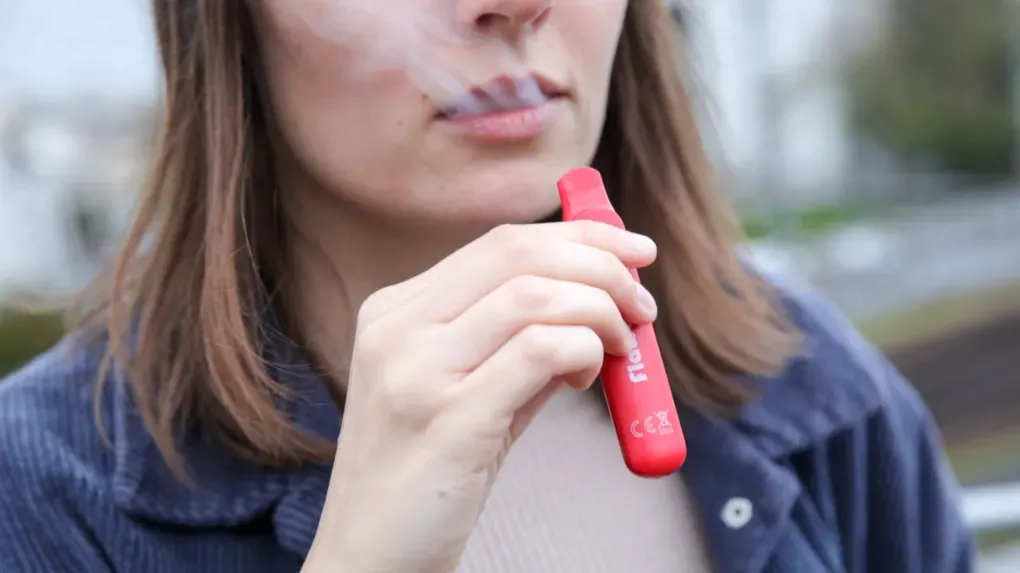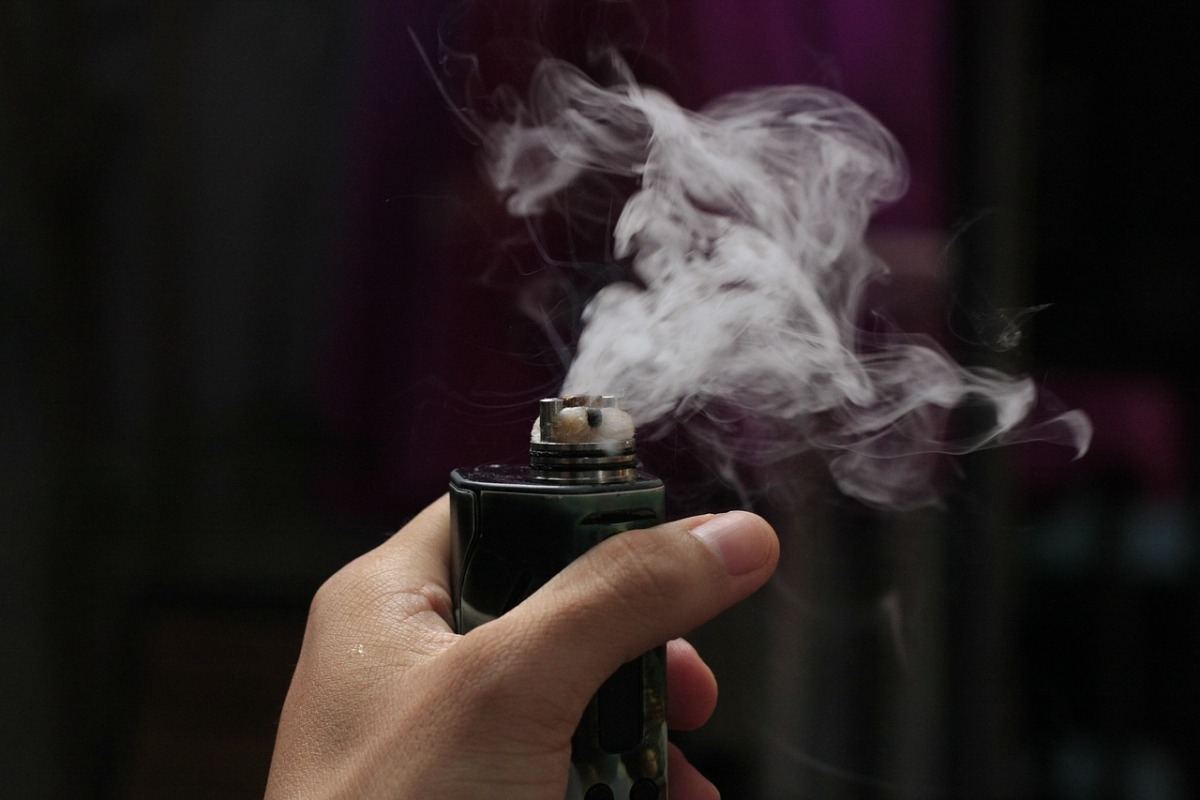
According to Babel.UA, starting on July 11, 2024, flavored cigarettes, cigarette tobacco, e-cigarettes, and e-cigarette liquids will disappear from store shelves, and all tobacco products must have comprehensive health warnings on their packaging.
This is required by the Ukrainian Law No. 1978-XI, which was passed one year ago on July 11, 2023.
The law mandates a one-year period for the clearance sale of remaining tobacco and nicotine products, but as of July 11, this deadline has expired, thus the ban is now fully in effect.
These changes were made in accordance with the World Health Organization's Framework Convention on Tobacco Control and the European Union Directive 2014/40/EU. These documents indicate that flavored tobacco products are attractive and addictive, and the ban is aimed at protecting people from this harm.
Starting from July 11, 2024, all tobacco products must have updated health warnings on their packaging, covering 65% of the largest side of the packaging. Manufacturers are required to display images of diseases caused by smoking and text warnings about the dangers and consequences of smoking.
In addition, the packaging should also include a QR code that links to the free smoking cessation services offered by the public health center known as "I Quit Smoking!
According to Order No. 747 of the Ukrainian Ministry of Health, the new tobacco product labeling standard will come into effect on January 11, 2024. A total of three sets containing 14 medical warnings have been developed. These warnings will be updated annually, and the disease images will also be updated.
Furthermore, according to Article 10 and Article 10-1 of Law No. 1978-IX, which came into effect a year ago, flavored cigarettes, rolling tobacco, e-cigarettes, and e-liquids containing flavored additives must be removed from store shelves.
In addition, it is also specified:
It is prohibited to add additives that may mislead consumers about the consequences of using tobacco products and e-cigarettes, such as vitamins; requirements for the ingredients of e-cigarette liquid; reporting requirements for tobacco product and e-cigarette manufacturers and distributors. Until July 11, 2024, it is allowed by law to sell products manufactured or imported before the law takes effect.
The Directive 2014/40/EU requires all EU member states, including Ukraine, to ban flavored heated tobacco products by October 2023. The relevant initiative has been submitted to the parliament through bill number 9227.
We welcome news tips, article submissions, interview requests, or comments on this piece.
Please contact us at info@2firsts.com, or reach out to Alan Zhao, CEO of 2Firsts, on LinkedIn
Notice
1. This article is intended solely for professional research purposes related to industry, technology, and policy. Any references to brands or products are made purely for objective description and do not constitute any form of endorsement, recommendation, or promotion by 2Firsts.
2. The use of nicotine-containing products — including, but not limited to, cigarettes, e-cigarettes, nicotine pouchand heated tobacco products — carries significant health risks. Users are responsible for complying with all applicable laws and regulations in their respective jurisdictions.
3. This article is not intended to serve as the basis for any investment decisions or financial advice. 2Firsts assumes no direct or indirect liability for any inaccuracies or errors in the content.
4. Access to this article is strictly prohibited for individuals below the legal age in their jurisdiction.
Copyright
This article is either an original work created by 2Firsts or a reproduction from third-party sources with proper attribution. All copyrights and usage rights belong to 2Firsts or the original content provider. Unauthorized reproduction, distribution, or any other form of unauthorized use by any individual or organization is strictly prohibited. Violators will be held legally accountable.
For copyright-related inquiries, please contact: info@2firsts.com
AI Assistance Disclaimer
This article may have been enhanced using AI tools to improve translation and editorial efficiency. However, due to technical limitations, inaccuracies may occur. Readers are encouraged to refer to the cited sources for the most accurate information.
We welcome any corrections or feedback. Please contact us at: info@2firsts.com