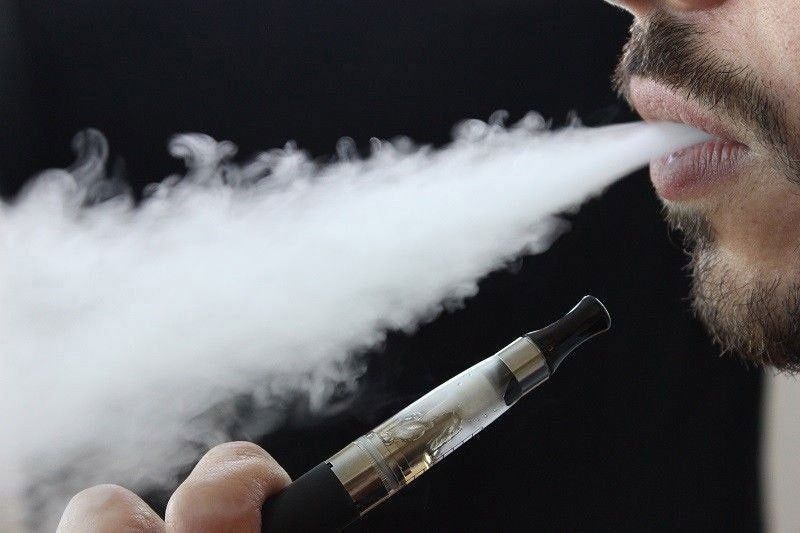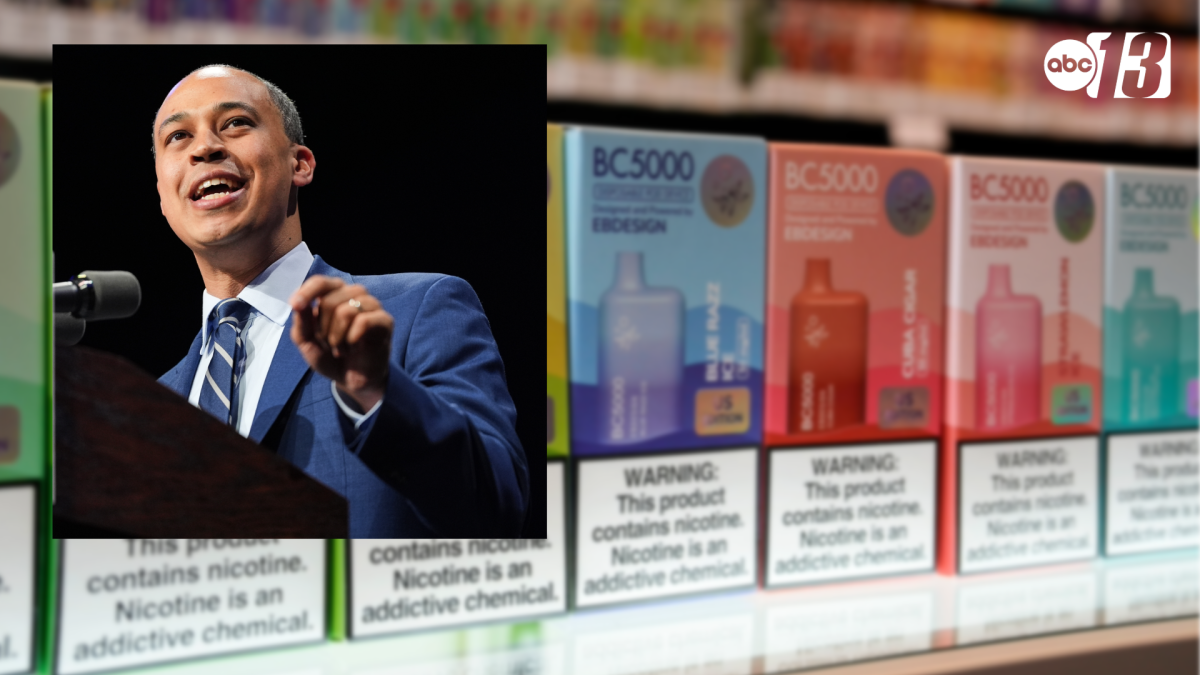
On April 24, 2025, the United States Court of Appeals for the Eleventh Circuit ruled to uphold the decision by the US Food and Drug Administration (FDA) to deny authorization for Bidi Vapor LLC's tobacco-flavored e-cigarette product, Bidi Stick - Classic, to be marketed and sold. The court determined that the FDA's decision was not arbitrary or capricious, but rather based on reasonable considerations for public health.
The case stems from Bidi Vapor's submission of a Premarket Tobacco Product Application (PMTA) to the FDA for its Bidi Classic product in 2020. After review, the FDA issued a Marketing Denial Order (MDO) in January 2024, preventing the product from entering the market.
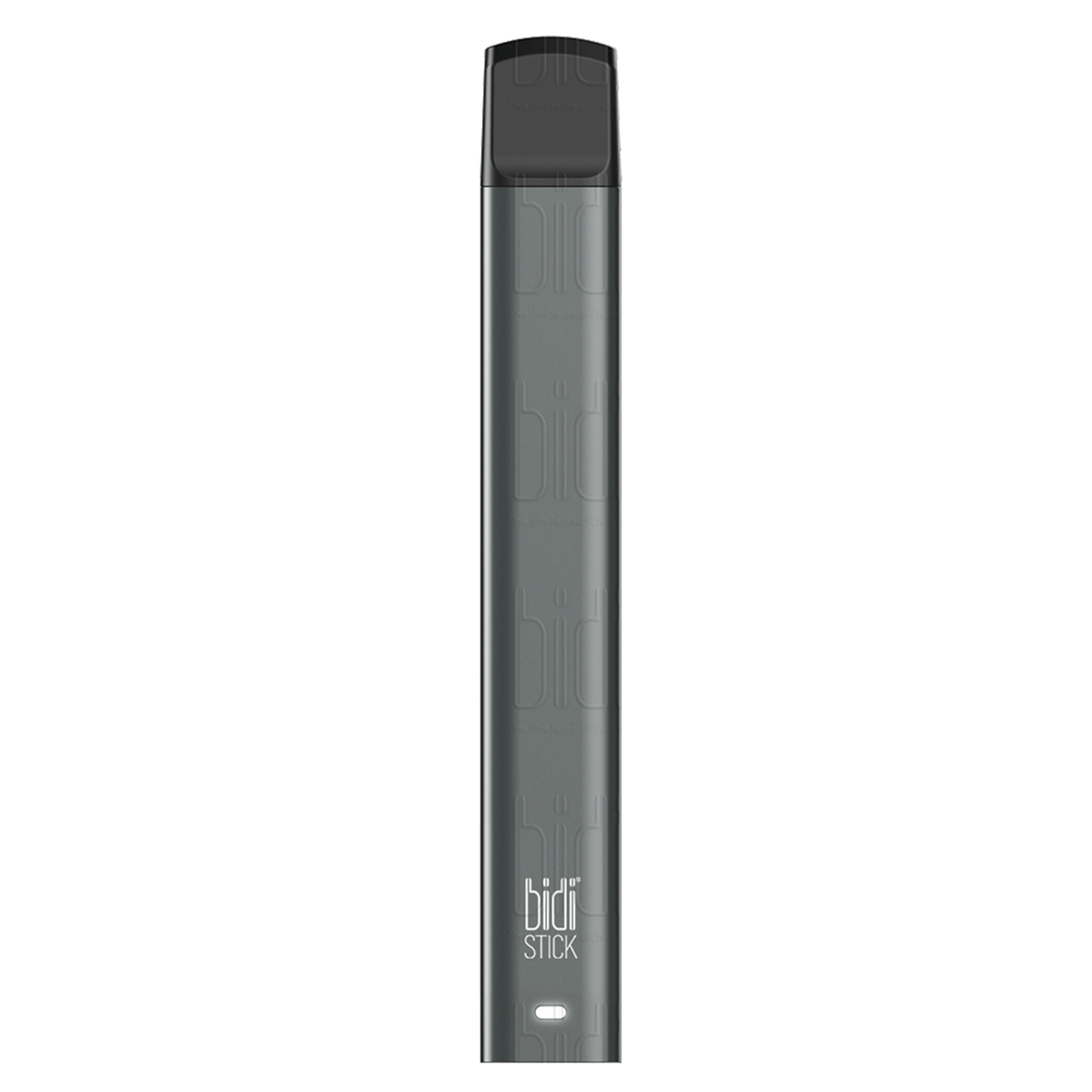
The FDA's decision to reject the listing of Bidi Classic is mainly based on three independent reasons, including the product's high abuse potential, incomplete research on extractable compounds, and lack of data on harmful ingredients compared to other products.
The Court of Appeals focused on reviewing the reason of "bias tendency" and determined that it was sufficient to support the FDA's refusal order.
The court noted that the FDA reasonably found that Bidi Classic has a high potential for abuse. The product contains a high concentration of nicotine at 60 mg/mL and utilizes nicotine salt technology to enhance flavor, which may increase the risk of addiction for users, particularly adolescents and non-smokers. The FDA cited Bidi Vapor's own research indicating that the product's abuse potential is similar to or even higher than traditional cigarettes.
Bidi Vapor argued in the appeal that the FDA's decision was arbitrary and did not fully weigh the potential benefits of their product in helping smokers transition. However, the appeals court found that the FDA did in fact consider relevant factors, but the evidence provided by Bidi Vapor did not effectively demonstrate that current smokers would likely switch to using Bidi Classic, thus realizing the potential benefits of reduced health risks.
The court pointed out that although tobacco-flavored e-cigarettes may pose lower risks to teenagers than other flavors, Bidi Vapor has still not proven that its products provide enough public health benefits to offset their high abuse risk.
The court also rejected Bidi Vapor's argument that the FDA had made a substantial change in policy or failed to conduct a necessary second round of toxicological review. The court found that the issue of abuse potential alone was sufficient grounds for rejection, and since this issue was not based on toxicology, the FDA did not need to conduct additional toxicological review.
In the end, the Eleventh Circuit Court of Appeals confirmed that the responsibility for proving that a product is suitable for protecting public health lies with the applicant, Bidi Vapor. Given that the company failed to adequately demonstrate that the benefits of its product outweigh its significant risks of abuse, the FDA's decision to reject it was supported by the court.
Bidi Vapor's request for reconsideration has been officially rejected.
We welcome news tips, article submissions, interview requests, or comments on this piece.
Please contact us at info@2firsts.com, or reach out to Alan Zhao, CEO of 2Firsts, on LinkedIn
Notice
1. This article is intended solely for professional research purposes related to industry, technology, and policy. Any references to brands or products are made purely for objective description and do not constitute any form of endorsement, recommendation, or promotion by 2Firsts.
2. The use of nicotine-containing products — including, but not limited to, cigarettes, e-cigarettes, nicotine pouchand heated tobacco products — carries significant health risks. Users are responsible for complying with all applicable laws and regulations in their respective jurisdictions.
3. This article is not intended to serve as the basis for any investment decisions or financial advice. 2Firsts assumes no direct or indirect liability for any inaccuracies or errors in the content.
4. Access to this article is strictly prohibited for individuals below the legal age in their jurisdiction.
Copyright
This article is either an original work created by 2Firsts or a reproduction from third-party sources with proper attribution. All copyrights and usage rights belong to 2Firsts or the original content provider. Unauthorized reproduction, distribution, or any other form of unauthorized use by any individual or organization is strictly prohibited. Violators will be held legally accountable.
For copyright-related inquiries, please contact: info@2firsts.com
AI Assistance Disclaimer
This article may have been enhanced using AI tools to improve translation and editorial efficiency. However, due to technical limitations, inaccuracies may occur. Readers are encouraged to refer to the cited sources for the most accurate information.
We welcome any corrections or feedback. Please contact us at: info@2firsts.com