VPR Brands Seeks Upholding of Ban on ELFBAR Sales in Trademark Case

Business
Jun.02.2023
VPR Brands Seeks Upholding of Ban on ELFBAR Sales in Trademark Case
Chinese e-cigarette manufacturer, iMiracle, has filed an application with the United States Circuit Court to overturn the ban on selling products under the name "ELFBAR." They claim that this ban has resulted in losses of millions of dollars.

According to LAW360's report on June 1st, VPR Brands LP, a US e-cigarette company, is seeking to maintain the ban on the sale of ELFBAR and has requested the Federal Circuit Court to uphold the injunction, stating that their product is not intended for nicotine consumption and is not regulated by the FDA.


Chinese e-cigarette manufacturer, iMiracle, has filed an application with the United States Circuit Court to overturn the ban on selling products under the name "ELFBAR." They claim that this ban has resulted in losses of millions of dollars.


2FIRST interviewed ELFBAR regarding the issue. The spokesperson for ELFBAR stated that they are currently in the process of appealing, and there is no definitive ruling yet. The spokesperson further mentioned that VPR has a history of malicious litigation for profit using trademark loopholes, which they consider as a "rogue behavior." The spokesperson also pointed out that VPR's blatant imitation of ELFBAR products further exposes the suspicious motives behind their trademark litigation.


It is understood that VPR filed an appeal in October last year, claiming that ELFBAR infringed upon their "ELF" trademark. The court issued a preliminary injunction against ELFBAR in February of this year, prohibiting the use of the "ELFBAR" trademark in the United States. In May, ELFBAR discovered that VPR was engaging in commercial activities using counterfeit "ELFBAR" products in the US, leading them to bring the matter before the court.

ELFBAR has previously asserted that VPR's ELF e-cigarettes have been "illegally" sold from the beginning since the Florida-based company never obtained FDA approval for market sales.


However, in their appeal, VPR stated that ELFBAR cannot prove that VPR's ELF products are clearly illegal because only the FDA can make such determinations.


VPR claims that their ELF brand products have never been subject to FDA regulation or legal action. Furthermore, VPR states that the ELF devices are neither sold nor intended for nicotine consumption, unlike ELFBAR products that come pre-filled with "nicotine e-liquids with candy and fruit flavors."

After losing the trademark case, the "ELFBAR" brand name and appearance were counterfeited in the US. ELFBAR responded that they would take legal measures.


Based on the information obtained at the e-cigarette exhibition in the US by 2FIRST, VPR's ELF devices contain nicotine e-liquids and are disposable e-cigarettes with a striking resemblance to ELFBAR. Additionally, ELF also uses the name "ELFBAR."


VPR believes that ELFBAR relies on expert opinions to claim that VPR's products violate FDA regulations, which they consider an incorrect legal conclusion, which the court cannot accept. VPR argues that the district court correctly mistrusted the legal conclusion of the expert.


The case is awaiting a decision from the Federal Circuit Court, but there are still some pending motions from both parties.


This document has been generated through artificial intelligence translation and is provided solely for the purposes of industry discourse and learning. Please note that the intellectual property rights of the content belong to the original media source or author. Owing to certain limitations in the translation process, there may be discrepancies between the translated text and the original content. We recommend referring to the original source for complete accuracy. In case of any inaccuracies, we invite you to reach out to us with corrections. If you believe any content has infringed upon your rights, please contact us immediately for its removal.


U.S. Military Smoking Debate Spotlights E-Cigarettes and Nicotine Pouches as a “Bridge”
At a policy forum hosted by The Hill and sponsored by PMI US, U.S. defense health officials, lawmakers and industry representatives discussed tobacco use in the military and explored the potential role of smoke-free nicotine products — including e-cigarettes and nicotine pouches — as transitional tools to help service members reduce reliance on combustible cigarettes.
PMI
Mar.23
U.S. Adult Smoking Rate Falls to Historic Single-Digit Low of 9.9%, Study Shows Shift in Nicotine Use Patterns
A new study analyzing National Health Interview Survey data found that adult cigarette smoking in the United States declined to 9.9% in 2024, down from 10.8% in 2023. The findings, published in NEJM Evidence, represent a historic milestone in U.S. tobacco control efforts. Researchers noted that while cigarette smoking is decreasing, the prevalence of e-cigarette and cigar use remained largely unchanged, suggesting a shift in nicotine consumption rather than the elimination of tobacco use.
Market
Mar.20
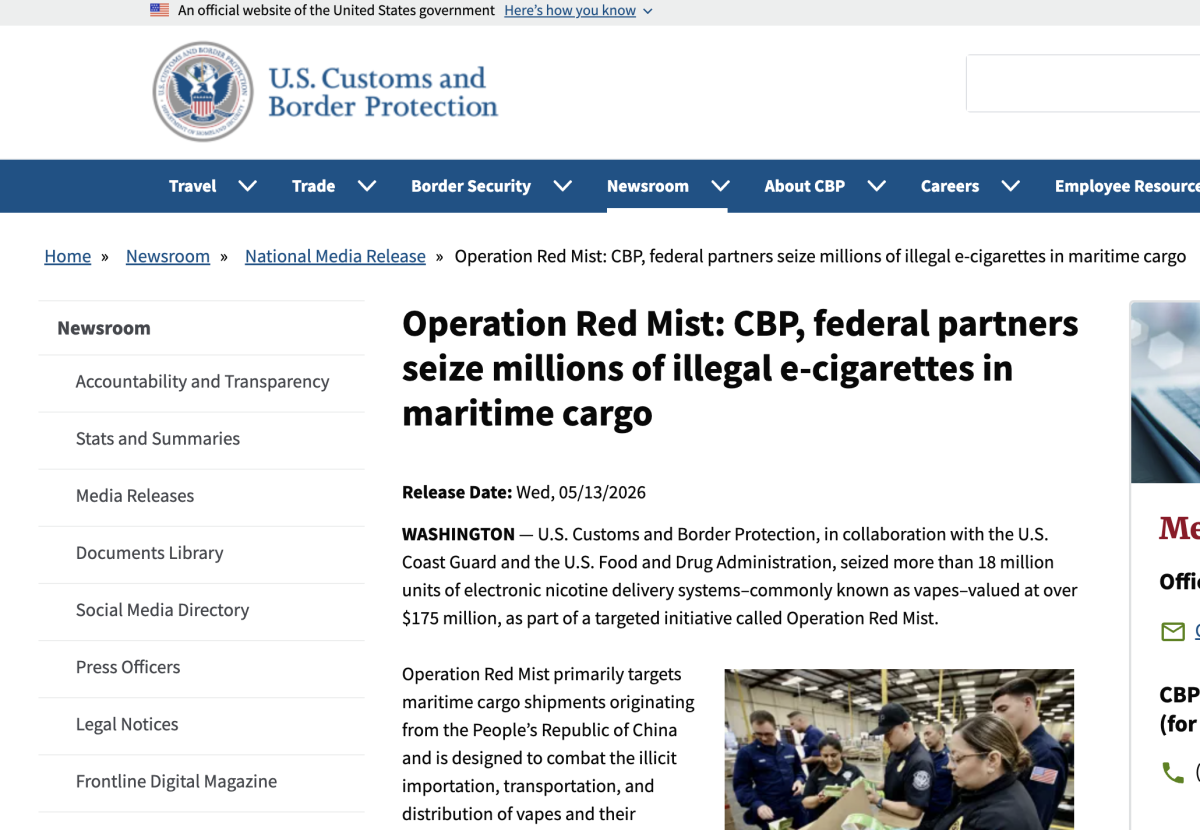
CBP and FDA Seize 18 Million Illegal Vapes Worth $175 Million in Maritime Cargo Operation
U.S. Customs and Border Protection (CBP) announced that more than 18 million illegal e-cigarettes valued at over $175 million were seized during “Operation Red Mist,” a joint enforcement initiative involving the U.S. Coast Guard and the FDA. The operation primarily targeted maritime vape shipments originating from China and focused on combating illicit importation, transportation, and distribution activities.
Regulations
May.14
 RFK Jr. Spokesman Resigns Over FDA Authorization of Fruit-Flavored Vapes
RFK Jr. Spokesman Resigns Over FDA Authorization of Fruit-Flavored Vapes
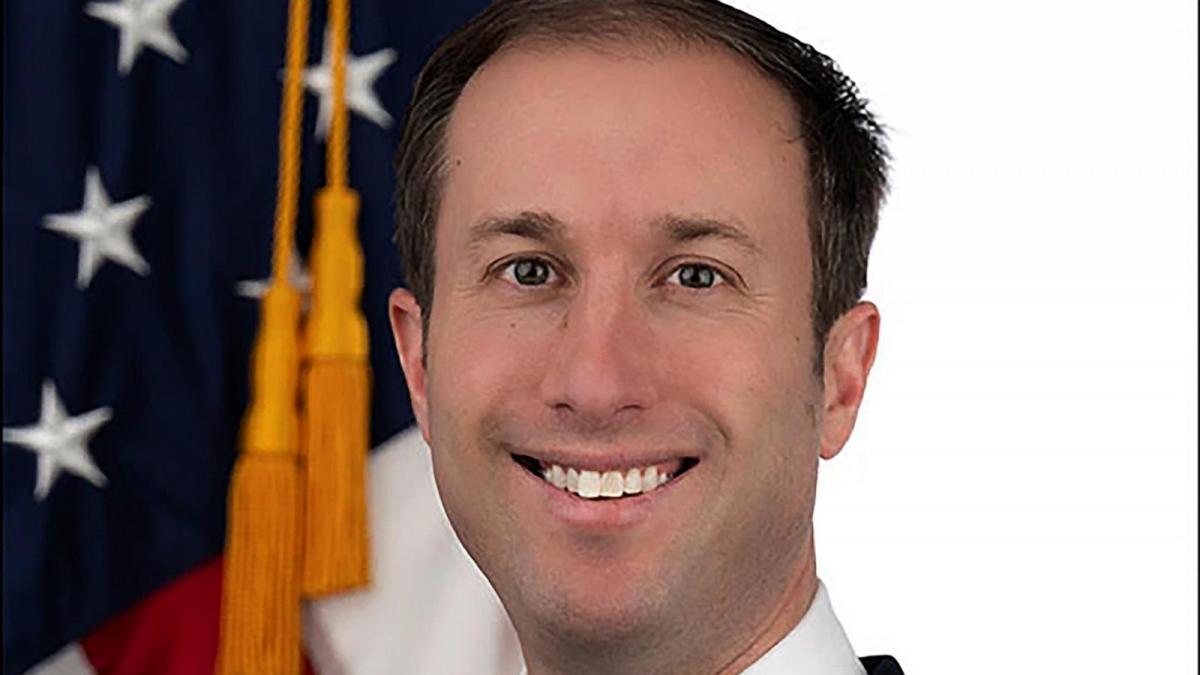
Richard Danker, a senior public affairs official in Health Secretary Robert F. Kennedy Jr.’s team, resigned from his role at HHS over the FDA’s recent authorization of fruit-flavored vaping products. In a resignation letter addressed to President Donald Trump, Danker argued that the products could expose minors to nicotine addiction, lung damage, and increased cancer risks, while also conflicting with recent HHS guidance on youth risks associated with flavored nicotine products.
News
May.15
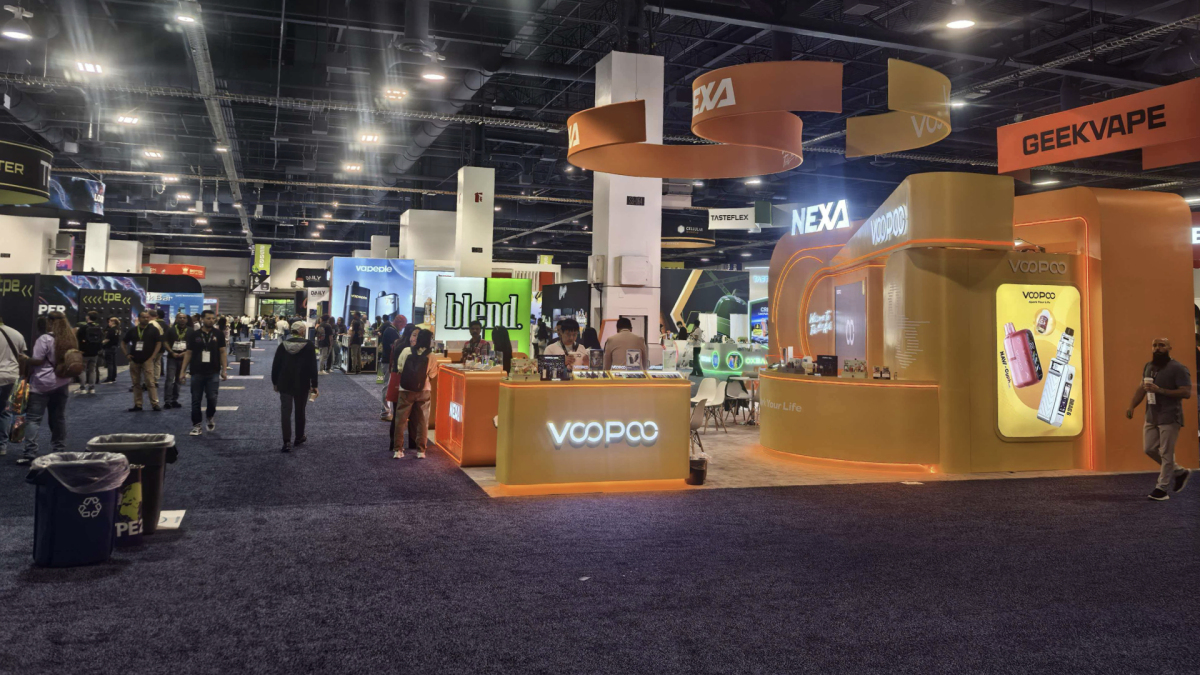
Exclusive | TPE 2026 Cools as Caution Deepens in the U.S. Vape Market
The show had become an important check-in point for Chinese manufacturers and brand owners looking for signs of change in the U.S. market after months of softer demand. Instead, participants said the event highlighted a more restrained mood: traffic in the vape section was uneven, standout launches were limited, and conversations often failed to turn into orders.
Special Report
Apr.12
FDA Tobacco Center Pushes Review-Efficiency Statement After Commissioner’s Exit
FDA CTP issued a May 7 statement on accelerating product review and improving PMTA efficiency, but did not push it via official X and newsletter until May 13, one day after FDA Commissioner Marty Makary’s resignation was confirmed. FDA has not explained the delay, and no public evidence links it directly to the leadership change. The timing is notable given CTP’s usual 24-hour distribution practice.
Special Report
May.14