BAT Kenya Faces Delay in New Nicotine Pouch Product Launch

BAT by 2FIRSTS.ai
May.07.2024
BAT Kenya Faces Delay in New Nicotine Pouch Product Launch
BAT Kenya's new nicotine pouch production delayed due to lack of regulatory approval, impacting $23.7 million factory operations.

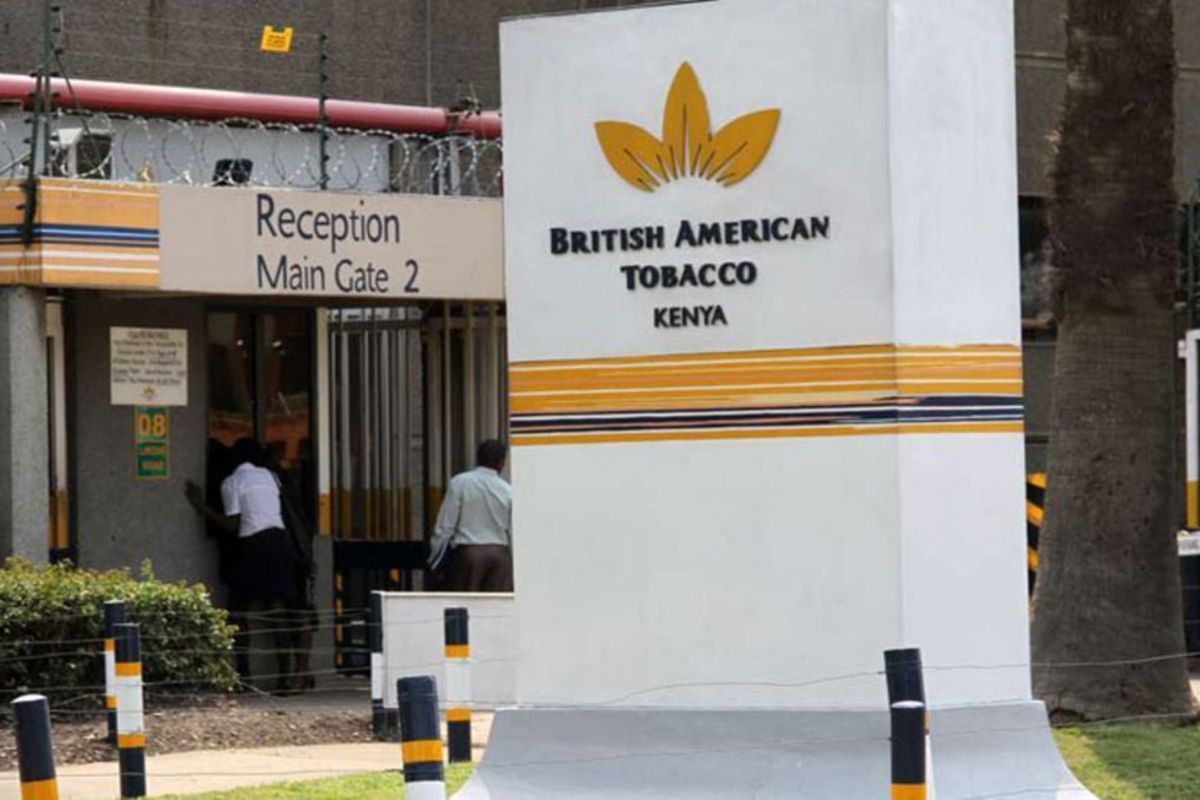
According to the African media outlet BusinessDaily Africa, on May 7, the Kenyan branch of the British American Tobacco Company (BAT) is unable to meet the growing demand for its new nicotine pouch product due to a lack of approval from regulatory authorities. This has resulted in a delay in the operation of their 2.5 billion Kenyan Shilling (approximately 23.7 million US dollars) factory, which was intended to produce new products for the African market.


BAT Kenya noted in its annual report that despite strong performance in the local market, the supply chain was disrupted at the end of last year due to the factory still not being operational.


BAT Kenya stated in a report that, "We plan to expedite the reduction of tobacco hazards in 2023 and reintroduce our nicotine pouch products in the Kenyan market by 2022. However, by the end of the year, our supply of nicotine pouches in the Kenyan market was disrupted due to regulatory uncertainty. This also affected the commercialization of our modern oral nicotine products manufacturing facility."


In 2019, the cigarette manufacturer BAT launched its nicotine pouch brand Lifyt in the Kenyan market for the first time. However, it was banned because it was classified as a pharmaceutical product rather than a tobacco product. The ban was lifted in 2022 after the nicotine pouches were agreed to be classified as tobacco products by the Tobacco Control Committee. BAT reintroduced the product to the market in 2023 under a new brand, Velo. Despite various pressures, the new nicotine pouch manufacturing facility is yet to be implemented.


We welcome news tips, article submissions, interview requests, or comments on this piece.

Please contact us at info@2firsts.com, or reach out to Alan Zhao, CEO of 2Firsts, on LinkedIn


Notice

1.  This article is intended solely for professional research purposes related to industry, technology, and policy. Any references to brands or products are made purely for objective description and do not constitute any form of endorsement, recommendation, or promotion by 2Firsts.

2.  The use of nicotine-containing products — including, but not limited to, cigarettes, e-cigarettes, nicotine pouchand heated tobacco products — carries significant health risks. Users are responsible for complying with all applicable laws and regulations in their respective jurisdictions.

3.  This article is not intended to serve as the basis for any investment decisions or financial advice. 2Firsts assumes no direct or indirect liability for any inaccuracies or errors in the content.

4.  Access to this article is strictly prohibited for individuals below the legal age in their jurisdiction.


Copyright


This article is either an original work created by 2Firsts or a reproduction from third-party sources with proper attribution. All copyrights and usage rights belong to 2Firsts or the original content provider. Unauthorized reproduction, distribution, or any other form of unauthorized use by any individual or organization is strictly prohibited. Violators will be held legally accountable.

For copyright-related inquiries, please contact: info@2firsts.com


AI Assistance Disclaimer


This article may have been enhanced using AI tools to improve translation and editorial efficiency. However, due to technical limitations, inaccuracies may occur. Readers are encouraged to refer to the cited sources for the most accurate information.

We welcome any corrections or feedback. Please contact us at: info@2firsts.com

Why AIRSCREAM Built its European Production Hub for Regulated Market Growth
AIRSCREAM’s production hub in the Czech Republic brings nicotine pouch manufacturing, e-liquid bottling, product documentation, warehousing and international logistics into one operation, giving brands and commercial partners a practical platform from which to launch, expand and enter new markets.
Market
Sep.16 by 2Firsts Perspectives
U.S. Military Could Test Nicotine Pouches and Vapes for Smoking Cessation as Washington Examiner Cites ZYN and Potential $4 Billion Reduction in Related Defense Costs
The House-passed FY2027 National Defense Authorization Act includes a provision authorizing the defense secretary to conduct a one-year smoking-cessation pilot for active-duty service members. Section 707 lists counseling, nicotine gum and patches alongside what the bill calls "electric nicotine delivery systems," nicotine pouches and heat-not-burn products. A recent Washington Examiner op-ed cited ZYN as an example in arguing for the provision, but the legislation does not name any commercial brand or supplier. ZYN is made by PMI-owned Swedish Match USA, with specified products holding FDA marketing authorizations and modified risk orders.
Sep.20
Philippines BIR Steps Up Illicit Vape Enforcement Ahead of Christmas Shopping
The Philippines’ Bureau of Internal Revenue is intensifying enforcement against illicit vape and tobacco products ahead of the Christmas shopping season, directing regional and enforcement offices to strengthen monitoring of production sites, warehouses, distribution channels and retail outlets. The BIR destroyed 240,550 illicit vape products in August with an estimated tax liability of about PHP1.53 billion. A nationwide tax-compliance operation in July also inspected 3,590 businesses involved in tobacco and vapor products.
Regulations
Sep.17 by 2Firsts Perspectives
Kumulus Vape2026 H1 Revenue Falls 8.3% but Profit Rises 24% as B2B Weakens and Consumer Channels Grow
French vaping company Kumulus Vape reported first-half 2026 revenue of €25.5 million, down 8.3% year over year, as its core B2B distribution business fell 11% to €21.6 million. B2C and store-network revenue rose 5.6% and 17.8%, respectively. Commercial margin increased to 26.3% from 21.7%, while net profit rose 24.1% to €0.8 million. The company attributed the profitability improvement to catalog optimization, logistics restructuring and the ramp-up of Labster, its in-house production unit for proprietary brands.
Market
Sep.17 by 2Firsts Perspectives
Product | JTI Introduces Fully Dissolvable PERLZ Nicotine Pearls in UK, Expands Range From 30-Pearl Dispensers to 10-Pearl Sachets
Japan Tobacco International (JTI) has introduced PERLZ nicotine pearls in the UK, expanding its oral nicotine portfolio beyond conventional nicotine pouches. The fully dissolvable, multi-layer pearls are placed under the tongue and come in Mint and Berry flavors at concentrations of 1mg/g and 2mg/g, equivalent to approximately 0.3mg and 0.5mg of nicotine per pearl. UK retailer Haypp published four 30-pearl dispenser listings on July 31, 2026, followed by three 10-pearl sachet products on August 17. The dispensers retail for £6.50, while the sachets cost £2.50.
product
Oct.12
Special Report | How Capital Is Reassessing the Global Tobacco and Modern Nicotine Industry: Lessons from a New York Forum
Capital is reassessing the global tobacco and modern nicotine industry as heated tobacco, vaping and nicotine pouches reshape demand, profitability and regulation. At the 2026 New Approaches Summit in New York, investors and analysts examined whether smoke-free growth can sustain earnings, how regulation shapes startup value, and whether shareholder engagement can be more effective than divestment. The debate points to a broader shift: tobacco transition is increasingly becoming a capital-allocation, governance and valuation question.
Capital Markets
Oct.05