BAT Subsidiary Acquires Three More CHUC E-Cigarette Products in $1.5 Million Deal

Jul.07.2025
BAT Subsidiary Acquires Three More CHUC E-Cigarette Products in $1.5 Million Deal
Charlie’s Holdings has amended its deal with BAT’s R.J. Reynolds Vapor, selling three more PACHA synthetic nicotine e-cigarette products for $1.5 million. This brings BAT’s total acquisition to 15 CHUC products submitted for PMTA since April.

Key Points:


·The parties involved in the transaction are as follows: the seller is Charlie's Holdings, Inc. (CHUC); the buyer is R.J. Reynolds Vapor Company (a subsidiary of British American Tobacco).


·Transaction update: CHUC and R.J. Reynolds have revised their original asset purchase agreement; additional sale of 3 PACHA brand synthetic nicotine e-cigarette products and related assets.


·Transaction amount and payment method: the transaction amount for this transaction is $1.5 million; Disposable payment has been completed at the time of transaction delivery.


·Product compliance status: All three products have been submitted for PMTA (Pre-Market Tobacco Product Application) in 2022. They belong to the category of disposable e-cigarette products containing synthetic nicotine.


·Cumulative transaction overview: Prior to this, CHUC had already completed its first transaction on April 16, 2024, selling 12 similar products. Currently, R.J. Reynolds has acquired a total of 15 CHUC products.


【2Firsts news flash】According to a report from Charlie's Holdings, Inc. (OTC: CHUC), CHUC has reached a revised agreement with R.J. Reynolds Vapor Company, a subsidiary of British American Tobacco (BAT), for the purchase of existing assets. Under the new agreement, CHUC will sell three PACHA brand synthetic nicotine products and related assets to the buyer for $1.5 million, with payment made at the time of the transaction.


The report indicates that these three products were previously submitted for PMTA (Pre-Market Tobacco Product Application) by CHUC in 2022.


Previously, CHUC announced that it had reached and completed an asset sale transaction with R.J. Reynolds Vapor Company on April 16. According to the agreement, Charlie's sold to R.J. Reynolds its 12 PACHA disposable e-cigarette products that have submitted PMTA (premarket tobacco product application) along with their related assets, all of which use synthetic nicotine. According to a comparative analysis by 2Firsts, these products are part of the PACHA Syn 3000 series.


2Firsts has collected the parameter information of the PACHA syn 3000 series products, as shown in the table below:


解读|雷诺收购PMTA在审一次性电子烟:“水果+冰”口味及高浓度尼古丁为主 口数均为3000口
Pacha Syn 3000 Product Information | Design: 2Firsts


In terms of specifications, the Pacha Syn 3000 products all use synthetic nicotine with concentrations of 20mg and 50mg. In terms of appearance, the Pacha Syn 3000 features a cylindrical design and is equipped with a large capacity 1200mAh battery.


With the completion of this transaction, R.J. Reynolds Vapor Company has now acquired a total of 15 products under the CHUC brand.
 

雷诺烟草500万美元收购12款PMTA在审一次性电子烟 均为合成尼古丁产品
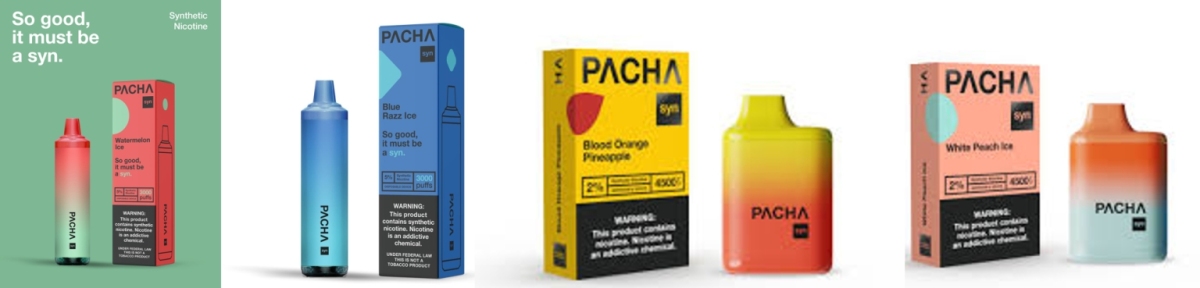
PACHA Brand Product Images | Image Source: PACHA Official Website


CHUC stated in its 8-K report filed with the U.S. Securities and Exchange Commission that the detailed text of this agreement has been included as Exhibit 10.1 in the filing and officially incorporated into the report.


We welcome news tips, article submissions, interview requests, or comments on this piece.

Please contact us at info@2firsts.com, or reach out to Alan Zhao, CEO of 2Firsts, on LinkedIn


Notice

1.  This article is intended solely for professional research purposes related to industry, technology, and policy. Any references to brands or products are made purely for objective description and do not constitute any form of endorsement, recommendation, or promotion by 2Firsts.

2.  The use of nicotine-containing products — including, but not limited to, cigarettes, e-cigarettes, nicotine pouchand heated tobacco products — carries significant health risks. Users are responsible for complying with all applicable laws and regulations in their respective jurisdictions.

3.  This article is not intended to serve as the basis for any investment decisions or financial advice. 2Firsts assumes no direct or indirect liability for any inaccuracies or errors in the content.

4.  Access to this article is strictly prohibited for individuals below the legal age in their jurisdiction.


Copyright


This article is either an original work created by 2Firsts or a reproduction from third-party sources with proper attribution. All copyrights and usage rights belong to 2Firsts or the original content provider. Unauthorized reproduction, distribution, or any other form of unauthorized use by any individual or organization is strictly prohibited. Violators will be held legally accountable.

For copyright-related inquiries, please contact: info@2firsts.com


AI Assistance Disclaimer


This article may have been enhanced using AI tools to improve translation and editorial efficiency. However, due to technical limitations, inaccuracies may occur. Readers are encouraged to refer to the cited sources for the most accurate information.

We welcome any corrections or feedback. Please contact us at: info@2firsts.com

Pennsylvania Vape Directory Law Survives Court Challenge From Nova Distro and Others Amid Similar Rulings Across States
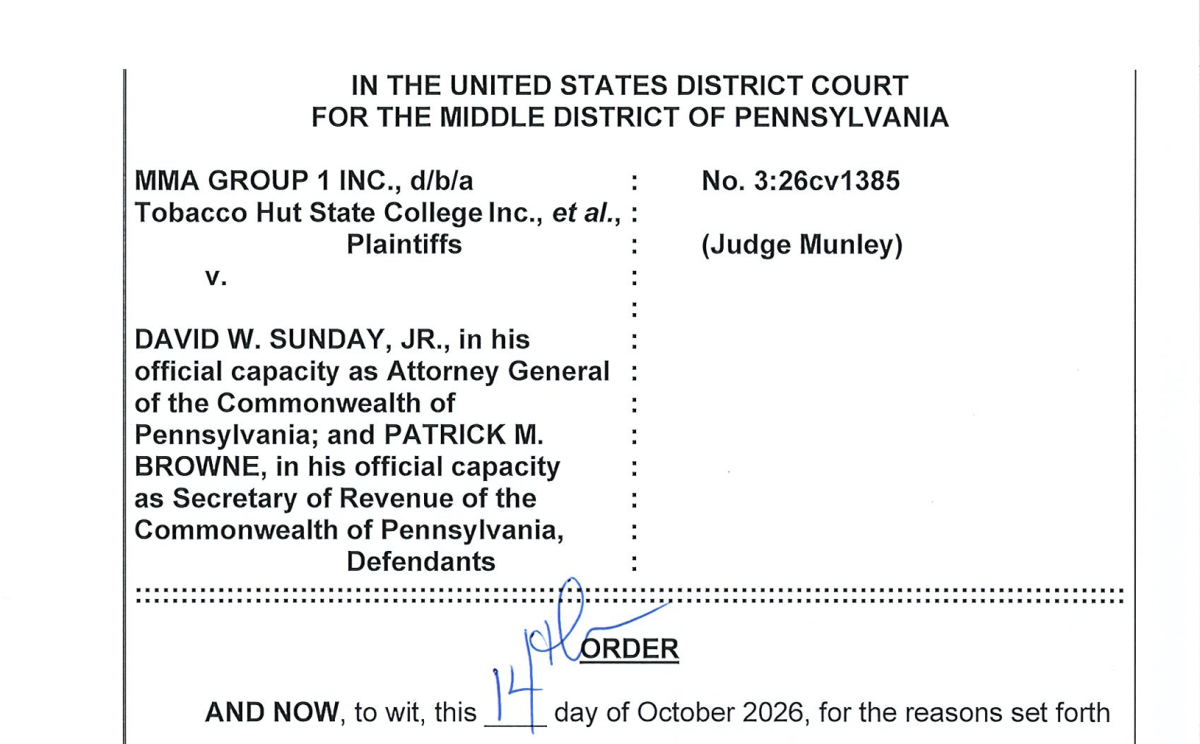
A U.S. federal court upheld Pennsylvania's vape directory law on October 14, rejecting a challenge brought by Nova Distro, 101 Distributors and companies operating Tobacco Hut retail stores. Court records show that vaping accounts for about 60% of Tobacco Hut's profits and that the chain held approximately $2 million in inventory potentially subject to seizure under the law as of June 2. Pennsylvania began enforcement on October 19. The ruling follows similar appellate decisions in other states, even as new research shows that unlisted vaping products continue to account for substantial sales in states with established directories.
Regulations
Oct.22
North Carolina Tightens Vape Product Directory Enforcement, Expands State and Local Powers as Violators Face Fines, Product Seizures and License Suspension or Revocation
North Carolina has expanded enforcement of its vapor product directory rules, authorizing more state and local law enforcement participation and establishing a task force led by the State Bureau of Investigation. The legislation requires at least one unannounced compliance inspection annually for retailers, distributors and wholesalers handling covered products. Penalties effective October 1, 2026, include civil fines of $500–$750 for a first violation and $1,000–$1,500 for repeated violations within 12 months, along with potential license suspension or revocation. Manufacturers may face penalties of $10,000 per unlisted product. The measures strengthen the product directory system established in 2024.
Regulations
Oct.28
On-Site Report | CTP Details PMTA Backlog, 180-Day Review Goal and sPMTA Process
FDA’s Center for Tobacco Products detailed new PMTA review data and process changes at the 2026 FDLI conference. Pending PMTAs fell from about 450,000 at the start of 2025 to 135,000 by September 2026. CTP also discussed its 180-day review goal, current sPMTA pilot, alternate-supplier planning, more than 50,300 pending SE reports, and lessons from the nicotine pouch pilot already being applied to ENDS review.
Regulations
Oct.07
Australia's Illicit Tobacco Market May Have Turned After Five Years of Growth, With Estimates Showing Up to 25% Decline Amid Tax-Cut Debate
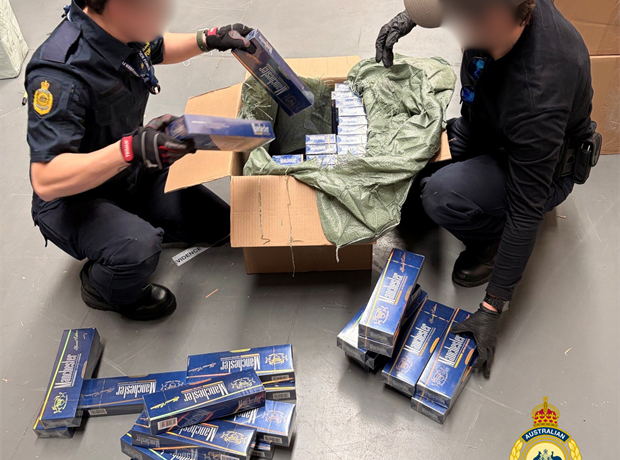
New Australian government estimates released on November 15, 2026, suggest that the country's illicit tobacco market may have contracted for the first time following five years of growth. Estimated market volume fell from a previous peak of 5,972 tonnes to a range of 4,453–5,893 tonnes. The government attributed the change to stronger border enforcement and coordinated domestic operations. Australian Border Force seized more than 2,300 tonnes of illicit tobacco and 13.2 million illicit vaping products in 2025–26, followed by approximately 730 tonnes of illicit tobacco in the first quarter of 2026–27. Separate experimental estimates from the Australian Bureau of Statistics indicate that illicit sources accounted for approximately 80% of nicotine consumption in 2025.
Regulations
Nov.16
New York City Opens Lottery for 55 Vape Retail License Slots Across 23 Community Districts, Including 28 in Brooklyn
New York City's Department of Consumer and Worker Protection (DCWP) opened applications on November 2, 2026, for a lottery covering tobacco and electronic cigarette retail dealer licenses, with a deadline of 5 p.m. New York local time on November 30. According to the city's October 1 notice, 55 electronic cigarette retail license slots are available across 23 community districts, including 28 in Brooklyn, alongside 322 tobacco retail license slots across 41 districts. Businesses must enter the lottery and, if invited, complete licensing requirements within 65 days. New York City continues to restrict e-cigarette retail sales to tobacco-flavored or unflavored products, while city retail licenses do not replace FDA product marketing authorization.
Market
Nov.04
Special Report | Altria's NACS Booth Raises Questions Over U.S. Tobacco Advertising Warnings
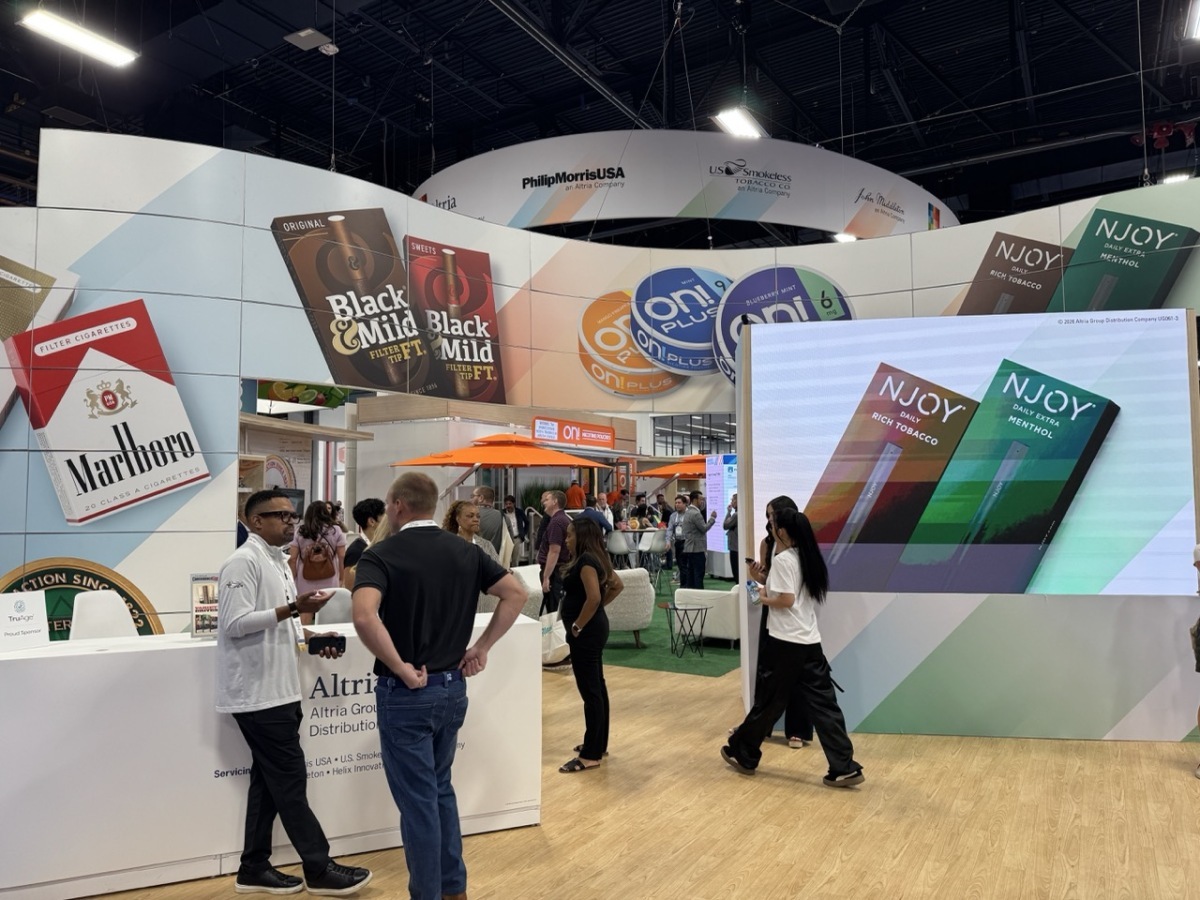
During its coverage of Altria's booth at NACS Show 2026, 2Firsts documented product displays that prompted questions about U.S. tobacco advertising warning requirements. Following public comments from a former FDA official, 2Firsts sought responses from Altria and independently consulted U.S. regulatory lawyer Azim Chowdhury. Altria maintained that its B2B communications complied with applicable laws, while Chowdhury explained that federal warning rules provide no general trade-show exemption for e-cigarettes and nicotine pouches. The special report examines the broader regulatory implications.
Nov.04