Combatting the Normalization of Illegal Cigarette Purchases in Adults

Jul.09.2024
Combatting the Normalization of Illegal Cigarette Purchases in Adults
Research by Japan Tobacco International reveals a normalization of illegal cigarette purchases in countries including the Philippines, France, UK, and Canada.

According to a study conducted by Japan Tobacco International (referred to as JTI), the purchase of illegal cigarettes has become increasingly normalized among adult smokers in the Philippines, as well as in France, the UK, and Canada. Governments and relevant agencies worldwide need to be highly vigilant of this trend and promptly implement effective measures to combat the illegal tobacco market.


Research data shows that approximately 33% of adult smokers in the Philippines are willing to purchase illicit tobacco, while about 43% of surveyed smokers say they are "willing to buy tobacco they know is illegally produced or sold." So far, the government has lost around 7 billion pesos (1.2 billion USD) due to illegal cigarettes and e-cigarette products.


Japan Tobacco International (JTI) has stated that they will continue their efforts to combat illegal tobacco trade. They plan to closely collaborate with relevant organizations worldwide and actively educate the public about the dangers of illicit cigarettes. JTI also aims to gain more support and assistance from governments and relevant agencies in order to collectively combat the illegal tobacco market and keep adult smokers around the world away from illegal cigarettes.


We welcome news tips, article submissions, interview requests, or comments on this piece.

Please contact us at info@2firsts.com, or reach out to Alan Zhao, CEO of 2Firsts, on LinkedIn


Notice

1.  This article is intended solely for professional research purposes related to industry, technology, and policy. Any references to brands or products are made purely for objective description and do not constitute any form of endorsement, recommendation, or promotion by 2Firsts.

2.  The use of nicotine-containing products — including, but not limited to, cigarettes, e-cigarettes, nicotine pouchand heated tobacco products — carries significant health risks. Users are responsible for complying with all applicable laws and regulations in their respective jurisdictions.

3.  This article is not intended to serve as the basis for any investment decisions or financial advice. 2Firsts assumes no direct or indirect liability for any inaccuracies or errors in the content.

4.  Access to this article is strictly prohibited for individuals below the legal age in their jurisdiction.


Copyright


This article is either an original work created by 2Firsts or a reproduction from third-party sources with proper attribution. All copyrights and usage rights belong to 2Firsts or the original content provider. Unauthorized reproduction, distribution, or any other form of unauthorized use by any individual or organization is strictly prohibited. Violators will be held legally accountable.

For copyright-related inquiries, please contact: info@2firsts.com


AI Assistance Disclaimer


This article may have been enhanced using AI tools to improve translation and editorial efficiency. However, due to technical limitations, inaccuracies may occur. Readers are encouraged to refer to the cited sources for the most accurate information.

We welcome any corrections or feedback. Please contact us at: info@2firsts.com

JTI Invests ₱2.1 Billion to Upgrade Batangas Manufacturing Hub, Adds First Southeast Asia DIET Facility
JTI Asia Manufacturing Corp. has invested ₱2.1 billion, or about $37 million, in its manufacturing site in Malvar, Batangas, Philippines, to expand tobacco-processing capabilities. About ₱1.9 billion is allocated to JTI's first Dry Ice Expanded Tobacco, or DIET, facility in Southeast Asia, while more than ₱177 million has been spent on expanding its Controlled Atmosphere treatment facility. The Batangas plant supplies the Philippine market and exports to 22 overseas markets, making it one of JTI's key manufacturing hubs in Asia.
Sep.24
South Korea's Tobacco Plan Excludes 6-Methyl Nicotine as Customs Tightens Import Controls and Analog Liquid Imports Fall 83%
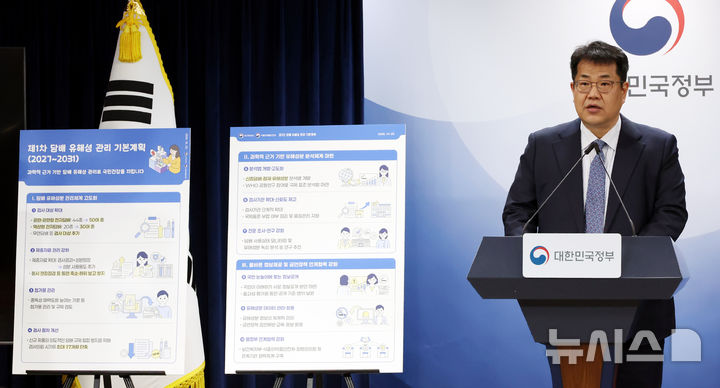
South Korea's government unveiled its first Tobacco Harm Management Basic Plan for 2027–2031 on October 29, 2026, proposing broader testing of vaping and heated tobacco products while excluding nicotine analogs such as 6-methyl nicotine. Synthetic nicotine came under tobacco regulation on April 24, and a June investigation found 6-methyl nicotine in 12 liquid inhalation products marketed as nicotine-free. Customs data released in September showed that imports of nicotine analog solutions fell 83.3%, from 12 metric tons in January–April to 2 metric tons in May–August. By September 20, imports had reached approximately 15 metric tons for the year, with 99.99% originating from China. Customs authorities have tightened pre-clearance testing and supply-chain documentation requirements, while the MFDS expects to complete its assessment of nicotine analog hazards by the end of 2026.
Regulations
Nov.04
Russia’s Vape Device Labeling Regime Enters Force: Registration Starts in September, Mandatory Coding in December
Russia's digital labeling regime for reusable e-cigarettes and similar personal vaping devices entered its first mandatory phase in September 2026. From September 1, manufacturers, importers and other market participants must register with the national Chestny ZNAK tracking system. From December 1, newly manufactured and imported covered devices will be required to carry digital identification codes and be reported as entering circulation. Russia has also issued new operational guidance for imports, marking the transition from a voluntary pilot to phased mandatory implementation.
Sep.15
Russia's Vape Ban Decisions Reach 17 Regions With 39 More Considering Laws, Putting Over 3,000 St. Petersburg Retail Outlets in Focus
Russia's regional vape retail restrictions are expanding. State Duma Speaker Vyacheslav Volodin said on November 7 that 17 regions had adopted decisions to ban vape sales, while another 39 were preparing or considering similar legislation. On November 12, lawmakers in Leningrad Oblast and the Republic of Karelia adopted bans scheduled to begin on March 1, 2027. A day earlier, St. Petersburg unanimously approved a five-year ban proposal in its first reading. The city has 615 specialist vape shops and more than 2,400 other retail outlets selling vaping products alongside other goods. Under Federal Law No. 186-FZ, enacted in June 2026, Russian regions may prohibit retail sales of electronic nicotine delivery systems and related liquids between March 2027 and March 2032. The legislation also restricts licensed suppliers from delivering covered products to retail premises in regions where bans apply.
Regulations
Nov.13
Product | PIXL Adds 6ml PIXL 5K in UK Alongside 12ml PIXL 8000 as Vape Duty Takes Effect
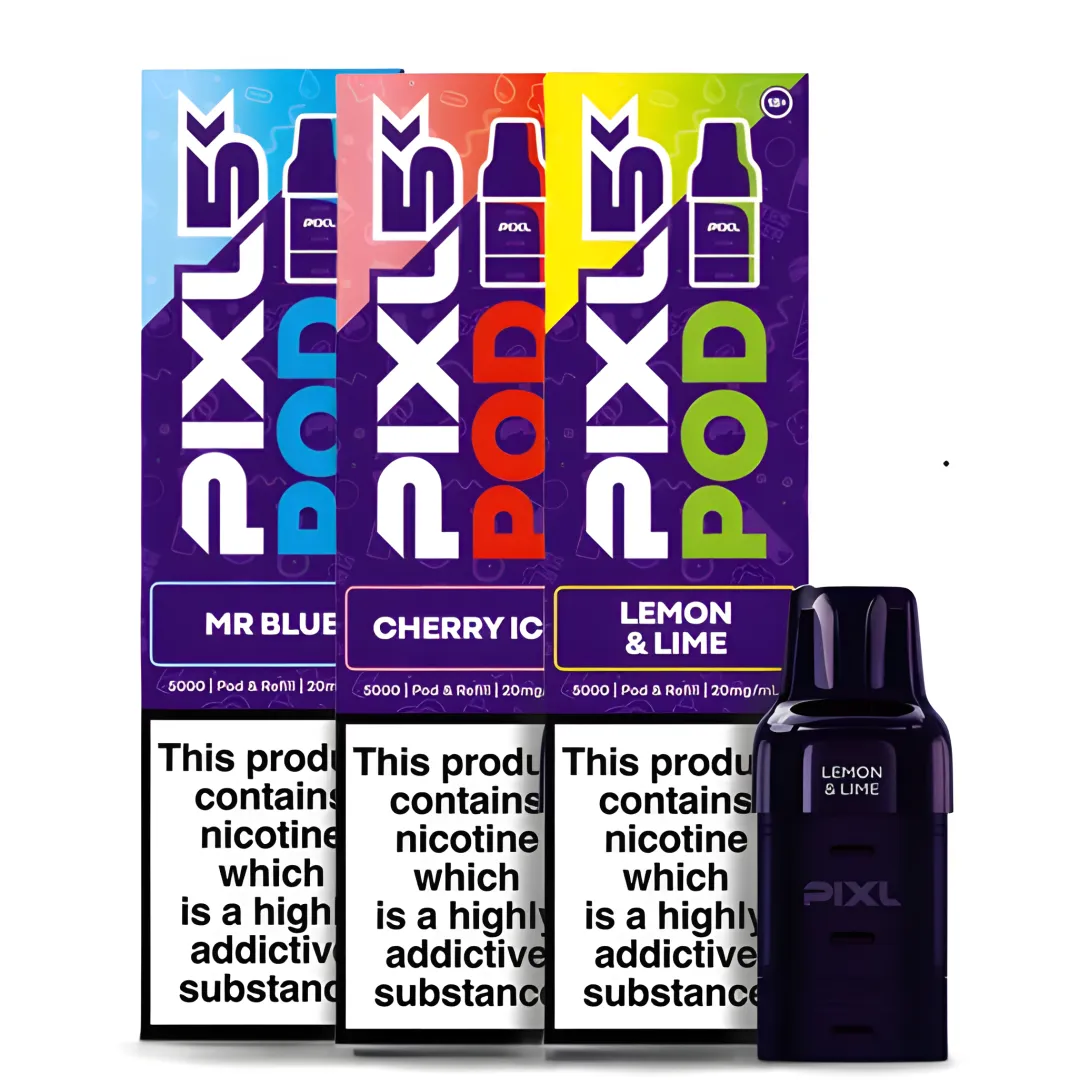
Vaping brand PIXL has introduced the PIXL 5K reusable prefilled pod device in the UK, featuring a 2ml prefilled pod and a 4ml refill container with a combined e-liquid capacity of 6ml. The device uses 20mg/ml nicotine salt e-liquid and is advertised to deliver up to approximately 5,000 puffs. Available through UK retailers by August 2026, the PIXL 5K sits alongside the existing 12ml PIXL 8000. The UK's Vaping Products Duty took effect on October 1 at £0.22 per millilitre, producing theoretical duty amounts of £1.32 and £2.64 for the two products' respective full refill sets.
product
Oct.10
Reynolds Puts Nearly 183,000 U.S. Contracted Outlets Under Age-Verification Rules, Covering 94% of Volume — Can It Shift an Unauthorized Vape Market?
Reynolds American says nearly 183,000 U.S. retail outlets are under contract, with its Retail Marketing Plan Contract covering about 94% of company volume and requiring point-of-sale age verification. The company combines those contracts with We Card, TruAge, NACS-linked infrastructure and POS integration, while enhanced Vuse Pro retail rules add ID scanning, purchase limits and stronger underage-sales accountability. The initial Vuse Pro rollout targets about 50,000 stores. The system is taking shape as unauthorized vapor products remain dominant in parts of the U.S. market: a 2026 study estimated they accounted for 69.4% of tracked brick-and-mortar e-cigarette dollar sales in December 2025.
Special Report
Oct.15