Destruction of 11.24 Million Illegal Cigarettes in Indonesia

Regulations by 2FIRSTS.ai
May.17.2024
Destruction of 11.24 Million Illegal Cigarettes in Indonesia
Indonesia's Kudus Customs Office destroys 11.24 million illegal cigarettes worth $88,229 to curb smuggling and boost tax revenue.

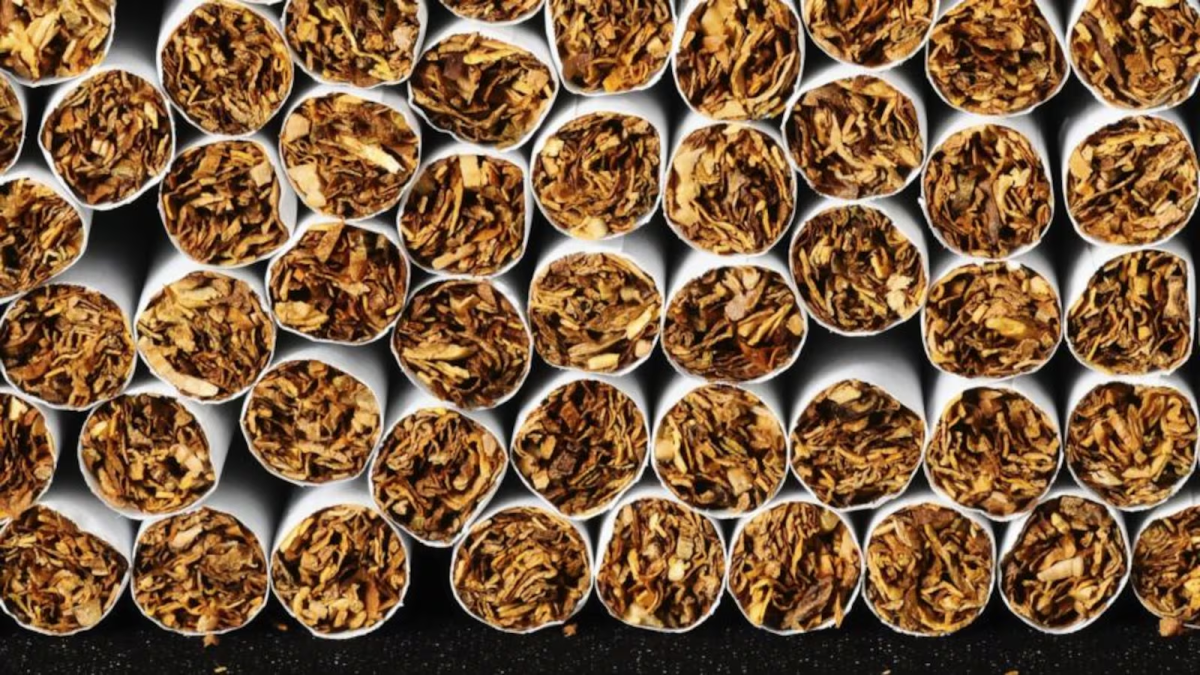
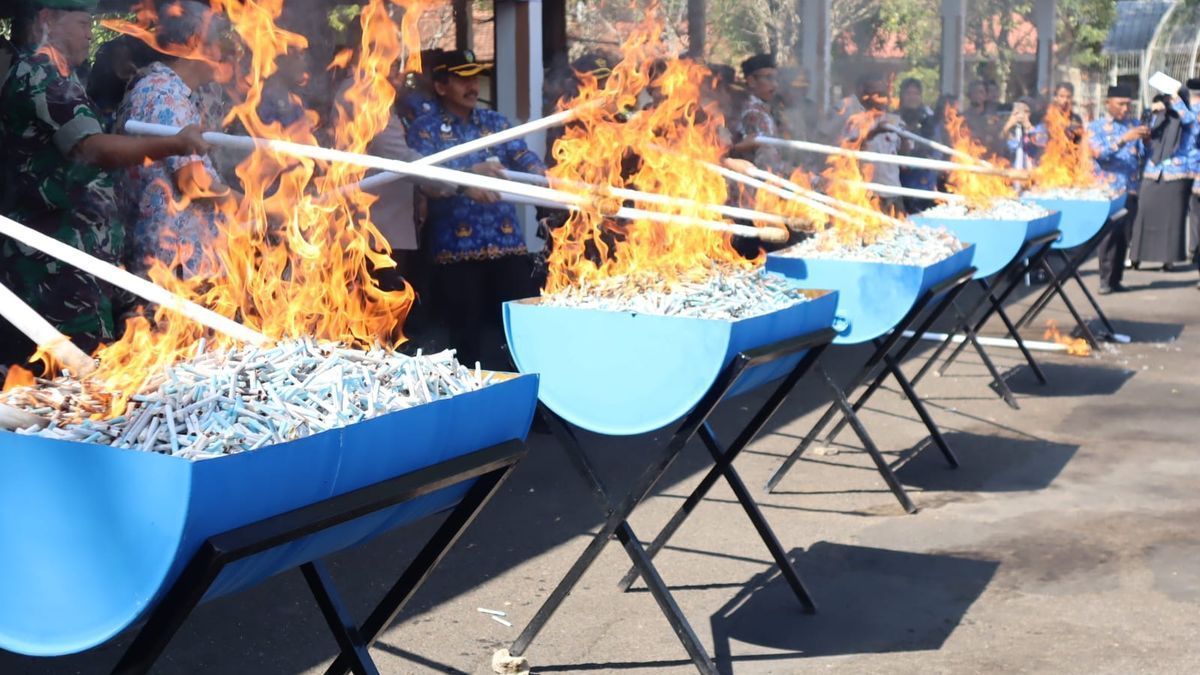
According to a report from Pikiran-Rakyat on May 17th, the Intermediate Customs Supervision and Service Office in Madya Kudus, Central Java, Indonesia, destroyed 11,249,900 illegal cigarettes that had been seized by customs officials. The value of the cigarettes was approximately 1.41 billion Indonesian rupiah ($88,229).


The district government secretary, Edy Sujatmiko, commended the Kudus Customs for their efforts in combating illegal cigarette activities.


The circulation of illegal cigarettes has impacted the country's revenue, particularly in the taxation sector.


He emphasized that the national revenue obtained through taxes is crucial for improving public welfare through the distribution of funds from the Tobacco Product Tax Allocation Fund (DBHCHT).


He further pointed out: "This year, Yapala County received a grant of 1.41 billion Indonesian Rupiah (882,297 US dollars) from DBHCHT. Of this, 50% will be used to improve public welfare, 40% will be invested in the health sector, and the remaining 10% will be used for public awareness and law enforcement.


Hannan Budiharto, Director of Customs in Central Java Province, stated that the revenue target faced by the Kudus Customs in 2024 is 4.4 billion Indonesian Rupiah (275,326 USD). This figure is the largest among the customs offices in Central Java and Yogyakarta regions.


Tax revenue will be returned to the regions in the form of DBHCHT. Kudus County received 20 billion Indonesian Rupiah (equivalent to 1251,486 USD), the highest amount. To receive more, legal cigarette factories should expand.


We welcome news tips, article submissions, interview requests, or comments on this piece.

Please contact us at info@2firsts.com, or reach out to Alan Zhao, CEO of 2Firsts, on LinkedIn


Notice

1.  This article is intended solely for professional research purposes related to industry, technology, and policy. Any references to brands or products are made purely for objective description and do not constitute any form of endorsement, recommendation, or promotion by 2Firsts.

2.  The use of nicotine-containing products — including, but not limited to, cigarettes, e-cigarettes, nicotine pouchand heated tobacco products — carries significant health risks. Users are responsible for complying with all applicable laws and regulations in their respective jurisdictions.

3.  This article is not intended to serve as the basis for any investment decisions or financial advice. 2Firsts assumes no direct or indirect liability for any inaccuracies or errors in the content.

4.  Access to this article is strictly prohibited for individuals below the legal age in their jurisdiction.


Copyright


This article is either an original work created by 2Firsts or a reproduction from third-party sources with proper attribution. All copyrights and usage rights belong to 2Firsts or the original content provider. Unauthorized reproduction, distribution, or any other form of unauthorized use by any individual or organization is strictly prohibited. Violators will be held legally accountable.

For copyright-related inquiries, please contact: info@2firsts.com


AI Assistance Disclaimer


This article may have been enhanced using AI tools to improve translation and editorial efficiency. However, due to technical limitations, inaccuracies may occur. Readers are encouraged to refer to the cited sources for the most accurate information.

We welcome any corrections or feedback. Please contact us at: info@2firsts.com

South Korea's Tobacco Plan Excludes 6-Methyl Nicotine as Customs Tightens Import Controls and Analog Liquid Imports Fall 83%
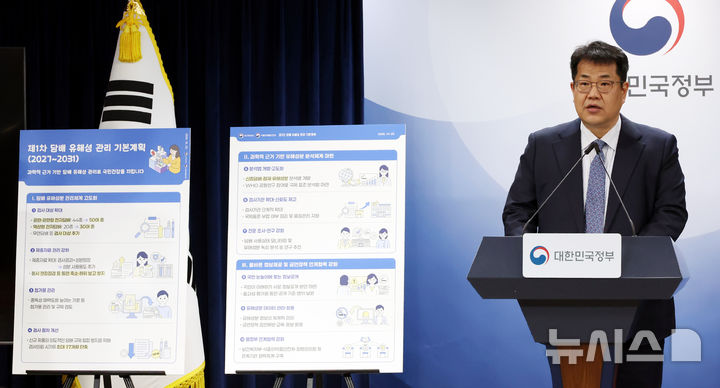
South Korea's government unveiled its first Tobacco Harm Management Basic Plan for 2027–2031 on October 29, 2026, proposing broader testing of vaping and heated tobacco products while excluding nicotine analogs such as 6-methyl nicotine. Synthetic nicotine came under tobacco regulation on April 24, and a June investigation found 6-methyl nicotine in 12 liquid inhalation products marketed as nicotine-free. Customs data released in September showed that imports of nicotine analog solutions fell 83.3%, from 12 metric tons in January–April to 2 metric tons in May–August. By September 20, imports had reached approximately 15 metric tons for the year, with 99.99% originating from China. Customs authorities have tightened pre-clearance testing and supply-chain documentation requirements, while the MFDS expects to complete its assessment of nicotine analog hazards by the end of 2026.
Regulations
Nov.04
India Steps Up Nicotine Pouch Enforcement as ZYN, White Fox Circulate and Drug Panel Urges Halt to New Nicotine Formulations
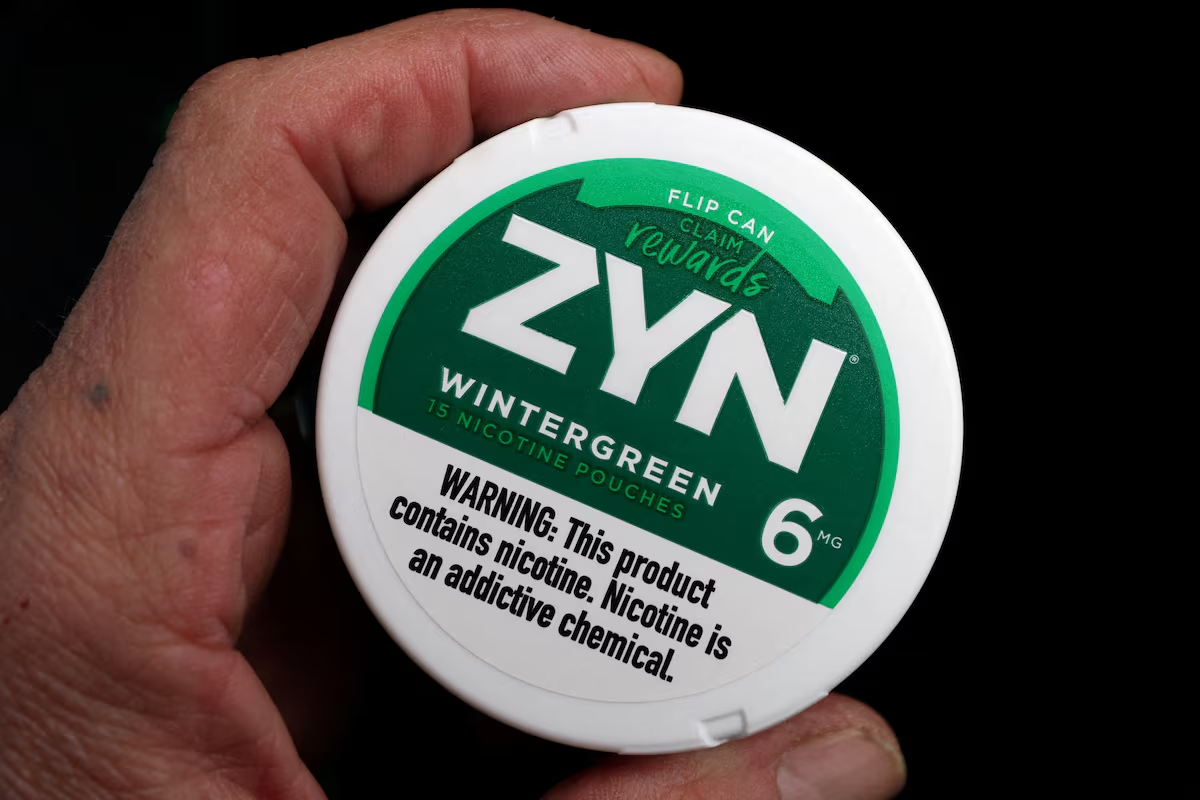
India's Ministry of Health and Family Welfare has directed states to step up enforcement against nicotine pouch sales, citing increased availability through online and offline channels and concern about nicotine exposure among children. Reuters reported that international brands including ZYN and White Fox are being sold in India. A study led by ICMR-NICPR found pouches in seven of 10 surveyed locations and identified 68 brands and 445 flavors online. Separately, India's Drugs Technical Advisory Board recommended in August that no new nicotine formulation be approved.
Regulations
Sep.28 by 2Firsts Perspectives
Product | PMI Launches ZYN Melts in UK, Extending ZYN Beyond Nicotine Pouches Into Dissolvable Tablets
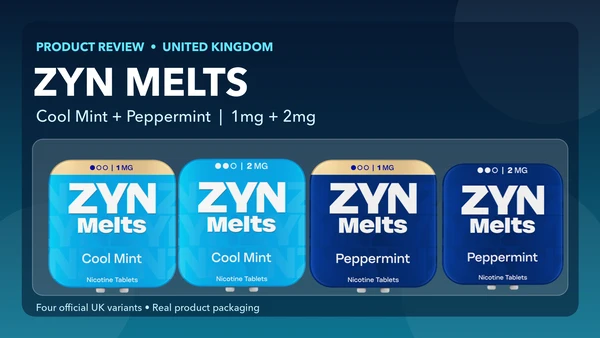
Philip Morris International (PMI) has launched ZYN Melts in the UK, introducing a fully dissolvable oral nicotine tablet format alongside the brand's existing nicotine pouches. The range includes Cool Mint and Peppermint, each offered at 1mg and 2mg of nicotine per tablet, creating four SKUs. Each can contains 20 tablets and is priced at £6.50 in the UK. Unlike ZYN nicotine pouches, Melts are placed between the upper lip and gum and dissolve completely during use.
News
Sep.29 by 2Firsts Perspectives
JTI Proposes 25-Cent Irish Cigarette Tax Increase, Says It Could Raise €45 Million
Japan Tobacco International's Irish business has proposed a €0.25 tax increase on a pack of 20 cigarettes in its pre-Budget 2027 submission, below the €0.50-or-more increases typically imposed in recent Irish budgets. JTI says the proposal could generate around €45 million in additional Exchequer revenue while limiting further movement toward illicit and non-Irish-tax-paid tobacco. Revenue's existing estimate for a comparable €0.25 increase, including pro-rata rises on other tobacco products, is about €18 million for a full year.
JTI
Sep.18 by 2Firsts Perspectives
Russia's Vape Ban Decisions Reach 17 Regions With 39 More Considering Laws, Putting Over 3,000 St. Petersburg Retail Outlets in Focus
Russia's regional vape retail restrictions are expanding. State Duma Speaker Vyacheslav Volodin said on November 7 that 17 regions had adopted decisions to ban vape sales, while another 39 were preparing or considering similar legislation. On November 12, lawmakers in Leningrad Oblast and the Republic of Karelia adopted bans scheduled to begin on March 1, 2027. A day earlier, St. Petersburg unanimously approved a five-year ban proposal in its first reading. The city has 615 specialist vape shops and more than 2,400 other retail outlets selling vaping products alongside other goods. Under Federal Law No. 186-FZ, enacted in June 2026, Russian regions may prohibit retail sales of electronic nicotine delivery systems and related liquids between March 2027 and March 2032. The legislation also restricts licensed suppliers from delivering covered products to retail premises in regions where bans apply.
Regulations
Nov.13
Product|AIR Files U.S. PMTA for Crown Switch. Can Greentank's Chip Technology Deliver a Compliance and Competitive Advantage?
AIR Global PLC (NASDAQ: AIIR) announced on November 5, 2026, that it had submitted a Premarket Tobacco Product Application (PMTA) to the U.S. Food and Drug Administration (FDA) for Crown Switch, its rechargeable pod vape platform. First launched in Germany in November 2025, the device uses Quantum Chip atomization technology developed by Canadian vaporization technology company Greentank Innovations. German retail versions feature 2mL prefilled pods containing 18mg/mL nicotine in six flavors, while AIR has separately tested two 5% nicotine formulations intended for U.S. development. AIR invested $20 million in Greentank in July and reported approximately $3.4 million in U.S. PMTA-related regulatory costs for the first nine months of 2026. The Crown Switch application has been submitted, but the FDA has not granted marketing authorization.
product
Nov.13