Dutch Authorities Seize 8 Million Illegal Tobacco Products

Jul.12.2024
Dutch Authorities Seize 8 Million Illegal Tobacco Products
Customs officials in Noord-Brabant, Netherlands seized 8 million illegal cigarettes hidden in a warehouse, leading to arrests and tax losses.

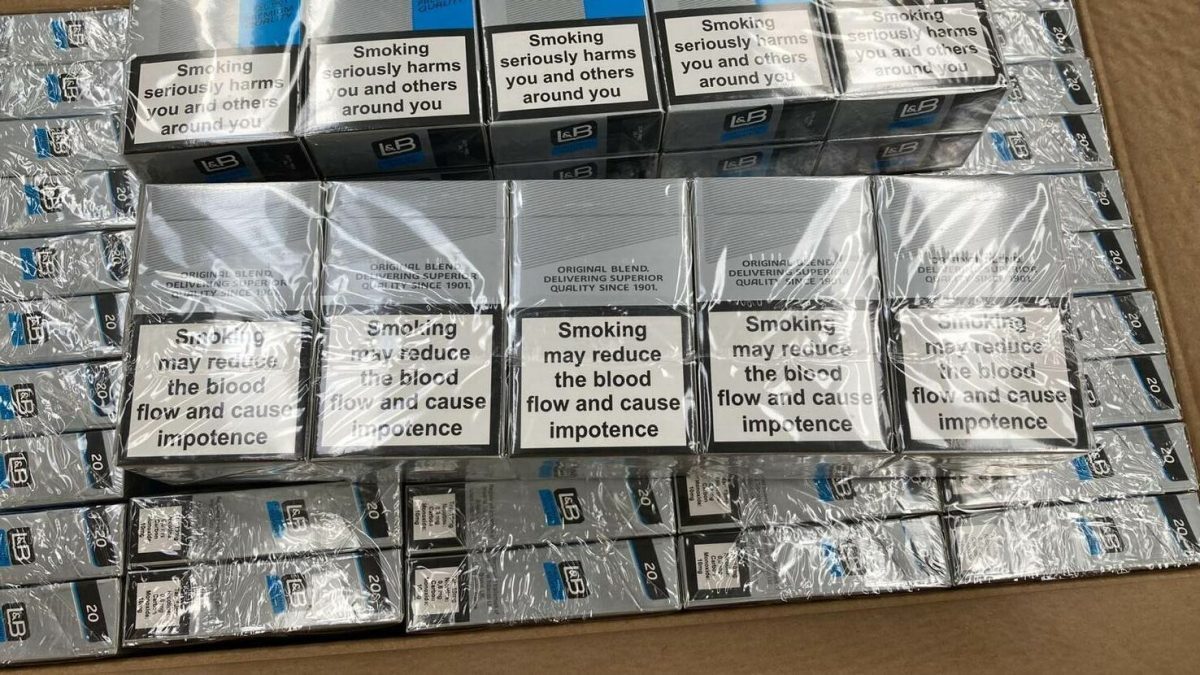
According to Dutch News, on July 12, customs officials successfully seized 8 million illegal cigarettes in a warehouse in Someren, North Brabant, Netherlands. The cigarettes were found stored on 22 pallets without tax stamps, indicating potential tax evasion. If these untaxed cigarettes were to enter the market, it is estimated that the Dutch Ministry of Finance could lose approximately 3.6 million euros in customs revenue.


In this operation, two suspects have been arrested, including a 45-year-old Polish citizen and a 47-year-old resident of Heerhugowaard. This seizure is part of the government's efforts to strengthen tobacco control measures. Previously, the Dutch government has raised tobacco taxes to curb smoking behavior. Earlier this year, the price of a pack of 20 cigarettes rose by nearly 1 euro to 11.10 euros.


Although raising tobacco taxes helps encourage quitting smoking, a study released last month by the Ministry of Finance and the Ministry of Health shows that smuggling activities are also increasing accordingly. Researchers collect and analyze discarded cigarette packs through biennial surveys to monitor smokers' behavior patterns.


According to a survey conducted in 2021, 15% of empty cigarette packs contain tobacco on which Dutch tobacco tax has not been paid. However, this figure increased to 25% last year. While nearly 19% of tobacco is purchased from other countries, 4% consists of counterfeit or smuggled tobacco, a significant increase compared to 1% two years ago.


A study by the Dutch National Institute for Public Health and the Environment (RIVM) has revealed that approximately 10% of tobacco consumption by smokers in the Netherlands is sourced from abroad, either through personal imports or through purchases made by others. These findings highlight the potential threat of tobacco smuggling to public finances and public health, and underscore the challenges faced by the government in combating illegal tobacco trade.


We welcome news tips, article submissions, interview requests, or comments on this piece.

Please contact us at info@2firsts.com, or reach out to Alan Zhao, CEO of 2Firsts, on LinkedIn


Notice

1.  This article is intended solely for professional research purposes related to industry, technology, and policy. Any references to brands or products are made purely for objective description and do not constitute any form of endorsement, recommendation, or promotion by 2Firsts.

2.  The use of nicotine-containing products — including, but not limited to, cigarettes, e-cigarettes, nicotine pouchand heated tobacco products — carries significant health risks. Users are responsible for complying with all applicable laws and regulations in their respective jurisdictions.

3.  This article is not intended to serve as the basis for any investment decisions or financial advice. 2Firsts assumes no direct or indirect liability for any inaccuracies or errors in the content.

4.  Access to this article is strictly prohibited for individuals below the legal age in their jurisdiction.


Copyright


This article is either an original work created by 2Firsts or a reproduction from third-party sources with proper attribution. All copyrights and usage rights belong to 2Firsts or the original content provider. Unauthorized reproduction, distribution, or any other form of unauthorized use by any individual or organization is strictly prohibited. Violators will be held legally accountable.

For copyright-related inquiries, please contact: info@2firsts.com


AI Assistance Disclaimer


This article may have been enhanced using AI tools to improve translation and editorial efficiency. However, due to technical limitations, inaccuracies may occur. Readers are encouraged to refer to the cited sources for the most accurate information.

We welcome any corrections or feedback. Please contact us at: info@2firsts.com

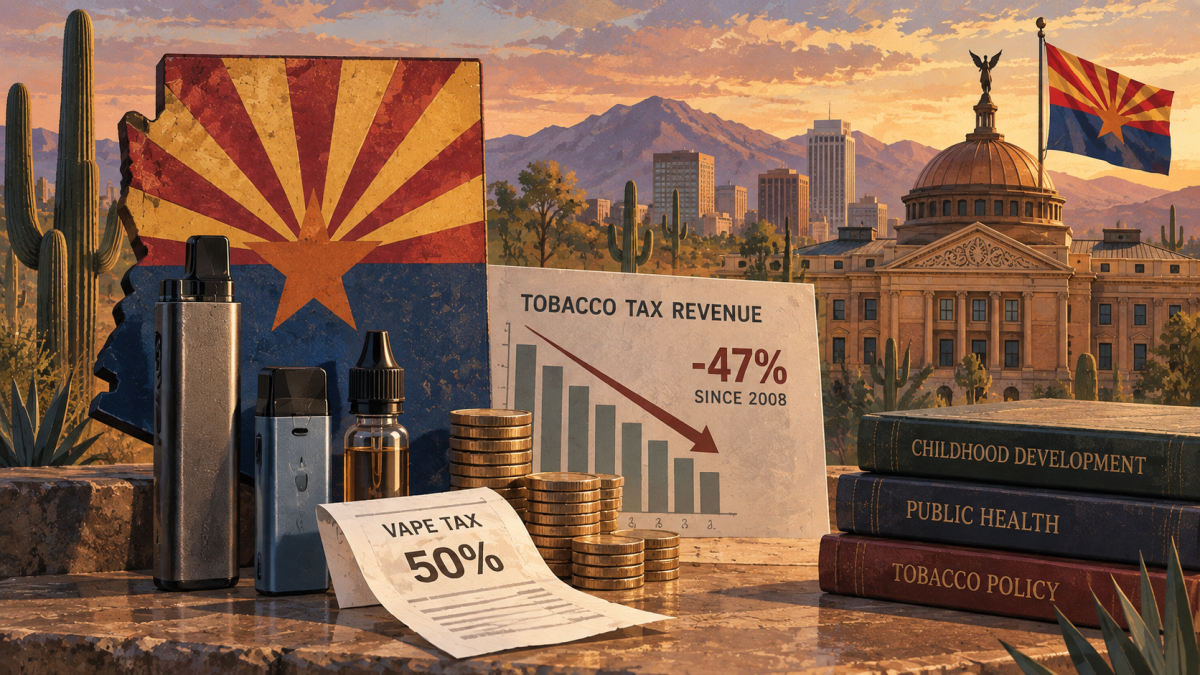
Arizona Turns to a 50% Retail Vape Tax as Tobacco Tax Revenue Falls 47% From 2008
Arizona's First Things First is pushing for an excise tax equal to 50% of the retail price of vaping products, estimating that the measure could generate about $100 million annually. The agency says its tobacco-tax revenue has fallen 47% from 2008 levels. Arizona has attempted to broaden its nicotine tax base in each of the past two years: a 2025 bill proposed a 50% wholesale-price tax, while a 2026 measure shifted to a 50% retail-price tax covering alternative nicotine products and vapor products. Separately, the state enacted HB 4001 this year to establish a new licensing and sales framework for alternative nicotine products.
Sep.21
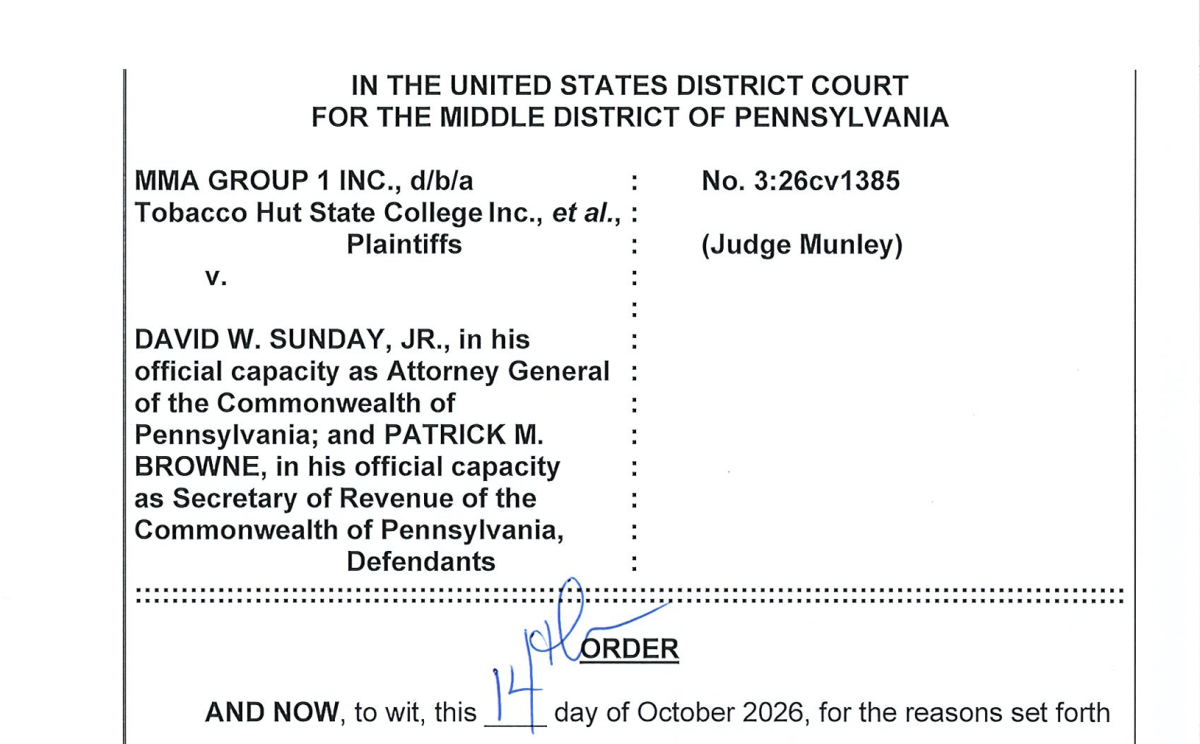
Pennsylvania Vape Directory Law Survives Court Challenge From Nova Distro and Others Amid Similar Rulings Across States
A U.S. federal court upheld Pennsylvania's vape directory law on October 14, rejecting a challenge brought by Nova Distro, 101 Distributors and companies operating Tobacco Hut retail stores. Court records show that vaping accounts for about 60% of Tobacco Hut's profits and that the chain held approximately $2 million in inventory potentially subject to seizure under the law as of June 2. Pennsylvania began enforcement on October 19. The ruling follows similar appellate decisions in other states, even as new research shows that unlisted vaping products continue to account for substantial sales in states with established directories.
Regulations
Oct.22
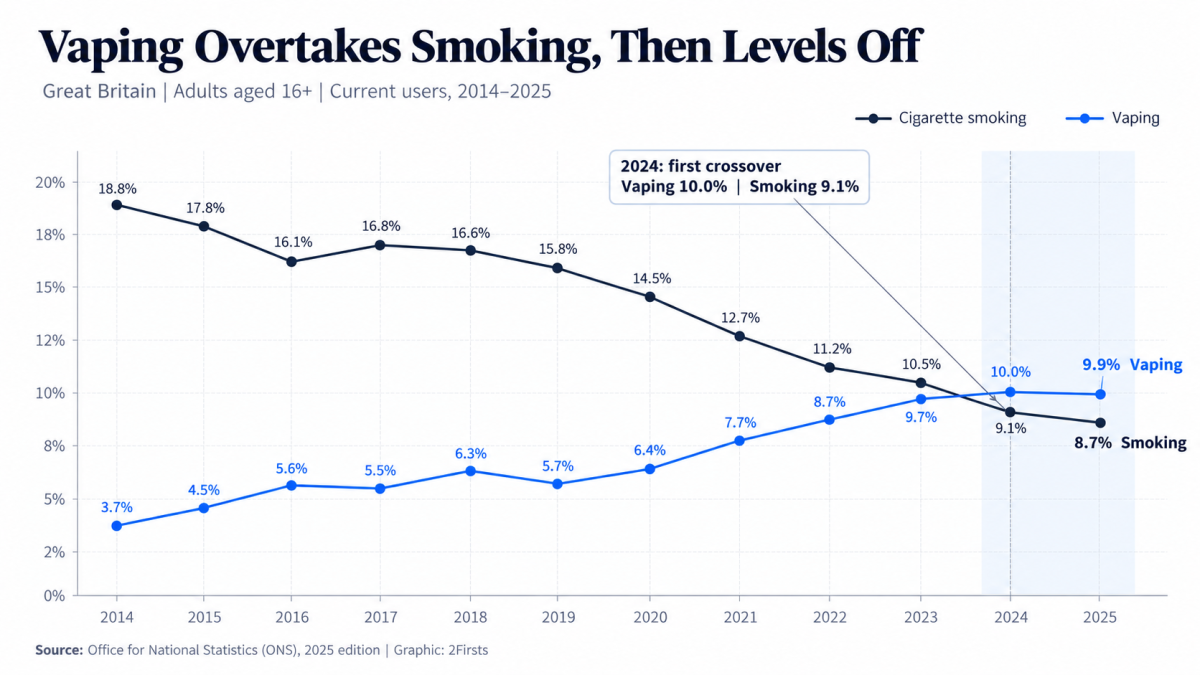
Latest UK ONS Data: Vaping Rate Edges Down to 9.9% in 2025, a Year After Overtaking Cigarette Smoking
Vaping prevalence in Great Britain edged down to 9.9% in 2025 from 10.0% in 2024, with the number of adult users holding at approximately 5.4 million for a second consecutive year, according to the Office for National Statistics (ONS). E-cigarette use had risen from 6.4% in 2020 to 10.0% in 2024, when it exceeded cigarette smoking prevalence for the first time. Cigarette smoking continued to decline to 8.7% in 2025, widening the gap to 1.2 percentage points. Daily vaping declined slightly, while usage among adults aged 25–34 increased despite falling rates in other age groups.
DATA
Oct.14
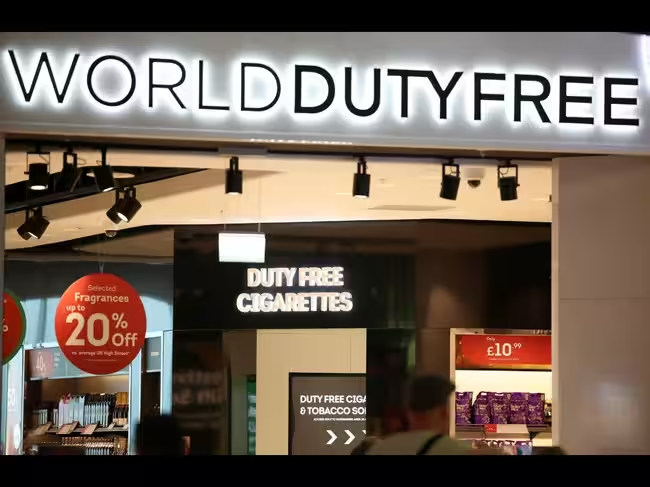
India Duty-Free Nicotine Pouch Sales Face Regulatory Test as ZYN, FOX Classification Remains Open
The Bombay High Court has ruled that airport duty-free shops are not exempt from India's domestic regulatory laws merely because they operate beyond the customs barrier, leaving in place a sales halt covering ZYN and FOX nicotine pouches at Mumbai's international airport. The court, however, did not determine that the products necessarily qualify as "drugs" under India's Drugs and Cosmetics Act. The retailers have four weeks to submit product information to the appropriate authorities, including CDSCO, which must complete its review within 30 days of receiving the submissions.
Sep.24
PMI Showcases ZYN, IQOS and U.S. Investments at NACS Show 2026
At the 2026 NACS Show in Las Vegas, Philip Morris International (PMI) showcased its ZYN nicotine pouches, IQOS heated tobacco products and U.S. investments. A 2Firsts review of FDA records found that several ZYN products displayed at the booth were not on the agency's marketing authorization list, including certain nicotine strengths and flavors. A PMI booth representative also confirmed that IQOS is currently sold in three U.S. states, while the newer IQOS ILUMA system remains under FDA review.
EXPO
Oct.10
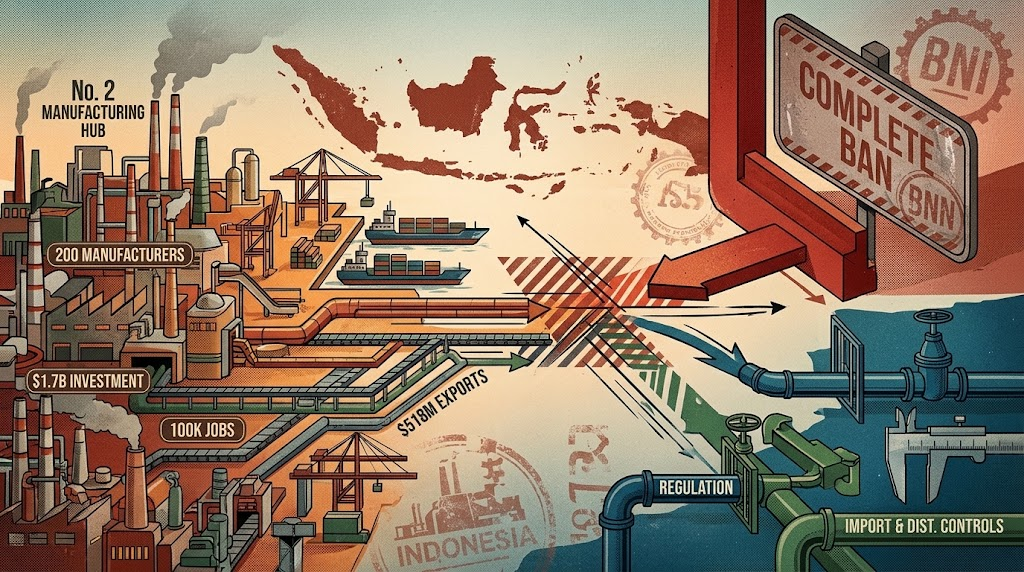
Special report|Indonesia's Vape Industry Has 200 Manufacturers and $1.7 Billion in Investment. Could a Regulatory Divide Derail Its Rise as the World's No. 2 Manufacturing Hub After Shenzhen?
Indonesia's Ministry of Industry said at a November 3, 2026, policy forum that the country has about 200 electronic cigarette companies, Rp31 trillion (approximately $1.71 billion) in cumulative industry investment and around 100,000 jobs across the supply chain. The National Narcotics Agency is seeking a comprehensive ban on vape use and circulation, while the industry ministry favors tighter import, product-standard and distribution controls. Indonesia exported approximately $518 million in vaping products in 2025, and Chinese manufacturers including Smoore, GEEKVAPE and Jinjia Group have established local operations. An international logistics specialist interviewed by 2Firsts said more Chinese vape companies began production in Indonesia from the second half of 2025, accompanied by increased shipments of manufacturing equipment and investment in logistics facilities. The regulatory debate comes as Indonesia expands its role in international vaping manufacturing.
Special Report
Nov.05