UK county backs disposable vape ban, stresses education over regulation

Oct.29.2024
UK county backs disposable vape ban, stresses education over regulation
Professor Kate Blackburn of Wiltshire Public Health calls for education to combat youth e-cigarette use, welcoming UK ban on disposables.

According to a report by Hellorayo on October 29, Professor Kate Blackburn, Director of Public Health in Wiltshire, UK, stated that education is key to preventing young people from using e-cigarettes.


The official welcomed the decision by the UK government to ban the sale of disposable e-cigarettes starting from June next year.


He pointed out that e-cigarettes are a smoking cessation tool, but are not designed for people who have never smoked or for minors.


While e-cigarettes are not risk-free, we are seeing a significant increase in the use of e-cigarettes among teenagers due to disposable e-cigarettes.


Black added that it is necessary to address any possible vulnerabilities to protect vulnerable groups from the harm of illegal e-cigarette and tobacco supply. She mentioned that the UK has allocated around £20 million for border enforcement to prevent illegal products from entering the country.


Black is calling for "unified action" on a national and local level. She emphasizes that education is central to keeping young people safe, and research from public health teams has found that the actual rate of teenage e-cigarette use is lower than perceived.


It is interesting that people believe there are more teenagers using e-cigarettes than there actually are. Understanding why they use e-cigarettes, such as to appear cool or to cope with emotional issues, is crucial.


We welcome news tips, article submissions, interview requests, or comments on this piece.

Please contact us at info@2firsts.com, or reach out to Alan Zhao, CEO of 2Firsts, on LinkedIn


Notice

1.  This article is intended solely for professional research purposes related to industry, technology, and policy. Any references to brands or products are made purely for objective description and do not constitute any form of endorsement, recommendation, or promotion by 2Firsts.

2.  The use of nicotine-containing products — including, but not limited to, cigarettes, e-cigarettes, nicotine pouchand heated tobacco products — carries significant health risks. Users are responsible for complying with all applicable laws and regulations in their respective jurisdictions.

3.  This article is not intended to serve as the basis for any investment decisions or financial advice. 2Firsts assumes no direct or indirect liability for any inaccuracies or errors in the content.

4.  Access to this article is strictly prohibited for individuals below the legal age in their jurisdiction.


Copyright


This article is either an original work created by 2Firsts or a reproduction from third-party sources with proper attribution. All copyrights and usage rights belong to 2Firsts or the original content provider. Unauthorized reproduction, distribution, or any other form of unauthorized use by any individual or organization is strictly prohibited. Violators will be held legally accountable.

For copyright-related inquiries, please contact: info@2firsts.com


AI Assistance Disclaimer


This article may have been enhanced using AI tools to improve translation and editorial efficiency. However, due to technical limitations, inaccuracies may occur. Readers are encouraged to refer to the cited sources for the most accurate information.

We welcome any corrections or feedback. Please contact us at: info@2firsts.com

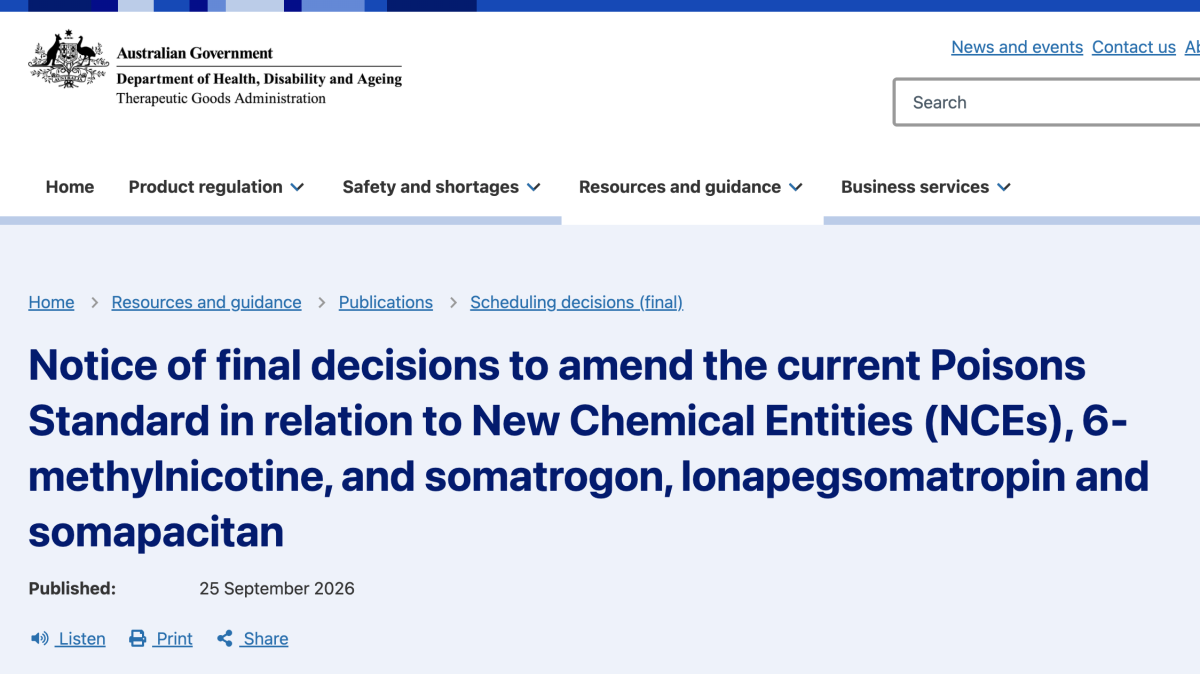
Australia Adds 6-Methylnicotine to Schedule 9 Prohibited Substances, Effective October 1
Australia's Therapeutic Goods Administration published a final decision on September 25 to classify 6-methylnicotine as a Schedule 9 prohibited substance under the Poisons Standard, effective October 1, 2026. TGA said the chemical has been reported in e-cigarette liquids sold in Australia and marketed as nicotine-free or nicotine alternatives, while evidence also indicates its use in preparations such as oral pouches. The government originally proposed a Schedule 7 classification but ultimately adopted the stricter Schedule 9 designation, citing acute toxicity, dependence risk, use in unapproved consumer products and misleading marketing.
News
Sep.29 by 2Firsts Perspectives
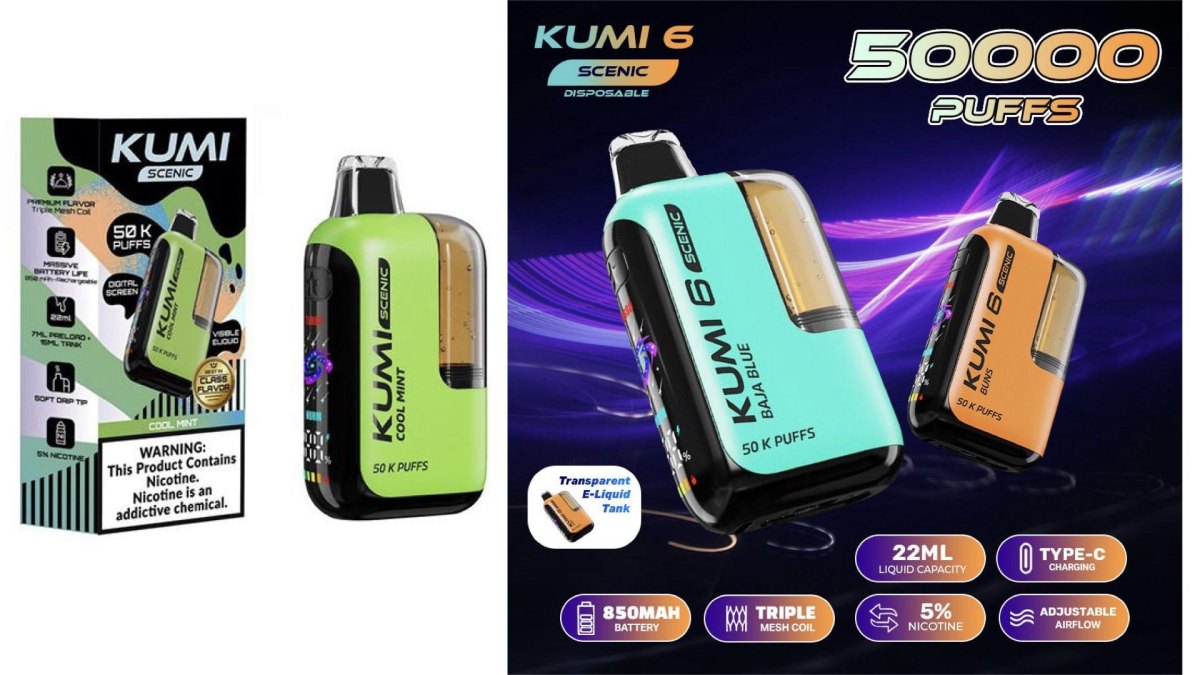
Product | KUMI SCENIC 50K Offers Nicotine and 6-Methyl Nicotine Versions as 6-MN Products Appear in Multiple U.S. State Directories, With Louisiana Listing FDA Exemption
An October 2026 review of U.S. state vapor product directories found KUMI 6 SCENIC 50K listed in Louisiana and Nebraska. Louisiana classifies 20 related product entries as “FDA EXEMPTION.” The SCENIC platform is marketed in both conventional nicotine-salt and NoNic6 formulations, each advertised with 22mL e-liquid capacity and up to 50,000 puffs. U.S. wholesaler Midwest Goods listed both versions in August 2025 with a suggested retail price of $19.99 each. The NoNic6 version is associated with 6-methylnicotine and is also marketed by some distributors as “nicotine-free.”
product
Oct.27
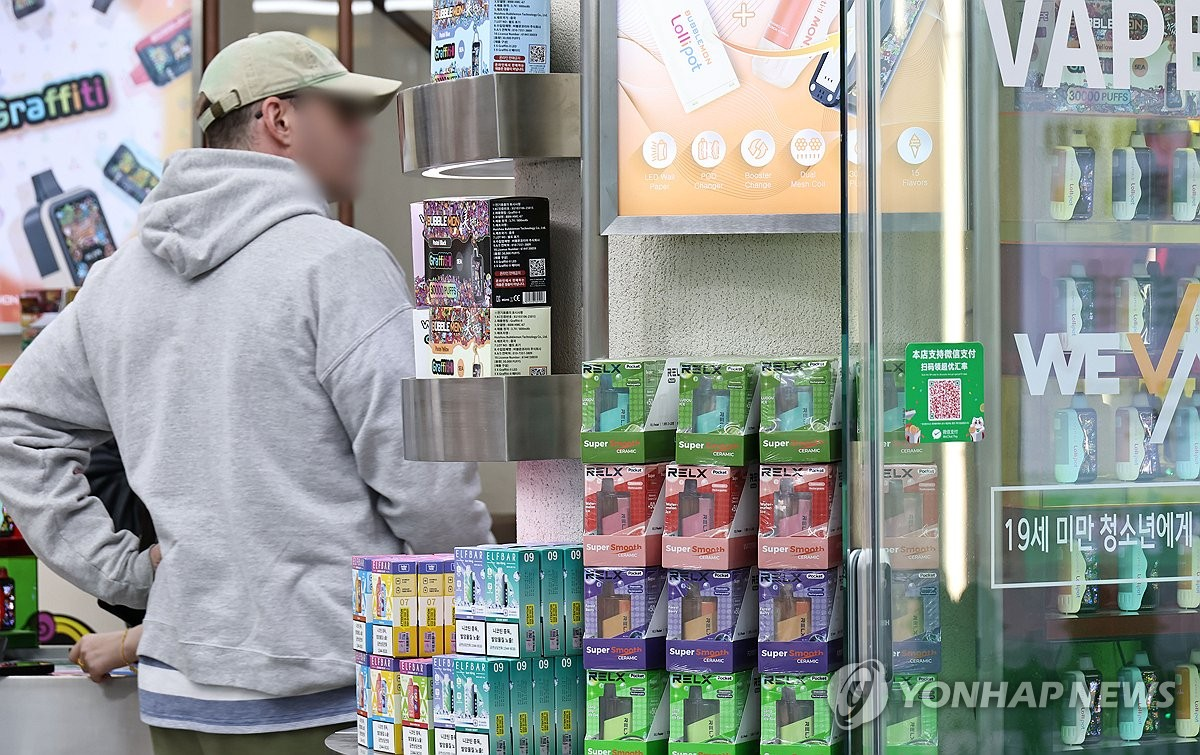
South Korea Fully Reviews Nicotine-Analog and Nicotine-Free Vape Liquid Imports, With Over 99% From China and Chinese Supply-Chain Documents Under Scrutiny
Korea Customs Service has tightened import controls on nicotine-analog and nicotine-free e-cigarette liquids, placing the products under 100% document review and subjecting all e-cigarette liquid import declarations to pre-clearance ingredient analysis. As of September 20, 2026, South Korea had imported about 15 metric tons of nicotine-analog liquids, 99.99% from China, and about 316 metric tons of nicotine-free liquids, including roughly 315 metric tons, or 99.7%, from China. The measures follow South Korea's April expansion of its tobacco definition to include synthetic nicotine products and include new checks on Chinese manufacturing, transaction and export documentation.
Sep.24
Special Report | Can Nicotine Be Replaced? 6-MN Is Already on the Market While Key Human Evidence Is Still Missing
Nicotine analogues such as 6-methylnicotine are already appearing in e-cigarettes and oral pouches, even as key human evidence remains limited. A new Nixodine-S study adds nonclinical data showing differences from nicotine in cytotoxicity and receptor activity, while independent studies point to a more complex toxicological picture. With supply-chain activity growing and FDA seeking clearer authority over nicotine analogues, the industry now faces a larger question: what evidence is needed before these substances can credibly replace nicotine?
SCIENCE
Sep.23
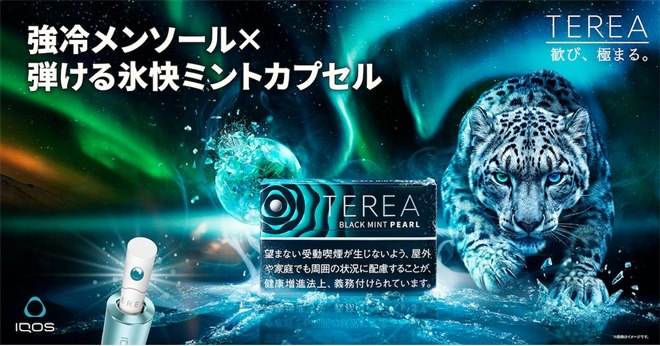
Product | PMI Launches TEREA Black Mint Pearl in Japan, Adding First Capsule Variant to Black Range With Nationwide Rollout From October 19
Philip Morris Japan (PMJ) launched TEREA Black Mint Pearl on October 15, 2026, introducing the first capsule-equipped heated tobacco stick in the TEREA Black range for IQOS ILUMA devices. The product combines a strong menthol profile with a crushable mint capsule and is priced at ¥640 per 20-stick pack, including tax. Sales began at four IQOS stores and selected retail partners on October 15, with distribution expanding to convenience stores and other tobacco retailers nationwide from October 19. The launch brings Japan's TEREA portfolio to 28 variants, including 21 menthol-related products, or 75% of the range.
product
Oct.16 by 2Firsts Perspectives
Special Report | From Oversupply to Supply Gaps: Global Tobacco Leaf Markets Diverge Ahead of 2027
Global tobacco leaf markets diverged sharply in 2026, with India cutting authorised FCV production amid oversupply while Malawi faced a supply shortfall. U.S. demand improved in some leaf categories, but growers in Brazil, Colombia, Tanzania and Zimbabwe faced pressure from prices, buyer access, costs and weather. With nicotine consumption patterns also shifting, 2027 will test whether supply, demand and grower profitability can move back toward balance.
Oct.26