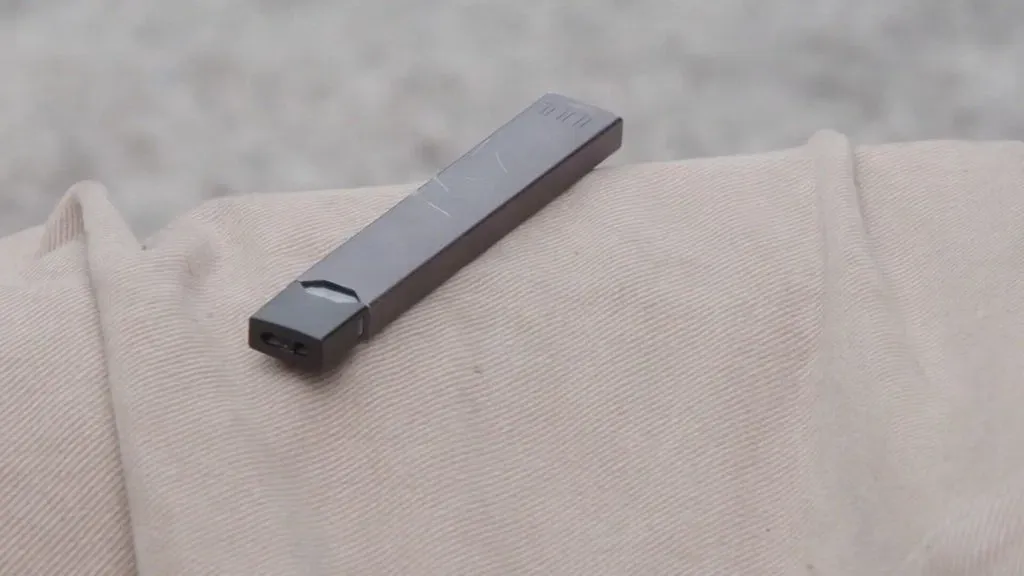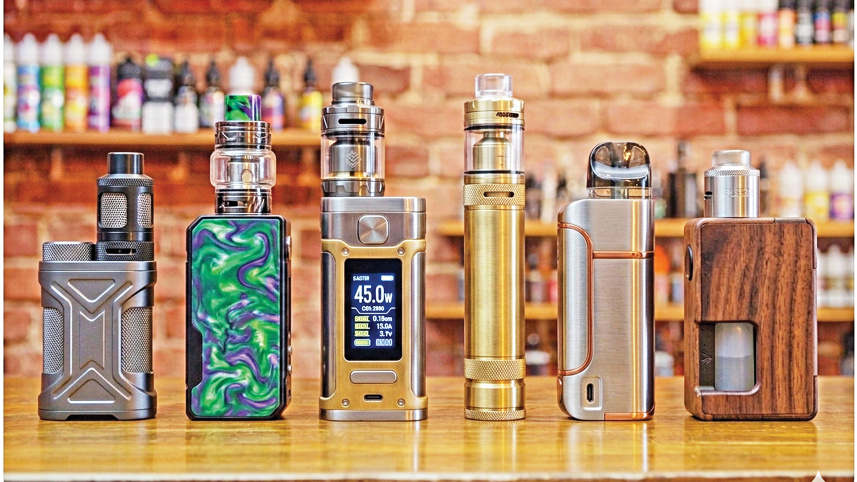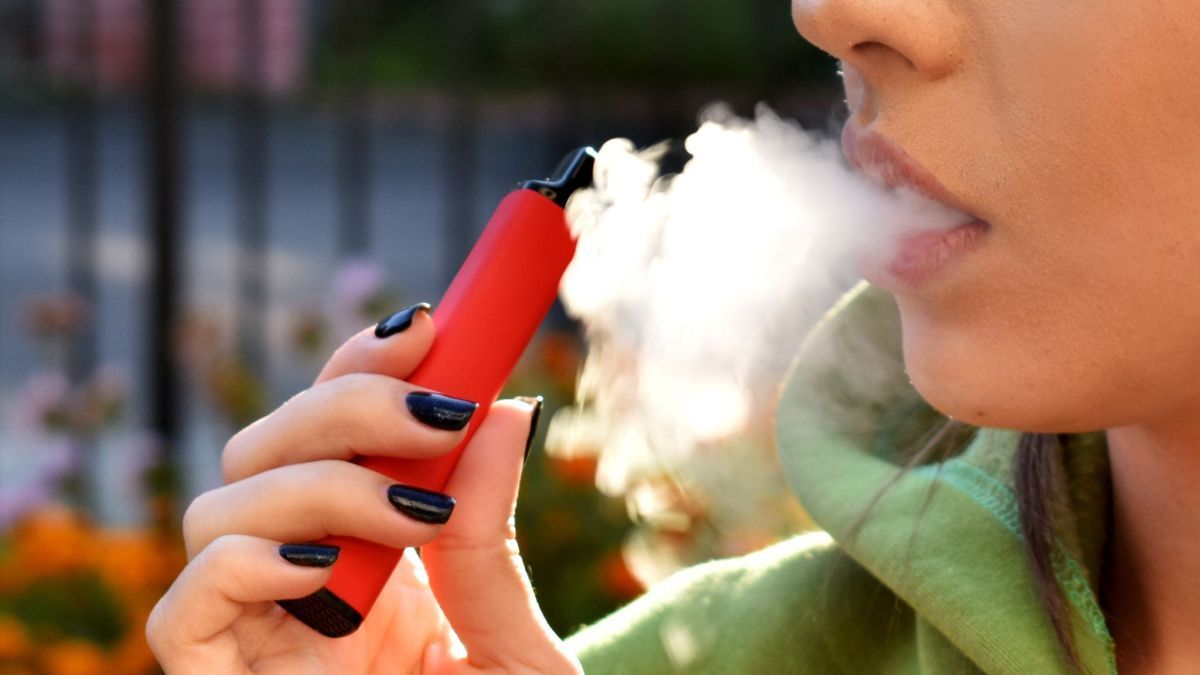
Recently, the Ministry of Health in Malaysia announced that the "2024 Public Health Smoking Product Control Act" (Act 852) will officially be implemented on October 1. This act covers regulations regarding tobacco registration, sales, packaging, labeling, and smoking bans in public places, and also includes e-cigarettes under its regulatory scope. Many media outlets have reported that the new regulations will prohibit the display of e-cigarettes in stores and impose new capacity limits on e-cigarette liquids. The maximum capacity for disposable pods, replaceable e-liquid cartridges, and disposable products will be 3ml, while bottled e-liquid will have a maximum capacity of 15ml.
In response, 2Firsts contacted Rizani bin Zakaria, the Chairman of the Malaysian Vaping Industry Advocacy (MVIA), for more information.
In response to questions about 2Firsts, Razani stated that there will be more restrictions on e-liquid content in two years, with open pod systems, disposables, and closed pod systems decreasing from 3ml to 2ml. These clauses regarding e-cigarette e-liquid content restrictions currently do not have an official draft or document, and the Malaysian e-cigarette industry is currently awaiting the latest guidelines from the Ministry of Health.
The following is a conversation between 2Firsts and Rizani.
2Firsts:Could you outline the specific provisions of the new act (Act 852) regarding e-cigarette products? Does the act impose any restrictions on the capacity of e-cigarettes?
Rizani: Latest, Ministry Of Health announced the new act of 852 / new policy for vape & tobacco to start on 1st October.
Here is a few draft by MOH (Ministry of Health) on vape.
- Ejuice bottle limited to 15ml.
- Open Pod Cartridge from 3ml to 2ml only after 2 years start from 1st Oct.
- Disposable/Closed Pod limited for 2ml after 2 years start from 1st Oct.
Its also including to control by MOH, registatation of product, advertising, packaging, selling and buying, etc involved smoking of tobacco.
- Restricted to sell online, open market, vending machine and all similiar style.
- Vape can only sell at specialized vape shop with terms and condition.
Industry now waiting for proper draft and proper guideline from MOH yet still have many things to clear with the industry.
2Firsts:If the bill explicitly states restrictions on the capacity of pods and e-cigarette liquid, how will these restrictions be enforced? What specific impact will these new regulations have on the local e-cigarette industry?
Rizani: The most pressing issue for the e-cigarette industry in Malaysia is currently the need to address the ban on retail displays. The government should realize that this ban severely limits consumers' access to legitimate products and may push them towards illegal products.
2Firsts:The "banning the display of vape products at shop counters, reducing the maximum volume of vape liquids in disposable pods and cartridges to 3ml and to 15ml for bottles" circulating in the Malaysian market currently, we could not find relevant provisions in The Control Of Smoking Products For Public Health Act (Act 852) , Is there any other official document clarifying this point?
Rizani: The display ban poses the most immediate and significant threat to the survival of the vape ecosystem. For a niche product like vape, the ability to display and explain products is crucial.
Coupled with the low ML cap, which will force retailers to dispose of stock, the situation becomes even more dire. Many of these stores, especially smaller and independent operators, could be forced to close their doors permanently. Many retailers operate on thin margins, and the sudden need to dispose of unsellable stock, combined with new compliance costs, could push even more businesses to shutter. These closures would not only affect business owners but also lead to job losses and impact local economies.
2Firsts:If the act explicitly proposes restrictions on the capacity of pods and e-liquid, how will these restrictions be enforced?
Rizani: The most pressing need for the industry is to address the retail display ban. The government should recognise that this ban severely limits consumer access to regulated products, potentially driving them toward illegal products where unregulated and dangerous products are available.
2Firsts:Could you provide the specific document or direct us to the relevant official website to obtain information?
Rizani: Tenporary, the industry also waiting for proper draft / document by MOH for vape regarding this new terms and conditions.
2Firsts:How do you think these new regulations will impact the development of the e-cigarette industry?
Rizani: The government should consider postponing the enforcement of these new regulations and prioritise engaging with the vape industry to review and refine the proposed rules. A more collaborative approach would ensure that the regulations achieve public health goals while also safeguarding the livelihoods of the tens of thousands of Malaysians who depend on this industry.
The vape industry is not opposed to regulations. In fact, we welcome clear, sensible guidelines that ensure product safety and consumer protection. However, the current regulations may unintentionally stifle innovation and push responsible businesses out of the market, while doing little to control illegal products.
We welcome news tips, article submissions, interview requests, or comments on this piece.
Please contact us at info@2firsts.com, or reach out to Alan Zhao, CEO of 2Firsts, on LinkedIn
Notice
1. This article is intended solely for professional research purposes related to industry, technology, and policy. Any references to brands or products are made purely for objective description and do not constitute any form of endorsement, recommendation, or promotion by 2Firsts.
2. The use of nicotine-containing products — including, but not limited to, cigarettes, e-cigarettes, nicotine pouchand heated tobacco products — carries significant health risks. Users are responsible for complying with all applicable laws and regulations in their respective jurisdictions.
3. This article is not intended to serve as the basis for any investment decisions or financial advice. 2Firsts assumes no direct or indirect liability for any inaccuracies or errors in the content.
4. Access to this article is strictly prohibited for individuals below the legal age in their jurisdiction.
Copyright
This article is either an original work created by 2Firsts or a reproduction from third-party sources with proper attribution. All copyrights and usage rights belong to 2Firsts or the original content provider. Unauthorized reproduction, distribution, or any other form of unauthorized use by any individual or organization is strictly prohibited. Violators will be held legally accountable.
For copyright-related inquiries, please contact: info@2firsts.com
AI Assistance Disclaimer
This article may have been enhanced using AI tools to improve translation and editorial efficiency. However, due to technical limitations, inaccuracies may occur. Readers are encouraged to refer to the cited sources for the most accurate information.
We welcome any corrections or feedback. Please contact us at: info@2firsts.com