Malaysia Limits Vape Sales by Halting License Renewals

Nov.21.2024
Malaysia Limits Vape Sales by Halting License Renewals
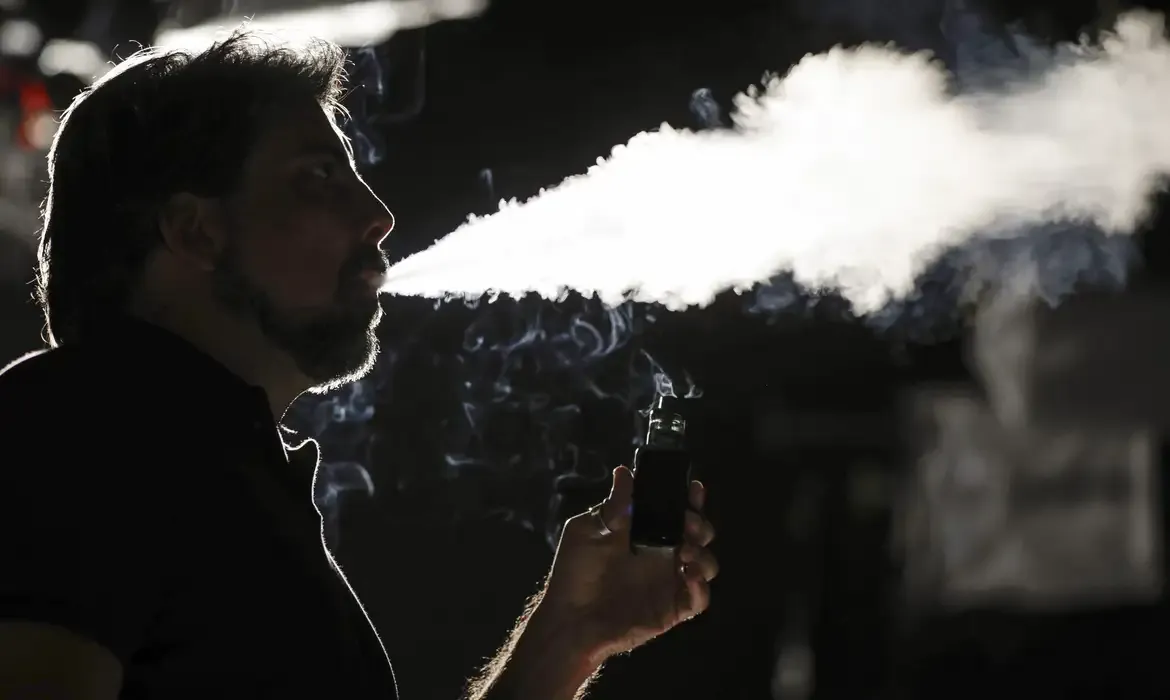
The Terengganu state government in Malaysia has decided to stop renewing vape sales licenses for premises under local authorities, focusing on protecting public health and youth.

Terengganu's Chief Minister, Datuk Seri Dr. Ahmad Samsuri Mokhtar, announced that while the state has not banned the sale of electronic cigarettes or vapes, it will no longer approve the renewal of sales licenses for these products in premises owned by local authorities (PBT), according to a Bernama report on November 20th.


This measure aims to protect public interest, especially among the youth. Dr. Ahmad Samsuri stated that the state government has discussed this issue and decided not to renew licenses for premises under PBT jurisdiction, as they have the authority to prohibit the sale of vapes to safeguard the community.


On November 19, Health Minister Datuk Seri Dr. Dzulkefly Ahmad mentioned that the federal government will continue to regulate vapes through the Public Health (Control of Tobacco Products) Regulations 2024 (Act 852), effective from October 1. 


He emphasized that while the federal government does not ban vape sales nationwide, it allows state governments to set their own policies, including prohibiting sales through local authorities. (Read more: "Malaysia to Implement Gradual Approach to Vape Regulation, Says Health Minister")


We welcome news tips, article submissions, interview requests, or comments on this piece.

Please contact us at info@2firsts.com, or reach out to Alan Zhao, CEO of 2Firsts, on LinkedIn


Notice

1.  This article is intended solely for professional research purposes related to industry, technology, and policy. Any references to brands or products are made purely for objective description and do not constitute any form of endorsement, recommendation, or promotion by 2Firsts.

2.  The use of nicotine-containing products — including, but not limited to, cigarettes, e-cigarettes, nicotine pouchand heated tobacco products — carries significant health risks. Users are responsible for complying with all applicable laws and regulations in their respective jurisdictions.

3.  This article is not intended to serve as the basis for any investment decisions or financial advice. 2Firsts assumes no direct or indirect liability for any inaccuracies or errors in the content.

4.  Access to this article is strictly prohibited for individuals below the legal age in their jurisdiction.


Copyright


This article is either an original work created by 2Firsts or a reproduction from third-party sources with proper attribution. All copyrights and usage rights belong to 2Firsts or the original content provider. Unauthorized reproduction, distribution, or any other form of unauthorized use by any individual or organization is strictly prohibited. Violators will be held legally accountable.

For copyright-related inquiries, please contact: info@2firsts.com


AI Assistance Disclaimer


This article may have been enhanced using AI tools to improve translation and editorial efficiency. However, due to technical limitations, inaccuracies may occur. Readers are encouraged to refer to the cited sources for the most accurate information.

We welcome any corrections or feedback. Please contact us at: info@2firsts.com

Can hookah go institutional? A hookah company seeking to go public makes its case with capital, technology and regulation
2Firsts explored whether hookah can evolve into a more mature and governable category by interviewing Dubai-based hookah company AIR. AIR argues that strong margins, OOKA’s closed-system model and the prospect of differentiated regulation could support that shift. The larger question is whether this is simply AIR’s capital-markets narrative, or an early sign that competition, regulation and category boundaries in hookah are beginning to change.
Apr.02
KT&G Moves Ahead With Oral Nicotine Product Development and Pilot Line Preparation
According to a Korean media report, KT&G is developing a smokeless nicotine product that delivers nicotine through oral absorption and is preparing a pilot production line for research and development.
Apr.08 by 2FIRSTS.ai
Russian Public Group Seeks Website Restrictions on Remote Vape and Nicotine Sales
Russian public movement “Healthy Fatherland,” has proposed blocking access in Russia to online resources that sell vapes and nicotine-containing products remotely.
Apr.15 by 2FIRSTS.ai
PMI’s Smoke-Free Business Accounts for 43% of Net Revenues in Q1 as Full-Year EPS Guidance Rises
On April 22, 2026, Philip Morris International released its first-quarter 2026 results. The report showed net revenues of $10.146 billion, up 9.1% year on year; adjusted diluted EPS of $1.96, up 16.0%; and smoke-free products accounting for 43% of total net revenues. Based on first-quarter performance, the company raised its 2026 full-year adjusted diluted EPS forecast to $8.36 to $8.51, or $8.11 to $8.26 excluding currency.
Apr.23 by 2FIRSTS.ai
BAT France Confirms Full Compliance as France Implements Nicotine Pouch Ban on April 1from April 2026
BAT France said that, under the decree of September 5, 2025 that entered into force on April 1, 2026, it has stopped commercialising its nicotine pouch products in France from that date.
Apr.03 by 2FIRSTS.ai
FDA Tobacco Center Pushes Review-Efficiency Statement After Commissioner’s Exit
FDA CTP issued a May 7 statement on accelerating product review and improving PMTA efficiency, but did not push it via official X and newsletter until May 13, one day after FDA Commissioner Marty Makary’s resignation was confirmed. FDA has not explained the delay, and no public evidence links it directly to the leadership change. The timing is notable given CTP’s usual 24-hour distribution practice.
Special Report
May.14