Key Points
- Malaysia's Poisons Board reportedly endorsed a new exemption for liquid nicotine used in vaping products, reversing the institution's position on a similar proposal in 2023. No new ministerial order has been published.
- The Kuala Lumpur High Court invalidated the 2023 exemption on May 15, 2026. The government withdrew its appeal on August 18, leaving the ruling in place.
- The Board includes representatives of government agencies, medical and pharmaceutical professional bodies, and business chambers. Both the Malaysian Medical Association and Malaysian Pharmacists Society have previously called for a vape ban.
- Malaysia collected RM354.51 million in excise duties on e-cigarette and vape products between May 2023 and June 11, 2026. An industry association has called for clarity on tax refunds, inventory and the legal treatment of existing businesses.
2Firsts
November 3, 2026
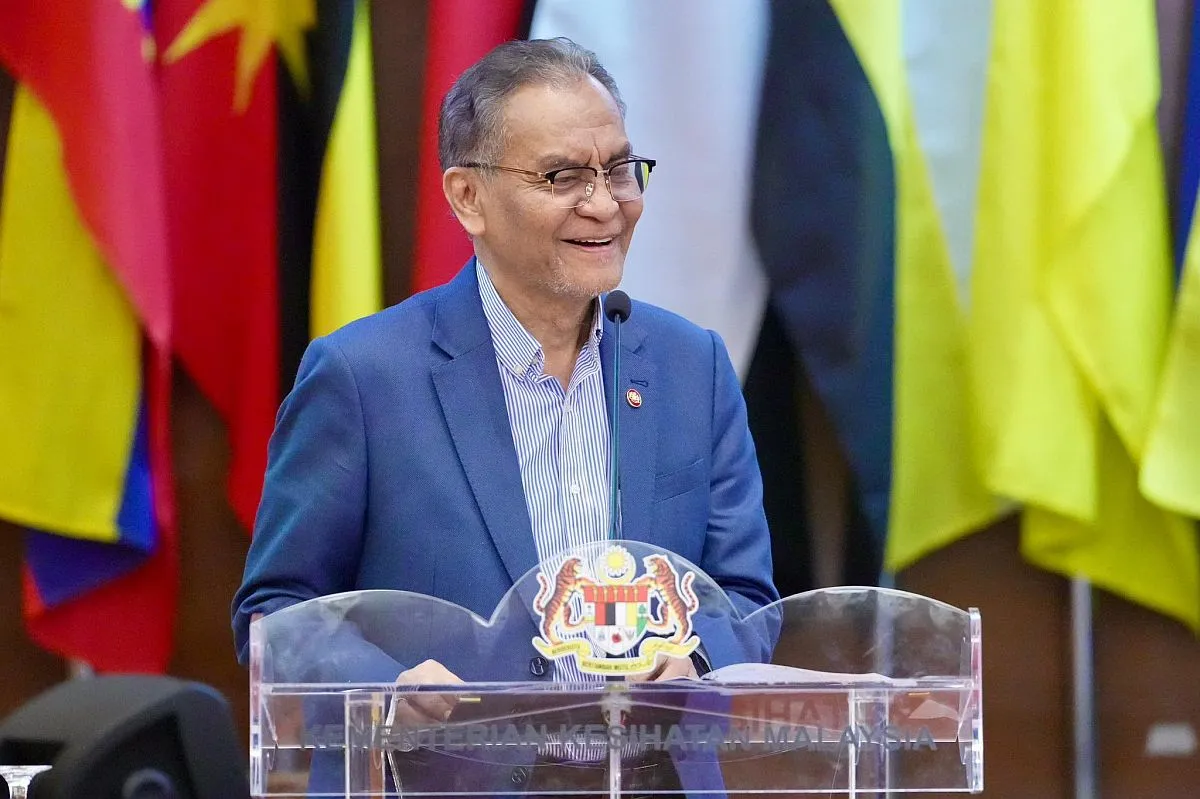
Malaysia's Poisons Board has endorsed Health Minister Dzulkefly Ahmad's proposal to exempt liquid and gel nicotine used in vaping products from the Poisons List under the Poisons Act 1952 (Act 366), according to a November 2 report by Malaysian health policy publication CodeBlue.
The reported decision contrasts with the Board's unanimous opposition to a similar proposal in 2023. It follows a Kuala Lumpur High Court ruling in May 2026 that invalidated the earlier exemption and the government's withdrawal of its appeal in August.
As of November 2, no new ministerial exemption order had been published on the Attorney-General's Chambers' legislation portal. The Board's endorsement does not itself bring the proposed exemption into force.
Poisons Board Backs New Exemption After Opposing 2023 Proposal
According to CodeBlue, Malaysian Pharmacists Society (MPS) president Amrahi Buang confirmed that the Poisons Board held a secret ballot on whether to endorse the proposed exemption.
Amrahi said Board members were bound by confidentiality obligations and called on the Health Ministry to explain the reasons for the proposal.
Under the Poisons Act 1952, the health minister must consult the Poisons Board before amending the Poisons List, but the Board's approval is not legally required.
In 2023, the Board unanimously opposed then-Health Minister Zaliha Mustafa's proposal to exempt liquid nicotine used in vaping products.
Zaliha nevertheless gazetted an exemption order on March 31, 2023, removing liquid and gel nicotine used in e-cigarettes and vape products from the relevant poison controls.
At the time, Malaysia had not yet implemented the Control of Smoking Products for Public Health Act 2024, which came into force on October 1, 2024.
According to the Health Ministry's published membership list, the Poisons Board has 11 minister-appointed members representing government departments, medical and pharmaceutical professional bodies, and business chambers. The Director-General of Health also serves as an ex-officio member.
The Board includes representatives of the Malaysian Medical Association (MMA), MPS and several chambers of commerce.
Both MMA and MPS have previously called for a ban on vaping products. However, CodeBlue said the date of the latest meeting, the members who attended and their individual votes remained unknown.
The Board's reported endorsement therefore does not establish whether the professional associations have changed their respective positions.
High Court Invalidates Earlier Exemption, Government Withdraws Appeal
On May 15, 2026, the Kuala Lumpur High Court ruled that the 2023 decision to exempt liquid and gel nicotine used in vaping products from the Poisons List was unlawful.
The judicial review was brought by the Malaysian Council for Tobacco Control (MCTC), the Malaysian Green Lung Association and Voice of the Children.
The court found that the exemption had been introduced without proper or adequate consultation with the Poisons Board and did not meet the relevant legal requirements. The judgment also examined the fiscal and economic considerations behind the decision.
The Malaysian government initially appealed the ruling but withdrew its entire appeal on August 18, 2026.
The withdrawal left the High Court judgment invalidating the 2023 exemption in place. As a result, liquid and gel nicotine used in vaping products remain subject to the relevant controls under the Poisons Act 1952, rather than being newly scheduled through a separate government order.
On October 19, MCTC publicly warned that the government might attempt to exempt liquid nicotine from the Poisons List again and urged the Poisons Board to reject any such proposal.
CodeBlue's November 2 report said the Board had since endorsed the health minister's new proposal.
Legal Status of Vape Retail Remains Unclear as Ban Plans Draw Attention
The High Court ruling and the government's withdrawal of its appeal have raised questions about how Malaysia's two regulatory frameworks apply to nicotine vaping products.
Under the Poisons Act 1952, liquid nicotine without an exemption is subject to Group C poison controls, generally restricting its supply to authorised pharmacists and registered medical practitioners under the applicable provisions.
Separately, the Control of Smoking Products for Public Health Act 2024 (Act 852), which took effect on October 1, 2024, established a dedicated regulatory framework covering tobacco and vaping products, including a prohibition on sales to people under 18.
When the original nicotine exemption was introduced in 2023, Act 852 was not yet in force. By the time the latest proposal emerged in 2026, the law had been operating for nearly two years.
CodeBlue cited an unnamed source familiar with the Poisons Board's deliberations as saying the latest endorsement was not commercially motivated but was intended to address regulatory difficulties following the invalidation of the 2023 exemption.
The source also denied that supporting an exemption necessarily meant the Board opposed a vape ban and called for stronger enforcement of Act 852.
Malaysia had previously announced plans to implement a nationwide vape ban in 2026. In 2025, Dzulkefly said a ban was a matter of when rather than whether it would happen.
In a written Senate reply in July 2026, Dzulkefly said the government was examining a proposal to ban bottled e-cigarette liquids and would continue assessing broader restrictions based on scientific evidence, available data and public health considerations.
As of November 2, the government had not formally explained how the proposed exemption would align with its earlier plans for a nationwide vape ban.
RM354.51 Million in Vape Excise Duties Remains Under Dispute
The legal status of liquid nicotine also has implications for excise duties collected on vaping products since 2023.
According to a written Senate reply by Dzulkefly in July 2026, the Malaysian government collected RM354.51 million in excise duties on e-cigarette and vape products between May 2023 and June 11, 2026.
The reported collections comprised RM80.32 million in 2023, RM111.14 million in 2024, RM118.93 million in 2025 and RM44.11 million from January 1 to June 11, 2026.
In an affidavit filed with the High Court in October 2023, Treasury secretary-general Johan Mahmood Merican said that cancelling the exemption of liquid nicotine from the Poisons List would affect related subsidiary legislation and subsequently invalidate the government's collection of the relevant excise duties.
That statement reflected the Finance Ministry official's position at the time. It did not constitute a 2026 court order requiring the government to refund all previously collected duties.
In August 2026, Malaysia E-Vaporizer and Alternative Tobacco Association (MEVTA) president Mohamad Neezam Talib said businesses that paid the duties should be entitled to an appropriate refund or restitution mechanism under applicable law if the collections were ultimately found to lack a valid legal basis.
MEVTA stressed that it was not claiming every ringgit collected must automatically be refunded without a definitive legal determination.
The association said it preferred an administrative resolution but that affected businesses could consider legal action if the government determined the duties were invalid without providing an appropriate refund mechanism.
MEVTA also called for a transition period of at least six months across the supply chain, from nicotine liquid inventories to retail sales, if the government decided to prohibit nicotine vaping products. It urged authorities to clarify the treatment of existing stocks and previously paid excise duties.
As of November 2, no new liquid nicotine exemption order had been published, and the government had not announced a formal refund arrangement for the disputed excise duties.
Follow 2Firsts for timely updates on global tobacco and nicotine regulations, market developments and industry trends.
Cover Image: CodeBlue