According to a report on the official UK government news website Gov.uk, the British government announced on January 28th that it will completely ban the sale of disposable e-cigarettes, and impose restrictions on the flavors of refillable (open) e-cigarettes, while also requiring manufacturers to use simpler and visually less appealing packaging. This ban has received overwhelming support, with nearly 70% of parents, teachers, healthcare professionals, and the public supporting this measure. The implementation time of this legislation has not yet been determined.
Here's the original text:
- Ban on disposable vapes which have driven alarming rise in youth vaping
- New powers to restrict vape flavours, introduce plain packaging and change how vapes are displayed in shops so they don’t appeal to children
- New law will make it illegal to sell tobacco products to anyone born on or after 1 January 2009, delivering on the Prime Minister’s pledge to create a smokefree generation
Disposable vapes will be banned in the UK as part of ambitious government plans to tackle the rise in youth vaping and protect children’s health, the Prime Minister has announced today (29 January 2024) on a visit to a school.
The measure comes as part of the government’s response to its consultation on smoking and vaping, which was launched in October last year.
Recent figures show the number of children using vapes in the past 3 years has tripled. Use among younger children is also rising, with 9% of 11 to 15 year olds now using vapes. The long-term health impacts of vaping are unknown and the nicotine contained within them can be highly addictive, with withdrawal sometimes causing anxiety, trouble concentrating and headaches. While vaping can play a role in helping adult smokers to quit, children should never vape.
Disposable vapes have been a key driver behind the alarming rise in youth vaping, with the proportion of 11 to 17 year old vapers using disposables increasing almost ninefold in the last 2 years.
As part of today’s package, new powers will be introduced to restrict flavours which are specifically marketed at children and ensure that manufacturers produce plainer, less visually appealing packaging. The powers will also allow government to change how vapes are displayed in shops, moving them out of sight of children and away from products that appeal to them, like sweets.
To crack down on underage sales, the government will also bring in new fines for shops in England and Wales which sell vapes illegally to children. Trading standards officers will be empowered to act ‘on the spot’ to tackle underage tobacco and vape sales. This builds on a maximum £2,500 fine that local authorities can already impose.
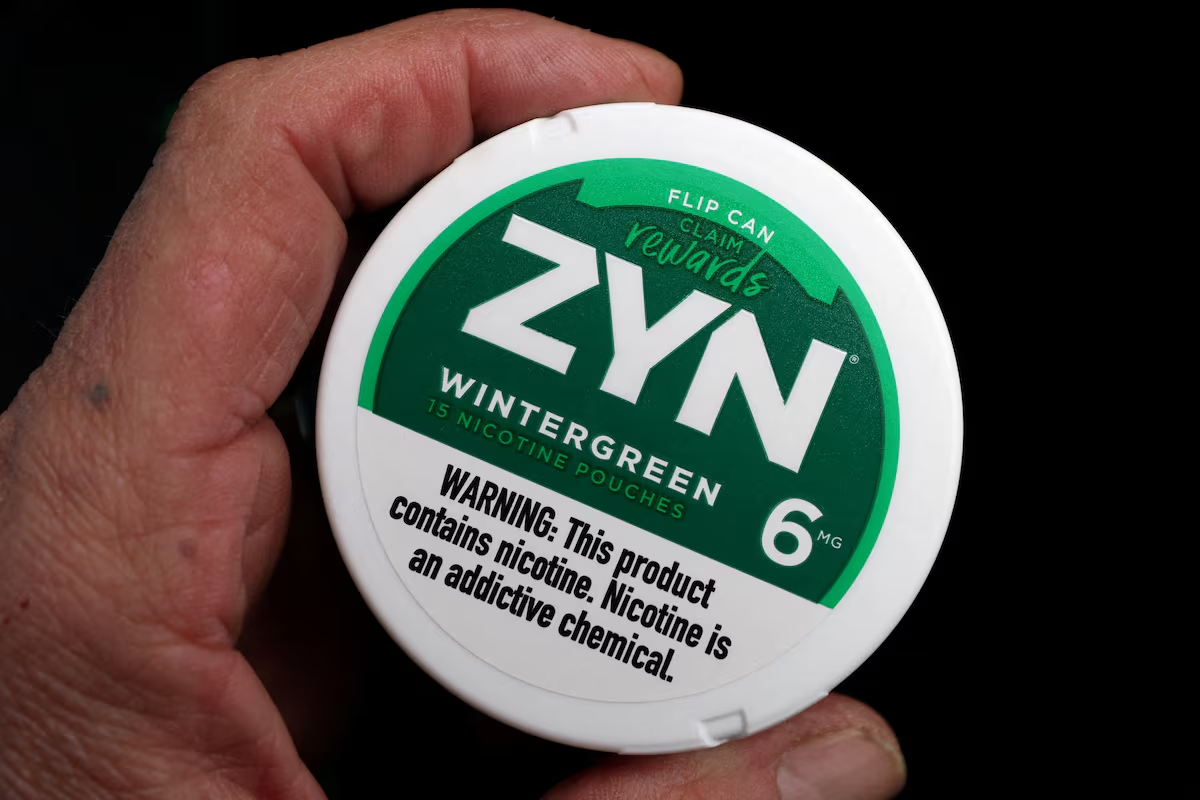
Vaping alternatives - such as nicotine pouches - will also be outlawed for children who are increasingly turning to these highly addictive substitutes.
The government has again reiterated its commitment to bring about the first smokefree generation and introduce legislation so children turning 15 this year or younger can never legally be sold tobacco.
Smoking is the UK’s single biggest preventable killer - causing around 1 in 4 cancer deaths and leading to 80,000 deaths per year - so stopping young people from ever starting to smoke will protect an entire generation, and future generations, from smoking harms as they grow up.
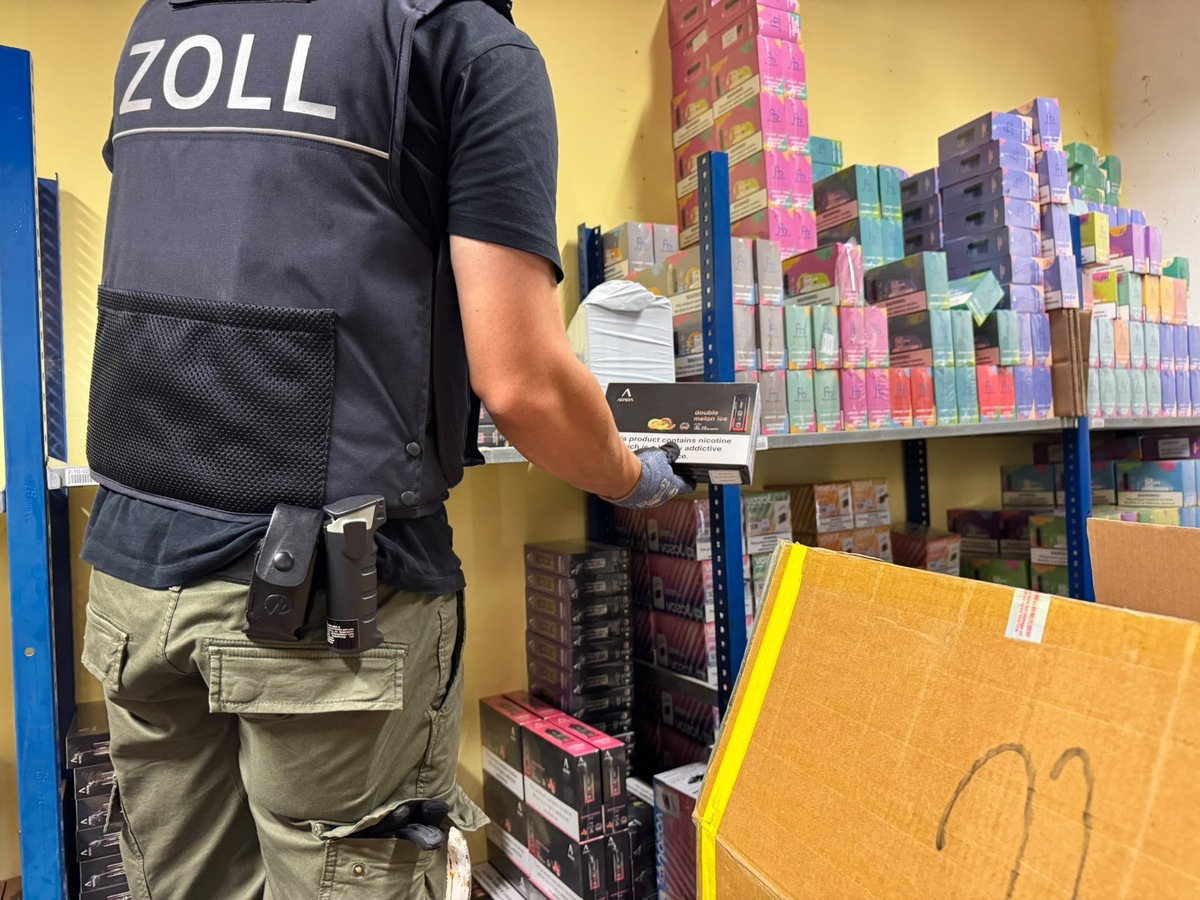
To help ensure the success of the smokefree generation plan, £30 million new funding a year will be provided to bolster enforcement agencies - including Border Force, HM Revenue and Customs (HMRC) and trading standards - to implement these measures and stamp out opportunities for criminals.
The Prime Minister, Rishi Sunak, said:
As any parent or teacher knows, one of the most worrying trends at the moment is the rise in vaping among children, and so we must act before it becomes endemic.
The long-term impacts of vaping are unknown and the nicotine within them can be highly addictive, so while vaping can be a useful tool to help smokers quit, marketing vapes to children is not acceptable.
As Prime Minister I have an obligation to do what I think is the right thing for our country in the long term. That is why I am taking bold action to ban disposable vapes - which have driven the rise in youth vaping - and bring forward new powers to restrict vape flavours, introduce plain packaging and change how vapes are displayed in shops.
Alongside our commitment to stop children who turn 15 this year or younger from ever legally being sold cigarettes, these changes will leave a lasting legacy by protecting our children’s health for the long term.
There was overwhelming support among responses to the government’s consultation for a disposable vape ban, with nearly 70% of parents, teachers, healthcare professionals and the general public supportive of the measure.
The government has a duty to protect children’s health, which is why it is taking bold and decisive action on smoking and vaping. This is the responsible thing to do to protect children for generations to come.
Health and Social Care Secretary Victoria Atkins said:
Smoking is still the single largest preventable cause of death in England. Almost every minute of every day someone is admitted to hospital with a smoking-related disease. And it costs society £17 billion each year - putting a huge burden on our NHS.
That’s why we are driving the way forward through our smokefree generation plan, which will prevent our children from starting this dangerous habit.
The health advice is clear: vapes should only ever be used as a tool to quit smoking. But we are committed to doing more to protect our children from illicit underage vaping, and by banning disposable vapes we’re preventing children from becoming hooked for life.
Vapes should only be used by adults as a tool to quit smoking. They contribute to an extra 50,000 to 70,000 smoking quits a year in England.
As part of the government’s Swap to Stop scheme, almost 1 in 5 of all adult smokers in England will have access to a vape kit alongside behavioural support to help them quit the habit and improve health outcomes.
Chief Medical Officer Professor Chris Whitty said:
Smoking damages and cuts short lives in extraordinary numbers.
Stillbirths, cancer, asthma, dementia, stroke and heart failure - smoking causes disability and death throughout the life course. If passed, this legislation would have a major public health impact across many future generations.
Health Minister Andrea Leadsom said:
We are in the midst of a worrying rise in young people vaping. I want to stop youth vaping in its tracks - and a ban on disposable vapes is central to that.
Nicotine is highly addictive - and so it is completely unacceptable that children are getting their hands on these products, many of which are undeniably designed to appeal to young people.
Along with tougher enforcement measures, we are making sure vapes are aimed at the people they were designed to help - adults who are quitting smoking.
As well as benefitting children’s health, the ban will have a positive impact on the environment. Five million disposable vapes are thrown away each week, up from 1.3 million from last year. Over a year, this is equivalent to the lithium batteries of 5,000 electric vehicles.
Environment Secretary Steve Barclay said:
Not only are disposable vapes often targeted, unacceptably, at children - they also represent a huge and growing stream of hard-to-recycle waste, with nearly 5 million thrown away every week.
This historic announcement will be a powerful tool in support of our efforts to crack down on waste and boost recycling, as well as helping to create the first smokefree generation.
The 8-week public consultation on Creating a smokefree generation and tackling youth vaping, closed on 6 December. Over 25,000 responses were analysed, and the government response sets out plans for upcoming legislation which will be introduced in Parliament shortly.
Creating a smokefree generation goes beyond the harm to public health. The trade in illicit cigarettes, hand-rolling tobacco and other tobacco products has far reaching implications. HMRC estimates that the illicit tobacco trade costs the UK economy around £2.8 billion a year in lost revenue - money that should fund our public services.
Today (29 January 2024), HMRC and Border Force published a new illicit tobacco strategy, Stubbing out the problem, which:
sets out their continued commitment to reduce the trade in illicit tobacco, with a focus on reducing demand, and to tackle and disrupt organised crime behind the illicit tobacco trade
highlights the cost to the UK in lost tax revenue and the burden to taxpayers, the undercutting of law-abiding businesses and the funding of wider organised crime through illicit tobacco sales
Supportive stakeholder reaction
Dame Rachel de Souza, the Children’s Commissioner for England, said:
As Children’s Commissioner, I want all children to grow up healthy and well, which is why I have been calling for disposable vapes to be banned, to protect children and prevent them from becoming addicted.
I am absolutely delighted that the government has listened to the appeals that I, and many others, have made to ban disposable vapes. I also welcome the decision to create far tighter restrictions on marketing and flavours of vapes so they aren’t so appealing to children and young people.
When I asked children a couple of years ago about all aspects of their health and wellbeing, I was shocked and concerned to hear from children as young as 12 who told me that vaping was normalised among their peers - even on school premises. This announcement will help tackle that issue and I know that many children and parents will be extremely relieved.
The Royal College of Paediatrics and Child Health (RCPCH) Vice President for Policy, Dr Mike McKean, said:
We’re delighted that the Westminster government has heard our calls and is rightly prioritising the health and wellbeing of our children and the planet. Bold action was always needed to curb youth vaping and banning disposables is a meaningful step in the right direction. I’m also extremely pleased to see further much needed restrictions on flavours, packaging and marketing of vapes, which RCPCH has repeatedly called for.
As a respiratory consultant it is not lost on me that smoking remains the single biggest cause of preventable illness and disease in the UK. We know this because we have 60 plus years of research and data on cigarette use on a population level. But the research and data around widespread e-cigarette use is still very much in its infancy. The long-term impacts, especially for children and young people, remain unknown.
Government must swiftly lay the legislation to ensure it can be fully considered in this Parliament. We look forward to seeing more details about these landmark plans, especially in terms of implementation, enforcement and monitoring.
Councillor David Fothergill, Chairman of the Local Government Association’s (LGA) Community Wellbeing Board said:
We’re delighted that the government has listened to the longstanding concerns of the LGA and councils and is taking decisive action to ban single-use vapes.
Disposable vapes are inherently unsustainable products, meaning an outright ban remains the most effective solution to this problem.
Single-use vapes blight our streets as litter, are a hazard in our bin lorries and are expensive and difficult to deal with in our recycling centres. Their colours, flavours and advertising are appealing to children and are a risk to the health of young people.
We look forward to working with the government and others to enforce this ban as well as ensure plans for a smokefree generation are a success.
Henry Gregg, Director of External Affairs at Asthma + Lung UK, said:
We welcome this robust approach to protecting young people from vaping. Disposable vapes, with their pocket money prices and brightly coloured packaging, have contributed to the increase in under 18s taking up vaping, and we support a well thought-out, properly enforced ban on disposable vapes. Immediate action to restrict flavours, packaging and the display of vapes to reduce their appeal and availability to children and non-smokers is also much needed. If you’re a smoker and you want to quit tobacco, vaping can be a helpful way to give up smoking. But for children and those who don’t smoke, starting to vape isn’t a good idea, especially if you have a lung condition.
The plan to create a smokefree generation is a landmark decision that really shows the government is putting the health of young people first. It’s one of the most impactful things the government can do to protect future generations from developing lung conditions caused by smoking. Smoking is the biggest cause of lung disease deaths and today’s decision will save thousands of lives. Now these measures must be implemented as quickly as possible, with sufficient funding, to ensure they can be fully enforced.
Dr Ian Walker, Executive Director of Policy at Cancer Research UK, said:
Smoking is the biggest preventable cause of cancer, and research shows that vapes are far less harmful than smoking and can help people to quit.
If this legislation is passed, the UK government should ensure local smoking cessation services are adequately funded, and those trying to quit are given as much support as they need to help them do so.
We are also pleased to see that the government is moving forward with the tobacco age of sale legislation, applying to all tobacco products, taking us one step closer to creating the first smokefree generation.
Libby Peake, Head of Resource Policy at Green Alliance, said:
This ban can’t come soon enough, not only for the health of future generations, but also for the health of the planet. The government has followed the science, and this decision will have many environmental benefits. Valuable lithium ion batteries will stop going to waste or winding up as litter, along with all the casings that have been blighting our environment for too long. This means critical raw materials will be preserved for uses where they’re much needed - like renewable energy. The risk of fire from mishandled batteries will be minimised and dangerous plastic pollution will be prevented. This bold move by the government is nothing but good news.
Allison Ogden-Newton OBE, Chief Executive of environmental charity Keep Britain Tidy, said:
The announcement of a ban on disposable vapes is great news for the environment. Our surveys show that disposable vape litter has doubled in the past 2 years alone and last year more than 16% of the sites we surveyed were blighted by these single-use items, posing a significant risk to wildlife and polluting our streets, parks and beaches. An estimated 260 million are thrown away in this country every year, wasting precious scarce resources, including lithium.
Gavin Graveson, Veolia Senior Executive Vice President, Northern Europe, said:
When faced with an environmental crisis, every product that enters the market should be designed for recyclability. Disposable vapes are a clear example of when products have been designed with no thought for their environmental impact and should be subject to an extended producer responsibility scheme that incentivises the right eco-design.
Millions of disposable vapes have been littered causing environmental damage or thrown in bins where they cause weekly fires in recycling and waste trucks as well as treatment facilities.
We can’t afford to allow more pollution. Veolia’s recycling scheme has already recycled over one million vapes and we support policies that will curb products with no end of life treatment.
Background information
The government response to the consultation Creating a smokefree generation and tackling youth vaping is available on GOV.UK.
The new illicit tobacco strategy, which was announced in DHSC’s October 2023 smokefree generation policy paper Stopping the start:
- is supported by new funding of more than £100 million over the next 5 years, from the UK government, to boost the existing HMRC, Border Force and trading standards enforcement capability
- will establish a new multi-agency Illicit Tobacco Taskforce combining the operational, investigative and intelligence expertise of various agencies, enhancing the UK’s ability to disrupt organised crime and help evolve the illicit tobacco strategy
HMRC and Border Force’s new illicit tobacco strategy Stubbing out the problem was published on GOV.UK on 29 January 2024.
The £2.8 billion tax gap as published in Measuring tax gaps 2023 edition: tax gap estimates for 2021 to 2022 comprises £2.2 billion of excise duty and £0.6 billion in VAT.
The previous HMRC and Border Force tobacco strategy, From leaf to light, was published in 2015. The new strategy builds on its success and addresses changes in the illicit tobacco market, and how we will tackle current and future challenges.
HMRC and Border Force encourage anyone with information about the smuggling, distribution or sale of illicit tobacco to report it online.
For further information on the illicit tobacco strategy, contact the HMRCpress office via email newsdesk@hmrc.gov.uk or out of hours on 03000 538 775.
"UK Disposable E-Cigarette Ban" Series Report
Policy Updates
【1】UK Government Announces Ban on Disposable E-Cigarettes
【2】Original Text of UK Government's Disposable Ban Announcement
Market Dynamics
【1】After UK Disposable Ban: Retailers Clearing Stock, Major Distributors Turning to E-liquids and Open-Systems
【2】UK Announces Disposable E-Cigarette Ban: Smoore and Yinghe Technology Stock Prices Decline
Various Perspectives
【1】Black Market or Opportunity? Insiders' Perspectives on UK Disposable Ban
Business Review
【1】Disposable Ban Impact: Is Smoore's Strategic Layout Empty Again?
We welcome news tips, article submissions, interview requests, or comments on this piece.
Please contact us at info@2firsts.com, or reach out to Alan Zhao, CEO of 2Firsts, on LinkedIn
Notice
1. This article is intended solely for professional research purposes related to industry, technology, and policy. Any references to brands or products are made purely for objective description and do not constitute any form of endorsement, recommendation, or promotion by 2Firsts.
2. The use of nicotine-containing products — including, but not limited to, cigarettes, e-cigarettes, nicotine pouchand heated tobacco products — carries significant health risks. Users are responsible for complying with all applicable laws and regulations in their respective jurisdictions.
3. This article is not intended to serve as the basis for any investment decisions or financial advice. 2Firsts assumes no direct or indirect liability for any inaccuracies or errors in the content.
4. Access to this article is strictly prohibited for individuals below the legal age in their jurisdiction.
Copyright
This article is either an original work created by 2Firsts or a reproduction from third-party sources with proper attribution. All copyrights and usage rights belong to 2Firsts or the original content provider. Unauthorized reproduction, distribution, or any other form of unauthorized use by any individual or organization is strictly prohibited. Violators will be held legally accountable.
For copyright-related inquiries, please contact: info@2firsts.com
AI Assistance Disclaimer
This article may have been enhanced using AI tools to improve translation and editorial efficiency. However, due to technical limitations, inaccuracies may occur. Readers are encouraged to refer to the cited sources for the most accurate information.
We welcome any corrections or feedback. Please contact us at: info@2firsts.com