Key Points
- Reuters examines whether nicotine pouches can become Big Tobacco’s next growth curve beyond cigarettes.
- PMI acquired Swedish Match for about $16 billion, gaining ZYN and strengthening its smoke-free strategy.
- BAT and JTI are expanding their nicotine pouch portfolios as competition increases.
- Nicotine pouches offer smoke-free and device-free use but face regulatory scrutiny.
- The key question is whether the category can scale enough to offset pressure on cigarette revenues.
2Firsts
August 18, 2026
As global cigarette markets face long-term pressure, major tobacco companies are searching for new growth opportunities. Reuters recently explored a key industry question: Can nicotine pouches become Big Tobacco’s next growth curve beyond cigarettes?
Over the past decade, tobacco companies have invested heavily in smoke-free products, including heated tobacco, e-cigarettes and oral nicotine products. Nicotine pouches have now emerged as a strategic category attracting major investment.
Unlike heated tobacco and vaping products, nicotine pouches do not involve combustion and do not require a device. Their portability and convenience have made them increasingly attractive to companies looking for new nicotine delivery formats.
PMI Strengthens Smoke-Free Strategy Through ZYN
Philip Morris International has been one of the most active companies investing in nicotine pouches.
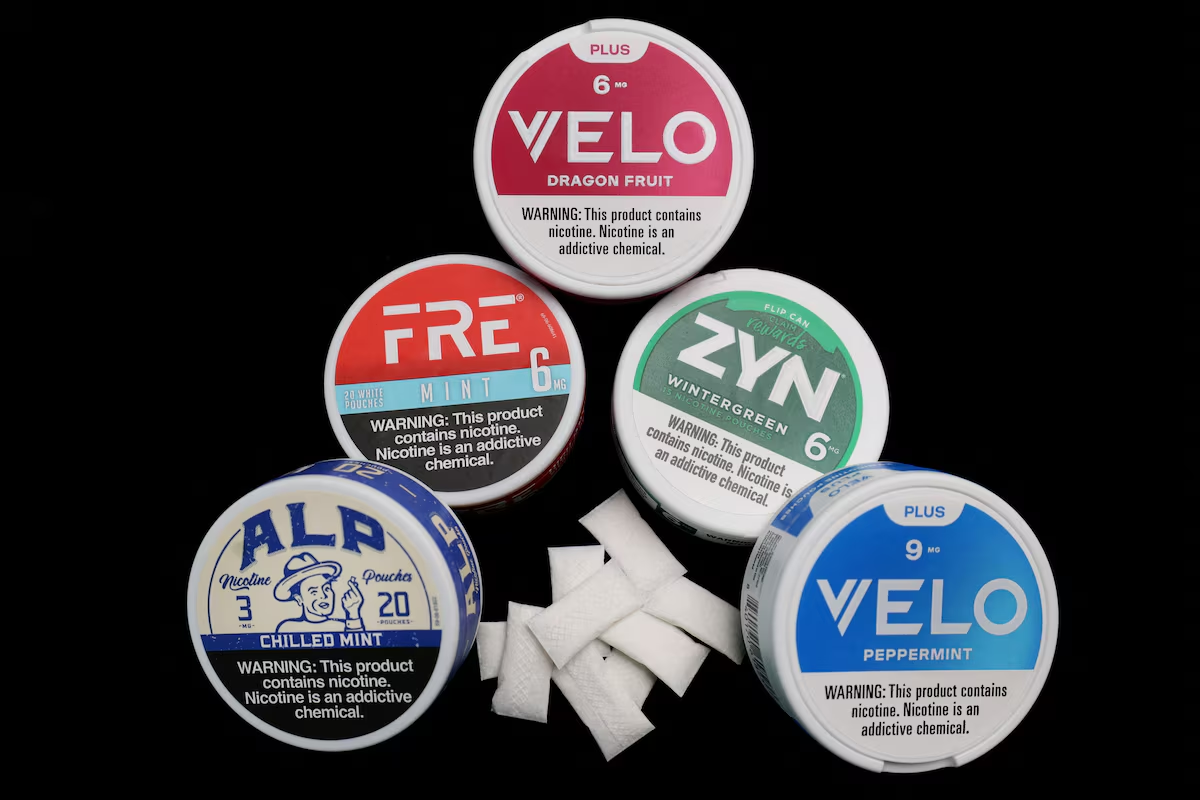
In 2022, PMI completed its acquisition of Swedish Match in a deal valued at about $16 billion, gaining control of ZYN.
The transaction was seen as a major step in PMI’s transformation from a cigarette company into a broader nicotine business. ZYN has since become a major nicotine pouch brand in the United States and an important part of PMI’s smoke-free portfolio.
For PMI, nicotine pouches offer a different commercial model from IQOS heated tobacco products. Consumers do not need to purchase a device, reducing barriers to adoption.
PMI has said its long-term strategy is to reduce reliance on combustible cigarette revenue through smoke-free products including IQOS and ZYN.
BAT and JTI Join the Nicotine Pouch Competition
PMI is not alone in pursuing nicotine pouches.
British American Tobacco has expanded its VELO brand across markets, while Japan Tobacco competes through brands including Nordic Spirit.
For traditional tobacco companies, nicotine pouches provide a different growth path from device-based categories.
Compared with heated tobacco and vaping, nicotine pouches have a simpler product structure and lower consumer entry barriers, allowing use in environments where smoking is restricted.
As more major tobacco companies enter the category, competition is shifting from product launches toward brand building, consumer education and regulatory adaptation.
Can Nicotine Pouches Become the Next Growth Platform?
The strategic importance of nicotine pouches comes from their potential role beyond cigarettes.
Many markets are experiencing declining smoking rates and falling cigarette consumption, pushing tobacco companies to seek new revenue sources.
Nicotine pouches offer several commercial advantages: they require no device, involve no combustion and can fit into more everyday use situations.
However, whether nicotine pouches can replicate the industry-changing impact of IQOS remains uncertain.
IQOS built a broader ecosystem around devices, consumables and user habits, while nicotine pouches remain at an earlier stage of market development.
Building long-term consumer loyalty and stable usage patterns will be critical.
Regulation Could Shape Future Growth
Despite industry optimism, nicotine pouches face increasing regulatory attention.
Markets are debating rules covering age restrictions, advertising, flavours and youth access.
Supporters argue that nicotine products should be regulated according to differences in risk and that alternatives may play a role for adult smokers seeking alternatives.
Critics warn that insufficient controls could attract people who previously did not use nicotine products, particularly younger consumers.
For tobacco companies, nicotine pouches therefore represent both a commercial opportunity and a regulatory challenge.
The Next Competitive Frontier for Big Tobacco
As cigarette markets continue to face structural pressure, nicotine pouches are becoming an important part of tobacco companies’ transformation strategies.
PMI has strengthened its position through ZYN, while BAT and JTI continue competing through VELO and Nordic Spirit.
Whether nicotine pouches become the next major growth curve for Big Tobacco will depend on consumer acceptance, regulatory developments and companies’ ability to build sustainable business models.
For the global tobacco industry, nicotine pouches are no longer just another product category. They are becoming a key indicator of what the future of Big Tobacco may look like.
Follow 2Firsts for the latest updates on global tobacco and nicotine trends, regulation and market developments.
Cover Image source: Reuters