Thailand Urged to Reconsider Legalizing E-Cigarettes

Apr.27.2023
Thailand Urged to Reconsider Legalizing E-Cigarettes
The Thai anti-smoking group praises UK's efforts in preventing underage access to e-cigarettes and urges their legalization in Thailand.

Recently, according to a report from Thailand's media outlet thethaiger, the End Cigarette Smoke Thailand (ECST) praised the efforts of the UK in preventing minors from accessing electronic cigarettes and urged the Thai government to reconsider the legalization of e-cigarettes.


Praise for the UK Government's Electronic Cigarette Regulation Measures.


The European Commission on Wednesday praised the efforts made by the UK to prevent minors from using electronic cigarettes, which includes providing free e-cigarette kits, and a dedicated enforcement team called the "Illegal E-Cigarette" unit that monitors and combats the sale of e-cigarettes to underage individuals.


In contrast, Thailand still regards the sale and use of electronic cigarettes as illegal, leading to unregulated black markets and an increase in opportunities for underage use.


Therefore, ECST hopes that the Thai government will reconsider the legalization of e-cigarettes and take action in the elections on May 14, 2023.


Maris Karanyawat, another representative of ECST, suggested that adopting the UK as a model could be the solution to Thailand's current e-cigarette policy issues.


Hopes to revise the e-cigarette ban after the general election.


Many supporters of legalizing e-cigarettes hope that Thailand's new government will take new actions after the 2023 election to learn from international experience and scientific evidence. From a scientific standpoint, this would help to reduce the negative impact on smokers and protect minors from harm caused by e-cigarette products.


Earlier, the Public Health Law Implementation Committee released a report recommending that Thailand should lift its ban on electronic cigarettes based on a combination of real-life situations and comprehensive suggestions.


In November 2023, Panama will host the 10th Conference of the Parties to the World Health Organization's Framework Convention on Tobacco Control. Mari hopes that the Thai government will take concrete action to consider the harm reduction potential of electronic cigarettes.


Marsis expressed that:


We hope that representatives in Thailand will take into consideration the Public Health Committee's report, which provides evidence that the regulation of e-cigarettes should be approached differently than combustible cigarettes for public health reasons.


Further reading:


Thailand may legalize e-cigarettes after this year's election, but a consensus on banning them remains difficult to achieve.


Five political parties in Thailand have pledged not to support the legalization of e-cigarettes.


Director of Thailand's Smoke-Free Organisation (ECST) expresses confidence in legalising e-cigarettes in Thailand.


The electronic cigarette issue becomes a focal point in Thailand's general election as anti-smoking organizations urge the government to maintain the ban on electronic cigarettes.


References:


Thailand is contemplating the possibility of offering complimentary e-cigarettes, inspired by England's approach.


Disclaimer

This article is provided solely for professional research, industry discussion, and informational purposes. Any references to brands, companies, products, technologies, or policies are made for factual reporting and analytical purposes only, and do not constitute endorsement, recommendation, promotion, or advertising by 2Firsts.

Nicotine-containing products, including but not limited to cigarettes, e-cigarettes, heated tobacco products, and nicotine pouches, carry significant health risks. Readers are responsible for complying with all applicable laws and regulations in their respective jurisdictions, including age restrictions and access limitations.

The information contained in this article should not be regarded as investment, legal, medical, regulatory, or commercial advice. While 2Firsts strives to ensure the accuracy and reliability of its content, it does not assume liability for any direct or indirect loss arising from errors, omissions, inaccuracies, or reliance on the information contained herein.

This article is not intended for individuals below the legal age for accessing tobacco or nicotine-related information in their jurisdiction.


Copyright Notice

This article is either original content produced by 2Firsts or content reproduced, translated, summarized, or adapted from third-party sources with attribution where applicable. The intellectual property rights of the original content remain with 2Firsts or the respective original rights holders.

No individual or organization may copy, reproduce, distribute, republish, modify, translate, or otherwise use this content without prior authorization. Any unauthorized use may result in legal action.

For copyright-related inquiries, corrections, or removal requests, please contact: info@2firsts.com.


AI-Assisted Translation and Editing Notice

Portions of this article may have been translated, edited, or reviewed with the assistance of artificial intelligence tools to improve efficiency and readability. Due to the limitations of AI-assisted translation and editing, discrepancies, omissions, or inaccuracies may exist when compared with the original source.

Where applicable, readers are advised to refer to the original source for the most complete and accurate information. If you identify any errors or believe that any content infringes upon your rights, please contact us at info@2firsts.com, and we will review and address the matter promptly.

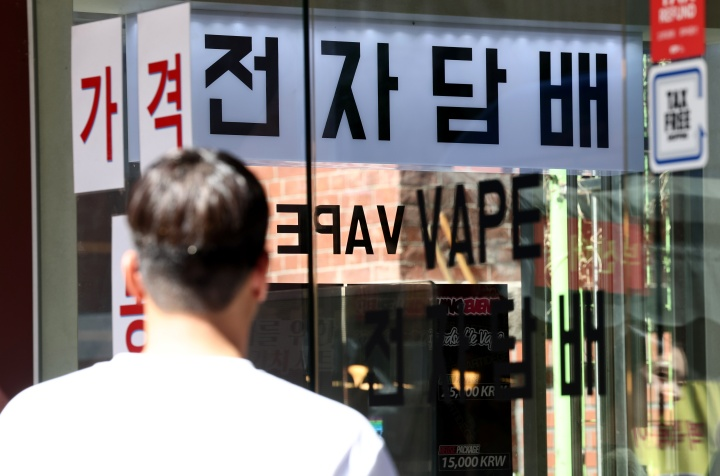
South Korea Extends Vape Rules to Unmanned Stores After Bringing Synthetic Nicotine Under Tobacco Law
South Korea's Ministry of Gender Equality and Family said on September 14 that it plans to designate unmanned e-cigarette stores as businesses where minors are prohibited from entering or working. Operators would be required to verify customers' ages and display notices restricting access by minors. The proposal is open for public comment through October 6. The move follows an April expansion of South Korea's statutory tobacco definition that brought products made with natural or synthetic nicotine under the Tobacco Business Act. Nicotine-free liquids and products using nicotine analogues such as 6-methylnicotine, however, remain an emerging regulatory issue.
Sep.21
Japan's Heated Tobacco Use Rises From 0.1% to 14.9% Over a Decade as Growth Extends Beyond Cigarette Switching
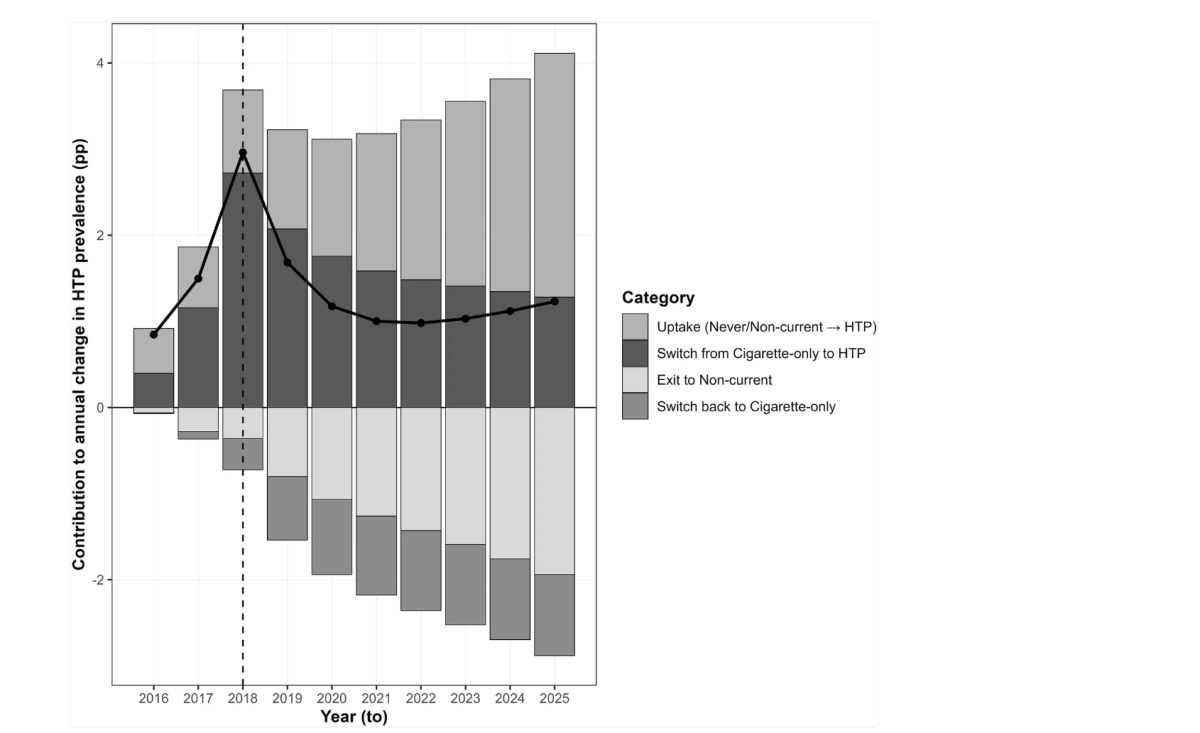
A decade-long study published in The Lancet Regional Health – Western Pacific found that heated tobacco product use in Japan increased from 0.1% in 2015 to 14.9% in 2025, although growth slowed after 2018. Switching from conventional cigarettes remained an important source of HTP uptake, while the contribution from previously non-current users increased. Approximately 56% of HTP users also smoked conventional cigarettes in 2025. Separate industry data show that Japan's heated tobacco sales reached 73.4 billion units in fiscal 2025, approaching conventional cigarette sales of 78.2 billion units.
SCIENCE
Nov.10
Philippines Mandates Safety Certification for Nicotine Pouches, Gives Industry 12 Months to Comply
The Philippines Department of Trade and Industry has placed nicotine pouches under mandatory product certification through Department Administrative Order No. 26-07, Series of 2026. Nicotine pouches must obtain a Philippine Standard, or PS, license before they can be manufactured, imported, packed, distributed or sold in the country. The regime requires testing for nicotine content, pH and water activity, while packaging must disclose nicotine strength, ingredients, allergens, batch information, the PS certification mark and prescribed health warnings. Existing market participants have a 12-month transition period to comply.
Regulations
Oct.12
Product | KUMI SCENIC 50K Offers Nicotine and 6-Methyl Nicotine Versions as 6-MN Products Appear in Multiple U.S. State Directories, With Louisiana Listing FDA Exemption
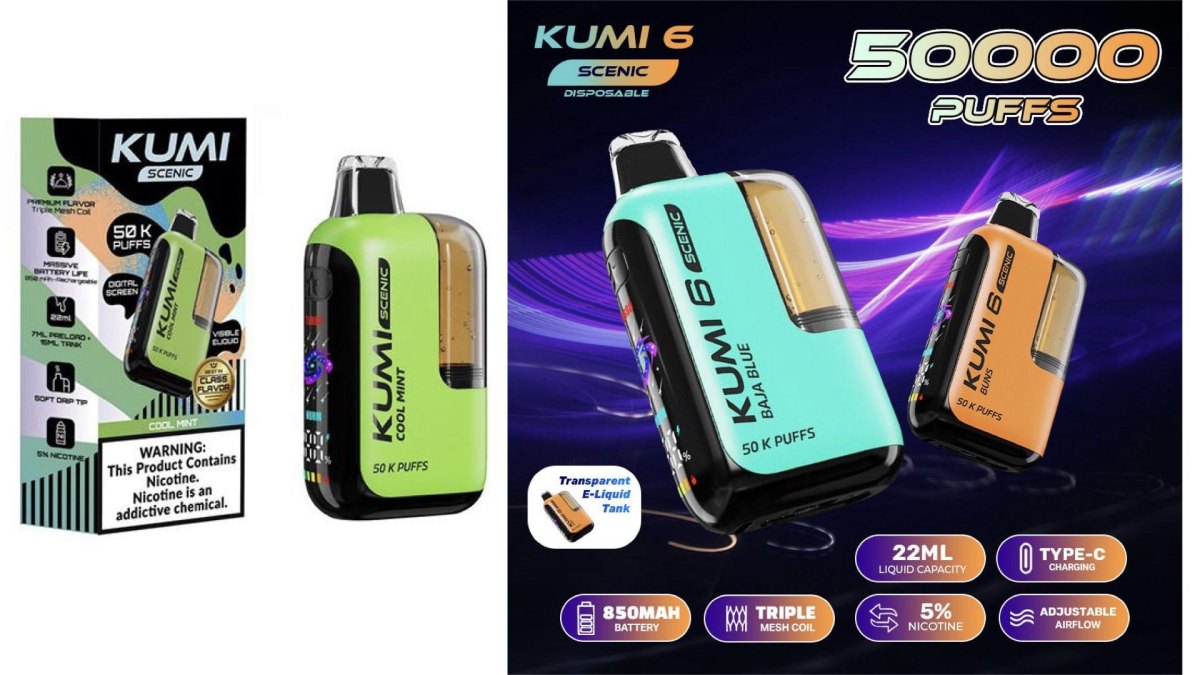
An October 2026 review of U.S. state vapor product directories found KUMI 6 SCENIC 50K listed in Louisiana and Nebraska. Louisiana classifies 20 related product entries as “FDA EXEMPTION.” The SCENIC platform is marketed in both conventional nicotine-salt and NoNic6 formulations, each advertised with 22mL e-liquid capacity and up to 50,000 puffs. U.S. wholesaler Midwest Goods listed both versions in August 2025 with a suggested retail price of $19.99 each. The NoNic6 version is associated with 6-methylnicotine and is also marketed by some distributors as “nicotine-free.”
product
Oct.27
FDA Revises Import Alert 98-07 Rules, Bringing May Enforcement Priorities Into Unauthorized ENDS Detentions
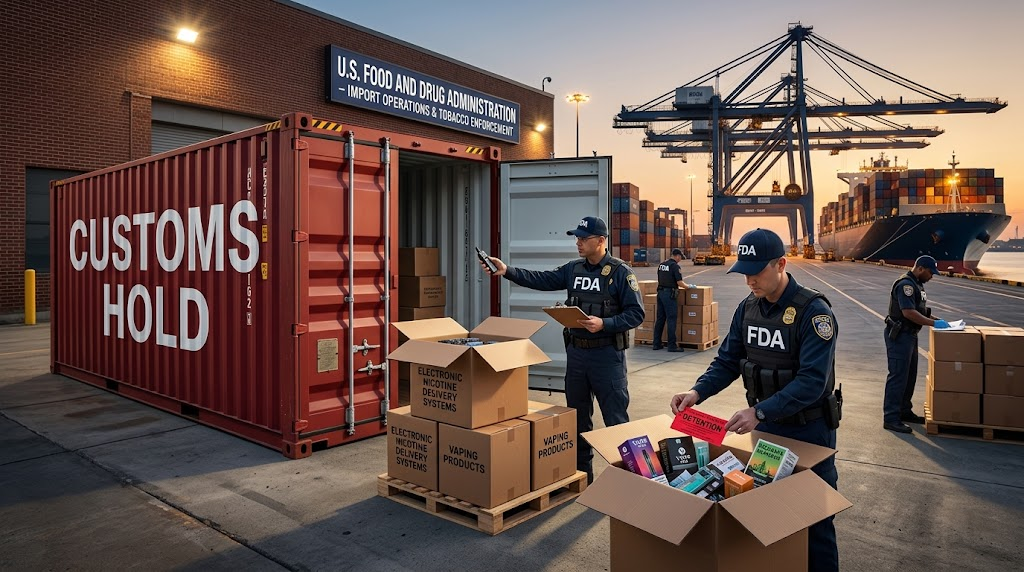
The U.S. Food and Drug Administration has revised the rules under Import Alert 98-07 to incorporate its May 2026 enforcement-priority policy for certain electronic nicotine delivery systems marketed without premarket authorization. The alert continues to allow detention without physical examination, or DWPE, for ENDS lacking required marketing authorization, while directing field divisions to apply the May risk-based framework. When necessary, detention or refusal decisions must also undergo review by the FDA's Center for Tobacco Products. Products including PACHA and Vuse Pro have already emerged as industry examples of the May policy, although enforcement discretion does not constitute FDA marketing authorization.
News
Sep.28 by 2Firsts Perspectives
FRE and ALP Push Modern Oral to 48% of Q2 Sales as Turning Point Brands Changes CEO and Lowers Profit-Guidance Ceiling
Turning Point Brands said Executive Chairman David E. Glazek will become CEO on October 1, replacing Graham Purdy, who is stepping down for personal reasons. The company narrowed its 2026 adjusted EBITDA outlook to $70 million-$80 million from $70 million-$90 million while maintaining Modern Oral gross sales guidance of $330 million-$350 million and net sales guidance of $260 million-$270 million. In the second quarter, Modern Oral net sales rose 128% to $68.4 million and accounted for 48% of company-wide net sales. Adjusted EBITDA fell 50% year over year. TPB shares closed about 10% lower on September 21.
Market
Sep.22 by 2Firsts Perspectives