The Changing Taste Trend in Malaysia's e-Cigarette Market.

Aug.14.2023
The Changing Taste Trend in Malaysia's e-Cigarette Market.
With the shift from open to disposable e-cigarettes in Malaysia, consumers' taste preferences have also changed.

As the Malaysian e-cigarette market transitions from open systems to disposable ones, consumers' preferences are also changing. On August 11th, 2FIRSTS interviewed the head of Malaysian local e-cigarette brand VAULT VAPE at the Mavis e-cigarette exhibition. He stated that the Malaysian e-cigarette audience can be broadly divided into two categories: one is the Chinese community, who prefer cool and icy flavors, while local Malaysians tend to prefer sweeter tastes.


Hafiidzzu, CEO of Mavis Exhibition Organizer, addressed this point by stating that the tastes of Malaysian consumers are gradually shifting from creamy flavors to refreshing fruit flavors.


Hafiidzzu states that Chinese manufacturers are adept at adjusting their products according to local preferences, allowing their e-liquids to seamlessly blend into the Malaysian market. The success of these flavor adjustments poses a significant challenge for local e-liquid producers in Malaysia, who are now tasked with innovating and catering to ever-changing consumer demands.


In 2018 and 2019, Malaysia emerged as a hub for diverse e-cigarette flavors, being regarded as one of the markets with the widest range of e-cigarette flavors. The market predominantly favored creamy flavors, giving Malaysia's e-cigarettes a distinctive touch. However, a significant shift has occurred in the industry as Chinese factories have adapted to global tastes. With consumers turning to disposable e-cigarettes, most people now prefer sweet and refreshing fruit flavors.


Disclaimer

This article is provided solely for professional research, industry discussion, and informational purposes. Any references to brands, companies, products, technologies, or policies are made for factual reporting and analytical purposes only, and do not constitute endorsement, recommendation, promotion, or advertising by 2Firsts.

Nicotine-containing products, including but not limited to cigarettes, e-cigarettes, heated tobacco products, and nicotine pouches, carry significant health risks. Readers are responsible for complying with all applicable laws and regulations in their respective jurisdictions, including age restrictions and access limitations.

The information contained in this article should not be regarded as investment, legal, medical, regulatory, or commercial advice. While 2Firsts strives to ensure the accuracy and reliability of its content, it does not assume liability for any direct or indirect loss arising from errors, omissions, inaccuracies, or reliance on the information contained herein.

This article is not intended for individuals below the legal age for accessing tobacco or nicotine-related information in their jurisdiction.


Copyright Notice

This article is either original content produced by 2Firsts or content reproduced, translated, summarized, or adapted from third-party sources with attribution where applicable. The intellectual property rights of the original content remain with 2Firsts or the respective original rights holders.

No individual or organization may copy, reproduce, distribute, republish, modify, translate, or otherwise use this content without prior authorization. Any unauthorized use may result in legal action.

For copyright-related inquiries, corrections, or removal requests, please contact: info@2firsts.com.


AI-Assisted Translation and Editing Notice

Portions of this article may have been translated, edited, or reviewed with the assistance of artificial intelligence tools to improve efficiency and readability. Due to the limitations of AI-assisted translation and editing, discrepancies, omissions, or inaccuracies may exist when compared with the original source.

Where applicable, readers are advised to refer to the original source for the most complete and accurate information. If you identify any errors or believe that any content infringes upon your rights, please contact us at info@2firsts.com, and we will review and address the matter promptly.


Russia's Vape Ban Decisions Reach 17 Regions With 39 More Considering Laws, Putting Over 3,000 St. Petersburg Retail Outlets in Focus
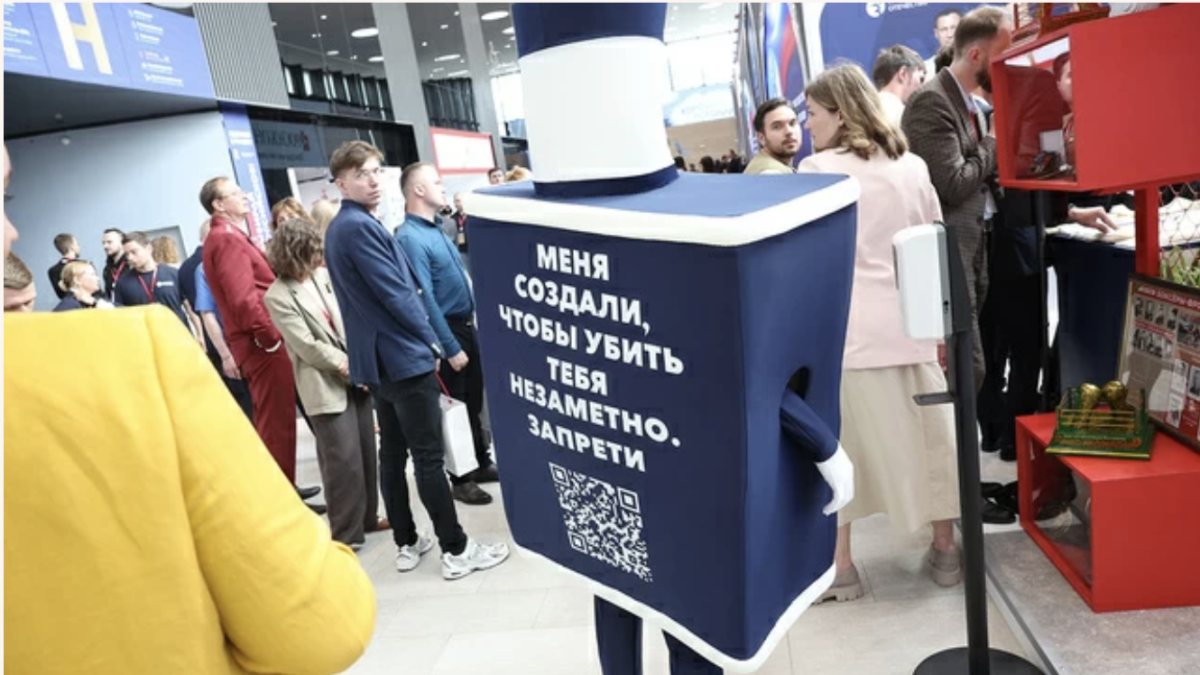
Russia's regional vape retail restrictions are expanding. State Duma Speaker Vyacheslav Volodin said on November 7 that 17 regions had adopted decisions to ban vape sales, while another 39 were preparing or considering similar legislation. On November 12, lawmakers in Leningrad Oblast and the Republic of Karelia adopted bans scheduled to begin on March 1, 2027. A day earlier, St. Petersburg unanimously approved a five-year ban proposal in its first reading. The city has 615 specialist vape shops and more than 2,400 other retail outlets selling vaping products alongside other goods. Under Federal Law No. 186-FZ, enacted in June 2026, Russian regions may prohibit retail sales of electronic nicotine delivery systems and related liquids between March 2027 and March 2032. The legislation also restricts licensed suppliers from delivering covered products to retail premises in regions where bans apply.
Regulations
Nov.13
Russia's State Duma Passes Tobacco and Nicotine Ingredient Disclosure Bill, Targeting 2027 End to Trade-Secret Protection for Certain Harmful Ingredient Data
Russia's State Duma passed a government-sponsored amendment on November 11, 2026, by 414 votes to none, seeking to prevent businesses from classifying information on the presence and number of types of certain harmful ingredients in tobacco and nicotine-containing products as trade secrets. The measure covers ingredients capable of increasing nicotine dependence or exhibiting toxic, carcinogenic, mutagenic or reproductive toxicity, including substances that acquire such properties during heating or smoldering. Bill No. 1286415-8 would amend Article 5 of Federal Law No. 98-FZ on Commercial Secrets and is scheduled to take effect on January 1, 2027. The bill has cleared all three readings in the State Duma but has not completed the remaining legislative procedures.
Regulations
Nov.12 by 2Firsts Perspectives
Beyond IQOS ILUMA, PMI Expands Lower-Priced BONDS Heated Tobacco Platform: Seven Markets Added in Q3, With Rollouts in Japan, Europe and North Africa
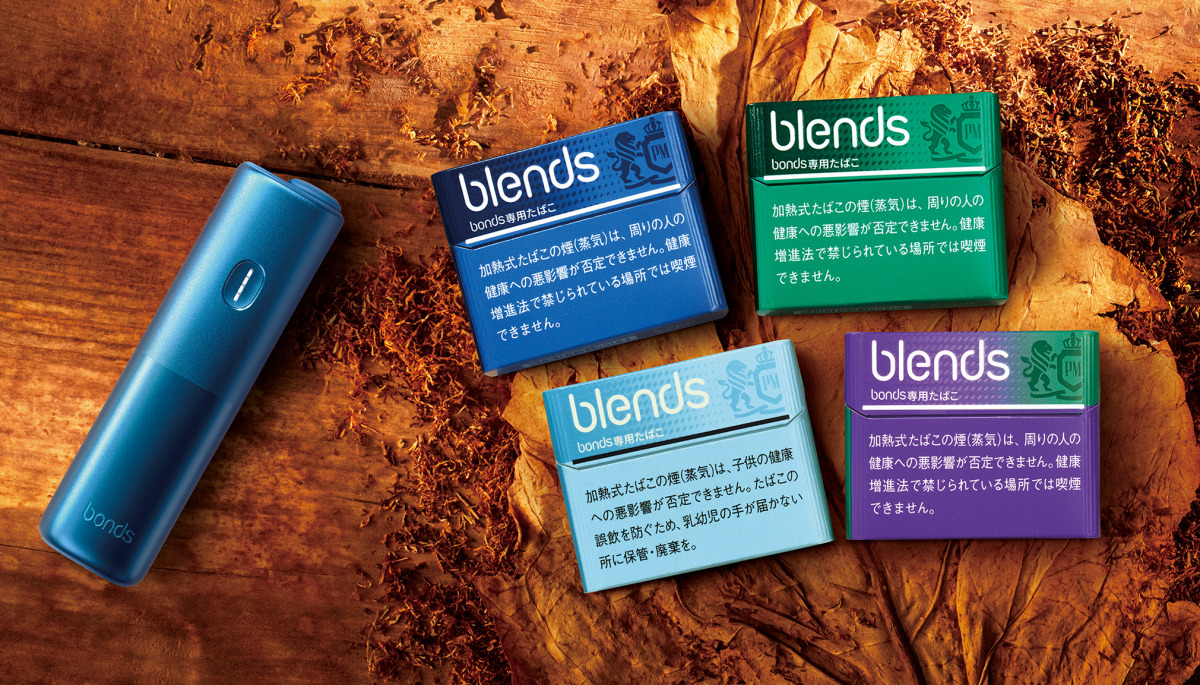
Philip Morris International (PMI) is expanding the international footprint of BONDS by IQOS, its lower-priced heated tobacco platform. The company's third-quarter 2026 SEC filing shows that BONDS devices and BLENDS tobacco sticks were available in 15 markets at the end of September, up from eight at the end of June. In November, PMI announced plans to extend sales from three to 17 Japanese prefectures and introduced BONDS in Spain and Morocco. The platform uses ROUNDHEAT external heating technology and proprietary tobacco sticks, separate from the IQOS ILUMA system. In Japan, BONDS retails for ¥2,980, approximately 25% below ILUMA i ONE, while BLENDS costs ¥570 per pack. PMI management says BONDS targets cigarette smokers who have not adopted heated tobacco. Separate sales and revenue figures remain undisclosed.
company
Nov.06
NAS 2026 | FDA CTP Director Says PMTA Pathway Is “Predicated on Tobacco Harm Reduction”
At the 2026 New Approaches Summit in New York, FDA Center for Tobacco Products Director Bret Koplow said the PMTA pathway is “predicated on tobacco harm reduction.” He outlined four CTP priorities: youth prevention, helping adults quit or switch to lower-risk products, improving relative-risk communication, and reducing unauthorized products. Koplow also addressed flavored e-cigarettes, public risk perceptions, industry credibility and efforts to make PMTA reviews more efficient and predictable.
Sep.26
German Tobacco Tax Revenue Falls 10.8% Through August as Tax-Paid Cigarette Volume Drops 12.6%
Germany collected €9.789 billion in total tobacco tax revenue from January through August 2026, down 10.8% from a year earlier, according to the Federal Ministry of Finance. Germany's tobacco tax base covers not only cigarettes and fine-cut tobacco but also heated tobacco and vaping liquids taxed as tobacco substitutes. The German Association of the Tobacco Industry and Novel Products, or BVTE, citing federal statistical data, said tax-paid cigarette volume fell 12.6% to 40.6 billion sticks. BVTE is using the latest figures to argue against further tax increases planned from 2027 through 2030, while Germany's parliament is scheduled to hold a first reading of the bill on September 24.
Sep.23
EU Vape, Heated Tobacco and Nicotine Pouch Tax Reform Reaches Ministerial Talks: Sweden Opposes Proposed 2032 Minimum of 50% of Retail Price or €50/kg for Nicotine Pouches
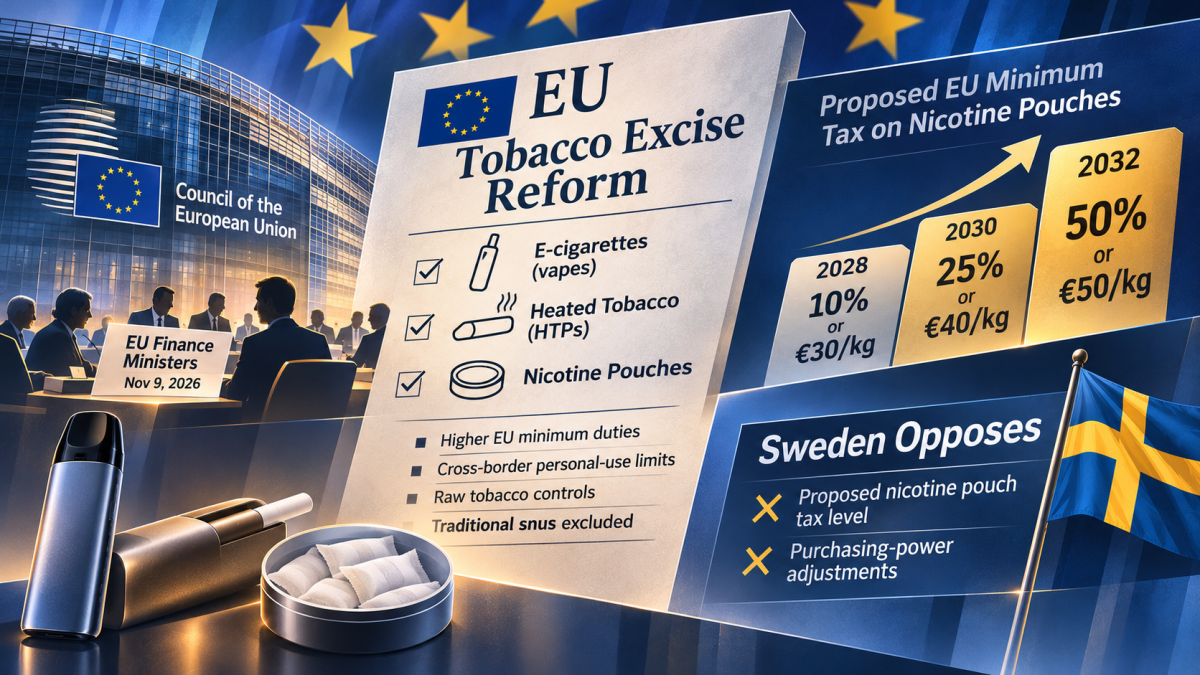
EU finance ministers are scheduled to discuss tobacco excise reform on November 9, 2026, seeking agreement on higher minimum duties for conventional tobacco and a common EU minimum tax framework covering e-cigarettes, heated tobacco and nicotine pouches. A November 5 Council document identifies nicotine pouch taxation as the main outstanding issue. The Irish Council presidency proposes phased increases, reaching 50% of retail selling price or €50 per kilogram in 2032. Sweden has formally said it cannot support the current compromise, objecting to both the proposed nicotine pouch tax burden and the adjustment of minimum rates based on national purchasing power. The package also addresses cross-border personal-use reference quantities, raw tobacco controls and the continued exclusion of traditional tobacco snus.
Regulations
Nov.10