Brazil Plans Public Consultation on E-Cigarette Regulation

Regulations by 2FIRSTS.ai
Jun.28.2023
Brazil Plans Public Consultation on E-Cigarette Regulation
Brazil's National Health Surveillance Agency (Anvisa) plans to begin a public consultation on e-cigarette regulation later this year.

According to Brazilian media outlet Metrópoles, the Brazilian National Health Surveillance Agency (Anvisa) is planning to seek public input regarding the regulation of e-cigarettes in the latter half of this year.


Antonio Barra Torres, President of Anvisa, revealed that the public consultation process is still in the formulation stage.


Currently, Brazil has imposed a ban on the sale, import, and distribution of e-cigarettes. Those who violate the regulations may face fines of up to 1.5 million Brazilian reais (approximately 2.25 million Chinese yuan).


During the public consultation period, various social and economic stakeholders involved in this issue will have the opportunity to submit their opinions, suggestions, and criticisms to the organization.


According to a study conducted by research institution Ipec, the number of e-cigarette users in Brazil has grown from 500,000 to 2.2 million. In the capital city of Brasília, approximately 4% of the population now uses e-cigarettes.


The Brazilian government loses 2.2 billion Brazilian Real (approximately 3.1 billion Chinese Yuan) annually due to untaxed illegal products, leading to a loss of 110,000 employment opportunities for the country.


British American Tobacco (BAT) and Philip Morris International (PMI) have both expressed their views on e-cigarette regulation in Brazil. Lauro Anhezini Jr, the Head of Science and Regulatory Affairs for BAT Brazil, stated:


"If more harmful cigarettes can be legally sold, BAT cannot understand why e-cigarettes are banned in this country, considering that over 80 countries have regulated them. Compared to traditional cigarettes, their risk is reduced by 95%."


BAT has expressed plans to expand its existing factory to accommodate the production of e-cigarettes, initially using imported components for e-cigarette assembly. PMI representatives have stated that if Brazil's National Health Surveillance Agency lifts the ban on e-cigarettes and heated tobacco products, PMI will plan to build a new factory in Rio Grande do Sul, a city in southern Brazil.


Reference:


【1】O próximo passo para a Anvisa regular cigarros eletrônicos


Disclaimer

This article is provided solely for professional research, industry discussion, and informational purposes. Any references to brands, companies, products, technologies, or policies are made for factual reporting and analytical purposes only, and do not constitute endorsement, recommendation, promotion, or advertising by 2Firsts.

Nicotine-containing products, including but not limited to cigarettes, e-cigarettes, heated tobacco products, and nicotine pouches, carry significant health risks. Readers are responsible for complying with all applicable laws and regulations in their respective jurisdictions, including age restrictions and access limitations.

The information contained in this article should not be regarded as investment, legal, medical, regulatory, or commercial advice. While 2Firsts strives to ensure the accuracy and reliability of its content, it does not assume liability for any direct or indirect loss arising from errors, omissions, inaccuracies, or reliance on the information contained herein.

This article is not intended for individuals below the legal age for accessing tobacco or nicotine-related information in their jurisdiction.


Copyright Notice

This article is either original content produced by 2Firsts or content reproduced, translated, summarized, or adapted from third-party sources with attribution where applicable. The intellectual property rights of the original content remain with 2Firsts or the respective original rights holders.

No individual or organization may copy, reproduce, distribute, republish, modify, translate, or otherwise use this content without prior authorization. Any unauthorized use may result in legal action.

For copyright-related inquiries, corrections, or removal requests, please contact: info@2firsts.com.


AI-Assisted Translation and Editing Notice

Portions of this article may have been translated, edited, or reviewed with the assistance of artificial intelligence tools to improve efficiency and readability. Due to the limitations of AI-assisted translation and editing, discrepancies, omissions, or inaccuracies may exist when compared with the original source.

Where applicable, readers are advised to refer to the original source for the most complete and accurate information. If you identify any errors or believe that any content infringes upon your rights, please contact us at info@2firsts.com, and we will review and address the matter promptly.

Hawaii's Largest Independent Vape Retailer and Wholesaler Volcano to Close All 13 Stores Ahead of 2027 Sales Rules
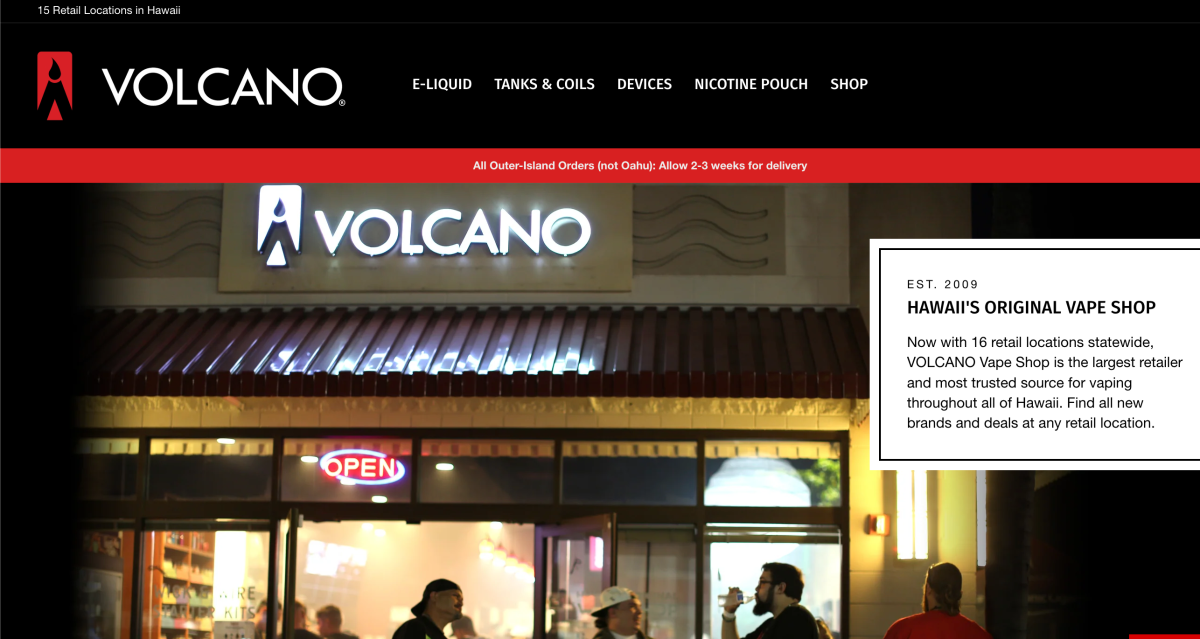
Hawaii-based vaping company Volcano eCigs plans to close all 13 physical retail stores on December 31, 2026, affecting approximately 56 employees. Volcano operates retail, wholesale, proprietary product and online sales businesses and has previously described itself in legislative testimony as Hawaii's largest independent vape retailer and wholesaler. Its operating company, Jocor Enterprises LLC, filed a formal closure notice on November 4, citing changes in the state's regulatory environment. From January 1, 2027, Hawaii will restrict the sale, acquisition and possession of vaping devices and e-liquids not listed in a state product directory, alongside separate restrictions on certain disposable devices. The closure concerns Volcano's physical retail network; the company has not announced the termination of wholesale or online operations.
Market
Nov.09
EU Vape, Heated Tobacco and Nicotine Pouch Tax Reform Reaches Ministerial Talks: Sweden Opposes Proposed 2032 Minimum of 50% of Retail Price or €50/kg for Nicotine Pouches
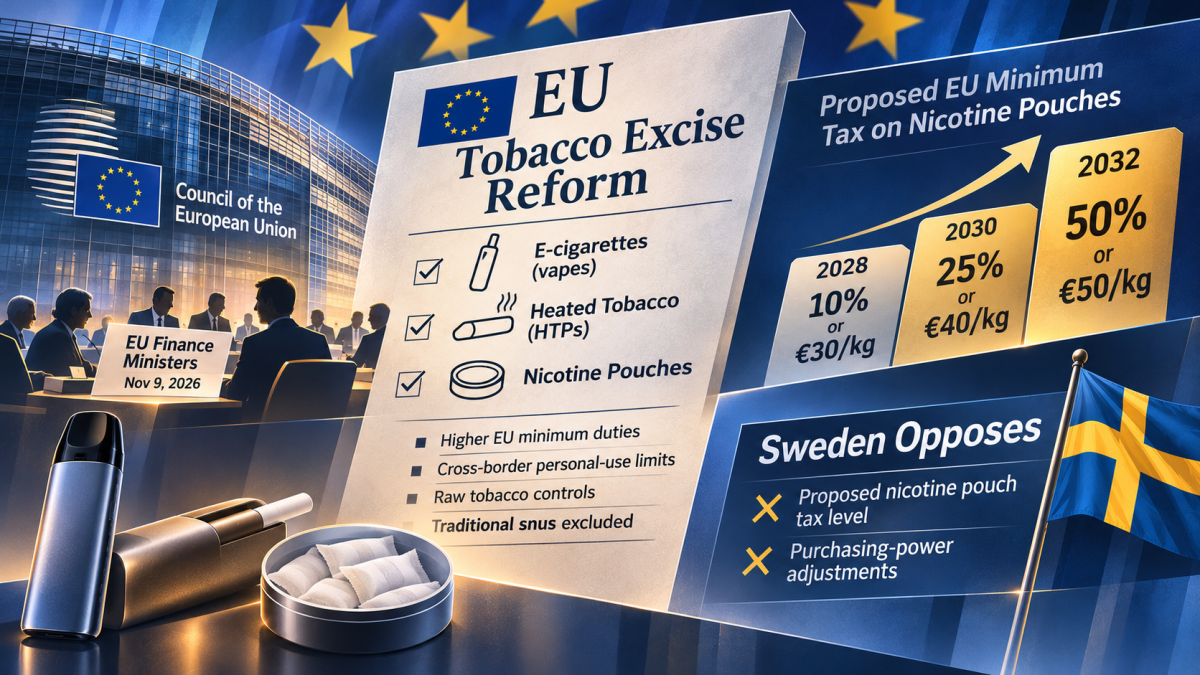
EU finance ministers are scheduled to discuss tobacco excise reform on November 9, 2026, seeking agreement on higher minimum duties for conventional tobacco and a common EU minimum tax framework covering e-cigarettes, heated tobacco and nicotine pouches. A November 5 Council document identifies nicotine pouch taxation as the main outstanding issue. The Irish Council presidency proposes phased increases, reaching 50% of retail selling price or €50 per kilogram in 2032. Sweden has formally said it cannot support the current compromise, objecting to both the proposed nicotine pouch tax burden and the adjustment of minimum rates based on national purchasing power. The package also addresses cross-border personal-use reference quantities, raw tobacco controls and the continued exclusion of traditional tobacco snus.
Regulations
Nov.10
Russia Expands Temporary Administration of JTI Assets in Second Round: From Four to All Seven Russian Entities, With Approximately $9.5 Billion in Related Assets
Japan Tobacco Inc. (JT) confirmed on November 9, 2026, that all seven of its Russian entities had been placed under temporary administration after a second presidential decree added three companies to the four designated a day earlier. The additional entities are associated with importing, management, holdings and the former supply of Ploom heated-tobacco devices. JT disclosed approximately ¥1.5 trillion in Russian business-related assets as of September 30, including ¥360 billion in cash and deposits, and approximately ¥200 billion in liabilities. Under its revised FY2026 forecast, Russia accounts for about 25% of adjusted operating profit. JT said operations in Russia were continuing, while the financial impact remained under assessment.
company
Nov.09
Italy Proposes Earlier Vape and HTP Tax Hikes, New Rules for E-Liquid Pricing, Exclusive Deals and Distribution
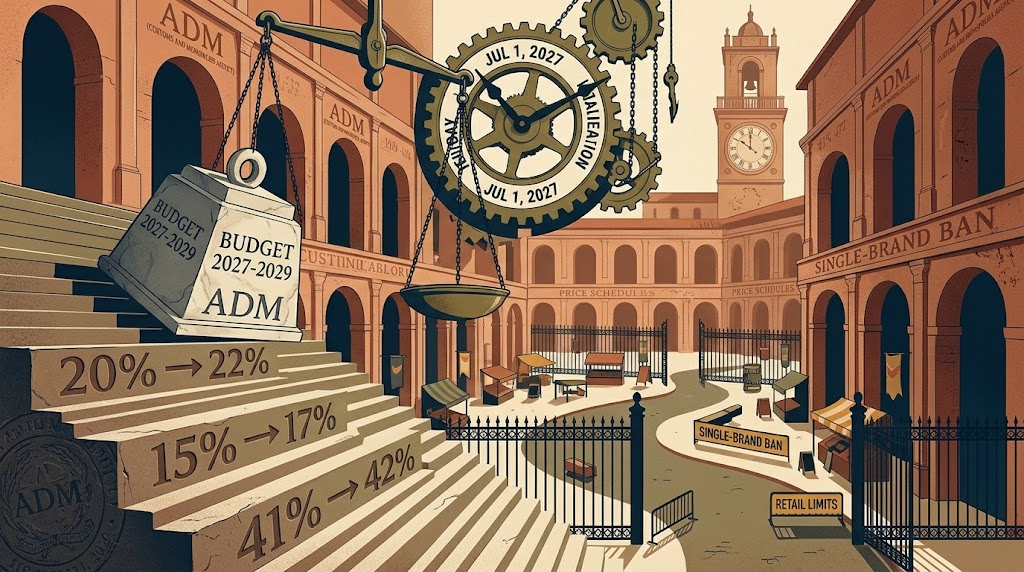
Italy's proposed 2027–2029 budget would bring forward scheduled tax increases for e-cigarette liquids and heated tobacco products from January 1, 2028, to July 1, 2027. The consumption tax coefficient for nicotine-containing e-liquids would rise from 20% to 22%, that for nicotine-free liquids and applicable flavorings from 15% to 17%, and the heated-tobacco coefficient from 41% to 42%. The bill would also introduce official retail price schedules for e-liquids, restrict exclusive agreements between retailers and suppliers, and limit single-brand-dominated displays, sales incentives and bundled offers. Importing, authorized warehousing and retailer sourcing arrangements would also change. The proposals remain subject to parliamentary approval and subsequent implementing regulations.
Regulations
Nov.04
NAS 2026 | Cliff Douglas: Risk Continuum Should Play a Central Role in Tobacco Policy
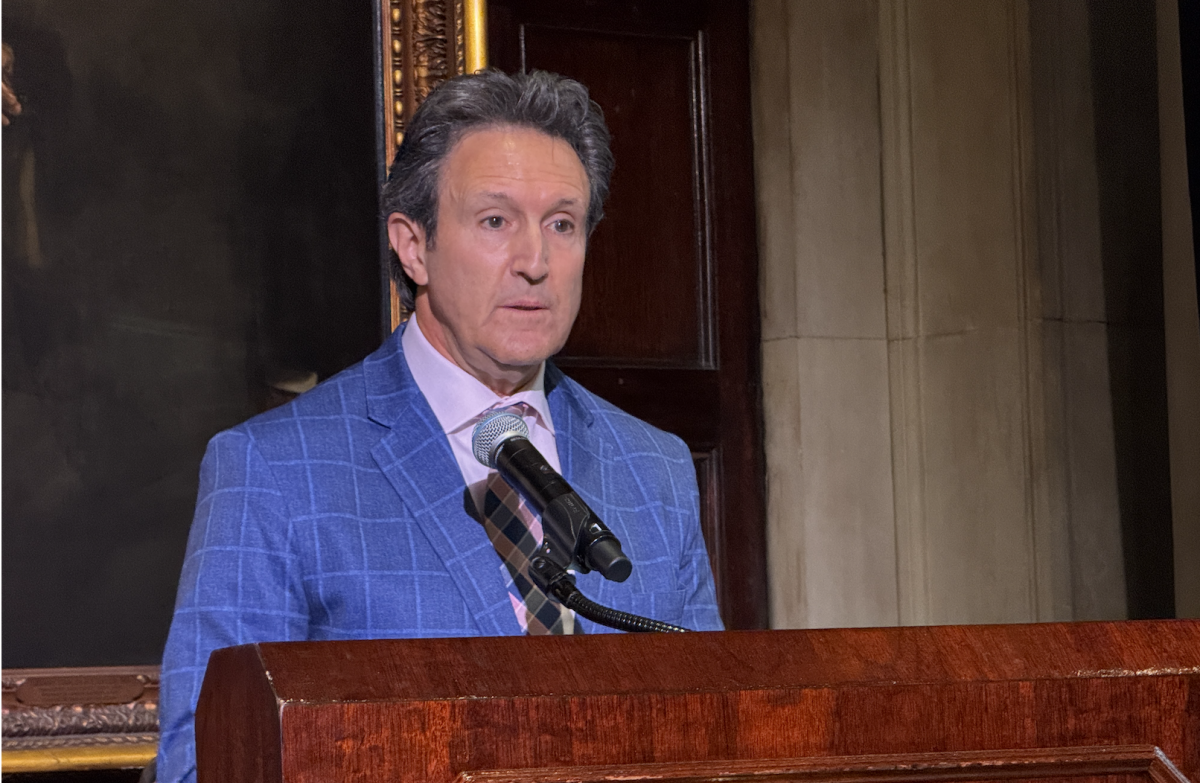
Cliff Douglas, a veteran U.S. tobacco-control and public health policy figure, told NAS 2026 that the “continuum of risk” should play a central role in tobacco policy. He called for clearer market pathways, stronger risk communication, differentiated regulation and enforcement, and said possible FDA reforms to PMTA reviews could be a “welcome correction” if they create a more efficient, predictable route for scientifically substantiated lower-risk products. Read 2Firsts’ on-site coverage.
Sep.26
Japanese Addiction Psychiatrist Says Complete Abstinence Is Not Always the Goal of Harm Reduction | 2Firsts Interview
Complete abstinence is not always the goal of addiction treatment under a harm-reduction approach, Japanese psychiatrist Tomohiro Shirasaka told 2Firsts in Manila. In the interview, he discussed patients' quality of life, Japan's shift towards heated tobacco products, and the challenges of quitting smoking for people with mental illness. Drawing on addiction treatment work in the Philippines, he advocated support rather than punishment and questioned whether fear-based health warnings effectively address the reasons people continue smoking.
Nov.10