Former DHS Spokesperson Analyzes CBP’s $175 Million Illegal Vape Seizure

Regulations
May.25
 Former DHS Spokesperson Analyzes CBP’s $175 Million Illegal Vape Seizure
The Washington Examiner published an opinion article by Tricia McLaughlin, former Assistant Secretary for Public Affairs and spokesperson at the U.S. Department of Homeland Security, arguing that the Trump administration is strengthening enforcement against illegal vape supply chains through the FDA, CBP, and DHS.

Key Points

  • Author is former DHS spokesperson;
  • Focus on illegal Chinese vapes;
  • CBP seized $175 million in products;
  • Calls for FDA-CBP coordination.

2Firsts

May 25, 2026

The Washington Examiner recently published an opinion article written by Tricia McLaughlin, who previously served as Assistant Secretary for Public Affairs and spokesperson at the U.S. Department of Homeland Security (DHS), overseeing communications related to border security, immigration enforcement, and homeland security policy.

The article argued that U.S. border security should not be limited to migration enforcement, but should also include efforts to intercept illicit goods and unauthorized next-generation nicotine products.

McLaughlin said the Trump administration is using a “whole-of-government” approach to strengthen border enforcement and market regulation against illegal vaping products.

Citing retail market data, the article claimed that approximately 86.3% of U.S. e-cigarette sales involve products that have not received FDA authorization.

The commentary said many of these products originate from China and enter the United States through mislabeling or concealment within legitimate cargo shipments.

According to the article, these products bypass the FDA’s legally required Premarket Tobacco Product Application (PMTA) review process.

McLaughlin said some shipments were deliberately mislabeled or hidden to evade inspection by U.S. Customs and Border Protection (CBP).

The article cited recent Trump administration enforcement actions, including “Operation Red Mist,” which reportedly seized more than 18 million unauthorized vaping products valued at over $175 million.

One individual seizure reportedly involved 3 million vape products worth approximately $76 million, representing about 4% of China’s monthly e-cigarette exports to the United States.

The commentary also referenced “Operation Vape Trail,” which reportedly seized more than 2.3 million vape devices and cartridges, along with more than 100 weapons, within a single week.

McLaughlin supported the FDA’s recent enforcement guidance targeting unauthorized Electronic Nicotine Delivery Systems (ENDS).

She argued that the policy marks an important step toward stronger public health protection and border enforcement, but said it is not enough to fully disrupt the illicit market.

The article urged FDA to expand enforcement efforts, including increased cargo seizures, permanent injunctions against repeat offenders, higher civil penalties, and daily intelligence-sharing coordination with DHS and CBP.

The commentary described U.S. ports of entry as the “first line of defense” against illegal vaping supply chains.

It also noted that Congress allocated $200 million to FDA last year to strengthen enforcement against illegal Chinese vape imports.

McLaughlin argued that FDA should establish a long-term joint enforcement structure with DHS and CBP, rather than relying mainly on retail-level enforcement.

The article concluded that the Trump administration’s “Make America Healthy Again” (MAHA) agenda should prioritize enforcement of existing law and suppression of illicit vape supply chains.

The piece is an opinion article reflecting the author’s views and related political perspective, not an official U.S. government policy document.

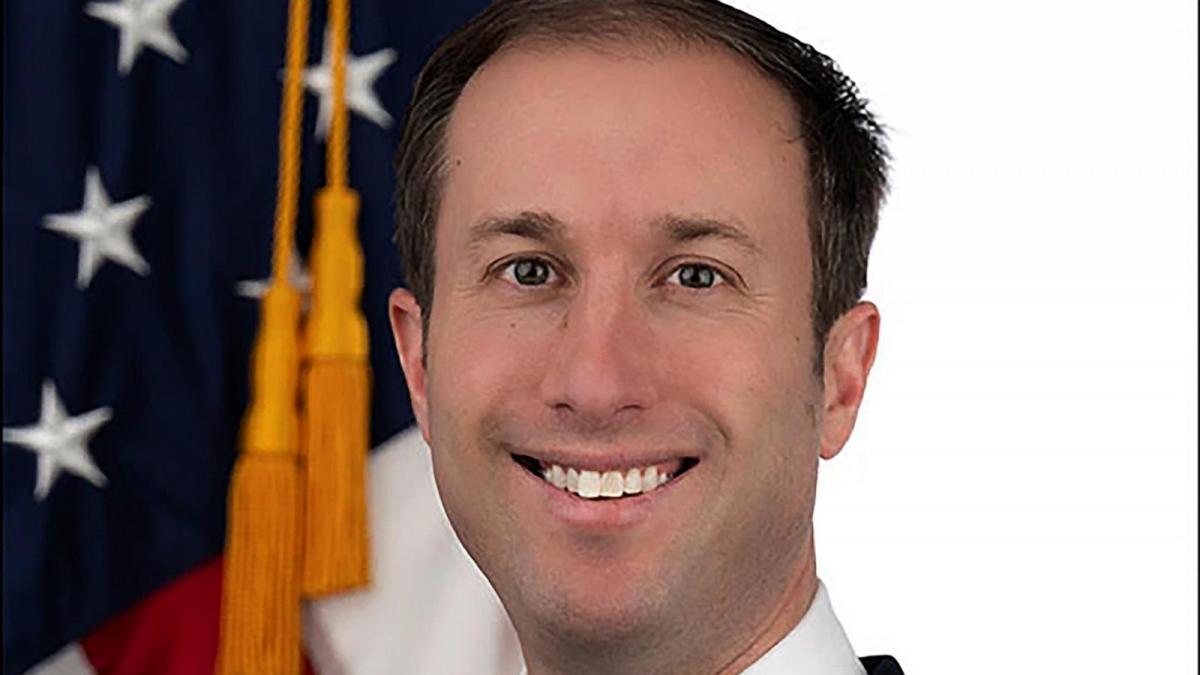
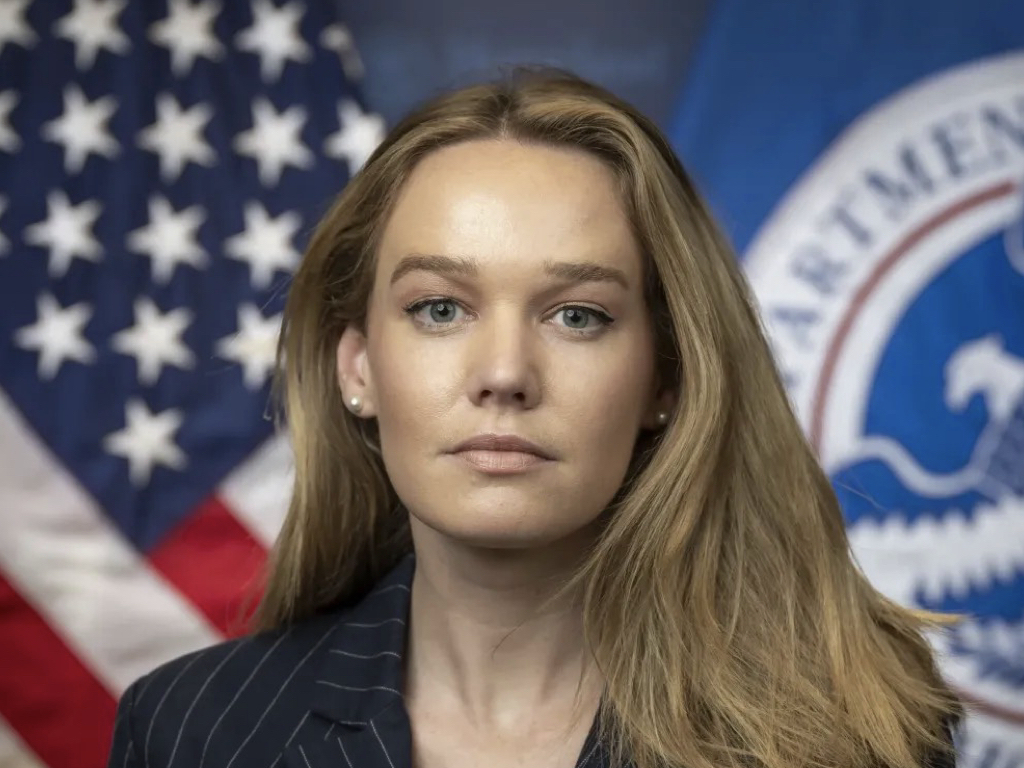
(Cover image: Former DHS Assistant Secretary for Public Affairs and spokesperson Tricia McLaughlin | Source: U.S. Department of Homeland Security)
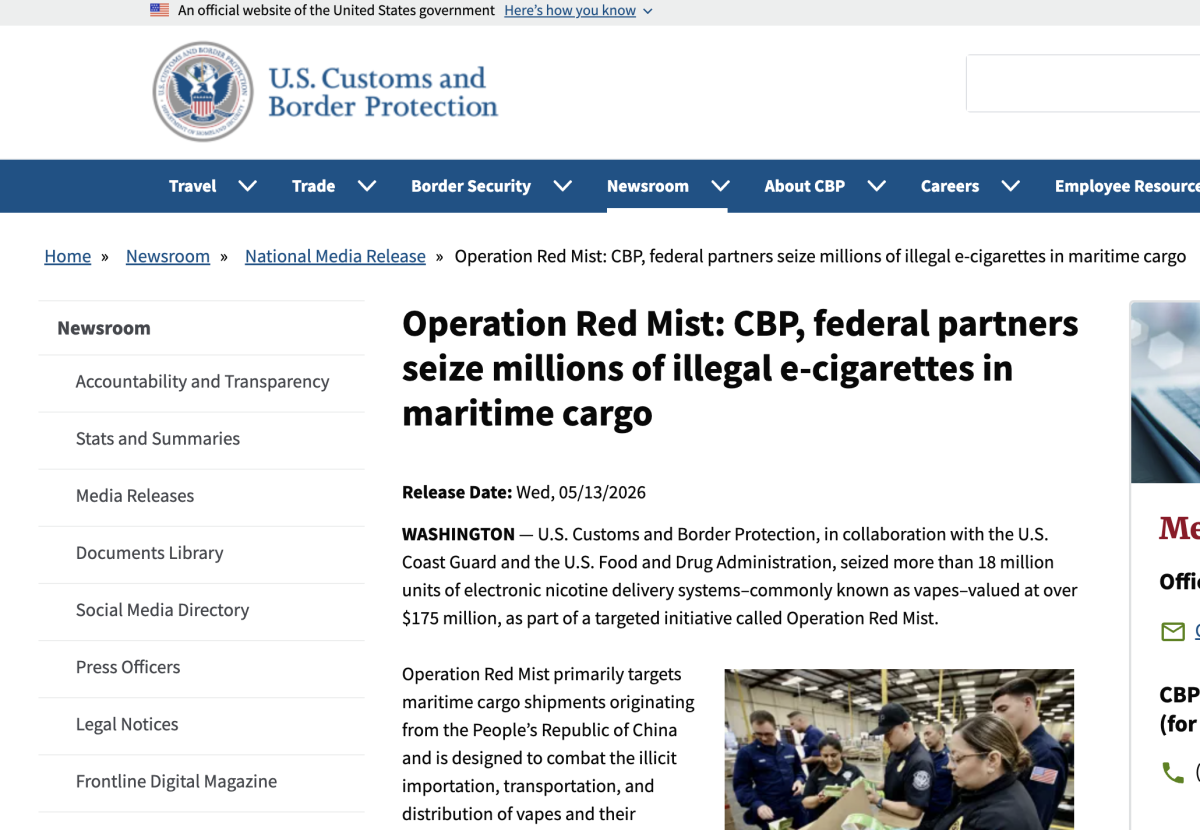

2FIRSTS | CBP and FDA Seize 18 Million Illegal Vapes Worth $175 Million in Maritime Cargo Operation
U.S. Customs and Border Protection (CBP) announced that more than 18 million illegal e-cigarettes valued at over $175 million were seized during “Operation Red Mist,” a joint enforcement initiative involving the U.S. Coast Guard and the FDA. The operation primarily targeted maritime vape shipments originating from China and focused on combating illicit importation, transportation, and distribution activities.
www.2firsts.com

This document has been generated through artificial intelligence translation and is provided solely for the purposes of industry discourse and learning. Please note that the intellectual property rights of the content belong to the original media source or author. Owing to certain limitations in the translation process, there may be discrepancies between the translated text and the original content. We recommend referring to the original source for complete accuracy. In case of any inaccuracies, we invite you to reach out to us with corrections. If you believe any content has infringed upon your rights, please contact us immediately for its removal.


U.S. Senator Durbin Criticizes FDA’s First Flavored Vape Authorization, Says Trump Administration Conceded to Big Tobacco
U.S. Senator Dick Durbin on May 13 criticized the Trump Administration’s Food and Drug Administration for approving the sale and marketing of fruit-flavored e-cigarettes for the first time, while also allowing some illegal vaping products to remain on the market. He also linked the regulatory shift to the departure of FDA Commissioner Marty Makary, saying White House pressure on regulators to approve tobacco product applications could create serious public-health consequences.
Regulations
May.15
 RFK Jr. Spokesman Resigns Over FDA Authorization of Fruit-Flavored Vapes
RFK Jr. Spokesman Resigns Over FDA Authorization of Fruit-Flavored Vapes
Richard Danker, a senior public affairs official in Health Secretary Robert F. Kennedy Jr.’s team, resigned from his role at HHS over the FDA’s recent authorization of fruit-flavored vaping products. In a resignation letter addressed to President Donald Trump, Danker argued that the products could expose minors to nicotine addiction, lung damage, and increased cancer risks, while also conflicting with recent HHS guidance on youth risks associated with flavored nicotine products.
News
May.15
 Zyn Emerges as MAGA Cultural Symbol Amid FDA Policy Shift
Zyn Emerges as MAGA Cultural Symbol Amid FDA Policy Shift
According to The Wall Street Journal, nicotine pouch brand Zyn has rapidly gained popularity across the Trump administration and conservative political circles, including among U.S. Health Secretary Robert F. Kennedy Jr.
Business
May.20
 NYT: Reynolds American Donated $5 Million Before FDA Vape Policy Shift
NYT: Reynolds American Donated $5 Million Before FDA Vape Policy Shift
According to The New York Times, Reynolds American donated $5 million to a Trump-backed super PAC shortly before the FDA introduced a new policy that could benefit major tobacco companies seeking to sell flavored vaping products.
News
May.21
 FDA Begins Review of 22nd Century’s VLN MRTP Renewal Applications
FDA Begins Review of 22nd Century’s VLN MRTP Renewal Applications
The U.S. Food and Drug Administration (FDA) has initiated scientific review of renewal applications for 22nd Century Group’s VLN reduced-nicotine cigarettes under the Modified Risk Tobacco Product (MRTP) pathway, with current authorizations set to expire in December 2026.
News
May.13
Exclusive | TPE 2026 Cools as Caution Deepens in the U.S. Vape Market
The show had become an important check-in point for Chinese manufacturers and brand owners looking for signs of change in the U.S. market after months of softer demand. Instead, participants said the event highlighted a more restrained mood: traffic in the vape section was uneven, standout launches were limited, and conversations often failed to turn into orders.
Special Report
Apr.12