
Newsletters
Special Report | Russia Places Four JTI Businesses Under Temporary Management, a First for Tobacco Majors

Special Report | Russia Places Four JTI Businesses Under Temporary Management, a First for Tobacco Majors
Russia has placed shares in four Japan Tobacco International businesses under temporary management, the first such move involving a major global tobacco manufacturer, according to Interfax. JTI held 35.8% of Russia's tobacco market by volume in the first nine months of 2026. While British American Tobacco and Imperial Brands have exited Russia, Philip Morris International continues operating there. As the market changes and diplomatic efforts continue, could international tobacco companies that left Russia eventually return?
Nov.06
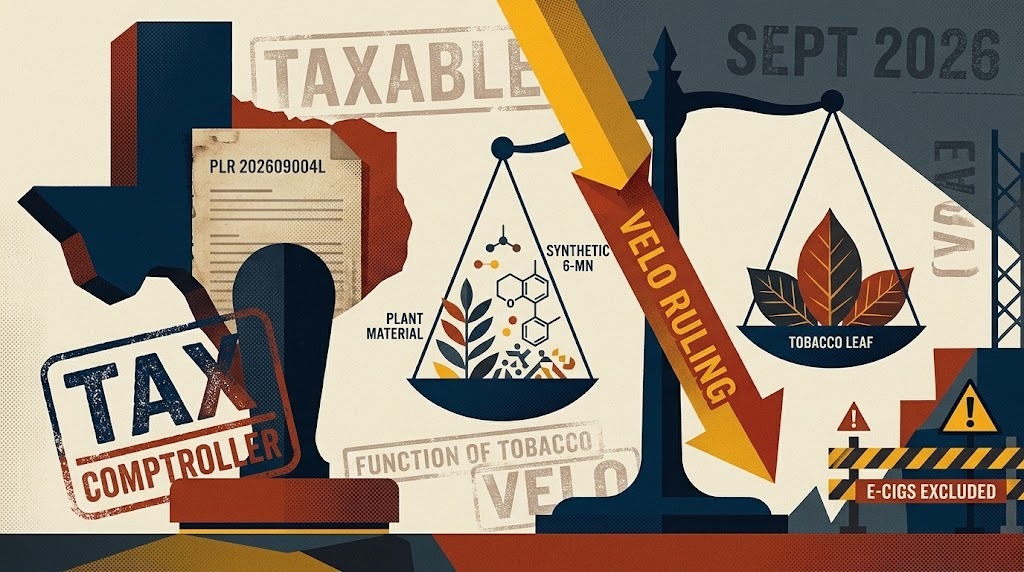
Texas Extends Tobacco Tax Interpretation to a 6-Methylnicotine Product, Citing VELO Ruling
Texas Extends Tobacco Tax Interpretation to a 6-Methylnicotine Product, Citing VELO Ruling
The Texas Comptroller of Public Accounts ruled in September 2026 that a combustible product made with non-tobacco plant material and 6-methylnicotine (6-MN), a synthetic nicotine analog, qualifies as a taxable tobacco product. The applicant said the product contained neither tobacco leaf nor measurable conventional nicotine. The determination applies reasoning from a May Texas Supreme Court decision involving VELO nicotine pouches, finding that the plant material and 6-MN together perform the functions of tobacco in a conventional smoking product. The ruling carries applicable tax, licensing and reporting obligations but is limited to the facts submitted by the taxpayer. It does not establish a blanket tax classification for all 6-MN products or extend the same conclusion to e-cigarettes.
Regulations
Nov.06
US ITC Judge Finds Glas Infringed Two JUUL Vape Patents, Recommends Restrictions on Related Imports——Glas Received FDA Marketing Authorization for Four Vape Pods in May 2026; Proposed Restrictions Remain Under Commission Review
US ITC Judge Finds Glas Infringed Two JUUL Vape Patents, Recommends Restrictions on Related Imports——Glas Received FDA Marketing Authorization for Four Vape Pods in May 2026; Proposed Restrictions Remain Under Commission Review
A U.S. International Trade Commission (USITC) administrative law judge issued an initial determination on October 20, 2026, finding that certain Glas vaping devices, cartridges and components infringed 12 claims across two patents asserted by JUUL, constituting a violation of Section 337 of the Tariff Act of 1930. The judge recommended a limited exclusion order and a cease and desist order against the Glas respondents. Five months earlier, the FDA authorized four Glas e-cigarette pods, including mango, blueberry and two menthol variants. The patent investigation concerns device and cartridge structures and is separate from FDA premarket review. The proposed import restrictions have not become final, and their product-level scope remains unresolved.
company
Nov.05
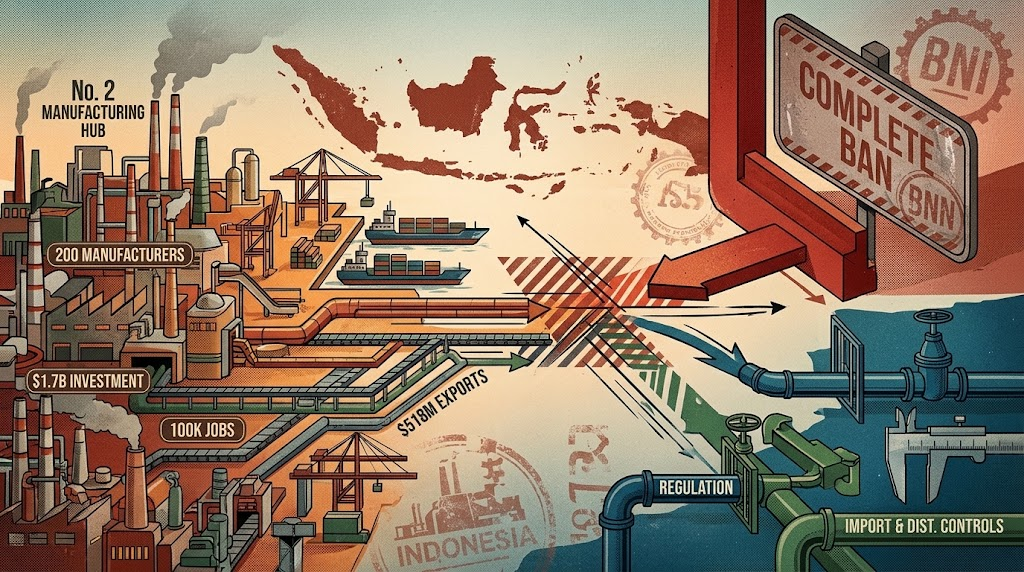
Special report|Indonesia's Vape Industry Has 200 Manufacturers and $1.7 Billion in Investment. Could a Regulatory Divide Derail Its Rise as the World's No. 2 Manufacturing Hub After Shenzhen?
Special report|Indonesia's Vape Industry Has 200 Manufacturers and $1.7 Billion in Investment. Could a Regulatory Divide Derail Its Rise as the World's No. 2 Manufacturing Hub After Shenzhen?
Indonesia's Ministry of Industry said at a November 3, 2026, policy forum that the country has about 200 electronic cigarette companies, Rp31 trillion (approximately $1.71 billion) in cumulative industry investment and around 100,000 jobs across the supply chain. The National Narcotics Agency is seeking a comprehensive ban on vape use and circulation, while the industry ministry favors tighter import, product-standard and distribution controls. Indonesia exported approximately $518 million in vaping products in 2025, and Chinese manufacturers including Smoore, GEEKVAPE and Jinjia Group have established local operations. An international logistics specialist interviewed by 2Firsts said more Chinese vape companies began production in Indonesia from the second half of 2025, accompanied by increased shipments of manufacturing equipment and investment in logistics facilities. The regulatory debate comes as Indonesia expands its role in international vaping manufacturing.
Special Report
Nov.05
Iowa Sets November 16 Vape Directory Launch: Unlisted Products Face Sales Ban, Manufacturers $1,000 Daily Fines per Product
Iowa Sets November 16 Vape Directory Launch: Unlisted Products Face Sales Ban, Manufacturers $1,000 Daily Fines per Product
Iowa plans to publish its first vapor products directory on November 16, 2026, after which products not listed will be prohibited from sale or offer for sale in the state. The Department of Revenue expects to begin penalty enforcement on December 17, following an initial 21-business-day period focused on compliance education. Under House File 2677, retailers, distributors and wholesalers selling unlisted products face civil penalties of $300 per product per day, while manufacturers face $1,000 per product per day. Eligibility extends to FDA-authorized products and certain products meeting historical marketing and pending PMTA requirements. The directory program resumed after a federal appeals court vacated a preliminary injunction in July 2026.
Regulations
Nov.05
Italy Proposes Earlier Vape and HTP Tax Hikes, New Rules for E-Liquid Pricing, Exclusive Deals and Distribution
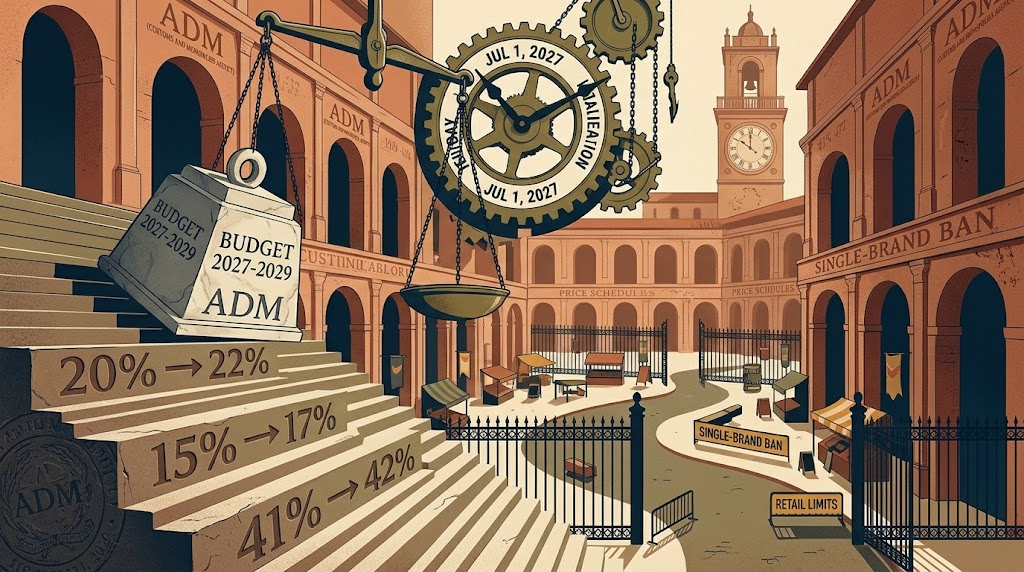
Italy Proposes Earlier Vape and HTP Tax Hikes, New Rules for E-Liquid Pricing, Exclusive Deals and Distribution
Italy's proposed 2027–2029 budget would bring forward scheduled tax increases for e-cigarette liquids and heated tobacco products from January 1, 2028, to July 1, 2027. The consumption tax coefficient for nicotine-containing e-liquids would rise from 20% to 22%, that for nicotine-free liquids and applicable flavorings from 15% to 17%, and the heated-tobacco coefficient from 41% to 42%. The bill would also introduce official retail price schedules for e-liquids, restrict exclusive agreements between retailers and suppliers, and limit single-brand-dominated displays, sales incentives and bundled offers. Importing, authorized warehousing and retailer sourcing arrangements would also change. The proposals remain subject to parliamentary approval and subsequent implementing regulations.
Regulations
Nov.04
South Korea's Tobacco Plan Excludes 6-Methyl Nicotine as Customs Tightens Import Controls and Analog Liquid Imports Fall 83%
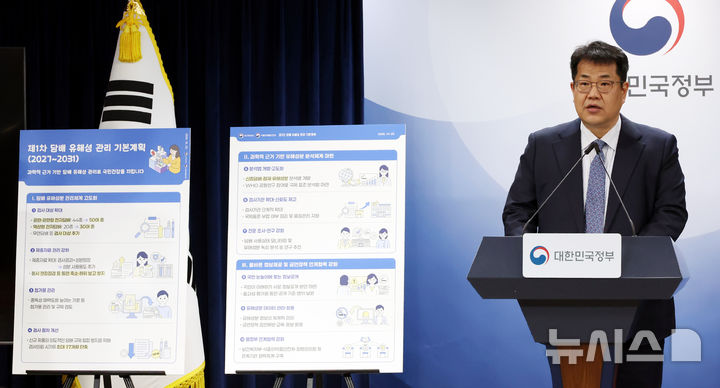
South Korea's Tobacco Plan Excludes 6-Methyl Nicotine as Customs Tightens Import Controls and Analog Liquid Imports Fall 83%
South Korea's government unveiled its first Tobacco Harm Management Basic Plan for 2027–2031 on October 29, 2026, proposing broader testing of vaping and heated tobacco products while excluding nicotine analogs such as 6-methyl nicotine. Synthetic nicotine came under tobacco regulation on April 24, and a June investigation found 6-methyl nicotine in 12 liquid inhalation products marketed as nicotine-free. Customs data released in September showed that imports of nicotine analog solutions fell 83.3%, from 12 metric tons in January–April to 2 metric tons in May–August. By September 20, imports had reached approximately 15 metric tons for the year, with 99.99% originating from China. Customs authorities have tightened pre-clearance testing and supply-chain documentation requirements, while the MFDS expects to complete its assessment of nicotine analog hazards by the end of 2026.
Regulations
Nov.04
New York City Opens Lottery for 55 Vape Retail License Slots Across 23 Community Districts, Including 28 in Brooklyn

New York City Opens Lottery for 55 Vape Retail License Slots Across 23 Community Districts, Including 28 in Brooklyn
New York City's Department of Consumer and Worker Protection (DCWP) opened applications on November 2, 2026, for a lottery covering tobacco and electronic cigarette retail dealer licenses, with a deadline of 5 p.m. New York local time on November 30. According to the city's October 1 notice, 55 electronic cigarette retail license slots are available across 23 community districts, including 28 in Brooklyn, alongside 322 tobacco retail license slots across 41 districts. Businesses must enter the lottery and, if invited, complete licensing requirements within 65 days. New York City continues to restrict e-cigarette retail sales to tobacco-flavored or unflavored products, while city retail licenses do not replace FDA product marketing authorization.
Market
Nov.04
Special Report | Vape bans and tougher rules: the South Caucasus takes different paths

Special Report | Vape bans and tougher rules: the South Caucasus takes different paths
Azerbaijan's sweeping e-cigarette ban has raised concerns over enforcement errors and the emergence of illicit sales, while neighboring Armenia is tightening technical rules and preparing higher excise taxes. Georgia, meanwhile, has resisted calls for broader vape restrictions and introduced preferential taxes for some domestically produced cigarettes. The divergent approaches across the South Caucasus highlight a regional policy dilemma: how to curb nicotine use and protect public health without encouraging black markets or creating unintended economic consequences for businesses and consumers.
Nov.03
Malaysia's Poisons Board Backs New Vape Nicotine Exemption After Unanimously Opposing 2023 Proposal

Malaysia's Poisons Board Backs New Vape Nicotine Exemption After Unanimously Opposing 2023 Proposal
Malaysia's Poisons Board has endorsed Health Minister Dzulkefly Ahmad's proposal to exempt liquid nicotine used in vaping products from the Poisons List, according to a November 2, 2026, report by CodeBlue. The Board unanimously opposed a similar proposal in 2023, but the government proceeded with the exemption. The Kuala Lumpur High Court invalidated the 2023 decision in May 2026, and the government withdrew its appeal in August. No new ministerial order has been published. The development raises questions about the interaction between Malaysia's two regulatory frameworks and the treatment of RM354.51 million in excise duties collected on e-cigarette and vape products between May 2023 and June 11, 2026.
Regulations
Nov.03
Load more content
Most Read
1
FDA Authorizes 24 VELO Nicotine Pouches, Increasing U.S. Authorized Total by 56%

2
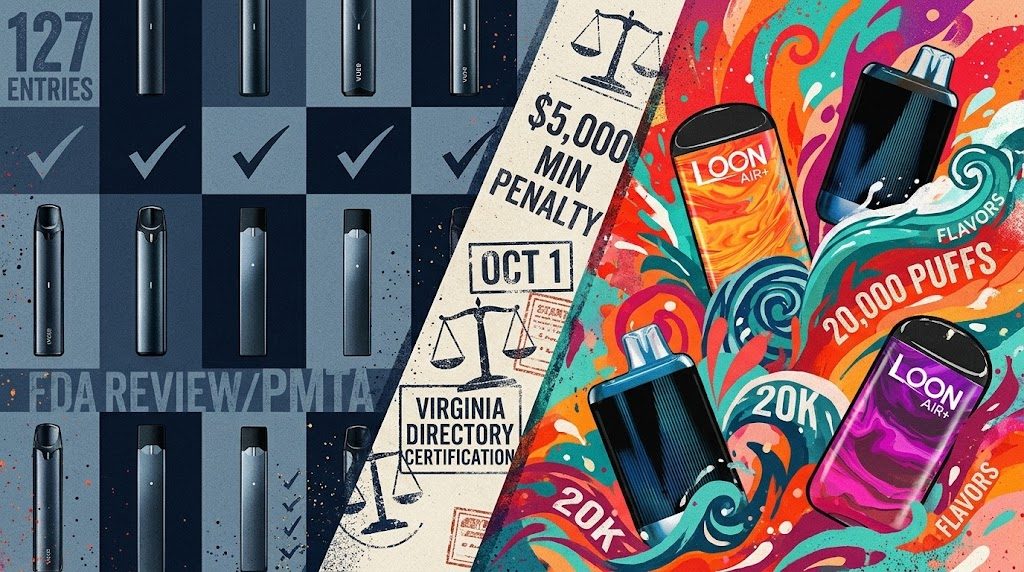
Special Report|Virginia Vape Directory Shows Contrast Between Vuse and JUUL Pod Systems and CrossBar 20K, Loon Flavored Disposables
3
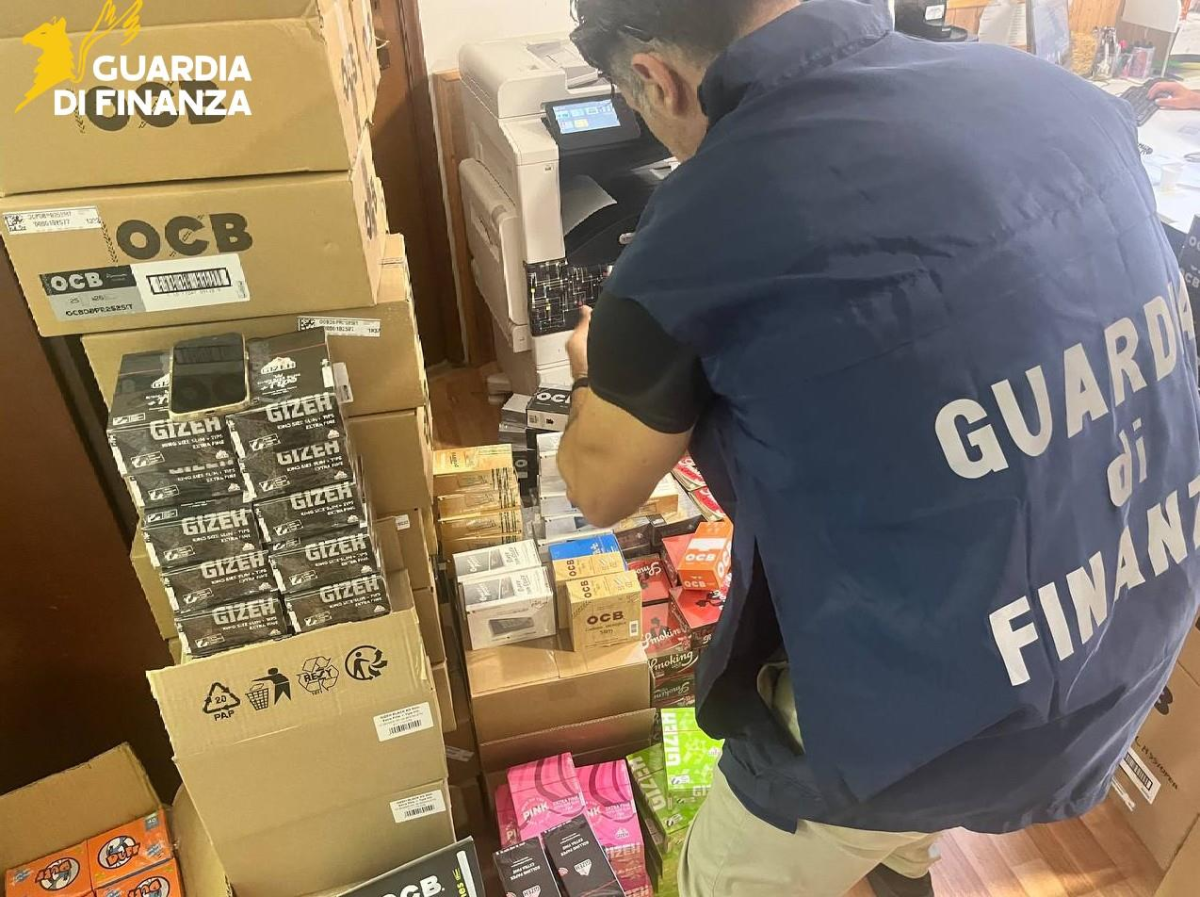
Italian Financial Police Seize 4.3 Million E-Cigarettes and Smoking Accessories; 28 Reported to Judicial Authorities Across Operations
4
Sweden Threatens EU Tobacco Tax Deal as Nicotine Pouch Duty Dispute Looms Over November 9 Meeting

5
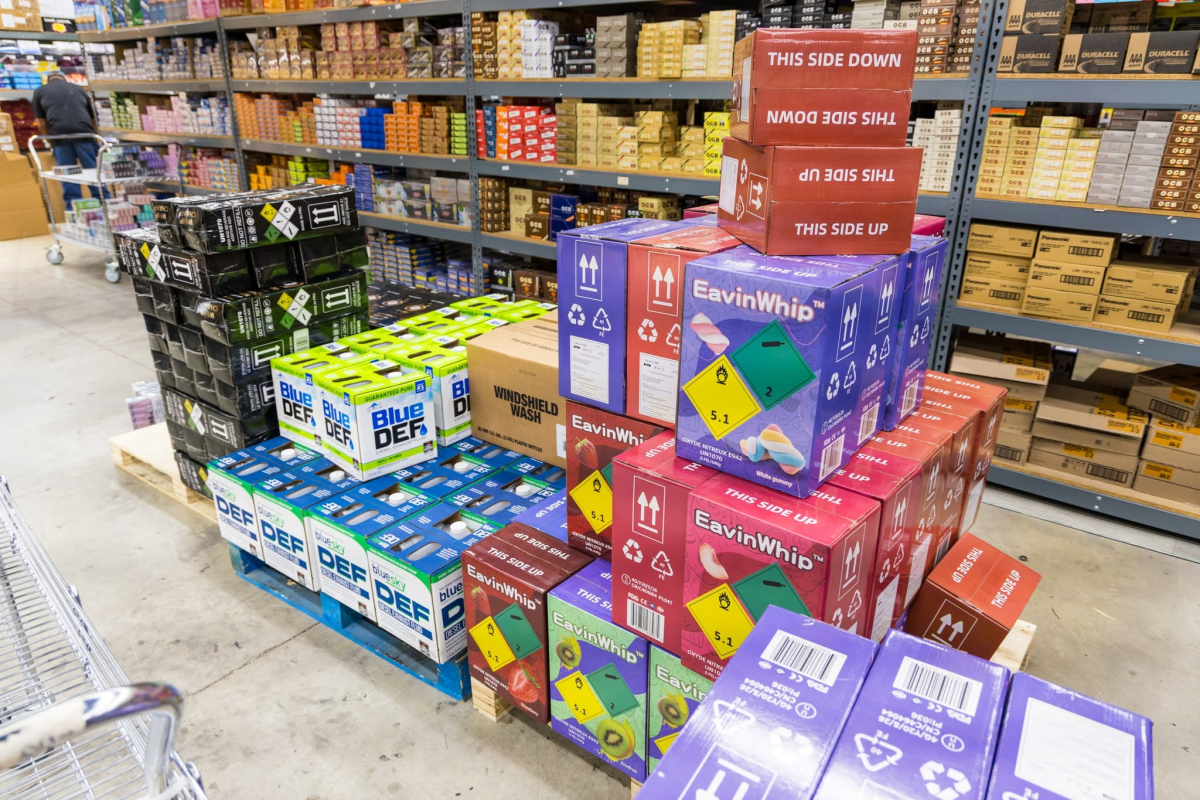
Los Angeles Cracks Down on Illicit Flavored Vapes and Counterfeit Goods: 12 Businesses Searched, 24 Arrested, Eight Truckloads Seized
6
North Carolina Tightens Vape Product Directory Enforcement, Expands State and Local Powers as Violators Face Fines, Product Seizures and License Suspension or Revocation

7
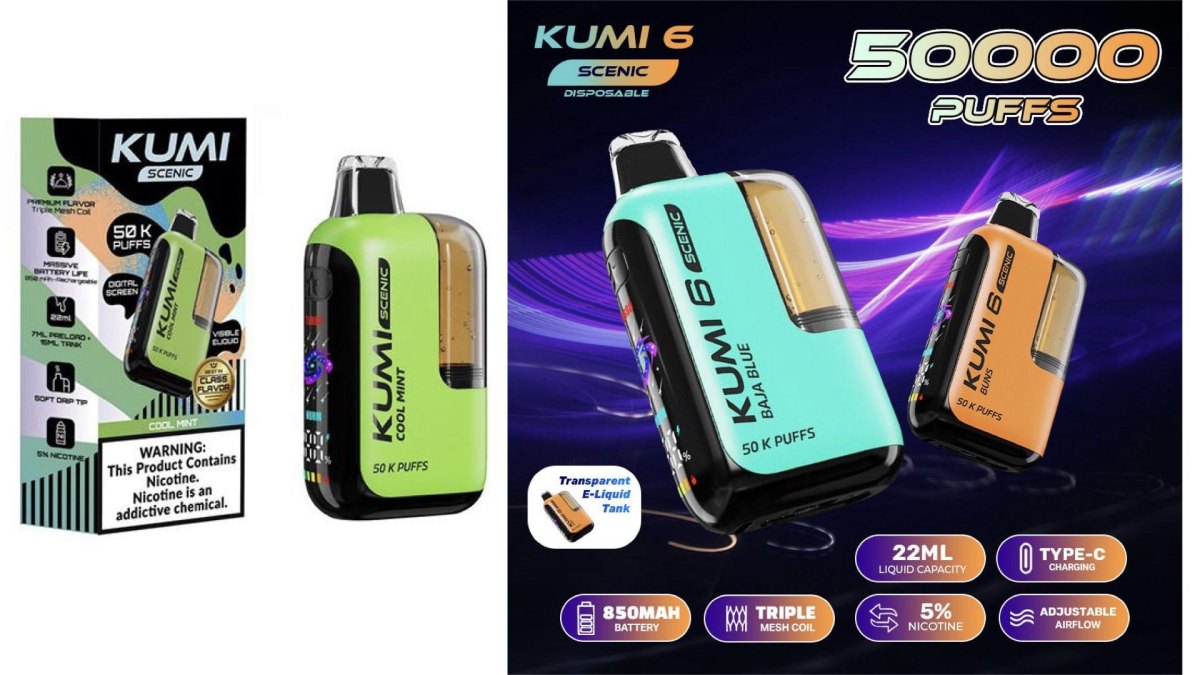
Product | KUMI SCENIC 50K Offers Nicotine and 6-Methyl Nicotine Versions as 6-MN Products Appear in Multiple U.S. State Directories, With Louisiana Listing FDA Exemption
8
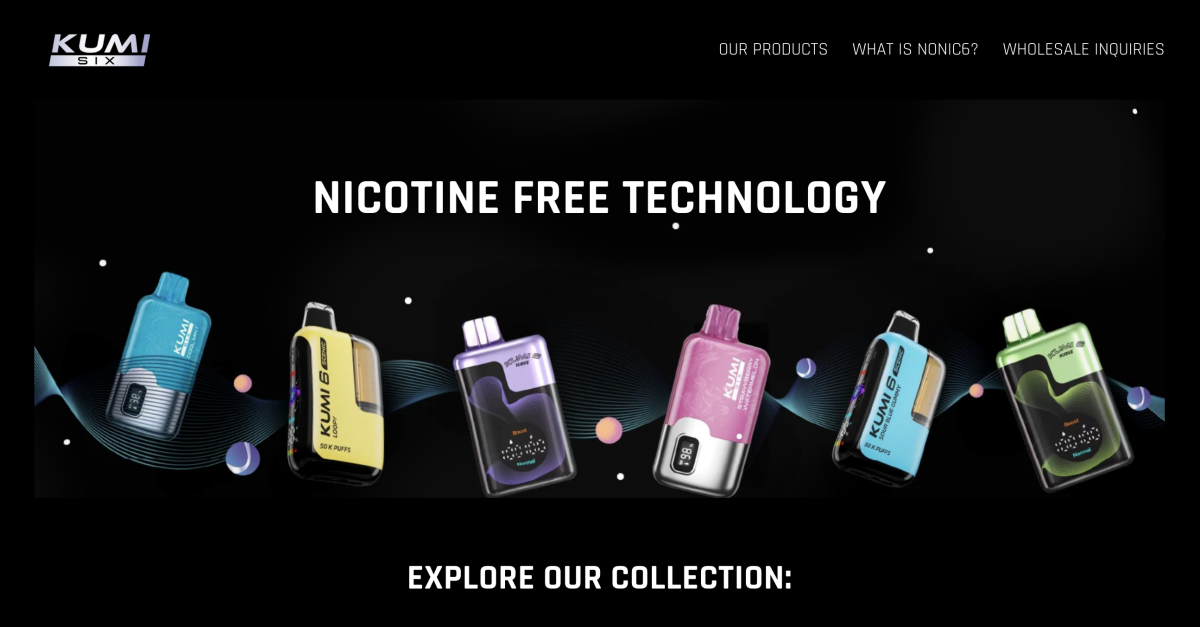
Special Report|From CrossBar 20K to 6-Methyl Nicotine KUMI: Two Routes Into U.S. State Vape Directories?
9
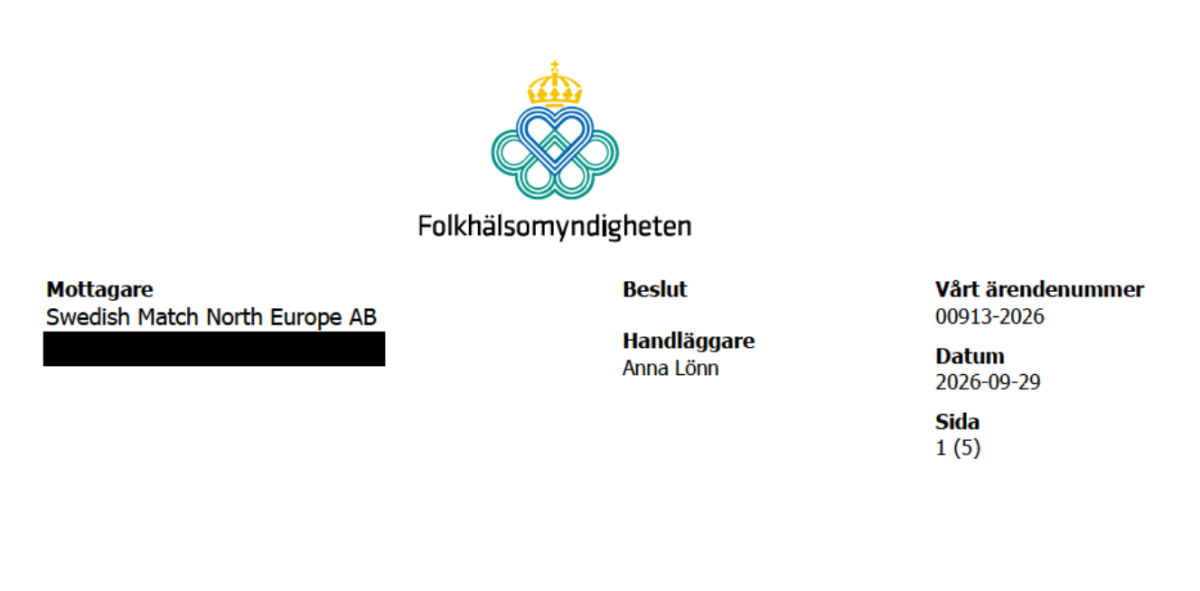
Swedish Match Faces Broader Labeling Order After ZYN Inspection, Documents Obtained by 2Firsts Show
10
Sweden Finds ZYN Ingredient Labels Noncompliant Over Generic Flavoring Disclosure, Swedish Match Faces SEK 2 Million Monthly Penalty
Stay up to date.
Submit your email to receive weekly newsletter on the most relevant news of the e-cigarette industry.
sign up
© 2026 2FIRSTS. All Right Reserved.
2FIRSTS is only accessible to industry practitioners, researchers, media and other professionals. Access by minors is prohibited.
This website provides services to users outside the Chinese mainland.
English
English
中文