Key Points
- Cigarette tax would increase from $2.10 to $3.60 per pack if approved, as part of Gov. Matt Meyer’s fiscal year 2027 budget proposal. Taxes on moist snuff would rise from 92 cents to $1.23 per ounce, while e-cigarette liquid tax would double from 5 cents to 10 cents per milliliter. Other wholesale tobacco products would increase by 10%.
- The proposal would also expand the definition of taxable tobacco products to include newer nicotine products such as pouches, bringing them under the state’s tobacco tax framework.
- The tax increases are part of a broader effort to close a more than $500 million state budget gap and generate about $160 million in new revenue. Nearly $19 million of that amount is expected to come specifically from tobacco-related changes.
- Some residents support the tax hike, arguing tobacco use remains harmful and should be taxed accordingly. Others, particularly small business owners, say higher prices could significantly reduce sales and hurt lower-income customers.
2Firsts, February 17, 2026
According to WBOC, Tobacco products in Delaware could soon carry higher price tags under Gov. Matt Meyer’s proposed fiscal year 2027 budget.
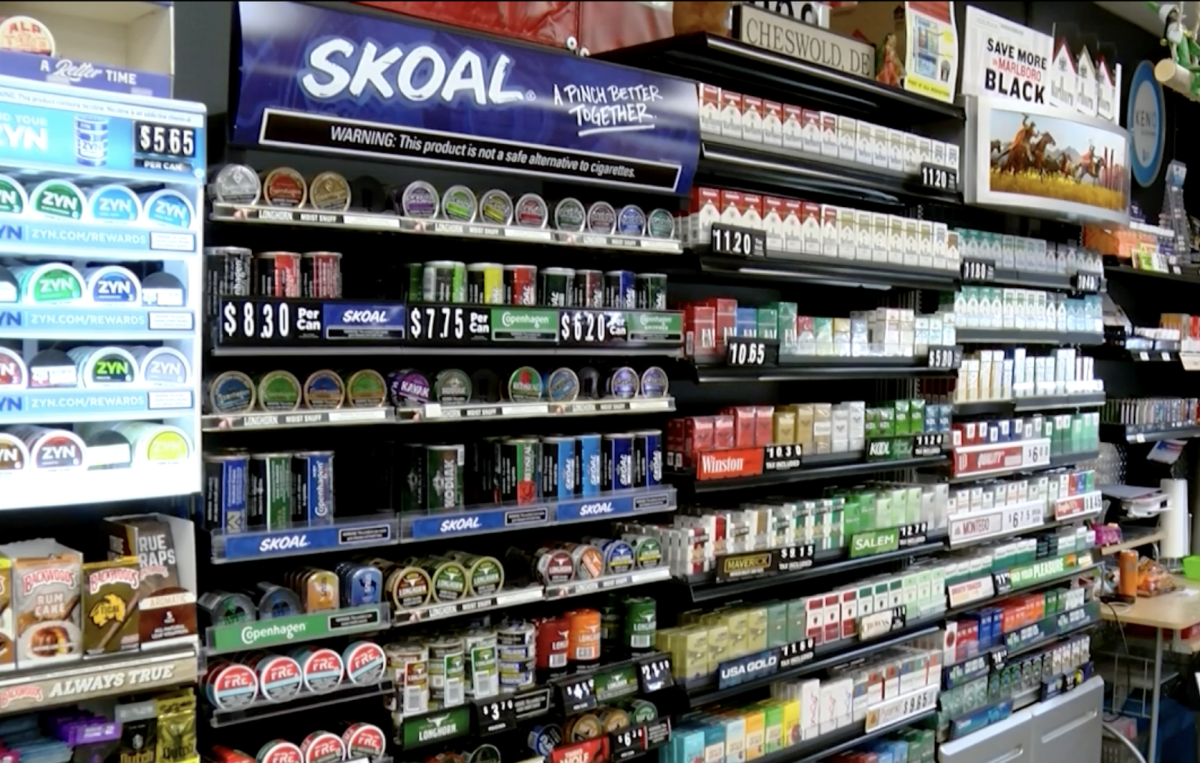
If approved, the cigarette tax would increase from $2.10 to $3.60 per pack. Other nicotine products would also see higher taxes. Moist snuff would rise from 92 cents to $1.23 per ounce. The tax on e-cigarette liquid would double from five cents to 10 cents per milliliter. Other wholesale tobacco products would face a 10% increase.
The proposal would also broaden what qualifies as a taxable tobacco product, adding newer nicotine items such as pouches.
The plan is part of a broader strategy to close a budget shortfall exceeding $500 million and generate about $160 million in new state revenue. Nearly $19 million is expected to come from tobacco-related tax changes alone.
Public reaction has been mixed.
Terry Yingling, a Kent County resident, said he supports the tax increase.
“It’s still an awful habit. So I say tax it. Let the tobacco users pay for it.”
However, some small business owners in Kent County expressed concern about the impact on customers and sales.
Ty Shaw of Cheswold Tobacco said additional taxes could significantly affect his clientele, many of whom are lower income.
“Well, any tax is not great for business. Most of our clientele here tends to be lower income, so that’s really going to hit them hard.”
Shaw added that the industry has already experienced multiple price increases recently.
“I think six times last year there were price increases. And just since January of this year, I think we’ve had two or three. It just seems like it’s not stopping.”
At Lynch Heights Convenience Store, cashier Megan Breedlove said steep increases could drive customers away.
“When they come to see that the price has changed that much, they’re like, ‘Hey, well, what do I do with that? What do I do now? — We’ll lose half of our customers because that’s what most people come to convenience stores for.’”
Breedlove said the impact would go beyond smokers.
“I just think it’s unfair and that people should vote against it. It doesn’t really matter if you’re a smoker or not. It still affects businesses.”
The proposed budget was unveiled last month, and hearings before the Joint Finance Committee are underway. Lawmakers must approve a final spending plan before July 1.
(Cover image source:WBOC)