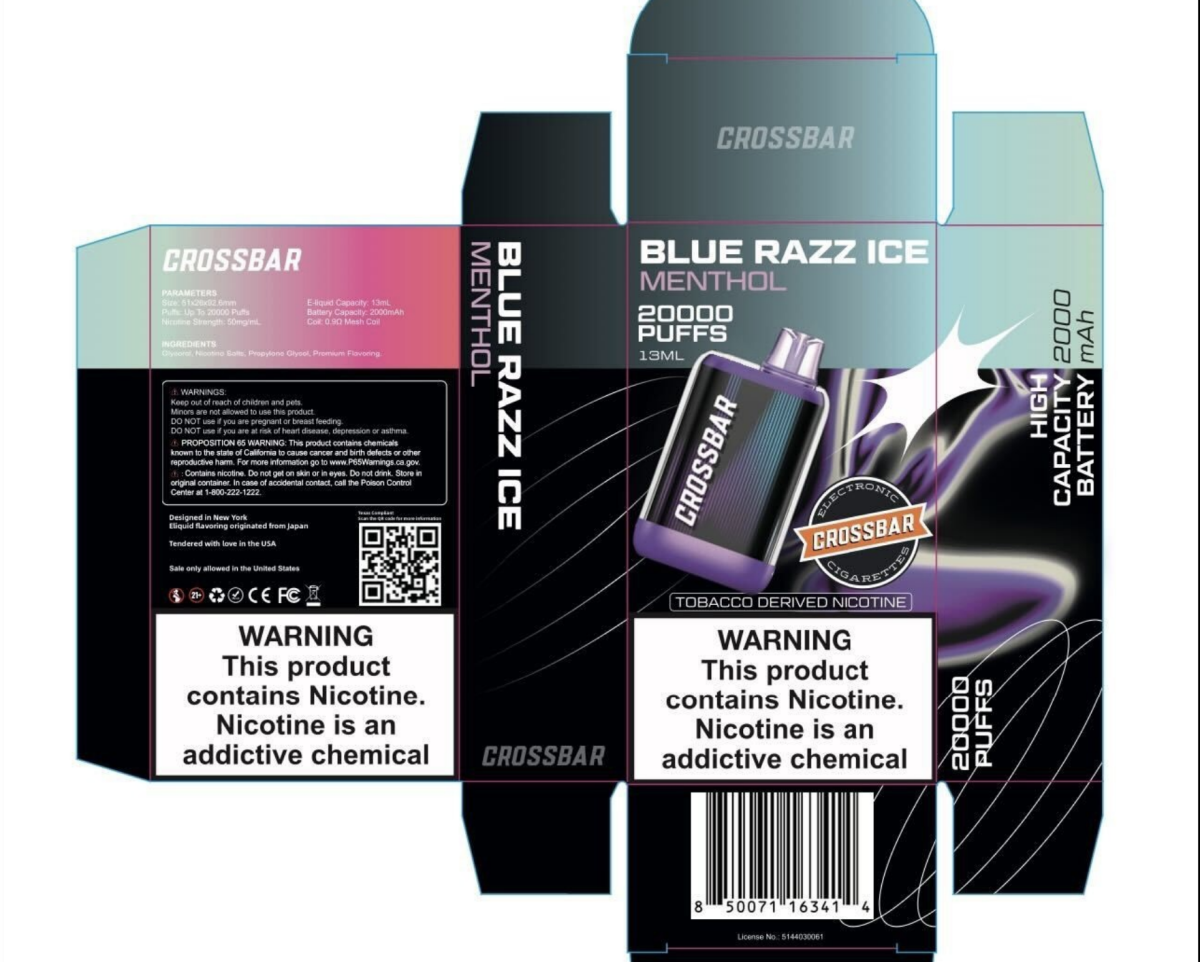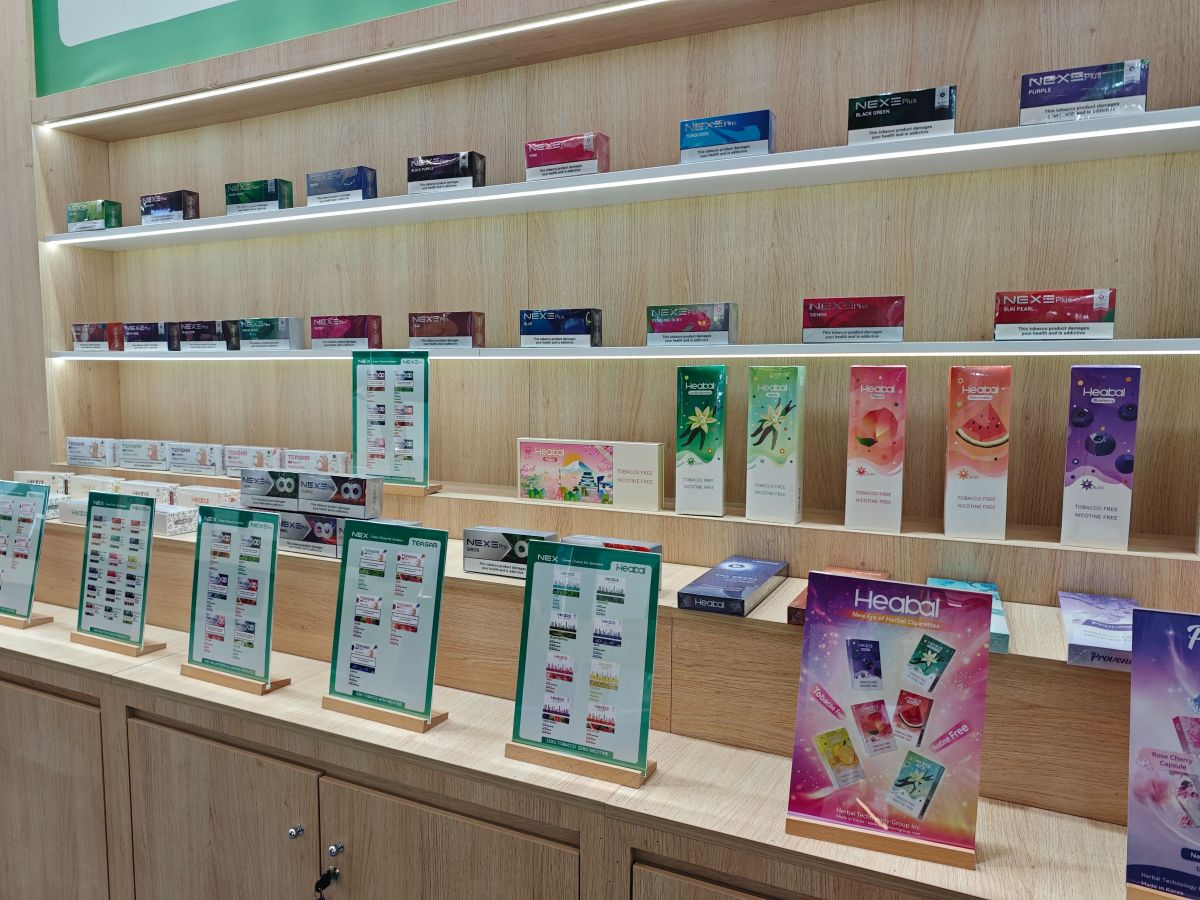
On June 21st, the US Food and Drug Administration (FDA) issued a marketing authorization order (PMTA) to NJOY LLC for four menthol e-cigarette products - NJOY ACE Pod Menthol 2.4%, NJOY ACE Pod Menthol 5%, NJOY DAILY Menthol 4.5%, and NJOY DAILY EXTRA Menthol 6%. This marks the first time that the FDA has approved menthol e-cigarettes. (Related reading: US FDA approves first batch of menthol e-cigarettes for sale in the US, all products under NJOY)
NJOY is one of the largest e-cigarette manufacturers in the United States and was acquired by tobacco giant Altria Group, the manufacturer of Marlboro, for approximately $2.75 billion in 2023.
The FDA's decision to approve the NJOY menthol e-cigarette for the first time raises questions about the implications for Chinese e-cigarette companies looking to enter the US market. To explore these questions, 2FIRSTS spoke with Zheng Zhi, a senior PMTA certification consultant and founder of Ziyuan Technology.
Zheng Zhi believes that the FDA's approval of menthol e-cigarettes is a positive signal, indicating that multi-flavored e-cigarettes are experiencing a good development trend in the United States. He expects that in the next 2-3 years, the FDA will relax its restrictions on the review of multi-flavored products.
At the same time, this approval signifies that individually packaged e-liquid products may soon be approved, which would in turn mean that open-system products have the potential to obtain PMTA approval.
Furthermore, international tobacco companies such as British American Tobacco, Altria, and JUUL are persisting in applying for PMTA, not only to promote specific products but also to "open doors" and establish close relationships with the FDA, construct approval processes, accelerate the launch of their products, and enter the vast U.S. market. Therefore, this approval also provides some insights for Chinese enterprises, encouraging them to plan for the future with a long-term vision.
The following is the transcript of the exclusive interview:
2FIRSTS: What is your opinion on the US FDA's recent decision to approve the menthol NJOY e-cigarette? Does this signify a shift in the FDA's attitude towards the e-cigarette industry?
Zheng Zhi: It has been five years since the FDA required companies to submit PMTAs. It has been approximately three years since the first tobacco-flavored e-cigarette was approved. The FDA's decision to approve NJOY's menthol e-cigarette for the first time demonstrates that the FDA has not abandoned PMTA as the cornerstone of e-cigarette regulation, but is slowly but steadily improving it.
Furthermore, the approval of menthol sends two specific clear signals: the first signal is that the FDA remains a technology-based approval agency. As long as a product meets technical requirements and safety standards, it can be approved for market. The FDA and the United States do not consider implementing blanket bans.
The second signal is that although it will take time, the FDA will relax its restrictions on multi-flavored e-cigarette products. It is expected that in the next 2-3 years, the FDA will loosen its regulations on multi-flavored products.
I believe that the FDA has always been an approval agency that is "70% technology and 30% politics", so there must be a theoretical basis for this decision. The technical approval documents for these four e-cigarette products are publicly available, and it can be seen that they were approved because they did not have any toxicity or clinical issues, not because of the brand NJOY getting a green light.
2FIRSTS: What positive implications does this decision have for the e-cigarette industry?
Zheng Zhi: Currently, in the e-cigarette industry, there is a clear trend towards preference for multiple flavors.
JUUL, which was once fined billions of dollars for "appealing to youth tastes," has reached a settlement. Several years later, the FDA has slowly shifted its stance on flavored products, moving from a strict approach to a more lenient one. It is understood that FDA-led clinical trials will effectively demonstrate that a variety of flavors can aid adults in quitting smoking. Therefore, this decision will allow e-cigarette product lines to align more closely with consumer preferences, rather than forcibly disconnecting from them.
Furthermore, this approval signifies that individually packaged e-liquid products may soon receive approval, which in turn means that open-system products may be eligible for PMTA approval.
In terms of technology, features such as age recognition are constantly being improved. Regulatory agencies are shifting their focus from using the protection of minors as an excuse to restrict e-cigarettes, to prioritizing the safety of the products themselves.
Chinese companies are especially "crazy" in their business practices. In recent years, although they initially sought ways to comply with regulations and innovate products, due to the lack of progress in PMTA, they seemed to have gradually given up hope for the US market and opted for a short-term strategy of small-scale production and "making a quick buck". However, this strategy will inevitably lead to their long-term elimination from the market.
However, looking globally, international tobacco companies such as British American Tobacco, Altria, and JUUL are persistently applying for PMTA, not only to promote specific products, but also to "open doors" and establish a close relationship with the FDA, construct an approval process, accelerate the listing of their products, and enter the vast U.S. market. Therefore, this approval also provides some insights for Chinese companies, encouraging them to have a long-term vision in planning for the future.
2FIRSTS: Does this approval mark a new stage in the regulation of the e-cigarette industry?
Zheng: The approval this time is a positive signal, indicating that PMTA will remain the primary standard for regulation of the e-cigarette market and products in the United States. This also means that the US will not adopt a blanket regulatory approach like some countries have done with strict bans, but will instead use strict technical requirements as the standard for product approval.
Additionally, to be more specific, open-system products have not been excluded. When the PMTA regulations were first established, open-system, disposable, and closed-system products were all included. In recent years, there have been concerns that open-system products and e-liquids might be excluded, but this approval shows that this concern is unnecessary. This also indicates that PMTA is gradually stabilizing and may make some minor adjustments in the future, but major product categories will not be affected.
The impact of political factors in the FDA's "7 parts science, 3 parts politics" approach involves the divide between the two major parties in the United States. Democrats typically hold a negative view towards e-cigarettes, while Republicans are more supportive. The improvement of regulatory policies usually takes several years, and how political factors such as annual elections will affect the regulatory stance of the U.S. e-cigarette industry will need to be further observed.
2FIRSTS: What does the approval of these e-cigarette brands mean for other Chinese e-cigarette brands? What impact will it have? Do you have any recommendations for them?
Zheng Zhi: The direct impact of this product approval is that NJOY is manufactured by Chinese contract factories FirstUnion and Smoore. Both companies have previously undergone FDA inspections. According to FDA practice, factories that have been confirmed through FDA inspections when producing similar products will receive an exemption from further review. Therefore, FirstUnion and Smoore have received significant benefits from this product approval: the products they manufacture have received FDA approval, which will make international tobacco brands more inclined to place orders with them, based on their quality management levels that are more likely to pass PMTA. Additionally, these manufacturing companies can fully utilize their advantages in quality management systems and ODM services.
Currently, the e-cigarette industry is still in a rapid development stage, with new features, new technologies, and new materials constantly emerging, and FDA regulations will also be adjusted accordingly. We can see that FDA has rapidly learned about e-cigarette-related technologies over the past decade, hoping to shorten approval times and improve clinical and toxicological standards. With the improvement of future standards, Chinese companies looking to enter the market will face even greater challenges.
Therefore, I suggest that companies actively applying for PMTA not give up their efforts and continue seeking approval; while those who have not yet taken action should either accelerate their entry into the market, give up pursuing the U.S. market, focus on becoming contract manufacturers, or adjust their target market to smaller countries and shift towards OEM or ODM business.
2FIRSTS: In the future, how do you think FDA regulation of the e-cigarette industry will develop?
Zheng Zhi: FDA's regulation of the e-cigarette industry is expected to move towards the standards of pharmaceuticals and cosmetics, but this will be a lengthy process. I predict that within the next 3-5 years, the PMTA system may be relatively perfected, but reaching the level of the pharmaceutical industry may take 7-8 years, or even 10 years.
Unlike high-risk products such as pharmaceuticals, the regulation of e-cigarettes may ultimately resemble that of cosmetics, where some products may be exempt from clinical trials while others undergo review for a fee. The approval cost for a product could range from tens of thousands to hundreds of thousands of dollars. By raising barriers to entry, regulatory management is implemented. Therefore, when the FDA begins to charge PMTA review fees, it may signal a more comprehensive regulation of the e-cigarette industry by the FDA.
We welcome news tips, article submissions, interview requests, or comments on this piece.
Please contact us at info@2firsts.com, or reach out to Alan Zhao, CEO of 2Firsts, on LinkedIn
Notice
1. This article is intended solely for professional research purposes related to industry, technology, and policy. Any references to brands or products are made purely for objective description and do not constitute any form of endorsement, recommendation, or promotion by 2Firsts.
2. The use of nicotine-containing products — including, but not limited to, cigarettes, e-cigarettes, nicotine pouchand heated tobacco products — carries significant health risks. Users are responsible for complying with all applicable laws and regulations in their respective jurisdictions.
3. This article is not intended to serve as the basis for any investment decisions or financial advice. 2Firsts assumes no direct or indirect liability for any inaccuracies or errors in the content.
4. Access to this article is strictly prohibited for individuals below the legal age in their jurisdiction.
Copyright
This article is either an original work created by 2Firsts or a reproduction from third-party sources with proper attribution. All copyrights and usage rights belong to 2Firsts or the original content provider. Unauthorized reproduction, distribution, or any other form of unauthorized use by any individual or organization is strictly prohibited. Violators will be held legally accountable.
For copyright-related inquiries, please contact: info@2firsts.com
AI Assistance Disclaimer
This article may have been enhanced using AI tools to improve translation and editorial efficiency. However, due to technical limitations, inaccuracies may occur. Readers are encouraged to refer to the cited sources for the most accurate information.
We welcome any corrections or feedback. Please contact us at: info@2firsts.com