Imperial Brands PLC Expects Increase in Profit Due to Disposable Sales Growth

Business by 2FIRSTS.ai
Apr.09.2024
Imperial Brands PLC Expects Increase in Profit Due to Disposable Sales Growth
Imperial Brands PLC expects profit increase in first half of year due to strong tobacco pricing and e-cigarette sales rise.

According to a report by Reuters on April 9, Imperial Brands PLC announced on Tuesday that its profit for the first half of the year is expected to increase due to strong tobacco pricing and growth in sales of disposable e-cigarettes and other products. The company is anticipating meeting its expected full-year revenue growth.


The company stated last year that it would increase prices in its key markets to offset the impact of declining sales, while also facing regulatory pressures such as the UK ban on selling cigarettes to young people.


Looking at the whole year ahead, net income for next generation products (NGP) such as tobacco and e-cigarettes is expected to grow at a lower single-digit percentage rate based on constant currency.


According to estimated data provided by the company, analysts expect Imperial Tobacco's total tobacco and NGP revenue to reach approximately £8.1 billion ($10.26 billion).


We welcome news tips, article submissions, interview requests, or comments on this piece.

Please contact us at info@2firsts.com, or reach out to Alan Zhao, CEO of 2Firsts, on LinkedIn


Notice

1.  This article is intended solely for professional research purposes related to industry, technology, and policy. Any references to brands or products are made purely for objective description and do not constitute any form of endorsement, recommendation, or promotion by 2Firsts.

2.  The use of nicotine-containing products — including, but not limited to, cigarettes, e-cigarettes, nicotine pouchand heated tobacco products — carries significant health risks. Users are responsible for complying with all applicable laws and regulations in their respective jurisdictions.

3.  This article is not intended to serve as the basis for any investment decisions or financial advice. 2Firsts assumes no direct or indirect liability for any inaccuracies or errors in the content.

4.  Access to this article is strictly prohibited for individuals below the legal age in their jurisdiction.


Copyright


This article is either an original work created by 2Firsts or a reproduction from third-party sources with proper attribution. All copyrights and usage rights belong to 2Firsts or the original content provider. Unauthorized reproduction, distribution, or any other form of unauthorized use by any individual or organization is strictly prohibited. Violators will be held legally accountable.

For copyright-related inquiries, please contact: info@2firsts.com


AI Assistance Disclaimer


This article may have been enhanced using AI tools to improve translation and editorial efficiency. However, due to technical limitations, inaccuracies may occur. Readers are encouraged to refer to the cited sources for the most accurate information.

We welcome any corrections or feedback. Please contact us at: info@2firsts.com

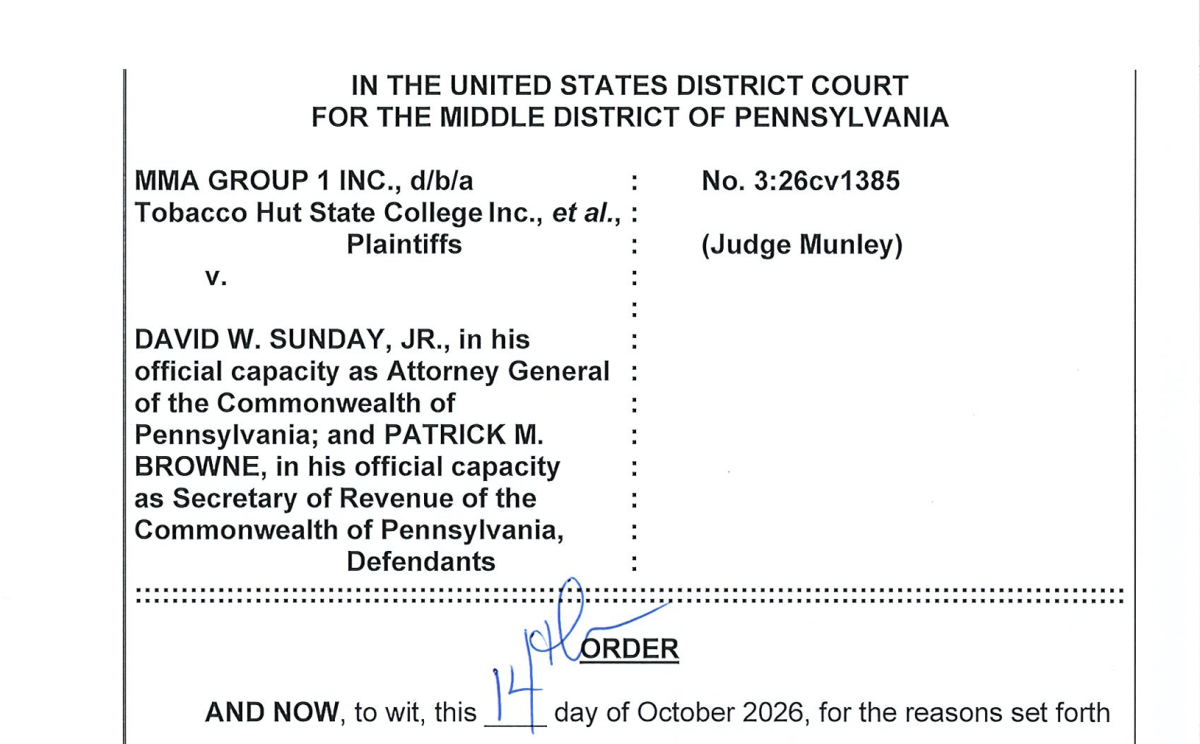
Pennsylvania Vape Directory Law Survives Court Challenge From Nova Distro and Others Amid Similar Rulings Across States
A U.S. federal court upheld Pennsylvania's vape directory law on October 14, rejecting a challenge brought by Nova Distro, 101 Distributors and companies operating Tobacco Hut retail stores. Court records show that vaping accounts for about 60% of Tobacco Hut's profits and that the chain held approximately $2 million in inventory potentially subject to seizure under the law as of June 2. Pennsylvania began enforcement on October 19. The ruling follows similar appellate decisions in other states, even as new research shows that unlisted vaping products continue to account for substantial sales in states with established directories.
Regulations
Oct.22
US ITC Judge Finds Glas Infringed Two JUUL Vape Patents, Recommends Restrictions on Related Imports——Glas Received FDA Marketing Authorization for Four Vape Pods in May 2026; Proposed Restrictions Remain Under Commission Review
A U.S. International Trade Commission (USITC) administrative law judge issued an initial determination on October 20, 2026, finding that certain Glas vaping devices, cartridges and components infringed 12 claims across two patents asserted by JUUL, constituting a violation of Section 337 of the Tariff Act of 1930. The judge recommended a limited exclusion order and a cease and desist order against the Glas respondents. Five months earlier, the FDA authorized four Glas e-cigarette pods, including mango, blueberry and two menthol variants. The patent investigation concerns device and cartridge structures and is separate from FDA premarket review. The proposed import restrictions have not become final, and their product-level scope remains unresolved.
company
Nov.05
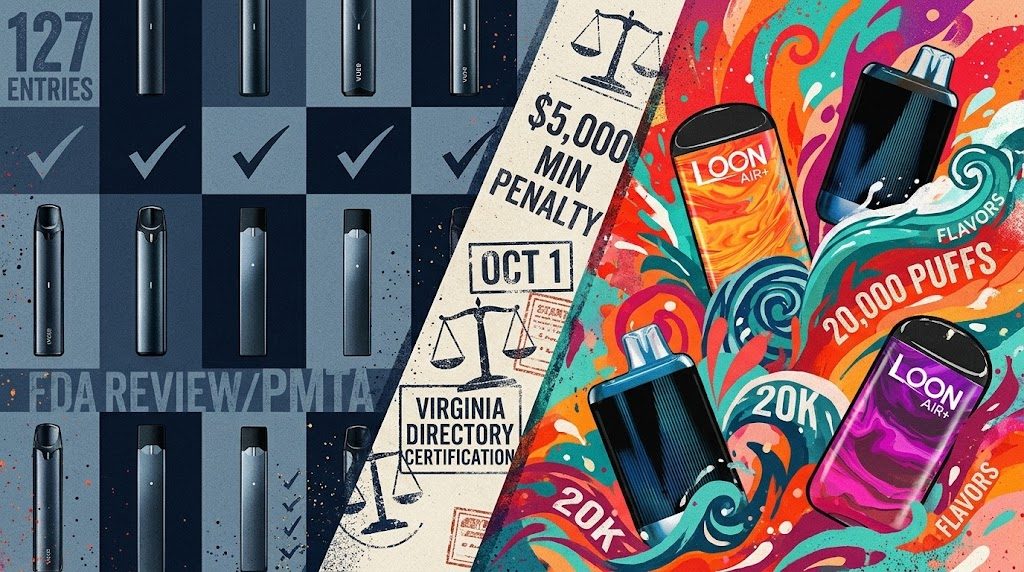
Special Report|Virginia Vape Directory Shows Contrast Between Vuse and JUUL Pod Systems and CrossBar 20K, Loon Flavored Disposables
A 2Firsts analysis of Virginia's liquid nicotine and vapor product certification directory identified 213 product records from 15 manufacturers. Companies associated with BAT, Altria, Imperial Brands, JTI and JUUL account for 127 entries. The directory also includes independent brands CrossBar 20K, Loon and Breeze. CrossBar advertises a 13mL disposable capable of up to 20,000 puffs, while Loon has 16 disposable entries featuring fruit, cooling and beverage-related flavors. Of all records, 120 are labeled as under FDA PMTA review. Virginia introduced revised penalties on October 1, 2026, including a minimum first-violation civil penalty of $5,000 per unlisted product, alongside new retail tobacco permitting requirements.
Regulations
Oct.30
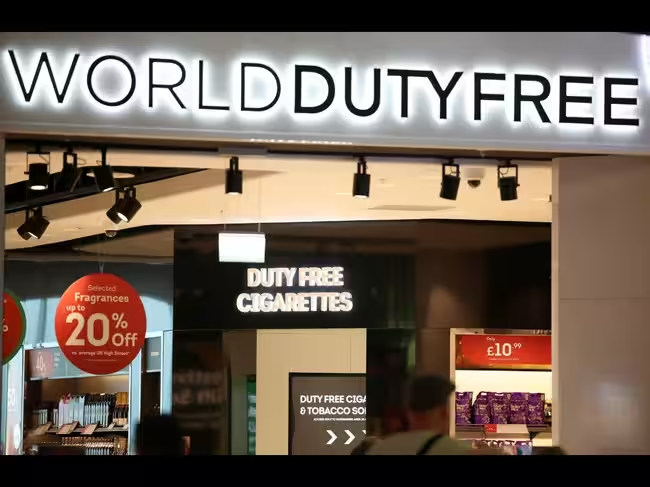
India Duty-Free Nicotine Pouch Sales Face Regulatory Test as ZYN, FOX Classification Remains Open
The Bombay High Court has ruled that airport duty-free shops are not exempt from India's domestic regulatory laws merely because they operate beyond the customs barrier, leaving in place a sales halt covering ZYN and FOX nicotine pouches at Mumbai's international airport. The court, however, did not determine that the products necessarily qualify as "drugs" under India's Drugs and Cosmetics Act. The retailers have four weeks to submit product information to the appropriate authorities, including CDSCO, which must complete its review within 30 days of receiving the submissions.
Sep.24
PMI Expands Its Second Global and First Asian Business Services Hub in the Philippines, Serving 160 Markets and Scaling Up AI Capabilities
Philip Morris International's PMI Business Solutions Philippines has expanded its global business services hub in Makati and plans to add more than 80 positions. Established in 2021 primarily to provide finance and IT support to about 20 markets, the center now employs 519 professionals delivering roughly 600 services across 160 markets. Its functions now span finance, human resources, IT, commercial operations, data analytics, supply chain and project management. PMI says the hub's next phase will focus on AI-enabled and higher-value work. The company did not disclose the size or investment cost of the expansion.
Sep.24
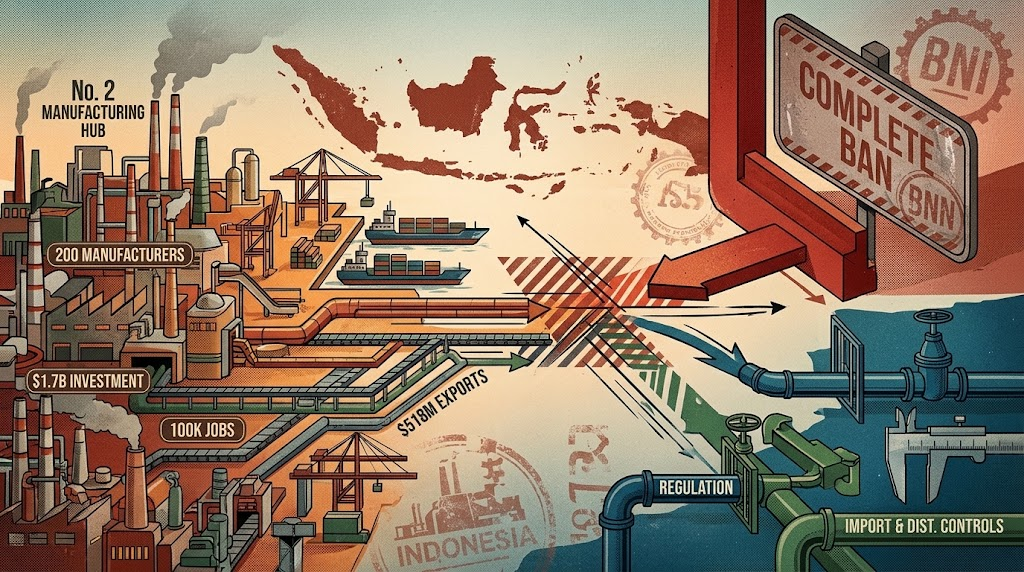
Special report|Indonesia's Vape Industry Has 200 Manufacturers and $1.7 Billion in Investment. Could a Regulatory Divide Derail Its Rise as the World's No. 2 Manufacturing Hub After Shenzhen?
Indonesia's Ministry of Industry said at a November 3, 2026, policy forum that the country has about 200 electronic cigarette companies, Rp31 trillion (approximately $1.71 billion) in cumulative industry investment and around 100,000 jobs across the supply chain. The National Narcotics Agency is seeking a comprehensive ban on vape use and circulation, while the industry ministry favors tighter import, product-standard and distribution controls. Indonesia exported approximately $518 million in vaping products in 2025, and Chinese manufacturers including Smoore, GEEKVAPE and Jinjia Group have established local operations. An international logistics specialist interviewed by 2Firsts said more Chinese vape companies began production in Indonesia from the second half of 2025, accompanied by increased shipments of manufacturing equipment and investment in logistics facilities. The regulatory debate comes as Indonesia expands its role in international vaping manufacturing.
Special Report
Nov.05